
Foot Care at Home When Dementia Makes It Hard
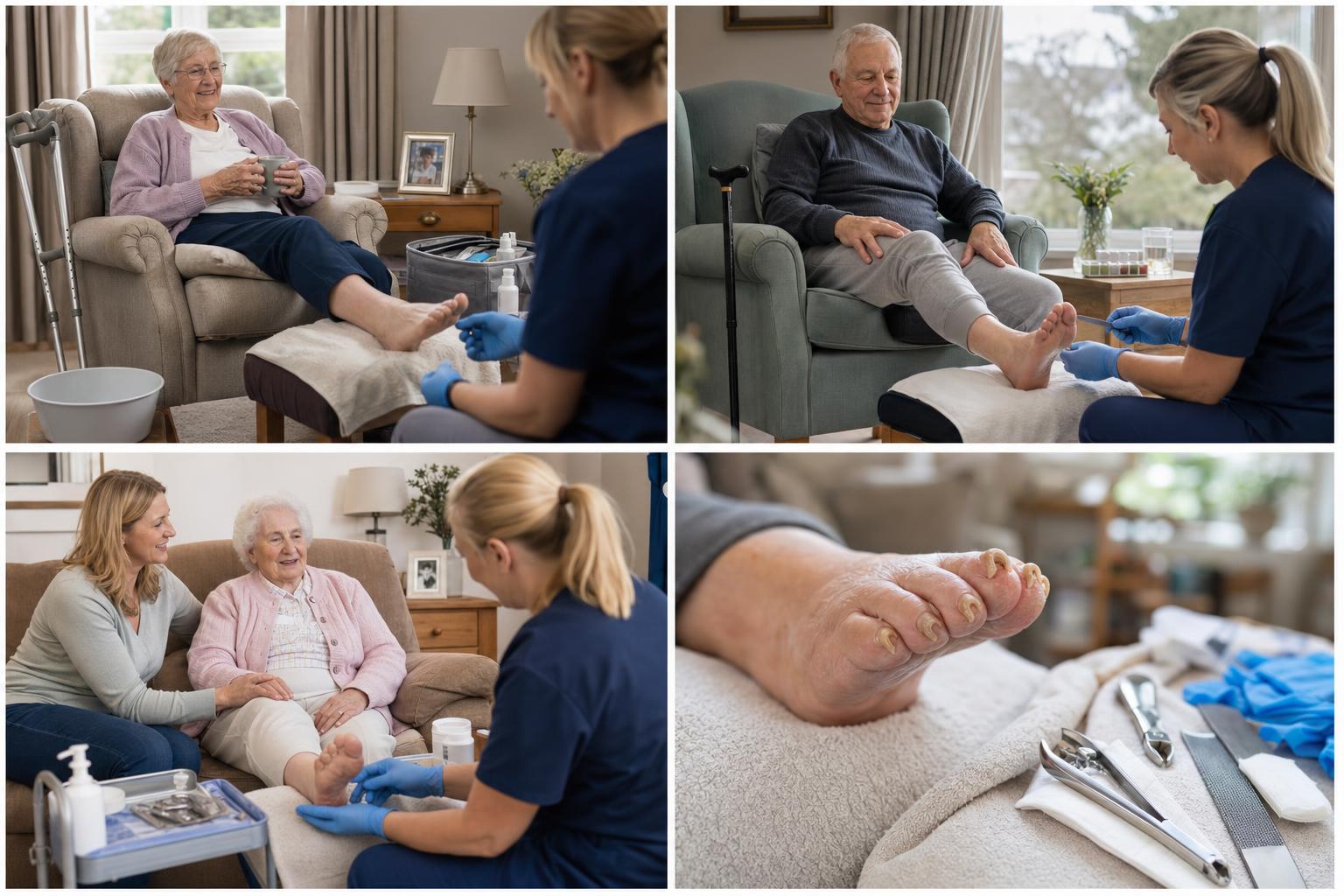
When dementia makes personal care harder, a calm setup and familiar support can make foot care less stressful.
The practical search query this article answers is foot care for dementia patients at home. It is for the family member, partner, neighbour, or carer who can see that toenails, hard skin, shoes, or foot checks are becoming harder, but dementia makes the next step more sensitive.
Why dementia changes ordinary foot care
Foot care can look simple from the outside. For someone living with dementia, it may feel personal, confusing, rushed, or uncomfortable. Alzheimer's Society explains that personal care such as washing and dressing can become difficult because memory, sequencing, perception, privacy, and embarrassment all affect the task. For families, that means routine personal care needs patience, dignity, familiar routines, and enough time.
That matters for feet because nail cutting and foot checks are close, physical, and easy to misunderstand. A person may pull away because the toe hurts, because they are startled, because they do not understand the clippers, or because the task feels too private. The NHS says dementia support should include care planning, home support, and needs assessments when everyday tasks become harder, so foot care can be part of the wider support picture, not a separate embarrassment.
Carers often notice the problem indirectly. Socks catch on nails, shoes are refused, slippers are worn all day, or an older parent becomes upset when anyone looks at their feet. Carers UK describes how arranging care can start with not knowing where to begin or what support is appropriate. That is exactly why a calm, problem-led plan helps.
What to check before anyone cuts nails
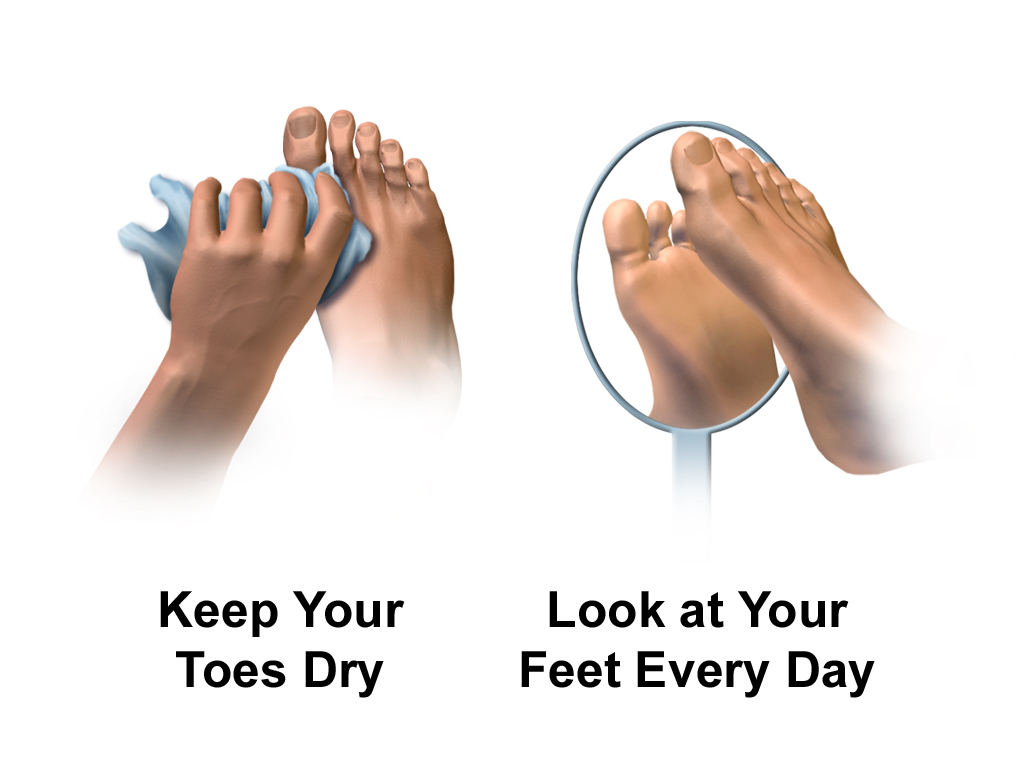
A clear foot check should come before nail cutting, especially when pain may be hard to explain. Photo source
Before cutting, check whether the foot can be seen clearly and whether the person is calm enough to cooperate. Guy's and St Thomas' advises checking the top and bottom of the feet, between the toes, and looking for cuts, scratches, bruises, blisters, wounds, and painful areas. If the person cannot explain pain reliably, the visual check matters even more.
Look at the nails, skin, heels, between the toes, socks, shoes, and how the person walks. The NHS explains that corns and calluses are thick areas of skin that can be tender or painful, and that pressure or rubbing is a common cause. If shoes have become tight, if one toe is rubbed, or if the person is walking differently, pressure may be part of the foot care problem.
If the person has diabetes, poor circulation, reduced feeling, previous ulcers, fragile skin, or a wound, do not treat the foot as routine nail care. Diabetes UK explains that diabetes can damage nerves and blood supply in the feet, which means small foot problems need a lower threshold for professional advice.
How to make foot care calmer
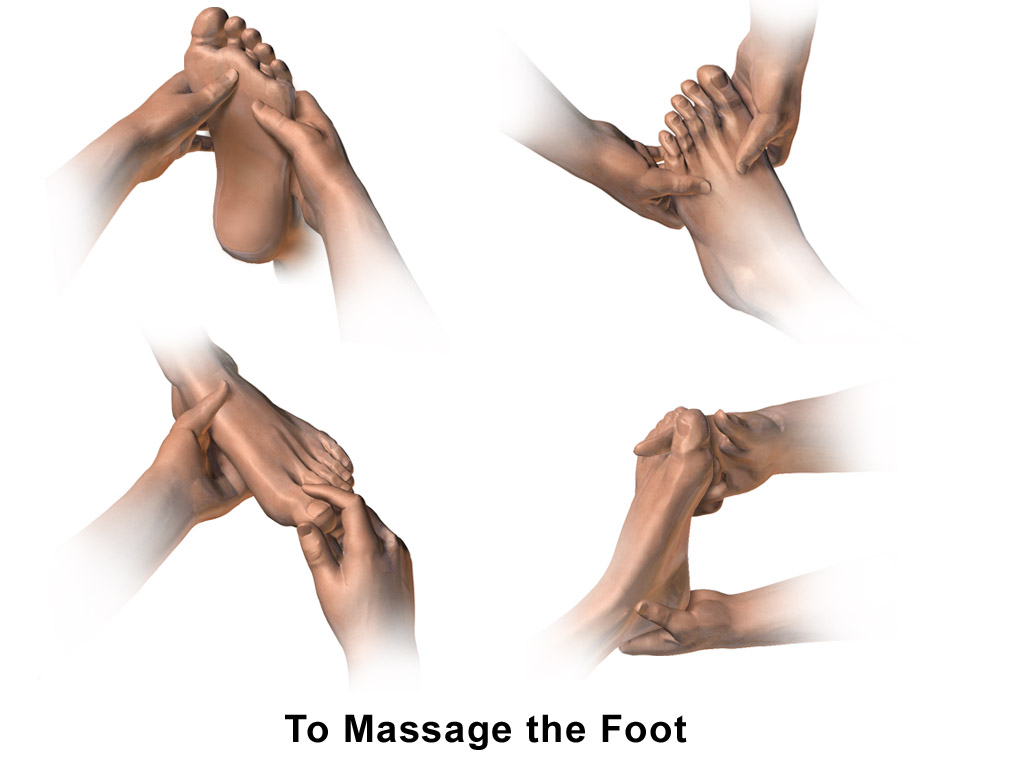
Gentle pacing and clear consent make personal foot care less stressful. Photo source
Use a familiar room, good light, a stable chair, and the time of day when the person is usually most settled. Keep language simple. Offer one step at a time. Instead of saying, "we need to sort your feet", try, "I am going to look at this nail now. Is that okay?" Then pause.
Dementia UK communication guidance supports calm, patient conversation that gives the person time to process what is happening. For foot care, short explanations, reassurance, and watching body language can matter as much as the clippers.
NHS England's Accessible Information Standard is written for NHS and adult social care, but its pattern is useful at home too: identify, record, flag, share, meet, and review communication needs. Families can turn that into a practical note for any home visit: tell the provider what helps the person understand, consent, and stay calm before the visit starts.
When not to cut or self treat
Do not cut nails or hard skin if there is bleeding, pus, spreading redness, heat, sudden swelling, severe pain, broken skin, or a strong change in walking. Do not cut if the person is distressed, pulling away, or unable to sit safely. A delayed appointment is safer than forcing a personal care task.
The NHS warns that corns and calluses should not be self treated by people with diabetes, heart disease, or circulation problems, and that severe pain, bleeding, discharge, or failed home treatment should be checked. For carers, that means blades, acid treatments, and digging at hard skin are not the safe shortcut.
Also stop if the foot problem looks connected to a wider change. New swelling, repeated falls, reduced walking, confusion with pain, or refusing shoes may need GP, NHS podiatry, social care, or urgent advice depending on the signs. Alzheimer's Research UK explains that dementia affects many families and daily life, but not every change should be assumed to be only dementia.
When a home visit helps
A home visit can help when the main problem is access, distress, travel, poor reach, thick nails, or carer worry rather than an emergency foot problem. Age UK describes foot care as useful for older people who cannot look after their feet, including basic toenail cutting and home access when someone is housebound. That makes home-based routine foot care a practical option for some older adults.
For families, the commercial fit is practical rather than pushy. Searches such as home visit foot care, mobile foot care, chiropodist at home, podiatrist at home, and toenail cutting at home usually mean the person needs help without the stress of travel. The visit can happen in the usual chair, with familiar shoes nearby, and with a carer present if that helps.
If foot care is one sign that wider daily support is becoming difficult, GOV.UK explains that a needs assessment can look at help at home, equipment, adaptations, and care needs. A foot care visit can solve a focused problem, while a needs assessment can look at the bigger support picture.
Other long-term conditions can make the same problem more complex. Parkinson's UK notes that foot problems can affect comfort, footwear, and walking. If dementia sits alongside Parkinson's, arthritis, stroke, diabetes, poor eyesight, or reduced mobility, home visit foot care should be planned around the whole person, not just the nails.
How families can prepare
Write down what has changed before the appointment. Useful notes include: which nail or toe is sore, whether shoes are being avoided, whether the person has diabetes or circulation problems, any blood thinning medication, recent falls, anxiety triggers, and whether a carer should stay nearby.
Prepare the room rather than the person. Choose a steady chair, good light, warm socks for afterwards, and enough time so the visit does not feel rushed. If the person has a better time of day, use it. If they are tired, agitated, hungry, or in pain, foot care may need to wait.
For RMFC patients in Surrey, a home visit enquiry may be sensible when the need is routine nail care, hard skin comfort, shoe pressure advice, or foot checks, and travelling to a clinic is part of the difficulty. If there are wounds, infection signs, sudden swelling, severe pain, or urgent medical symptoms, medical advice should come first.
Key Takeaways
- Dementia can make foot care harder because personal care, sequencing, touch, and communication all matter.
- Do not rush toenail cutting if the foot cannot be checked clearly or the person is distressed.
- Stop and seek medical advice for broken skin, infection signs, severe pain, diabetes risk, or sudden changes.
- Home visit foot care can reduce travel stress and make routine nail care more practical.
- Families should share communication needs before the visit so care can be calmer and safer.
Foot care at home when dementia is involved is not only about nails. It is about dignity, timing, communication, safety, and knowing when routine care is enough and when medical advice is safer. If the need is routine foot comfort and travelling to a clinic is part of the problem, Rithik's Mobile Foot Care can help families in Surrey arrange a calmer home visit.
Need Professional Foot Care?
Book a home visit and get expert treatment without leaving your house