
How to Care for an Elderly Parent's Feet at Home
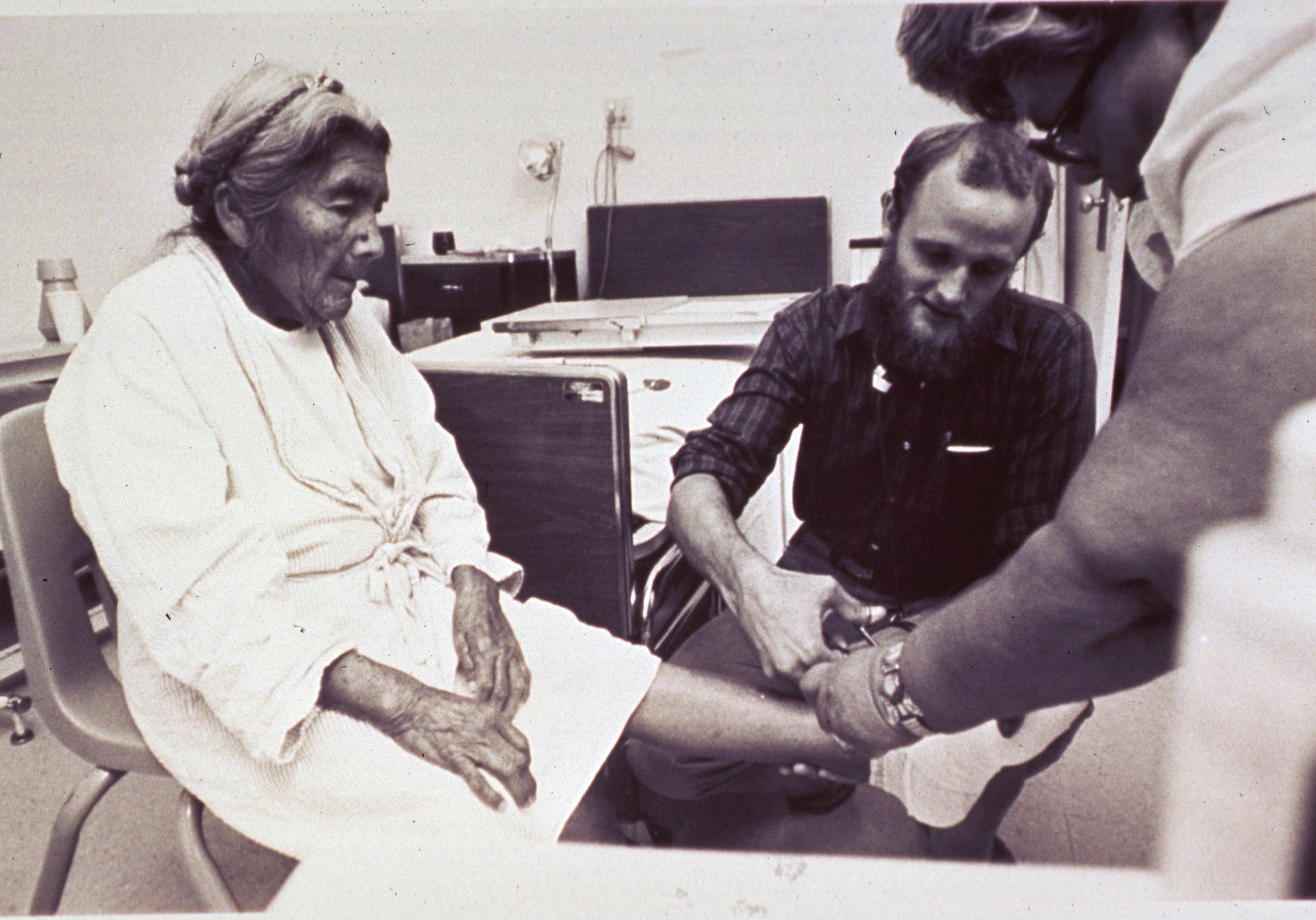
Foot care becomes harder for many older people when bending, eyesight, grip, pain, or travel get in the way. Photo source
The practical search query this article answers is foot care for elderly at home. It is for the son, daughter, partner, neighbour, or carer who has noticed that an older parent’s toenails are getting too long, shoes are becoming uncomfortable, or a small patch of hard skin is starting to affect walking.
Why elderly foot care at home gets missed
Foot care often slips because it looks like a small personal care task until it starts affecting daily life. An older person may not be able to bend safely, may have poorer eyesight, may struggle to grip nail clippers, or may feel embarrassed asking for help. Foot pain and foot problems are common in later life, and foot pain can make walking, stairs, meals, toileting, and balance harder.
Families usually notice the practical signs first. Slippers are worn down unevenly. Shoes are avoided. A parent walks less because nails press into the toe box. Hard skin, corns, cracked heels, or swelling become part of the background. Regular foot checks, comfortable shoes, daily washing, and sensible nail trimming are basic advice, but they are not always easy when the person cannot reach their feet.
Start with what has changed
A useful first step is not to decide straight away whether the person needs a podiatrist, chiropodist, foot health practitioner, GP, or carer. Start by asking what has changed. Are the nails thicker or more curved than before? Is there pain in one shoe? Is walking slower? Has a corn, callus, blister, cut, or sore patch appeared? Is the person avoiding baths, showers, socks, or shoes because feet are difficult to manage?
This matters because the right help depends on risk. Routine nail care and hard skin support are different from wounds, infection, sudden swelling, spreading redness, or a hot painful foot. General NHS foot pain advice points people towards care based on where the foot hurts and when symptoms need medical help. If the change is new, severe, or looks infected, do not treat it as ordinary nail care.
For older people, small problems can have a bigger effect than expected. Ageing feet can be affected by thinner skin, reduced padding, changes in circulation, arthritis, and nail changes. That is why a calm check at home can be so useful. It separates everyday maintenance from problems that need medical advice.
What to check before cutting nails

Before cutting nails, check comfort, skin condition, circulation concerns, and whether the person can feel pressure normally. Photo source
Long nails are often the reason families search for foot care at home, but cutting should not be the first action if the feet have warning signs. Check the skin between the toes, the heels, the sides of the nails, the ball of the foot, and any pressure areas. Look for cracks, discharge, bleeding, soft white skin between the toes, new bruising, redness, heat, or swelling.
Diabetes needs extra care. NHS diabetic foot guidance says people should seek urgent advice for a hot red swollen foot, new skin damage, a change in foot shape, or new pain. Diabetes UK also advises daily checks and explains that people should not ignore cuts, blisters, redness, swelling, heat, or changes in feeling. If diabetes is involved and you are unsure, choose caution.
Professional diabetes checks are different from routine home nail care. NICE explains that a diabetes foot check looks at skin, hard skin, infection, foot shape, footwear, feeling, and blood flow. Nursing guidance uses a practical ask, look, and feel approach for new colour, temperature, pain, blisters, cuts, cracks, or nail problems. A home visit can support routine comfort, but it should not replace urgent medical care when risk signs appear.
When home visit foot care makes sense
Home visit foot care is most useful when the main barrier is access. The person may be housebound, use a walking aid, rely on family lifts, feel anxious about travelling, or find clinic steps, parking, and waiting rooms too much. The search is not always about a complex medical problem. Often it is about making safe routine care possible again.
National services recognise that older people may need practical help with feet. Age UK describes foot care and podiatry services for older people, including support where local services are available, because looking after feet can become difficult in later life. The NHS also has a service finder for podiatrists and chiropodists when someone needs to understand local options.
For RMFC patients, the home visit value is practical. Rithik can assess routine foot care needs in the person’s own setting, help with nails and common comfort problems within scope, explain what to monitor, and advise when a GP, NHS podiatry service, or urgent care route is more appropriate. That is especially helpful for families trying to organise care from a distance.
What families and carers can safely do
Families can help a lot without trying to become clinicians. Keep feet clean and dry, especially between the toes. Make sure socks are not tight or wrinkled. Check that shoes are not rubbing, too narrow, or worn down on one side. The CDC’s diabetes foot care tips include checking feet every day, wearing well fitting shoes, trimming nails straight across, and not trying to remove corns or calluses yourself. Those principles are useful for many older adults, not just people with diabetes.
If you are providing regular care, build foot checks into an existing routine instead of making them feel like an inspection. A quick look when changing socks is often easier than a formal appointment. Carers UK explains how a needs assessment can look at the support someone needs with daily living, and families can ask for care needs to be assessed when daily tasks are becoming difficult.
For someone living with dementia, Parkinson’s, arthritis, poor eyesight, or reduced mobility, the task may need more patience and planning. Alzheimer’s Society guidance on washing and dressing shows how personal care can become harder when someone has dementia, and it recommends respect, routine, reassurance, and adapting support to the person. Parkinson’s UK also notes that foot problems can affect comfort, footwear, and walking. The same principle applies to foot care: make it calm, predictable, and respectful.
When not to manage it yourself
Do not cut, dig, file aggressively, or apply corn plasters if there is diabetes, poor circulation, reduced feeling, bleeding, broken skin, or infection risk. Do not try to remove corns or callus with blades at home. Do not keep trimming a painful nail corner if the toe is red, swollen, weeping, or increasingly painful. These are times to stop and ask for appropriate medical or professional advice.
Arthritis can also make foot care more complex because pain, stiffness, and toe shape changes may affect footwear and walking. Versus Arthritis has advice on foot and ankle pain linked to arthritis, while general foot care still needs to be gentle and realistic. If pain is changing how someone walks, it is worth taking seriously.
The safest family rule is simple. If it looks routine, keep it gentle and arrange suitable foot care. If it looks new, open, infected, suddenly painful, or linked to diabetes risk, get medical advice first. That protects the older person and prevents routine home foot care being asked to do the wrong job.
How to prepare for a home foot care visit
A little preparation helps the appointment run smoothly. Have a chair with good support, a clean towel, good light, and the person’s usual shoes and socks nearby. If relevant, make a note of diabetes, blood thinning medication, recent falls, circulation problems, wounds, infections, allergies, or recent hospital care. If a family member books the visit, share the main concern clearly: nails too long, hard skin, pain in shoes, difficulty travelling, or worry about a specific change.
It also helps to ask what outcome matters most. For one person it may be walking to the kitchen more comfortably. For another it may be safe nail care without a stressful trip to clinic. For a family carer, it may be knowing whether a problem is routine or needs another route. Clear expectations make the visit more useful.
If you are in Surrey and the main problem is routine foot care becoming difficult at home, booking a home visit with Rithik’s Mobile Foot Care can be a practical next step. If the problem looks urgent or medical, contact the person’s GP, NHS 111, or the relevant diabetes foot care team first.
Key Takeaways
- Foot care for elderly parents is often missed because bending, eyesight, grip, pain, and travel become harder.
- Check what has changed before cutting nails, especially if there is diabetes, reduced feeling, swelling, redness, or broken skin.
- Home visit foot care is useful when routine care is needed but getting to a clinic is the main barrier.
- Families can help with gentle checks, clean dry feet, suitable socks and shoes, and clear notes about changes.
- Do not manage wounds, infection signs, sudden pain, or higher risk diabetic foot changes as ordinary foot care.
If you are worried about an older parent’s feet, start with a calm check and a clear question: is this routine care that has become difficult, or is there a new risk sign that needs medical advice? Once that is clear, home visit foot care can make routine nail and comfort care easier, safer, and less stressful for everyone involved.
Need Professional Foot Care?
Book a home visit and get expert treatment without leaving your house