
When Wheelchair Users Need Foot Care
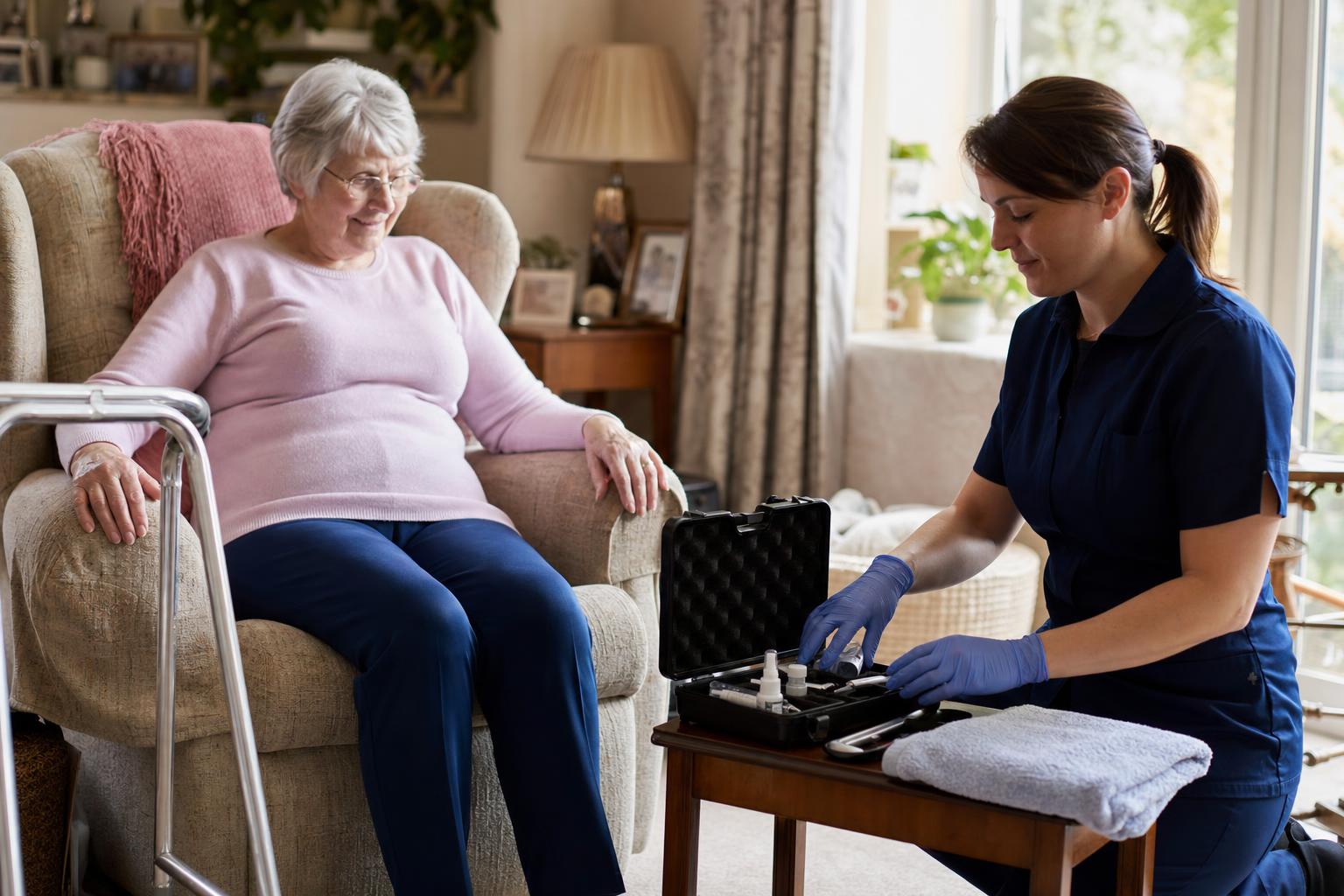
For wheelchair users, clear space, stable positioning, and accessible footwear make foot care easier and safer.
The practical search query this article answers is foot care for wheelchair users at home. It is for a wheelchair user, carer, partner, or adult child who can see that toenails, hard skin, shoe pressure, or foot checks need attention, but transfers, reach, fatigue, pain, or travel make ordinary foot care difficult.
Why wheelchair users can miss foot problems
The problem is often simple: the feet are harder to see, reach, wash, dry, and check. A wheelchair user may spend long periods seated, may rely on someone else for socks or shoes, or may not notice a nail edge, hard skin patch, swelling, or pressure mark until shoes become uncomfortable.
Age UK describes foot care as important in later life because it can reduce pain, lower infection risk, and reduce falls risk, and says some foot care services can be accessed at home when someone is housebound. That same access logic matters for many wheelchair users, even when the person is not housebound all the time.
The commercial reason this topic matters for RMFC is direct. Searches around foot care for disabled people at home, home visit foot care, mobile foot care, chiropodist at home, podiatrist at home, and toenail cutting at home usually come from someone trying to solve a practical access problem, not someone casually browsing foot health advice.
What to check before cutting toenails
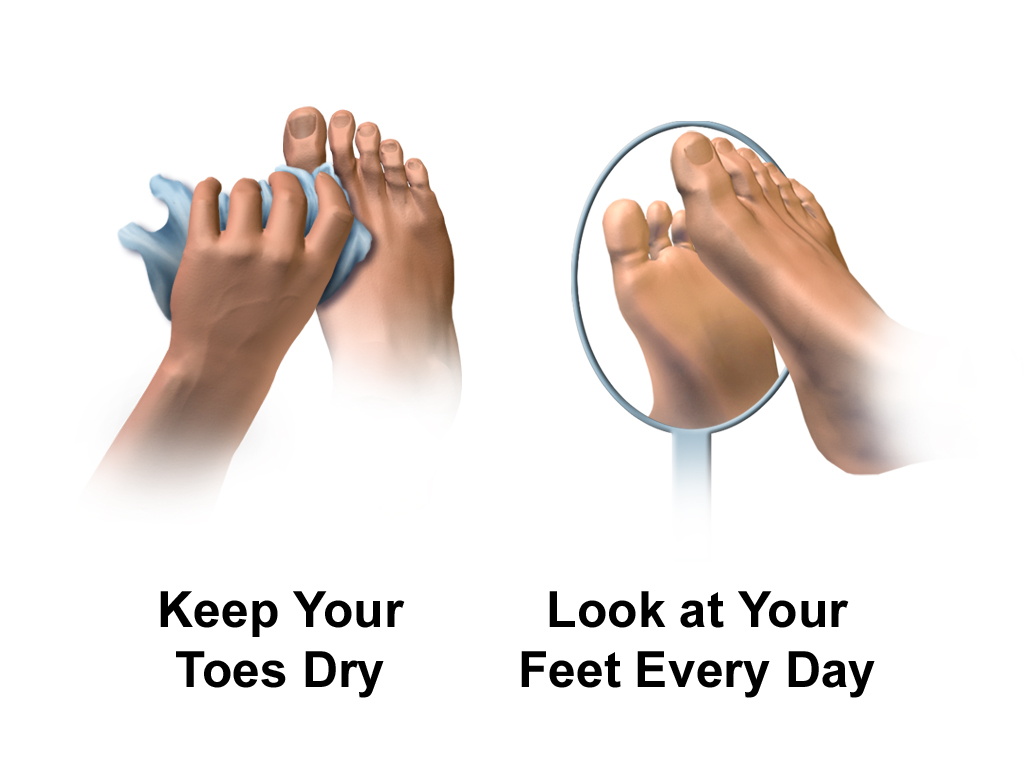
A clear foot check should come before nail cutting, especially when the sole, heel, or toe spaces are hard to see. Photo source
Before cutting toenails, check the toes, nails, heels, soles, between the toes, the edge of each foot, and anywhere socks, slippers, footplates, shoes, or straps press. Look for broken skin, redness, heat, swelling, discharge, bleeding, colour change, new pain, blisters, hard skin, or a nail digging into nearby skin.
The Royal College of Podiatry explains that routine foot care includes keeping toenails under control, checking feet regularly, moisturising dry skin, and choosing footwear that supports the foot properly. It also notes that long nails can press against shoes and cause soreness, infection, or ulceration, so delayed nail care can become more than a grooming issue.
If diabetes is involved, the threshold for caution is lower. Diabetes UK explains that diabetes can affect nerves and blood supply in the feet, meaning cuts and sores may be missed or may heal less well. For a wheelchair user or carer, any new sore, swelling, loss of feeling, or walking becoming harder should be taken seriously.
Pressure marks need a different response
A wheelchair user may have pressure from footwear, footplates, seams, straps, cushions, swelling, or one position being held for a long time. This is not the same as an ordinary long toenail. If there is a red, purple, blue, warm, hard, spongy, painful, itchy, blistered, or broken area, do not treat it as routine foot care.
NHS guidance says pressure ulcers are areas of skin and tissue damage, are more likely when someone has difficulty moving, and often form on bony areas including the heels. It advises daily skin checks for people being cared for at home, and says to seek help if a pressure ulcer may be developing.
That matters because a painful heel, rubbed toe, or mark from a shoe is not always a small nuisance. It can be a sign that seating, footwear, swelling, transfer routines, or skin care need review. A home foot care visit may help with routine nails, hard skin, and comfort checks, but suspected pressure damage needs medical or nursing advice first.
When home trimming is not safe
Do not cut nails, dig at hard skin, use blades, or apply acid corn treatments if the foot has broken skin, infection signs, severe pain, sudden swelling, colour change, bleeding, discharge, a new blister, or a wound. Do not cut if the person cannot sit safely, keep the foot steady, or tolerate the position needed.
Falls guidance is relevant even for wheelchair users because transfers, leaning, and reaching can still be risky. The NHS advises people not to do difficult lifting or reaching tasks and to ask for help instead. In foot care terms, not reaching dangerously is part of safer care.
Equipment can help with daily living, but it has limits. Living Made Easy describes its role as impartial advice on aids, devices, and equipment for independent living. For foot care, tools still need to match the person’s reach, grip, sight, balance, and skin risk. Long handled aids may help with washing or inspection, but they do not make forceful clipping safe.
How to make a home visit easier
Prepare the room before the appointment if possible. Choose a position where the person is stable, warm, comfortable, and not rushed. Make sure there is enough light, space for the practitioner to work, and a safe place for shoes, socks, dressings, medications, and any diabetes or blood thinner information.
If the person uses a wheelchair full time, note whether they can transfer safely or whether care should be planned around the chair they usually use. Keep the everyday shoes and slippers nearby because they often explain toe pressure, heel rubbing, swelling marks, or why nails are catching.
Carers UK explains that a needs assessment can look at what support someone needs with daily life and that carers can ask for support too. If foot care is only one part of a wider problem with washing, dressing, transfers, equipment, or leaving home, asking for wider support can be sensible. GOV.UK also explains that a social care needs assessment can consider healthcare, equipment, help at home, and adaptations.
Choosing the right type of help
The right help depends on the problem. Routine toenail cutting, thick nail care, hard skin, corn or callus discomfort, and shoe pressure checks may fit home visit foot care when the skin is intact and the issue is suitable. A wound, suspected pressure ulcer, infection sign, sudden swelling, severe pain, or high risk diabetes concern should go to a GP, NHS 111, community nurse, NHS podiatry route, or foot protection team as appropriate.
If someone describes themselves as a podiatrist or chiropodist, the HCPC register is the place to check regulated professional status. The register lists health and care professionals who meet standards for training, skills, behaviour, and health, so checking registration is a useful trust step when that title matters to the decision.
For RMFC patients in Surrey, a home visit can help when wheelchair use, disability, reduced mobility, or carer worry makes routine foot care difficult to manage safely. The aim is not to turn every foot concern into a treatment appointment. It is to make the next step clearer: routine care at home where suitable, and medical advice first where the signs are not routine.
Key Takeaways
- Wheelchair users may need foot care because the feet are harder to see, reach, and check safely.
- Pressure marks, wounds, infection signs, severe pain, sudden swelling, or colour change should be checked medically before routine foot care.
- Home visit foot care can help with suitable routine nail, hard skin, and comfort problems when travel or transfers make clinic care difficult.
- If diabetes, poor circulation, reduced feeling, or previous foot ulcers are involved, do not guess with cutting, blades, or acid treatments.
- A calm setup, good light, everyday footwear, and clear health details make a home visit safer and more useful.
Foot care for wheelchair users at home should start with the practical problem: can the person see, reach, protect, and care for their feet safely? If the issue is routine but access is difficult, home visit foot care can be a calm next step. If there is broken skin, pressure damage, infection concern, sudden change, severe pain, or higher risk diabetes history, medical advice should come first.
Need Professional Foot Care?
Book a home visit and get expert treatment without leaving your house