
When Housebound Adults Need Foot Care

Home visits can make routine care more realistic when travel, standing, or clinic appointments are difficult. Photo source
The practical search query this article answers is foot care for housebound adults at home. It is for an older adult, carer, or family member who knows the feet need attention, but travel to a clinic is difficult, tiring, unsafe, or simply no longer realistic.
Why housebound feet become a bigger problem
Being housebound changes ordinary foot care. Toenails may become too thick to cut, hard skin may build up, shoes may start rubbing, and small changes can be missed because the person cannot easily bend, see the sole, or visit a clinic. The problem is not always dramatic. It is often the slow build up of discomfort that makes walking indoors, washing, dressing, and sleeping harder.
Age UK says foot care in later life can help reduce pain, reduce infection risk, and lower falls risk, and that some services may be available at home if someone is housebound. That makes home visit foot care a practical access issue, not a luxury.
Foot problems also matter because they affect daily independence. Health in Aging notes that foot pain and foot disorders are common in older people and can make it harder to walk, climb stairs, prepare meals, get out of a chair, or use the toilet. If routine foot care is being delayed because travel is too difficult, the delay can affect much more than the feet.
What to check before routine care
Before booking or helping with nail cutting, look at the whole foot if it is safe to do so. Check the toes, nails, heels, soles, between the toes, and any areas where socks, slippers, or shoes press. Notice broken skin, redness, heat, swelling, discharge, bleeding, colour change, new pain, or skin that looks shiny, damp, cracked, or fragile.
Nail problems are common with age, but force is not the answer. The NHS says nails can become thicker or more brittle as people get older, and advises seeing a podiatrist if toenails are too tough to cut or cannot be reached. That is a useful boundary for families because a rushed cut can turn a routine job into a sore toe.
If diabetes is involved, the checking step needs extra care. The CDC advises people with diabetes to check feet every day for cuts, redness, swelling, sores, blisters, corns, calluses, or nail changes, and to use a mirror or ask a family member if the sole is hard to see. For a housebound adult, needing help to see the feet is itself a reason to organise safer support.
When medical advice should come first
Home visit foot care is for routine and appropriate foot care. It should not replace medical advice when the foot looks infected, wounded, suddenly swollen, unusually painful, or unsafe to treat. If there is an open sore, spreading redness, warmth, discharge, black or blue colour change, a new blister in a high risk foot, sudden severe pain, or a fall with injury, get medical help first.
Diabetes UK explains that diabetes can damage nerves and blood vessels in the feet, which means cuts, sores, swelling, loss of feeling, or walking becoming more difficult should be taken seriously. It advises people to seek help if they notice symptoms of a diabetes related foot problem, because small foot changes can become serious when feeling or healing is affected.
NICE guidance describes diabetic foot care as a pathway with foot protection services and multidisciplinary foot care services for the right level of risk. The Royal College of Podiatry also explains that diabetes can affect nerves, blood flow, healing, and infection risk. Together, they support a simple rule for families: if there is a wound, infection worry, reduced feeling, or known high risk diabetes history, the right clinical pathway matters and routine hard skin or nail care should not be guessed at.
Home visit or clinic appointment
The useful question is not only whether the person needs foot care. It is whether they can realistically get to the right foot care without making the day harder or riskier. A clinic may be suitable for some people. A home visit may be the better fit when stairs, transfers, fatigue, anxiety, wheelchair access, transport, caring responsibilities, or pain make travel difficult.
This is why people often search for home visit foot care, mobile foot care, podiatrist at home, chiropodist at home, or toenail cutting at home. They are not just comparing appointment types. They are trying to solve an access problem around everyday comfort and mobility.
If the person is struggling with more than foot care, it may also be worth asking for wider support. GOV.UK explains that a needs assessment can look at help such as healthcare, equipment, help at home, or adaptations. Carers UK adds that anyone who appears to need care and support can request an assessment, and that it can usually happen at home. For families, foot care may be one sign that more practical help is needed, and carers can ask for support too.
How to prepare the room
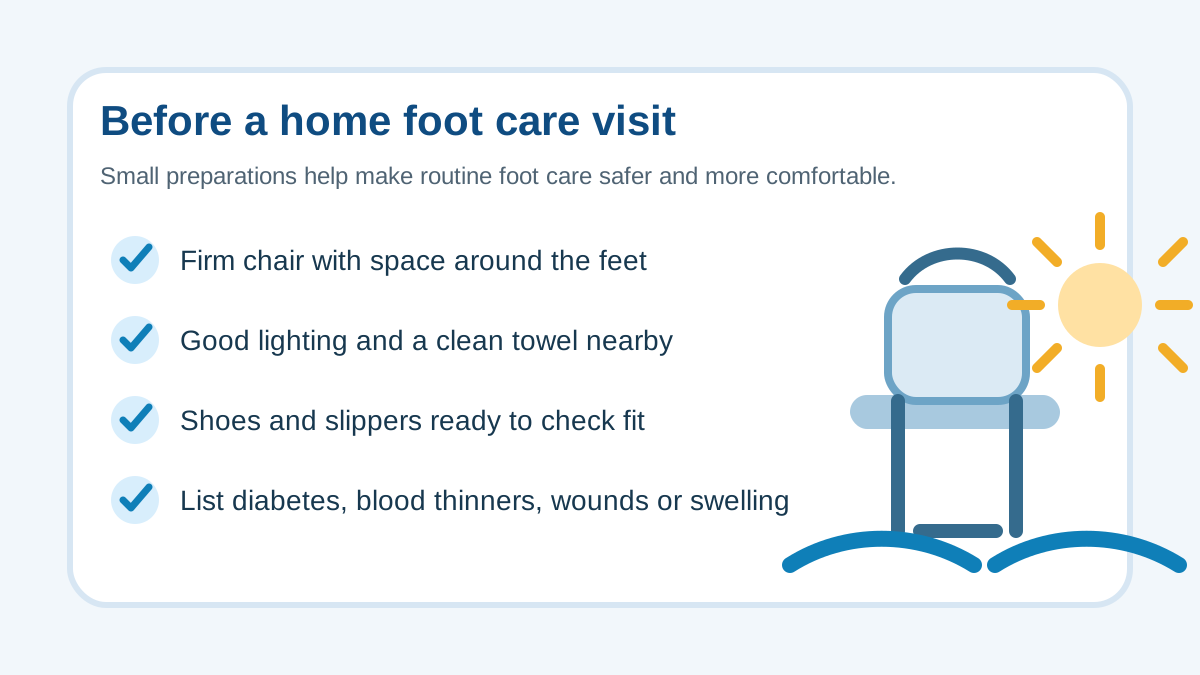
A firm chair, good lighting, shoes, and key health details can make a home foot care visit smoother.
A home visit is still an appointment, so the setup matters. Choose a firm chair where the person can sit comfortably with both feet supported. Make sure there is enough light, space for the practitioner to work, and a clean towel or foot rest if requested. Keep shoes, slippers, socks, dressings, medication details, and any diabetes or blood thinner information nearby.
Avoid rushing the person across the room or asking them to balance awkwardly. NHS falls advice tells people at risk of falls to take balance and mobility seriously and to seek help if they are worried about either. In practical terms, foot care should be arranged so the person does not need to reach dangerously, hurry, or stand longer than they can manage. Preventing a fall is part of safer foot care.
Some conditions make setup even more important. Parkinson's UK notes that foot and ankle stiffness, changes in walking, balance difficulty, swelling, and trouble fitting shoes can affect people with Parkinson's. If movement is slow or unpredictable, a calm seated setup can help the appointment stay manageable.
How to choose the right help
Choose a service that is clear about what it can treat, what it cannot treat, and when it will advise medical review. Good home visit foot care should not promise to solve wounds, infection, sudden swelling, or high risk diabetic foot problems as if they were ordinary nail care.
It is also sensible to check professional status where the person claims to be a regulated professional. The HCPC says its register lists health and care professionals who meet standards for training, professional skills, behaviour, and health. If you are specifically looking for an HCPC registered podiatrist, checking the register is a practical trust step.
For RMFC, the commercial reason this topic matters is direct. A housebound adult may need routine nail care, hard skin reduction, shoe comfort advice, or a careful foot check, but the real buying trigger is access. If you are in Surrey and the problem is routine rather than urgent, you can ask whether home visit foot care is suitable. If there is broken skin, infection concern, sudden change, severe pain, or high risk diabetes history, contact your GP, NHS 111, or the relevant NHS foot team first.
Key Takeaways
- Housebound adults often need foot care because access to a clinic is the problem, not because the foot issue is unusual.
- Toenails that are too tough to cut or feet that cannot be reached safely are a sensible reason to ask for professional help.
- Broken skin, infection signs, sudden swelling, severe pain, colour change, wounds, or high risk diabetes should be checked medically first.
- A home visit is most useful when routine foot care and reduced mobility are happening together.
- Prepare a safe seated space, good lighting, shoes, health details, and enough time so the visit does not create a fall risk.
Housebound foot care is really about dignity, safety, and access. If routine nail or skin care is being delayed because travel is too difficult, a home visit can be the most practical way to keep feet comfortable. The safer approach is to check for warning signs first, choose the right level of help, and avoid forcing a routine appointment to do the job of medical care.
Need Professional Foot Care?
Book a home visit and get expert treatment without leaving your house