
Foot Care After Stroke When Reaching Is Hard
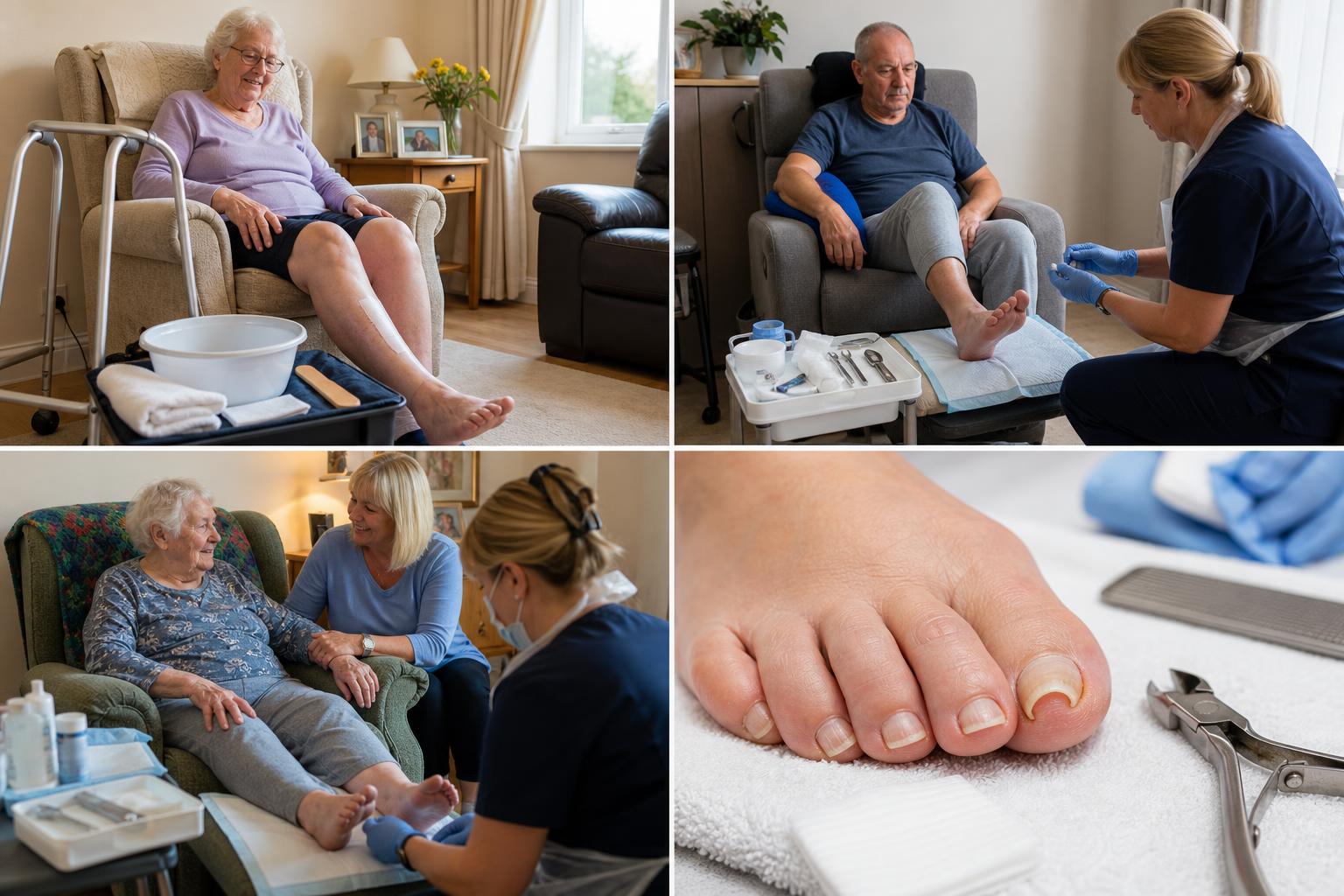
After a stroke, reach, sensation, balance, and safe positioning can all affect routine foot care at home.
The practical search query this article answers is foot care after stroke at home. It is for the stroke survivor, partner, adult child, or carer who can see that toenails, skin checks, shoes, or foot comfort need attention, but one sided weakness, fatigue, balance, grip, or travel makes ordinary foot care harder.
Why stroke changes routine foot care
A stroke can change foot care even when the feet themselves are not the main medical problem. The NHS explains that recovery can involve physical and mental changes, a home recovery plan, therapy, exercises, and adaptations at home. In daily life, that can make everyday care tasks harder to manage safely, including reaching the feet, holding clippers, or checking the skin clearly.
NICE stroke rehabilitation guidance frames recovery as whole-person support in hospital and in the community. Foot care belongs inside that practical picture. If a person is relearning movement, managing weakness, or trying to avoid falls, toenail cutting is no longer just grooming.
For families, the warning sign is usually ordinary. Socks catch. A shoe is refused. The person starts wearing slippers all day. A nail becomes too thick to cut. A heel or toe cannot be checked properly. The commercial reason this topic matters for RMFC is direct: searches around home visit foot care, mobile foot care, podiatrist at home, chiropodist at home and toenail cutting at home often come from families trying to solve an access problem, not from people browsing general health advice.
What to check before nail cutting
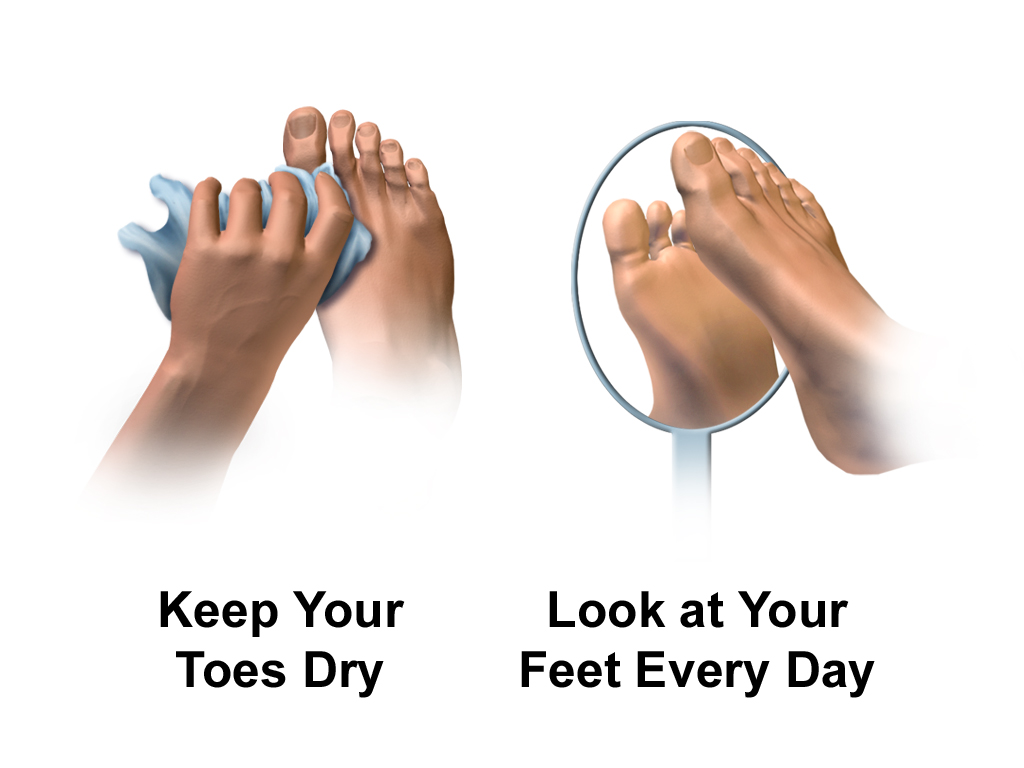
A clear foot check should come before toenail cutting, especially when one side is harder to see or feel. Photo source
Before anyone cuts toenails after a stroke, check whether the foot can be seen clearly, held comfortably, and kept still without strain. NHS nail guidance says nails can become thicker or more brittle with age, and advises seeing a podiatrist if toenails are too tough to cut or cannot be reached. That boundary matters after stroke because forcing clippers through a thick nail can create a sore toe or skin cut.
Check the top of the foot, sole, heel, between the toes, around the nails, socks, slippers, shoes, and how the person walks. The CDC diabetes foot care checklist is written for diabetes, but the pattern is useful for many carers: look for cuts, redness, swelling, sores, blisters, corns, calluses, and nail changes. If the person cannot inspect one side well after stroke, needing help to see the feet is itself part of the care plan.
If diabetes, poor circulation, reduced feeling, previous ulcers, or fragile skin are also present, lower the threshold for professional or medical advice. Diabetes UK explains that diabetes can affect nerves and blood supply in the feet, so small injuries may be harder to notice or slower to heal. After stroke, that risk can be easier to miss because weakness, fatigue, or communication changes may hide foot discomfort.
Make the setup safer first
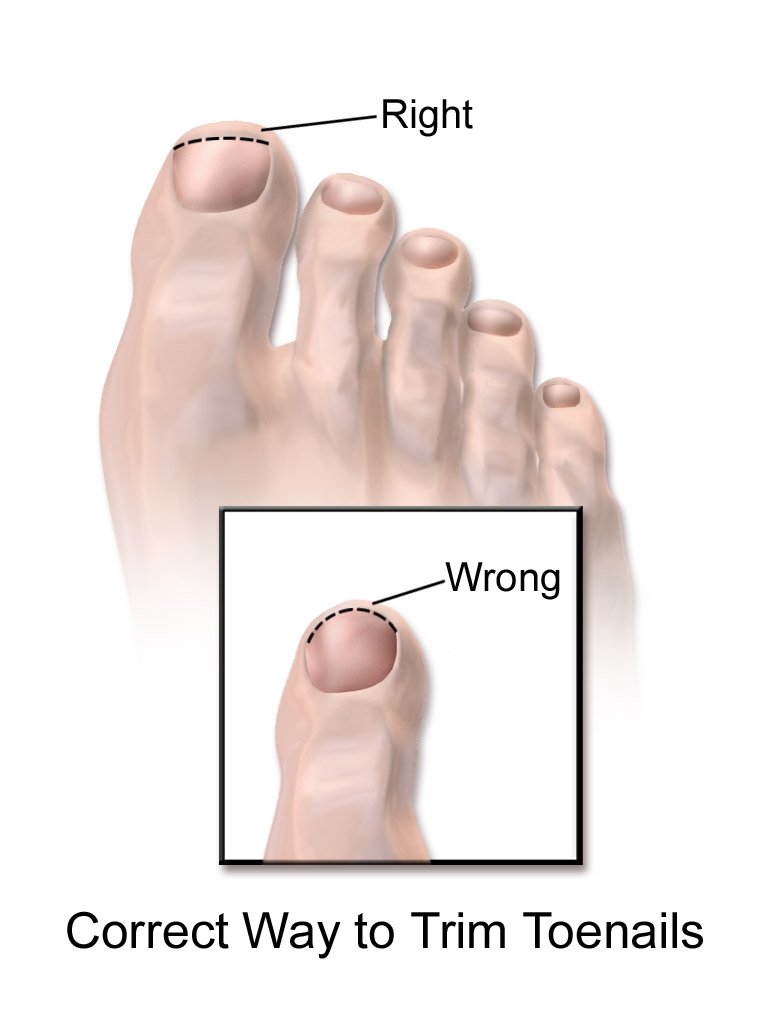
Straight, controlled trimming matters, but only when the person can sit safely and the nail can be seen clearly. Photo source
The safest foot care setup is calm, well lit, seated, and unhurried. Use a stable chair, support the leg, keep the foot at a comfortable height, and stop if the person has to twist, lean, hold their breath, or grip the chair to stay balanced. NHS falls guidance is relevant because bending to reach feet can become a fall risk when balance or strength has changed.
Small adaptations can help, but they do not make every task safe. Living Made Easy helps people find useful equipment when everyday activities become harder. For foot care, that might mean thinking about lighting, seating, long handled aids, mirrors, socks, and shoe routines. Clippers still need good control and clear sight.
Carers UK describes how arranging care can feel difficult when families are not sure where to begin. A simple written note helps: what side is weaker, whether the person gets tired quickly, whether communication is affected, which chair works best, what footwear is usually worn, and whether there are diabetes or circulation concerns. Clear support planning can make a home visit smoother and safer.
When not to cut or self treat
Do not cut toenails or hard skin if there is bleeding, pus, spreading redness, heat, sudden swelling, severe pain, broken skin, a new wound, or a strong change in walking. Do not cut if the person is unsteady, distressed, too tired, or cannot keep the foot still. Waiting for the right help is safer than turning a routine task into an injury.
Avoid blades, digging at corners, and acid corn treatments when risk is unclear. NHS nail guidance advises not cutting down the edges of nails and trimming straight across to help avoid ingrown toenails. If the nail edge is already painful, curved into skin, or hidden by swelling, home trimming is the wrong place to start.
Stroke can also sit alongside other conditions. Arthritis may affect grip. Diabetes may affect feeling. Poor eyesight may make the foot hard to inspect. Foot problems can affect everyday movement, walking, stairs, meals, chairs, and toileting. That is why foot pain after stroke should be treated as a mobility and independence issue, not a cosmetic detail.
When a home visit helps
A home visit can help when the problem is routine foot care, but clinic travel or self care is difficult. That might mean thick toenails, nails catching on socks, hard skin discomfort, shoe pressure, poor reach, weaker grip, reduced balance, fatigue, or a carer who is worried about cutting skin.
Age UK describes foot care for older people as helping reduce pain, infection risk, and falls risk, with some services available at home if someone is housebound. The Royal College of Podiatry also links foot pain with walking, exercise, mobility, and day to day activity as people get older. For a stroke survivor, the value of foot care is often comfort, safer movement, and reduced travel strain, supported by routine attention to ageing feet and mobility.
A home visit is not a replacement for urgent medical care, stroke rehabilitation, GP advice, or NHS podiatry when there are warning signs. It is best suited to practical, non emergency foot care where the main barrier is access, mobility, reach, or confidence. If wider support is needed, a needs assessment can look at help at home, equipment, adaptations, and care needs.
For RMFC patients in Surrey, a home visit enquiry may be sensible when foot care after stroke is routine but difficult to manage safely. If there is broken skin, infection concern, sudden swelling, severe pain, diabetes with a new foot problem, or any worrying change, seek medical advice first.
Key Takeaways
- After stroke, toenail cutting can become risky because of weakness, balance, fatigue, grip, sight, communication, or reduced feeling.
- Check the whole foot before cutting, including skin, nails, heels, between toes, shoes, socks, and walking comfort.
- Do not force clippers through thick nails or dig down nail edges.
- Stop and seek medical advice for broken skin, spreading redness, pus, sudden swelling, severe pain, or diabetes related concerns.
- Home visit foot care can help when the issue is routine but travel, reach, or self care is difficult.
Foot care after stroke should start with the real problem: can the person see, reach, balance, grip, and tolerate the task safely today? If not, pushing through can create a sore toe, a cut, or a fall risk. A calm home setup, careful checks, and the right help can make routine foot care safer and less stressful.
Need Professional Foot Care?
Book a home visit and get expert treatment without leaving your house