
Yellow Thick Toenails: What to Check
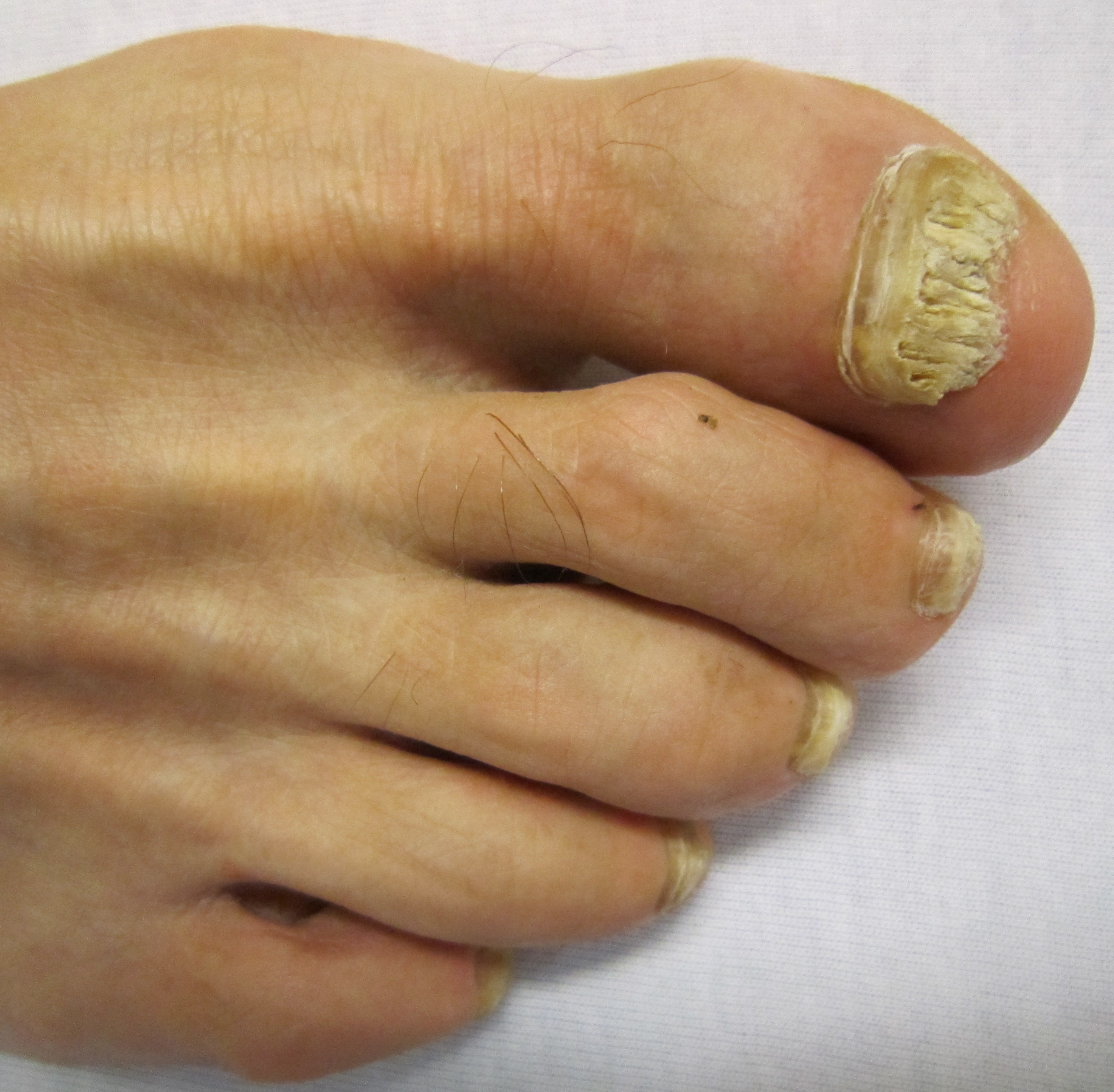
A yellow, thick, or crumbly nail is worth checking before anyone struggles with clippers. Photo source
The practical search query this article answers is yellow thick toenails elderly UK. It is for an older adult, family member, or carer who has noticed a toenail becoming yellow, thick, crumbly, smelly, painful, or difficult to cut. This article belongs to the pillar Nail care and painful nail problems.
Why yellow thick toenails need a closer look
A toenail that turns yellow and thick can be easy to dismiss as age, but the change often has a practical effect. The nail may become harder to trim, catch on socks, press into shoes, crumble at the edge, or make someone avoid showing their feet. The NHS explains that fungal nail infections often start at the nail edge and can make the nail thicker, white or yellow, brittle, and crumbly.
That does not mean every yellow nail is definitely fungal. Pressure from shoes, nail trauma, psoriasis, circulation problems, and normal nail thickening can all confuse the picture. The safest first step is to look for change over time, discomfort, skin breaks, and whether the nail has become too hard or awkward to manage at home.
For RMFC, this matters commercially because the searcher is often near a booking decision. Phrases such as thick yellow toenails, fungal toenail treatment home visit, mobile foot care, chiropodist at home, podiatrist at home, and toenail cutting at home usually come from someone who wants safer nail care without forcing a clinic trip.
What the changes can mean
Fungal nail infection is one common possibility. Mayo Clinic describes nail fungus as starting as a white or yellow brown spot that can lead to a nail becoming discoloured, thickened, crumbly, misshapen, separated from the nail bed, or smelly. DermNet also lists onychomycosis as a fungal infection of the nail and notes that clinical features can vary by type and severity.
The important home care point is not to diagnose it from colour alone. A yellow nail that is painless, stable, and only mildly thickened may be monitored and managed carefully. A nail that is rapidly changing, painful, lifting, bleeding, surrounded by swollen skin, or affecting walking needs more caution.
The practical point is to check the nail and the skin around it together, not just the visible colour. Look for soreness, lifting, trapped debris, rubbing, redness, swelling, or discharge before deciding whether routine trimming is sensible.
When not to cut the nail yourself
Do not dig down the side of the nail, cut into corners you cannot see, or use strong clippers if the person has poor eyesight, shaky hands, numb feet, poor circulation, diabetes, bleeding risk, or reduced mobility. A small cut can be more serious when healing is slower or sensation is reduced.
Diabetes UK advises regular foot checks, careful nail cutting, well fitting footwear, moisturising, avoiding blades or corn plasters, and getting expert advice. That means diabetes should lower the threshold for asking for help, especially if a yellow thick nail is also painful, loose, or difficult to trim.
NICE diabetic foot guidance sets out the need for foot protection services and multidisciplinary support when diabetic foot problems need specialist management. In plain family terms, a wound, spreading redness, heat, swelling, discharge, sudden colour change, severe pain, numbness, or new ulcer concern should be checked medically before routine nail care.
What to check at home first
If it is safe, look at both feet in good light. Check whether one nail or several nails have changed. Look for thickness, crumbling, lifting, smell, pain, broken skin, redness, swelling, discharge, pressure from shoes, and whether the person is walking differently. Do not force the foot into a painful position just to inspect it.
Age UK says foot care in later life can reduce pain and infection risk, and that foot care services can help older people who are unable to look after their own feet. It also notes that some services may be accessed at home if someone is housebound. That is a useful reminder that needing help with toenails is a practical support need, not a failure.
Health in Aging explains that foot pain in later life can make walking, stairs, getting out of a chair, preparing meals, and using the toilet harder. If a thick yellow toenail is changing how someone walks, it has become a mobility issue as well as a nail issue.
Footwear pressure can make it worse

Toe room matters because thick nails can press into shoes and make walking uncomfortable. Photo source
A thick nail takes up more space in the shoe. If the shoe is narrow, shallow, or tight across the toes, the nail can press upward, rub at the front, or push into neighbouring toes. That can make a harmless looking nail feel sore by the end of the day.
The NHS foot pain hub encourages people to think about where the foot hurts and when to get medical help. For yellow thick nails, the useful question is whether the nail is only a cosmetic worry or whether pain is changing shoe choice, walking, or confidence.
Versus Arthritis describes the foot and ankle as complex, hard working areas with bones, joints, soft tissues, nerves, and blood vessels. Shoe pressure should therefore be taken seriously, especially if nail thickness sits alongside toe pain, callus, bunion pressure, swelling, or balance worries.
What a home visit can help with
A home visit can help when the nail problem is stable but difficult to manage safely. That may include careful reduction of thickened nail, smoothing rough edges, checking surrounding skin, discussing footwear pressure, and advising when pharmacy, GP, podiatry, or diabetes foot protection input may be needed.
Age and health context should shape the decision. Older adults, people with diabetes, people with circulation problems, and anyone with reduced sensation should avoid guessing from colour alone and should treat pain, swelling, wounds, or sudden change as a reason to get medical advice first.
If the nail is painful, infected looking, bleeding, lifting badly, linked to a wound, or the person has diabetes with reduced feeling, the safest route is medical advice first. If the main issue is thickness, reach, confidence, clippers not coping, or travel being hard, RMFC can provide calm mobile foot care at home in Surrey.
Key Takeaways
- Yellow thick toenails can be fungal, pressure related, trauma related, or part of wider nail change, so do not rely on colour alone.
- Do not dig, force clippers, or cut corners you cannot see, especially with diabetes, numbness, poor circulation, poor eyesight, shaky hands, or reduced mobility.
- Seek medical advice first for wounds, spreading redness, heat, swelling, discharge, severe pain, bleeding, sudden colour change, or diabetes concerns.
- Check whether the nail is affecting shoes, walking, socks, confidence, or independence.
- A home visit can help when the problem is routine and stable, but hard to manage safely without support.
Yellow thick toenails are worth taking seriously because they can move from a cosmetic worry into a comfort, safety, or mobility problem. Check the nail, the skin around it, the person's health risks, and whether walking or footwear has changed. If there are warning signs, get medical advice first. If the nail is stable but too thick, awkward, or unsafe to manage alone, home visit foot care can make the next step calmer and more practical.
Need Professional Foot Care?
Book a home visit and get expert treatment without leaving your house