
Why Regular Foot Care Matters After 60
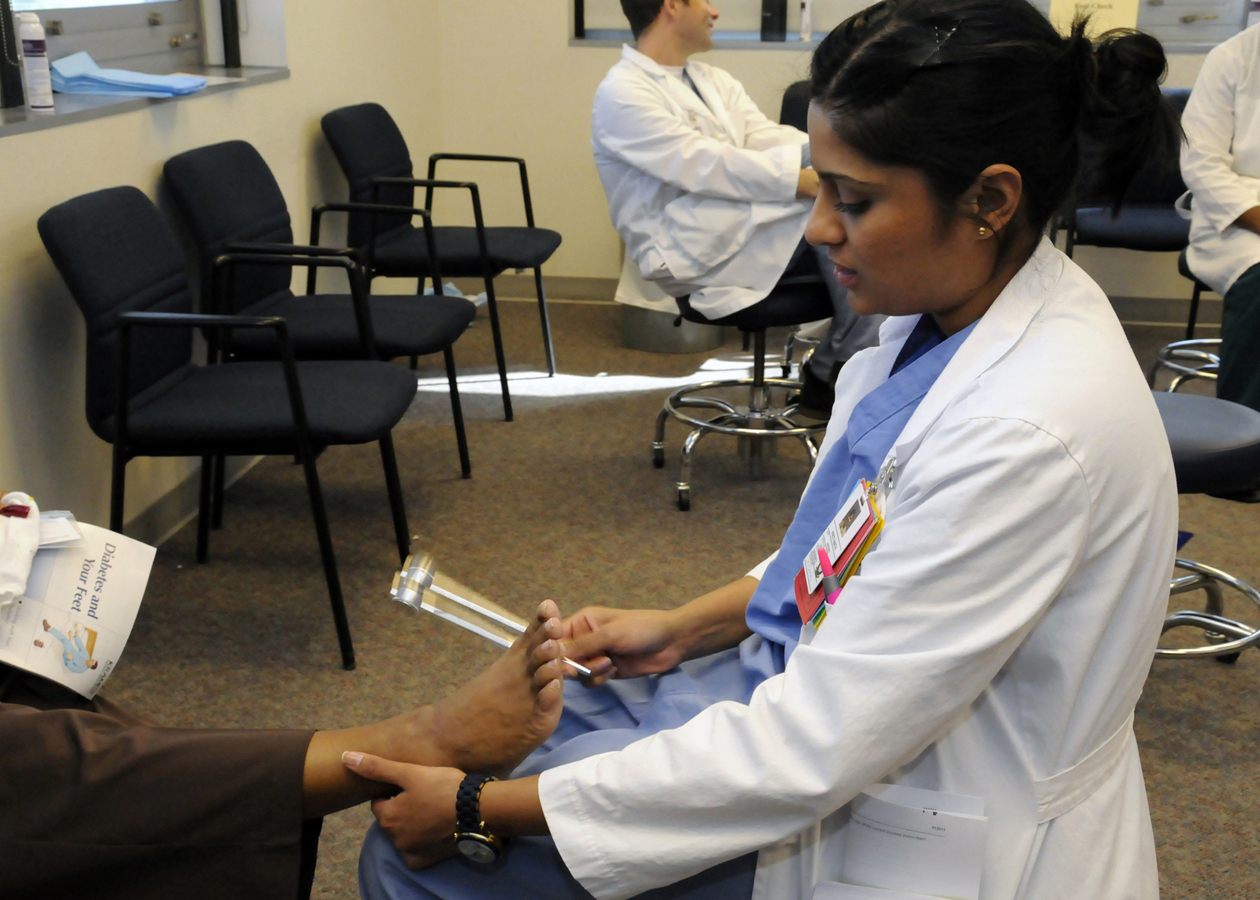
Regular foot care is often about spotting change early, before discomfort becomes a bigger problem. Photo source
Regular foot care can sound optional until nails become too thick to cut, shoes start rubbing, or walking feels less comfortable than it used to. The practical search query this article answers is why regular foot care matters. For many older adults and families, the real question is simple: why book routine foot care before there is a crisis?
Routine foot care is often really risk reduction
Routine appointments are not just about tidy nails. They are about reducing the chance of small problems building quietly. NHS guidance notes that nails can become thicker or more brittle with age, and that change alone can make home care harder and less safe.
Age UK also points out that good foot care can relieve pain and reduce the risk of infection and falls. That is why regular care matters even when the problem still feels minor. The goal is to stay comfortable and mobile, not to wait for a painful nail, cracked heel, or pressure spot to force action.
For many people over 60, the biggest benefit is continuity. Someone is checking how the feet are changing over time, which makes it easier to notice when the pattern is shifting.
Feet change with age, even when nothing dramatic is wrong
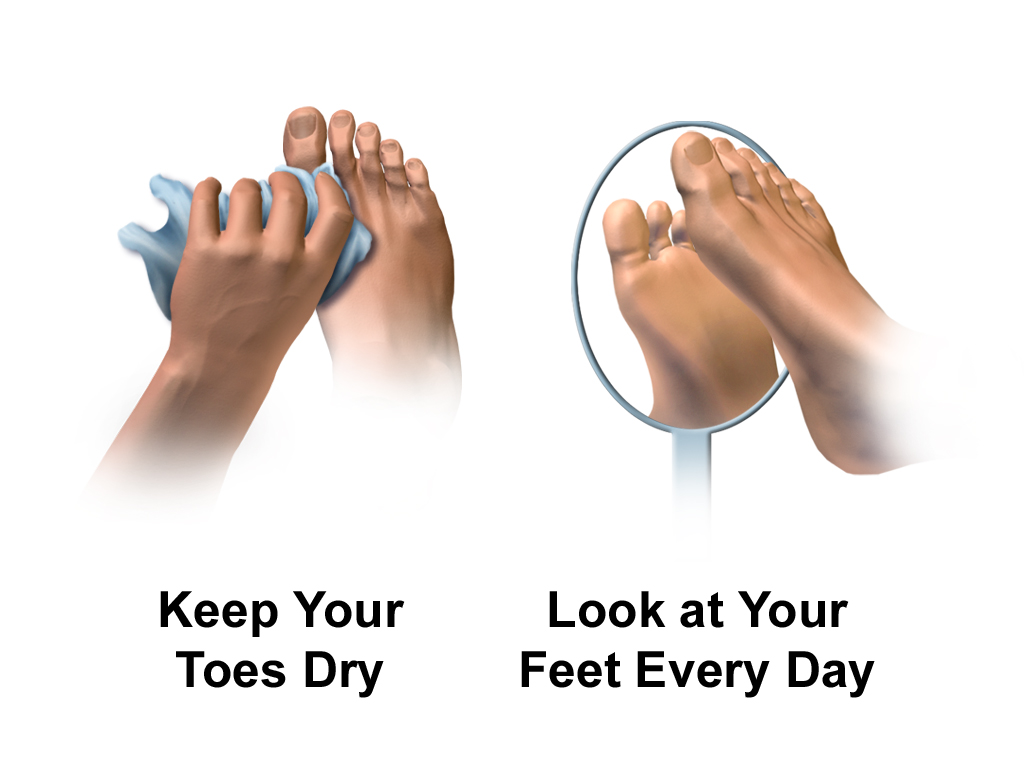
Regular care works best when feet are checked consistently rather than only when they become painful. Photo source
Aging feet often become drier, stiffer, and harder to manage. Skin can crack more easily, nails can harden, and reaching the feet can become awkward because of arthritis, reduced flexibility, breathlessness, or poor balance. Guy's and St Thomas' foot care advice recommends checking feet and toenails regularly, especially if you find it hard to reach your feet.
That difficulty matters because practical barriers change behaviour. People stop cutting nails as often, avoid certain shoes, ignore hard skin, or put off asking for help because the issue feels personal or embarrassing.
Regular care turns that awkward cycle into a calmer routine. Instead of waiting until the feet become a problem, the feet are looked after before they start limiting comfort or confidence.
Small foot problems can affect daily life more than people expect
A long or thick nail can catch on socks, push into the next toe, or make shoes feel tight. Hard skin can alter how someone walks. A heel crack can make each step feel guarded. These are not dramatic emergencies, but they can still chip away at mobility and independence.
Parkinson's UK explains that foot problems can affect comfort, gait, and shoe fit, and the same idea applies more broadly in later life. When the feet hurt, people often walk less naturally, become more cautious, or stop doing certain tasks altogether.
That is one reason routine care is worth taking seriously. It is not just about what the foot looks like. It is about what the foot allows someone to keep doing.
Shoes, socks, and pressure points are part of the picture
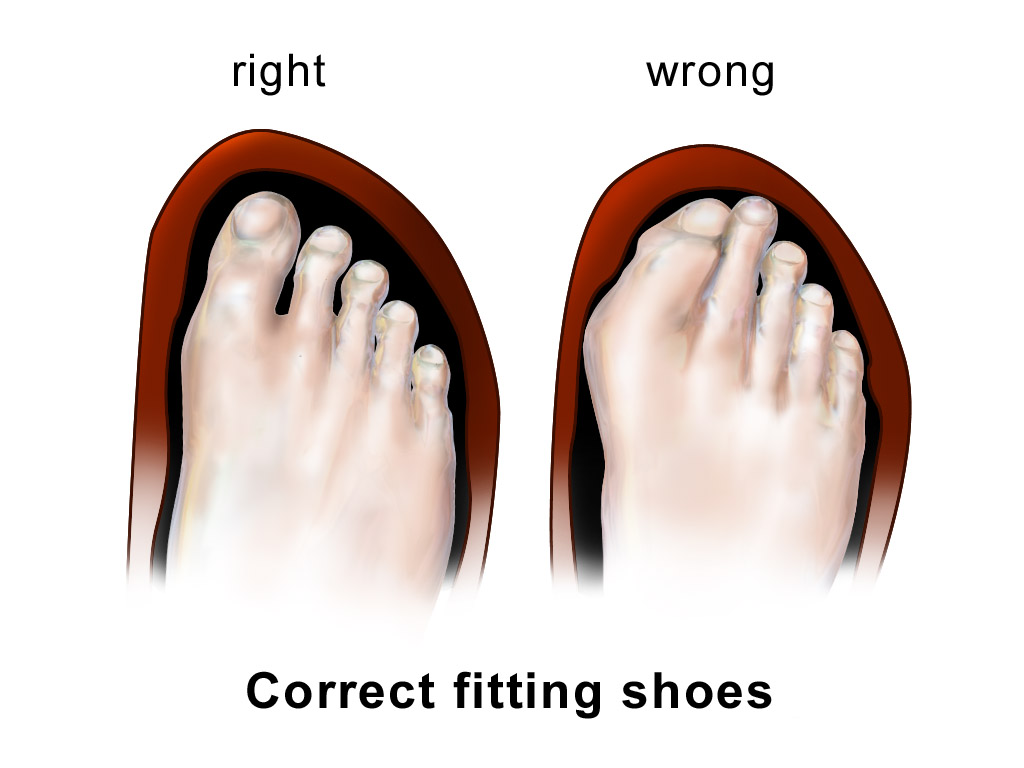
Regular foot care is easier to keep on track when shoes and pressure points are checked at the same time. Photo source
Routine care is also a chance to notice what is causing repeat rubbing or pressure. A seam, a tight toe box, a worn insole, or a favourite pair of slippers can keep irritating the same area. Older adults with swelling or reduced sensation may not always notice that pressure early.
Checking the feet alongside the footwear makes the advice more useful. It is much easier to explain why a nail edge, corn, or pressure mark keeps returning when the actual shoes and socks are there to see.
That practical, home based context is one reason a mobile appointment can be so helpful. The treatment is not separated from the daily environment that keeps causing the problem.
How often is regular enough?
There is no single schedule that suits everyone. Some people need help every six to eight weeks because nails grow quickly, hard skin returns fast, or reaching the feet is difficult. Others can leave it longer. What matters is having a repeatable pattern rather than waiting until the discomfort becomes urgent.
If someone has diabetes, poor circulation, numbness, or a history of ulcers, the boundary changes. NICE says people with diabetes should have a professional foot check at diagnosis and at least annually after that, with checks covering skin, infection, footwear, feeling, and blood flow. Routine care can still help, but warning signs should not be treated as ordinary maintenance.
A sensible rule is to book once the feet start feeling harder to manage, not once they have already become painful.
When routine care should become medical advice
Regular foot care is for routine problems, comfort, and prevention. It is not a substitute for medical assessment when there is a wound, spreading redness, heat, severe swelling, discharge, sudden colour change, or new pain that feels out of character.
NHS inform advises urgent contact with a podiatrist or GP for new skin damage, heat, swelling, shape change, or new foot pain in a diabetic foot context, and the same caution is sensible whenever a foot problem looks infected or fast changing.
For everyday maintenance in Surrey, though, routine home visit care can prevent many small issues from reaching that point. If the real barrier is travel, bending, confidence, or keeping on top of nails and skin, arranging regular foot care at home is often the practical answer.
Key Takeaways
- Regular foot care after 60 is usually about prevention, comfort, and mobility, not vanity.
- Small changes in nails, skin, pressure, and footwear can affect walking more than people expect.
- Routine appointments are often easier, cheaper, and less stressful than waiting for a painful problem.
- Home visits help when the main barrier is travel, bending, balance, or confidence.
- Wounds, infection, sudden swelling, or diabetic foot warning signs need medical advice rather than ordinary routine care.
Regular foot care matters because later life changes the feet gradually, not all at once. Nails become harder, skin changes, balance can shift, and simple tasks can become awkward. Keeping on top of those changes early is often what keeps someone comfortable and independent. For people in Surrey who would benefit from calm, practical care at home, routine appointments can make a real difference before a small issue becomes a bigger one.
Need Professional Foot Care?
Book a home visit and get expert treatment without leaving your house