
What to Check Before Elderly Toenail Cutting
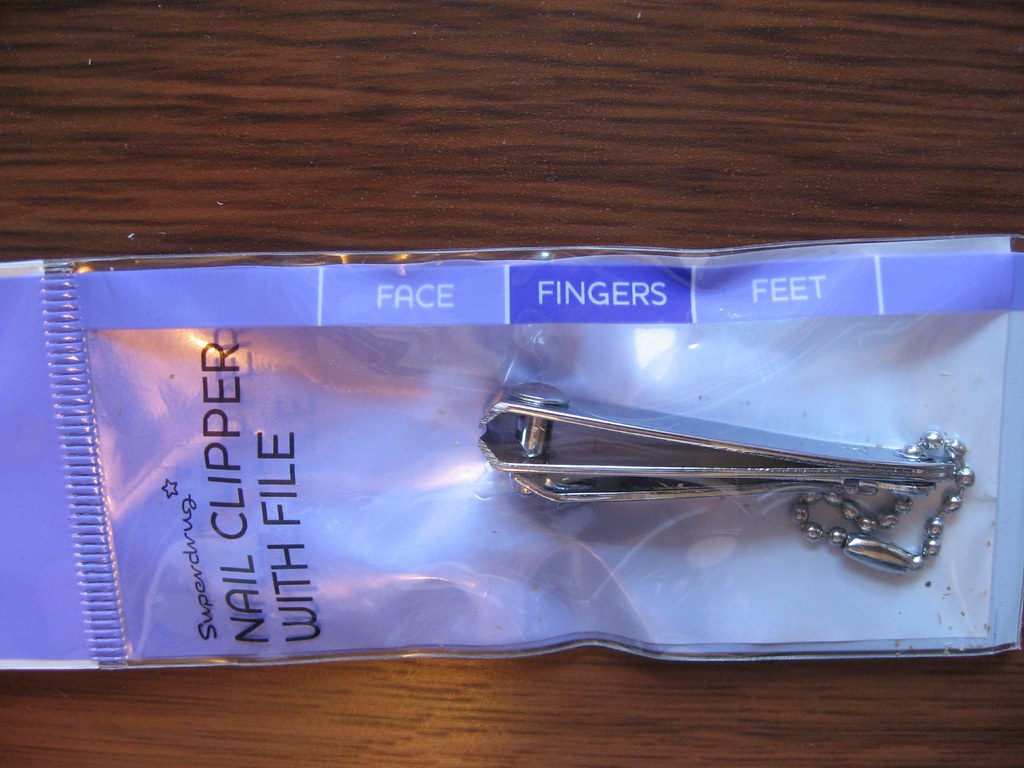
Before cutting elderly toenails, check whether the nails, skin, eyesight, balance, and health risks make home cutting sensible. Photo source
The practical search query this article answers is who can cut elderly toenails at home. It is for a son, daughter, partner, carer, or older adult who has reached the point where toenail cutting feels awkward, risky, painful, or simply overdue.
Start with why the nails are difficult
Toenail cutting becomes harder for ordinary reasons: the person cannot bend safely, eyesight has changed, hands shake, nails have thickened, or shoes press on long nail edges. The question is not just who owns the clippers. It is whether the job is still simple enough to do without pain, skin damage, or worry afterwards.
Homecare can help older people stay independent when day to day tasks become harder, and support at home can include personal care and practical help. Toenail cutting, however, needs an extra safety check because a small nick, split nail, or missed sore patch can matter more in older feet.
For RMFC, this topic matters commercially because people searching for toenail cutting at home elderly, home visit foot care, mobile foot care, chiropodist at home, podiatrist at home, and toenail cutting service at home near me are usually close to needing a practical appointment, not just reading general foot health advice.
When family cutting may be reasonable
Family help may be reasonable when the nails are thin, not painful, easy to see, and easy to reach, and when the older person can sit safely with good light. Keep the cut conservative. Trim straight across, avoid digging down the sides, and stop if the nail is too thick, curved, crumbly, or sore.
It is also sensible to check footwear afterwards. Diabetes UK includes careful nail cutting and well fitting footwear in everyday foot care advice for people with diabetes, and those points are useful for many older adults too.
If the person has poor balance, breathlessness, back pain, arthritis, poor eyesight, or numbness, the safest answer may be to avoid turning toenail cutting into a family struggle. A calm home visit can be kinder than asking someone to twist, lean, or sit uncomfortably for a job they already find stressful.
When a carer may not be the right person
Care support should match the person’s needs, training, and risk level rather than assuming every foot care task is routine. Photo source
Paid carers and care workers are often vital for washing, dressing, meals, medication prompts, and keeping daily life moving. That does not automatically mean they should cut difficult toenails. Their role depends on the care plan, training, employer policy, insurance, and the person’s health risks.
Families arranging support are encouraged to think carefully about the type of care needed, and care planning should match the person’s actual needs. If toenails are thick, painful, ingrown, fungal looking, or hard to cut with normal clippers, it is usually better to treat that as a foot care task, not just a routine personal care favour.
Adult social care providers also work within regulated expectations, and adult social care guidance covers safe, appropriate care. If a carer seems unsure, the right next step is not pressure. It is to check the care plan and arrange the right type of foot support.
Red flags before anyone cuts
Do not cut if the toe is red, hot, swollen, weeping, bleeding, very painful, or if there is a new wound. Do not dig down the side of an ingrown toenail. The NHS advises people with an ingrown toenail to seek help if pain and swelling are not improving, if there is pus, or if the person has diabetes, because foot problems can be more serious with diabetes.
Diabetes changes the threshold for caution. NICE describes foot protection and multidisciplinary foot care pathways for diabetic foot problems, including community support and clear local pathways. If an older person has diabetes, numbness, poor circulation, previous ulcers, or a history of slow healing, professional advice is safer than guesswork.
If the issue looks urgent, use the GP, NHS 111, pharmacist, or emergency route that fits the symptoms. A mobile foot care visit is helpful for routine and non urgent nail care, but it is not a substitute for medical assessment when infection, ulceration, sudden severe pain, or spreading redness is present.
When home visit foot care is the practical next step
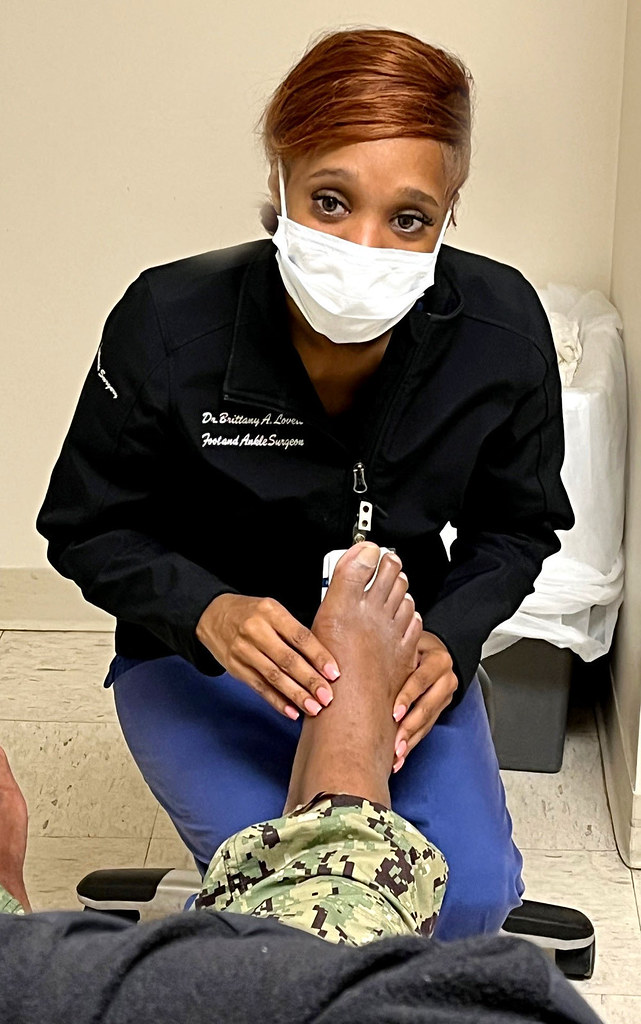
Professional foot care is useful when nails are painful, thick, difficult to see, or difficult to reach safely. Photo source
A home visit becomes the practical answer when the older person cannot travel easily, cannot reach their feet safely, has nails that are too thick for normal clippers, or feels anxious about family cutting. It also helps when family live at a distance and need a reliable local option without turning every visit into a difficult care task.
Local authority needs assessments can look at support such as home care, equipment, adaptations, and help in the home, and a needs assessment can identify wider help and support. That can sit alongside private foot care when the immediate problem is uncomfortable nails, pressure in shoes, or a routine foot check.
For Surrey families, RMFC can help with home visit toenail cutting, thickened nails, hard nail care, and practical foot comfort checks. The appointment can be kept simple: good light, a comfortable chair, medication or diabetes details if relevant, and any concerns the family or carer has noticed.
A simple decision checklist
Ask five questions before anyone starts cutting. Can the nail be seen clearly? Can the person sit safely? Is the nail thin enough for normal clippers? Is the surrounding skin healthy and intact? Is there no diabetes, numbness, poor circulation, infection sign, or healing concern that changes the risk?
If the answer to all five is yes, careful family trimming may be enough. If one answer is no, pause and choose a safer route. That may be a pharmacist or GP for symptoms, a care plan conversation for daily support, or a mobile foot care appointment for routine nail care at home.
The best outcome is not heroic DIY. It is comfortable feet, safer walking, and less worry for everyone involved.
Key Takeaways
- Elderly toenail cutting is safest when the nails are easy to see, easy to reach, not painful, and not unusually thick or curved.
- Paid carers should only cut toenails if the care plan, training, policy, and risk level make that appropriate.
- Diabetes, numbness, poor circulation, wounds, infection signs, and ingrown nail pain all raise the threshold for professional or medical help.
- Home visit foot care is often the practical next step when travel, bending, eyesight, or nail thickness makes self care unsafe.
If elderly toenail cutting has become difficult, the safest first step is a calm check, not a rushed cut. Look at the nails, skin, comfort, health risks, and who is actually trained and able to help. If the job is no longer simple, RMFC can provide home visit foot care across Surrey so the person can stay comfortable without unnecessary travel.
Need Professional Foot Care?
Book a home visit and get expert treatment without leaving your house