
Verruca Treatment at Home: What Is Safe
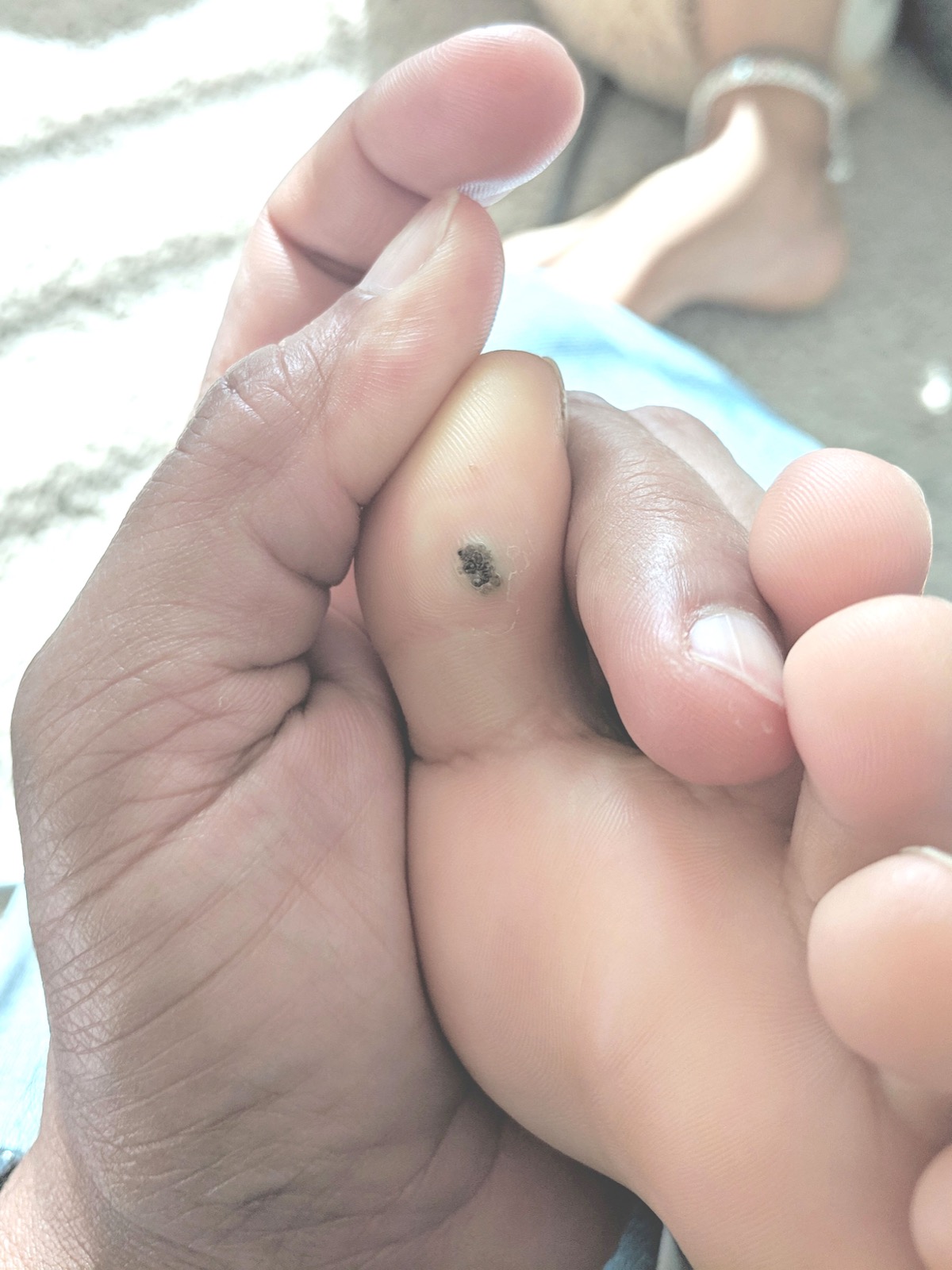
A verruca can look like a rough patch of hard skin with tiny dark dots, and it can become painful on weight bearing areas. Photo source
Verruca treatment at home is usually searched when a small patch on the sole has started to hurt, spread, or worry someone. The practical search query this article answers is verruca treatment at home. It is for the person thinking about pharmacy treatment, and for the family member or carer wondering whether it is safer to get foot care advice before anyone cuts, files, or applies acid to the skin.
What the search is really asking
Most people are not only asking how to remove a verruca. They are asking whether the lump is really a verruca, whether it is safe to treat at home, why it hurts when walking, and what to do if the person has diabetes, poor circulation, reduced feeling, or reduced mobility. That is why the answer needs to be practical rather than product led.
NHS guidance describes warts and verrucas as small skin lumps that usually go away by themselves, but may take months or even years. It also says verrucas are more likely to be painful, sometimes feeling like standing on a needle. That line matches the real search moment, because people often search when normal walking or shoes have started to bother them.
For RMFC, the commercial relevance is clear. Verrucas sit inside skin discomfort and pressure related foot care. The person may not need aggressive treatment, but they may need safe assessment, careful reduction of painful hard skin where appropriate, diabetes caution, and a home visit route if travelling to a clinic is difficult.
What a verruca can look and feel like
A verruca may interrupt the normal skin lines and show tiny dark dots under hard skin. Photo source
A verruca is a plantar wart, which means a wart on the sole or toe area of the foot. The Royal College of Podiatry describes verrucae as plantar warts caused by HPV, commonly appearing on the soles of the feet or around the toes, and often showing a small cauliflower type growth with tiny black dots.
The British Association of Dermatologists explains that plantar warts can occur on the soles and toes, may affect weight bearing areas, and may show small black dots that are clotted blood vessels. Those dots can help, but they are not a reason to dig at the skin.
A useful practical clue is the skin pattern. DermNet notes that plantar warts may interrupt normal skin markings and can be surrounded by callus like skin. It also explains that tenderness can occur with lateral and direct pressure. If the area is too painful to test, leave it alone and get advice rather than pressing harder.
Why it can hurt when walking
A verruca on the sole is different from a wart on the hand because body weight pushes down on it. Guy’s and St Thomas’ NHS guidance explains that verrucas can be uncomfortable or painful on weight bearing areas, and that hard skin can form over the top, increasing discomfort.
Mayo Clinic describes plantar warts as rough growths that often appear on the balls and heels of the feet, where pressure can cause a wart to grow inward under a thick layer of skin. That is why a small looking lesion can create pain or tenderness when walking or standing.
This is also where people can confuse a verruca with a corn. A corn is pressure related hard skin. A verruca is viral. Both can hurt under shoes. If you are unsure which one it is, or if the pain is increasing, it is safer to have the foot checked before using acid treatment or blades.
What treatment at home can safely mean
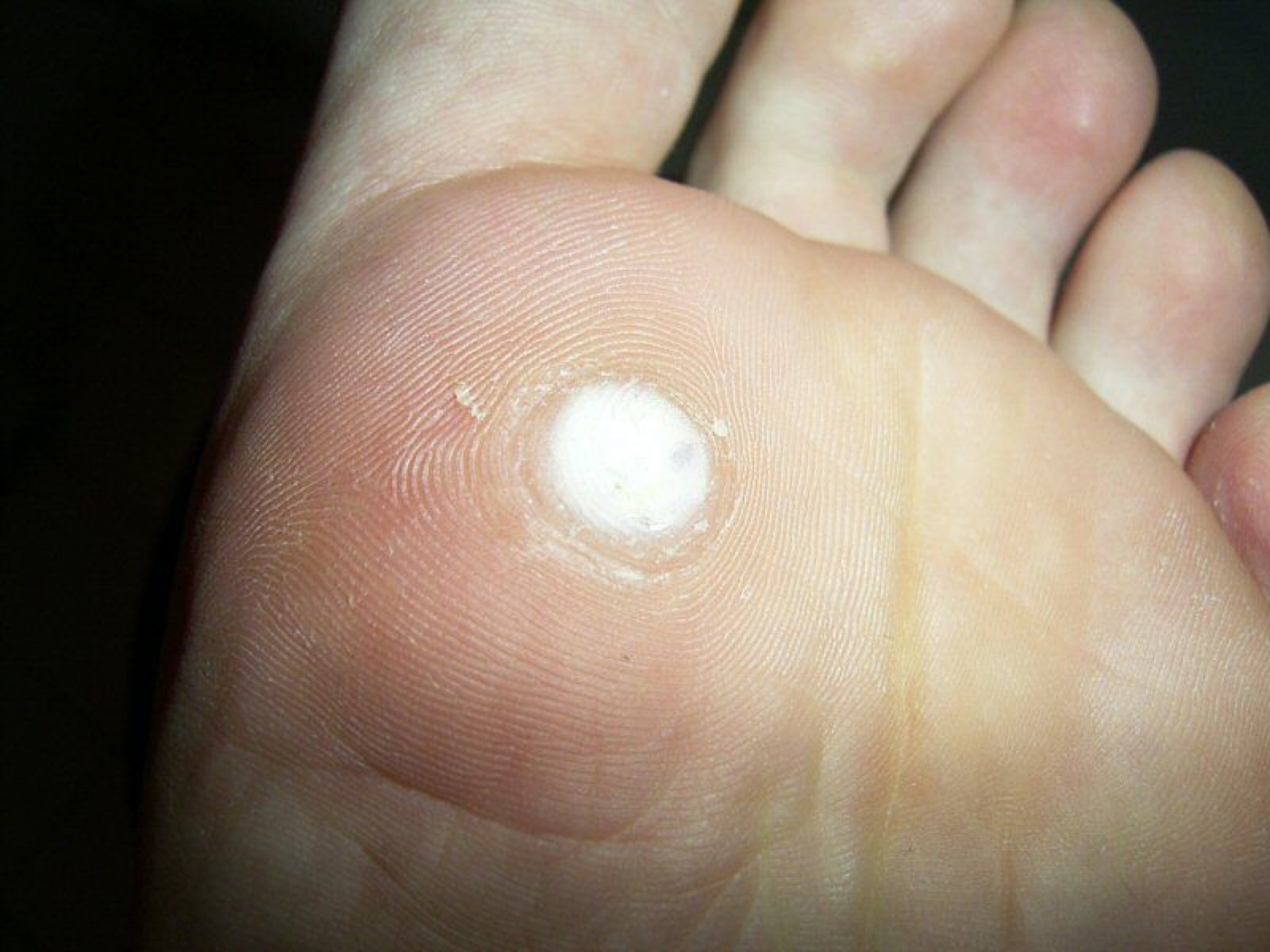
Acid based verruca treatments need careful use because they can irritate or damage nearby healthy skin. Photo source
For a low risk person with a typical verruca, at home treatment usually means advice from a pharmacist, careful use of a licensed wart or verruca product, and patience. NICE CKS says treatment may be considered if the wart is painful, cosmetically unsightly, requested by the person, or persisting, and that topical salicylic acid may be used daily for up to 12 weeks.
Patient information on salicylic acid makes the practical safety point clearly: try not to get it on healthy skin, do not apply it to raw or inflamed skin, and ask a doctor or pharmacist before use if you have diabetes or poor circulation. In real life, that means the treatment is not simply a stronger version of moisturiser. It is an acid based product that needs careful placement.
PCDS patient guidance explains that warts are harmless and often disappear without treatment, although this may take months to years. That matters because no treatment can be a sensible choice for a painless verruca, while treatment makes more sense when a foot wart is sore on a pressure area.
What to avoid at home
Do not cut into a verruca with a blade. Do not dig for a root. Do not pick, scratch, or tear at it. Do not keep applying treatment if the surrounding skin becomes sore, red, or broken. Verrucas do not have a root that can be pulled out like a splinter, and aggressive cutting can create a wound.
NICE prescribing information says topical salicylic acid should not be used on open wounds, irritated or reddened skin, infected areas, areas of poor healing such as neuropathic feet, or in people with impaired blood circulation such as people with diabetes. It also says to avoid applying it to normal skin.
Healthdirect gives a useful plain English reminder that some wart treatments are done at home and some by a doctor, and that people should seek medical advice if they are uncertain, if the wart is painful, or if they have concerns about treatment. For a foot lesion that is painful, spreading, bleeding, or changing, the safest next step is not another home experiment.
When diabetes changes the answer
If you have diabetes, poor circulation, reduced feeling, a weakened immune system, or a history of foot ulcers, do not treat a verruca as a simple DIY skin problem. Diabetes UK explains that diabetes can damage nerves and blood supply in the feet, meaning a person may not feel damage properly and cuts and sores may heal less well.
The CDC gives similar foot care advice for people with diabetes, including daily checks and getting problems treated early. It also advises asking a foot doctor to trim toenails if you cannot see, reach, or feel your feet well. The same principle applies to a painful patch on the sole. If you cannot inspect it clearly, do not apply acid by guesswork.
NHS Tayside’s diabetes foot awareness guidance mentions verrucas specifically. It says pressure from standing and walking can force verrucas into the skin and make them painful, and that if you are concerned or they become painful, it is advisable to seek advice from a GP, nurse, or podiatrist.
When pain or pressure means get help
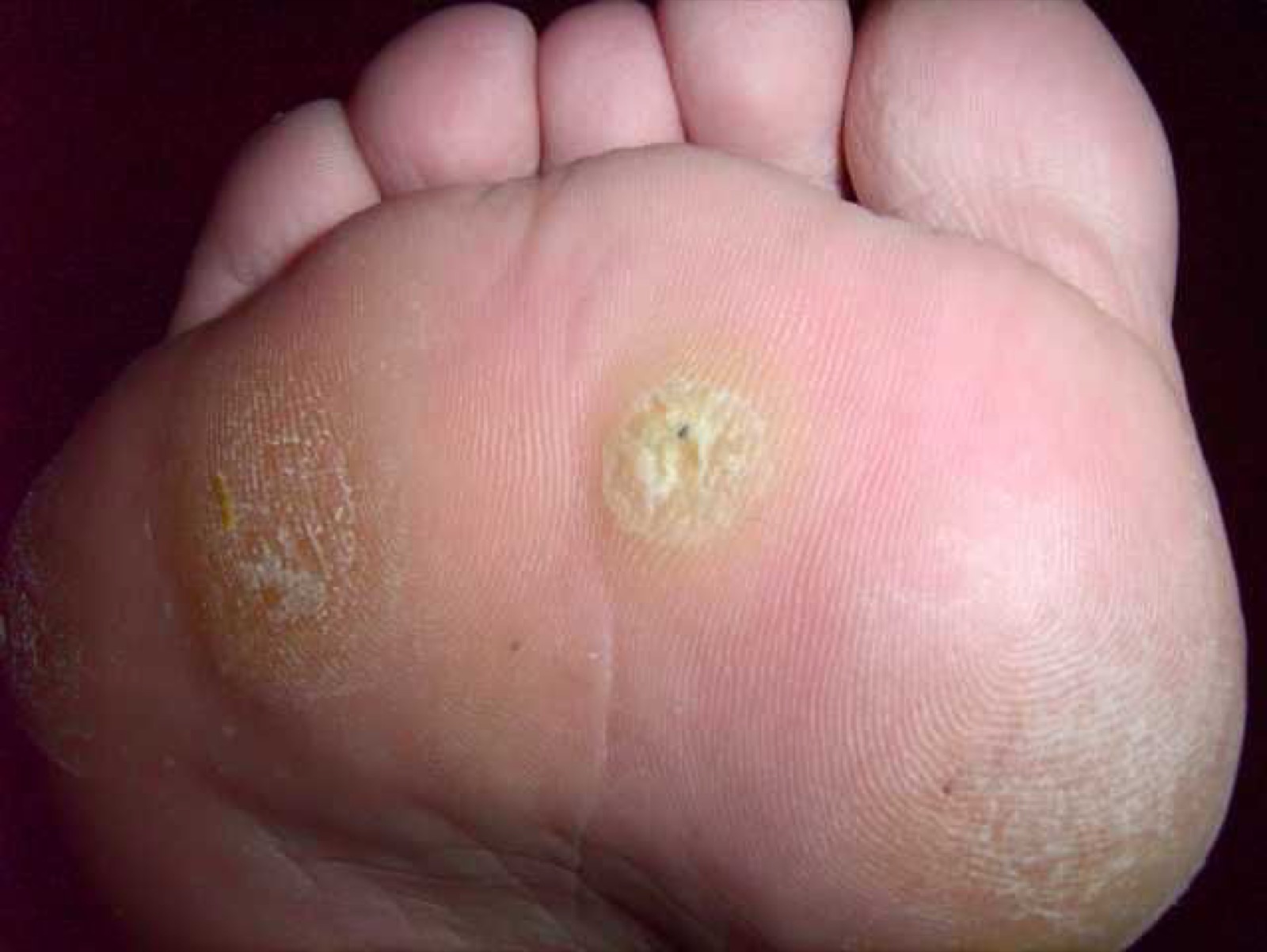
Pain on the sole can come from the verruca itself, from pressure over hard skin, or from shoes pressing on a weight bearing area. Photo source
Get help sooner if the verruca is very painful, changing, bleeding, spreading, or stopping normal walking. NHS guidance says to see a GP if you have a very large or painful wart or verruca, one that keeps coming back, or one that bleeds or changes. It also notes that a large or very painful verruca may lead to referral to a foot specialist such as a podiatrist.
MedlinePlus summarises the same broad pattern: warts are HPV related growths, often go away in children, but in adults can stay, and removal can be considered if they hurt, bother you, or multiply. That does not mean every verruca needs active treatment, but it does mean pain and spread change the decision.
If the main discomfort is from hard skin over the verruca, careful professional reduction may make the foot more comfortable while a treatment plan is chosen. This is different from cutting into the wart itself. It is also why a painful verruca can overlap with corn and callus style pressure relief even though the underlying cause is viral.
How home visit foot care can help
A home visit does not make a verruca disappear instantly, and it should not be sold as a guaranteed cure. It can help when the practical problem is pain, uncertainty, mobility, eyesight, diabetes caution, or not being able to inspect the sole safely. A calm foot check can help decide whether the area looks like a verruca, whether there is hard skin adding pressure, and whether self treatment is sensible.
Age UK’s foot care information reflects why home based foot care matters in later life. It says foot care can lower fall and infection risk, relieve pain, and help older people who are unable to look after their feet. In some areas, podiatry services may include treating verrucas, athlete’s foot, and bunions, with home access for people who are housebound.
For RMFC patients in Surrey, verruca treatment at home is most useful when the reader wants practical foot care without travelling, or when a family member wants someone to check the foot safely. If there are diabetes concerns, broken skin, heat, swelling, discharge, severe pain, or uncertainty about diagnosis, the visit should support the right referral or medical advice rather than replace it.
How to stop it spreading
Verrucas can spread through direct contact and contaminated damp surfaces, especially where skin is wet or damaged. The useful prevention steps are simple: cover the verruca for swimming, change socks daily, avoid sharing towels or shoes, wear flip flops in communal changing areas, and do not scratch or pick the area.
Guy’s and St Thomas’ NHS guidance explains that the virus thrives in warm, moist environments such as swimming pools, changing rooms, and bathrooms. It also warns that salicylic acid and other treatments can destroy healthy tissue, so preventing spread and protecting surrounding skin should be part of any home care plan.
The simple rule is this: if it is painless and low risk, you may not need to rush treatment. If it is painful, spreading, uncertain, or the person has diabetes or reduced feeling, get advice before doing more. If travelling is difficult, mobile foot care can make that first sensible check easier.
Key Takeaways
- A verruca is a plantar wart on the foot, and it can hurt when body weight pushes it inward on the sole.
- A painless verruca may clear without treatment, but this can take months or longer.
- Pharmacy treatments can help some people, but they can irritate or damage healthy skin if used carelessly.
- Do not cut, dig, pick, or keep applying treatment to sore, red, broken, or infected skin.
- Diabetes, poor circulation, reduced feeling, severe pain, bleeding, spreading, or uncertainty about the diagnosis should prompt professional advice.
Verruca treatment at home is safest when it starts with the right question. Is this really a verruca, is it painful, is the person low risk, and can the treatment be applied accurately without damaging healthy skin? If the answer is yes, a pharmacist can often advise on sensible options. If the answer is no, or if diabetes, poor circulation, reduced feeling, severe pain, or mobility problems are involved, do not turn the sole of the foot into a trial and error project. Rithik’s Mobile Foot Care can help with practical home visit foot care in Surrey and clear next steps.
Need Professional Foot Care?
Book a home visit and get expert treatment without leaving your house