
Toenails Catching on Socks: What to Check
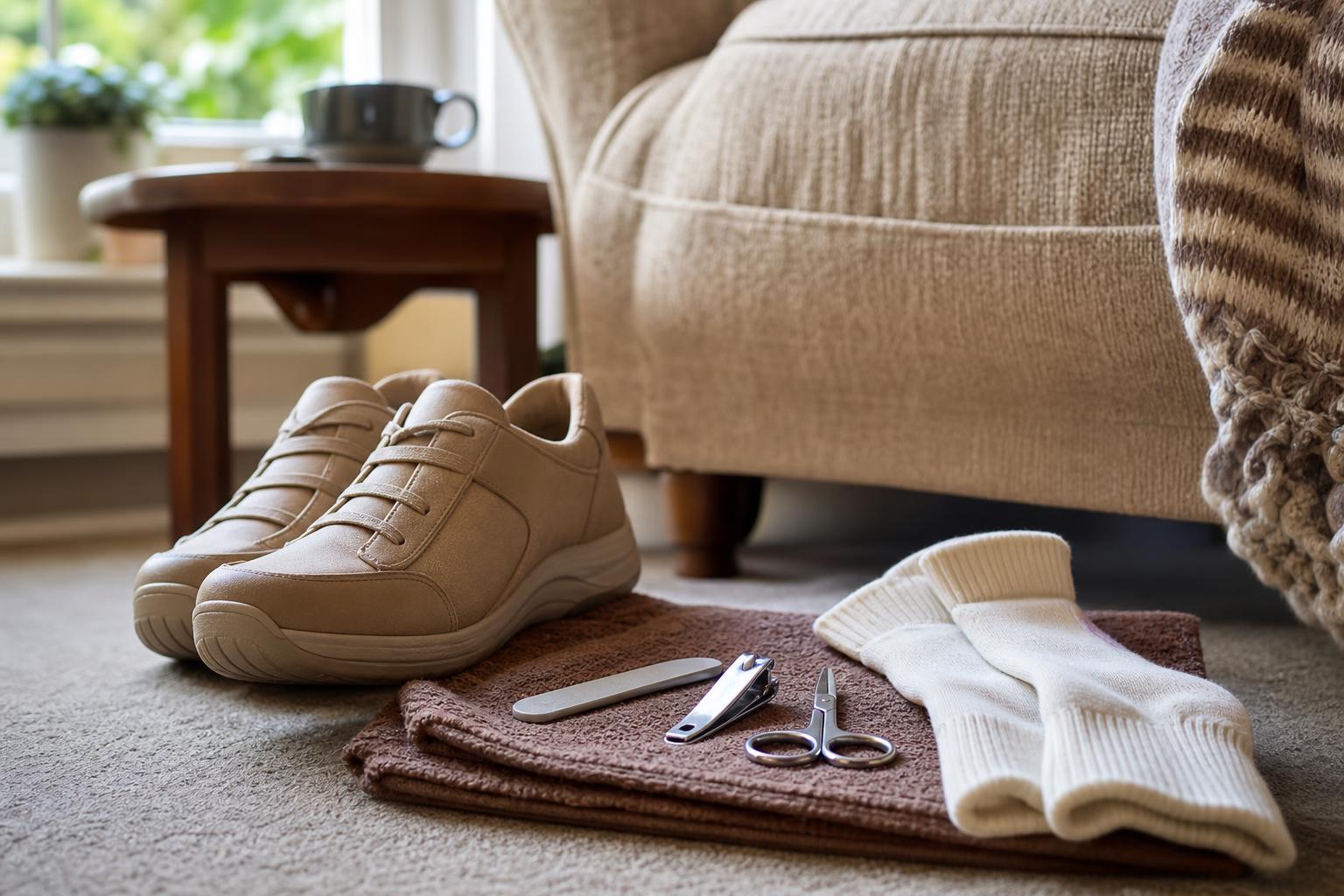
Toenails catching on socks often points to length, thickness, rough edges, or a reach problem.
The practical search query this article answers is toenails catching on socks. It is for an older adult, carer, partner, or adult child who has noticed nails snagging socks, catching on bedding, pressing in shoes, or becoming too thick, rough, or awkward to cut safely at home.
Why catching on socks matters
A toenail that catches on socks is not always serious, but it is useful information. It can mean the nail has grown too long, the edge is rough, the nail is thickened, the corner is starting to curve, or the shoe is pressing the nail into a sore position.
For older adults, this small problem can quickly become a daily nuisance. Socks pull, bedding catches, shoes feel tighter, and the person may start avoiding footwear or walking because the nail feels uncomfortable.
The Royal College of Podiatry explains that keeping toenails cut and under control is important because nails that become too long can press against shoes and cause soreness, infection, or ulceration. That makes long nails pressing in shoes more than a cosmetic issue for some older feet.
Age UK also describes foot care in later life as a way to reduce pain, lower infection risk, and reduce falls risk, and says basic services can include toenail cutting. If nails are already catching, getting help with basic foot care can be a sensible step rather than waiting until the nail becomes painful.
What to check before cutting
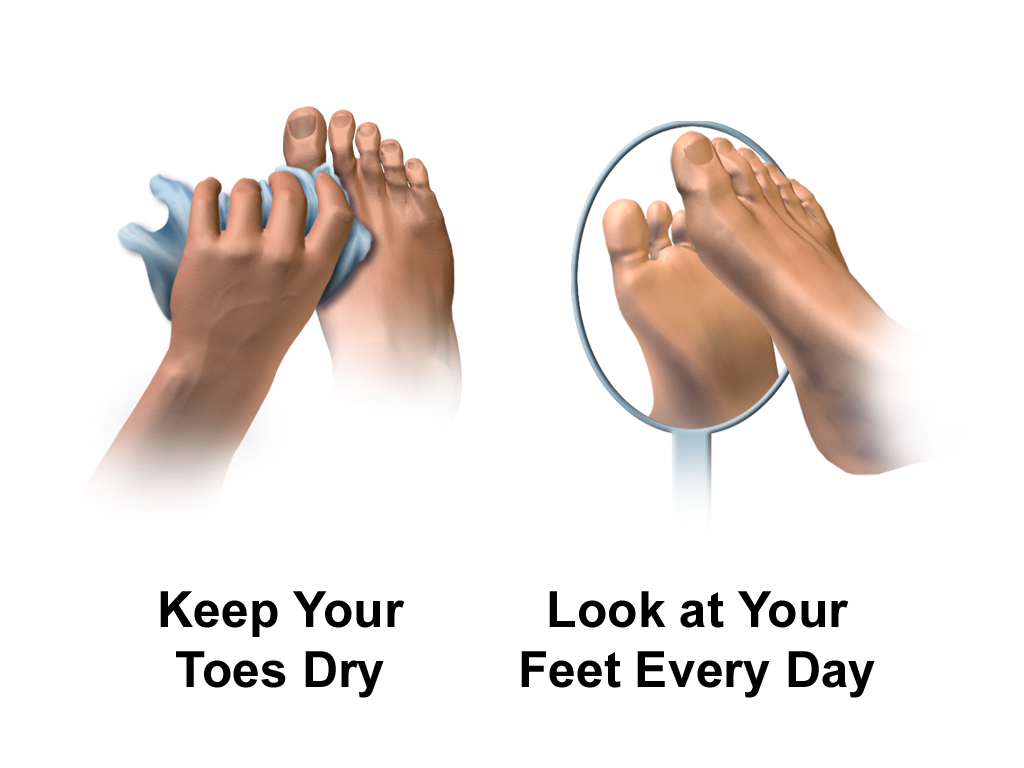
Check the nail edge, surrounding skin, toe spaces, and shoe pressure before cutting. Photo source
Before anyone cuts the nail, look at the toe in good light. Check whether the nail is simply long, whether the edge is jagged, whether it is digging into the skin, whether the toe is red or swollen, and whether there is any discharge, bleeding, broken skin, heat, colour change, or new pain.
Also check what the nail is catching on. If it catches every time socks go on, the nail edge may need smoothing or trimming. If it mainly hurts in shoes, the issue may be nail length, nail thickness, shoe depth, swelling, or pressure from the toe box.
NHS guidance on ingrown toenails says a toe may be red, painful, swollen, curved into the toe, or infected, and advises people not to cut the toenail when treating an ingrown toenail at home. If the nail is catching because the corner is digging in, do not dig at the nail corner or cut down the side yourself.
When not to cut at home
Do not cut at home if the toe is very painful, swollen, hot, red, bleeding, weeping, or has pus. Do not cut if there is a wound, a bad smell, a sudden colour change, a new blister, or skin that looks fragile or broken.
Diabetes changes the decision. Diabetes UK explains that diabetes can affect nerves and blood supply, meaning people may not feel foot damage properly and cuts or sores may heal less well. If diabetes is involved, new foot changes need extra caution, especially if there is reduced feeling, swelling, colour change, or a sore area.
Medication and circulation matter too. Age UK notes that some people may need more specialised foot care if they have diabetes or are taking medicines such as warfarin. If you are unsure, it is safer to ask before cutting than to turn a rough nail edge into broken skin.
Why carers often notice first
The patient may not be the first person to spot the problem. A carer, partner, or adult child may notice holes in socks, resistance when helping with footwear, complaints about bedding, or a parent saying their shoes suddenly feel uncomfortable.
That does not mean the person is neglecting their feet. Reach, eyesight, grip strength, arthritis, back pain, dizziness, memory problems, or fear of falling can all make nail cutting much harder than it used to be.
Living Made Easy describes practical barriers and independent living equipment as part of everyday support. Long handled aids can sometimes help with washing or checking, but equipment has to match the person’s reach, grip, sight, and balance. A tool does not make forceful nail cutting safe if the person cannot see or steady the foot properly.
Carers UK explains that a needs assessment can look at what support someone needs with daily life, and carers can ask for support too. If foot care is one sign of wider difficulty with washing, dressing, transfers, or leaving home, asking for wider practical support may be sensible.
What shoes and socks can reveal
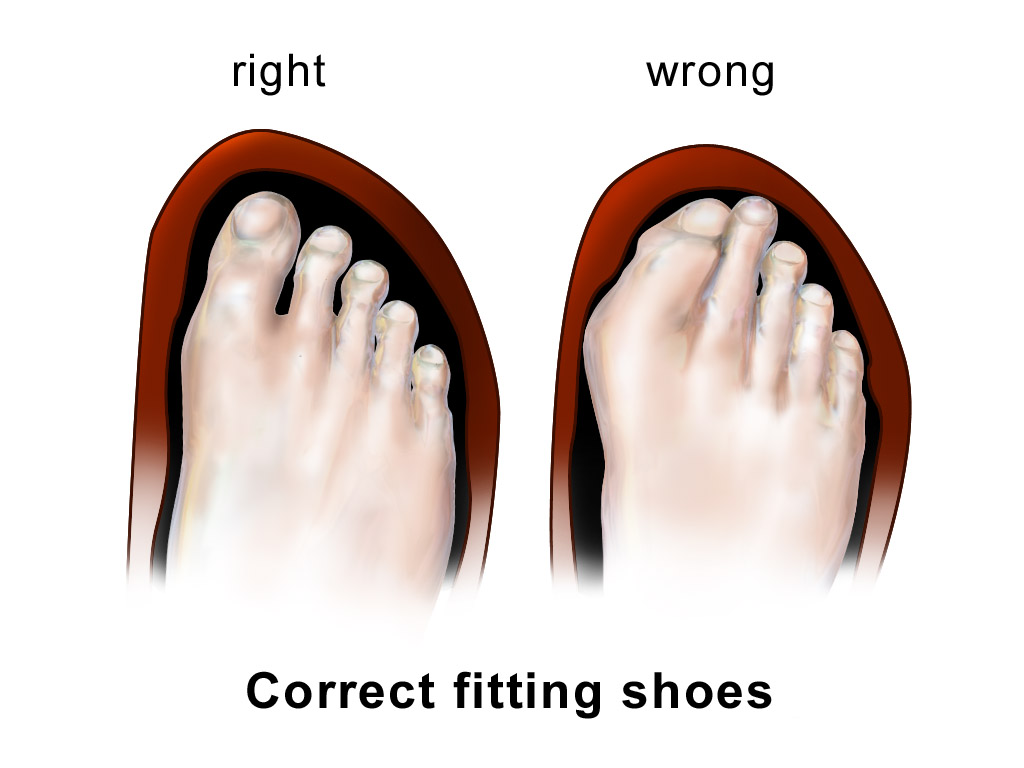
Shoes and socks can show whether the nail is too long, too thick, rough at the edge, or under pressure. Photo source
Bring the everyday socks, slippers, and shoes into the check. A thin sock that catches may point to a rough nail edge. A shoe that presses on the nail may point to length, thickness, swelling, or a toe box that is too shallow.
If the person has started wearing looser slippers because shoes hurt, that can create a second problem. Poorly fitting footwear may increase rubbing, instability, and trip risk. NHS falls guidance says people should seek help if they are worried about balance or mobility, and that home safety and adaptations may be part of falls support.
GOV.UK explains that a social care needs assessment can consider healthcare, equipment, help at home, and adaptations. If nail care, footwear, and mobility are all becoming harder at once, support at home may need looking at more broadly, not only as a nail problem.
How home visit foot care can help
Where the skin is intact and the problem is suitable for routine care, a home visit can help with nail cutting, thickened nail reduction, rough edges, comfort checks, and practical advice about socks and shoes. It can also help when the main barrier is travel, bending, poor reach, or carer uncertainty.
A good home visit should still be clear about limits. Infection signs, wounds, sudden swelling, severe pain, spreading redness, or higher risk diabetes concerns may need GP, NHS 111, community nursing, NHS podiatry, or a foot protection team rather than routine nail care.
If someone uses the title podiatrist or chiropodist, the HCPC register is the place to check regulated professional status. Checking registration can be useful when that title is part of the trust decision.
For Rithik’s Mobile Foot Care patients in Surrey, the commercial fit is direct: toenails catching on socks often sits between ordinary routine care and a problem that is starting to affect comfort. If the issue is suitable, booking a home visit can be a calm way to deal with the nail before it becomes harder to manage.
Key Takeaways
- Toenails catching on socks can point to length, thickness, rough nail edges, curved corners, or shoe pressure.
- Check the toe, nail edge, surrounding skin, socks, slippers, and shoes before cutting.
- Do not cut at home if there is broken skin, swelling, discharge, severe pain, infection concern, or diabetes related foot risk.
- Carers often notice the problem first through socks, bedding, footwear complaints, or difficulty getting shoes on.
- Home visit foot care can help with suitable routine nail problems when travel, reach, eyesight, or mobility make self care difficult.
A toenail that catches on socks is a small sign worth checking early. It may only need routine nail care, but it can also reveal rough edges, pressure, thickened nails, poor reach, or a toe that should not be cut at home. If the skin is intact and the problem is suitable, home visit foot care can make the next step easier. If there is pain, swelling, discharge, broken skin, sudden change, or diabetes related concern, get medical advice first.
Need Professional Foot Care?
Book a home visit and get expert treatment without leaving your house