
Toenail Pressing Into Next Toe: What Helps

A toenail pressing into the next toe can start as rubbing, then become soreness, skin damage, or a reason someone avoids shoes. Photo source
The practical search query this article answers is toenail pressing into next toe. It is for an older adult, carer, partner, or family member who has noticed one nail rubbing, digging, or leaving a sore mark on the neighbouring toe. This article belongs to the pillar Nail care and painful nail problems.
Why one toenail can press into another toe
A toenail can press into the next toe when it is too long, curved, thick, rough at the edge, or being pushed sideways by footwear. The problem may feel small at first. A person might notice a red line, a sharp edge, a tender patch, or a toe that hurts more after wearing slippers or shoes.
This is different from a simple cosmetic nail concern. The nail is acting like a pressure point. If the skin beside it becomes sore, the person may walk differently, avoid shoes, or stop letting anyone near their feet because they expect pain.
The commercial reason this matters for RMFC is clear. People often search only after the nail has started hurting another toe. That is the moment when careful, safer nail care at home can prevent a rushed cut, reduce pressure, and help families decide whether routine mobile foot care is now needed.
What to check before cutting more nail
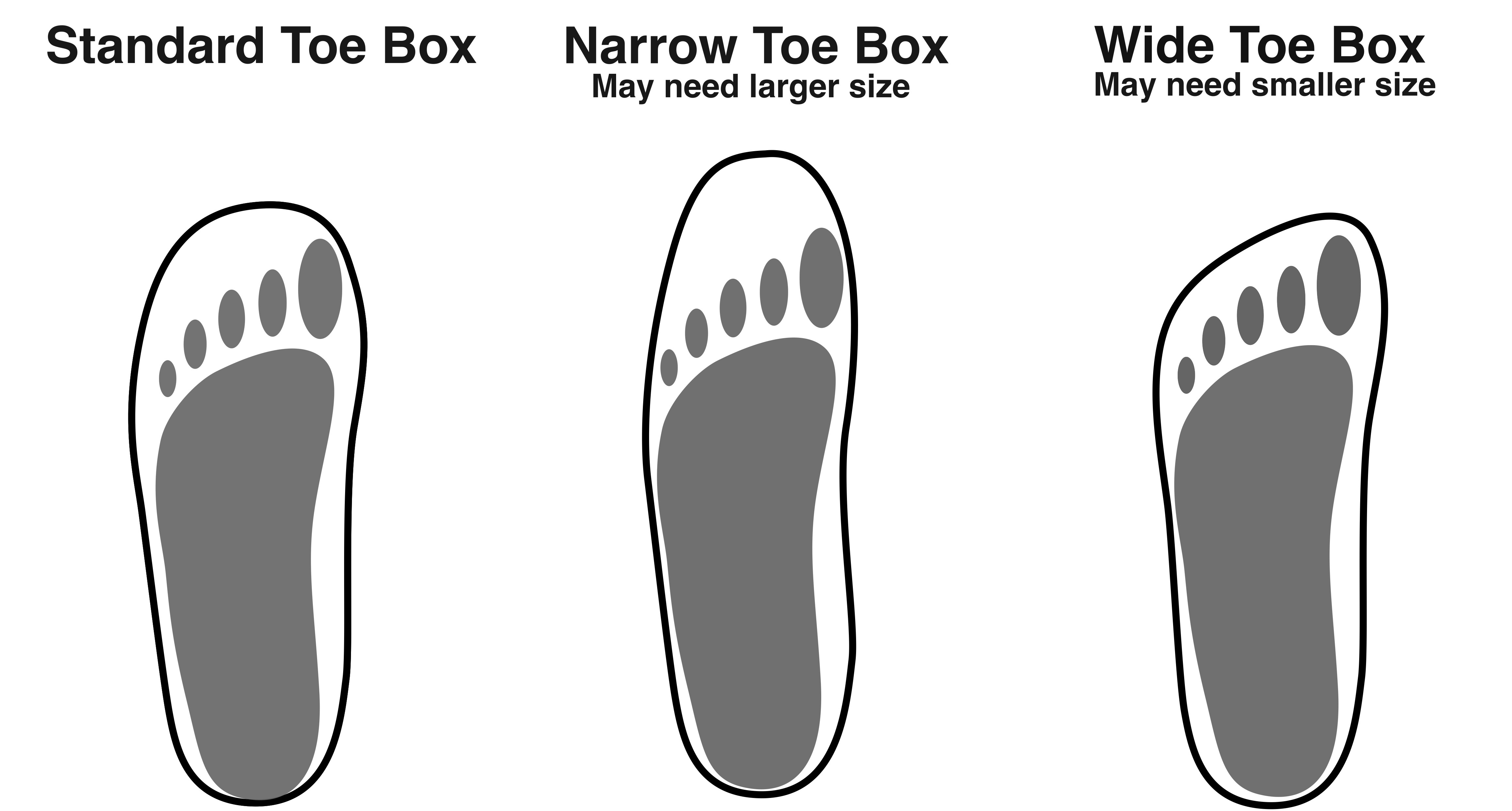
Nail pressure between toes is often worse when footwear narrows the toe area or pushes toes together. Photo source
Look between the toes in good light. Check whether the nail edge is touching skin, whether there is redness, swelling, broken skin, discharge, bleeding, a corn, a callus, or a blister like area. Also check whether the problem happens in bare feet or only inside a particular shoe.
The NHS says corns can be tender or painful and that older people, people with diabetes, circulation problems, or weakened immunity should not try to treat corns and calluses themselves. If the nail has caused a hard sore patch, treat the skin pressure seriously rather than cutting at it.
If the side of the nail has started to dig into its own toe as well, check for ingrown toenail signs. The NHS describes an ingrown toenail as painful, red, and swollen, with infection signs such as pus or feeling hot or shivery. If those signs are present, medical advice is safer than repeated trimming.
What not to do at home
Do not dig down the side of the nail with scissors, pointed tools, or a blade. Do not cut a V shape into the nail. Do not keep clipping deeper because the edge still feels sharp. Those attempts can leave a spike, catch the skin, or make the next few days more painful.
South Tees Hospitals NHS Foundation Trust advises cutting nails following the natural curve, leaving a small white length to protect the toe, and not cutting down the sides because a spike of nail can grow forward and cause an ingrowing toenail. If a nail is difficult to manage, professional advice is recommended.
Avoid strong medicated corn plasters or harsh products on tender skin between toes unless a pharmacist or clinician says they are suitable. The skin there is easily irritated, especially when toes are already rubbing together.
When diabetes or poor feeling changes the risk
Diabetes, poor circulation, reduced feeling, previous ulcers, fragile skin, or a weakened immune system make this problem more urgent. The person may not feel early rubbing clearly, and a small skin break between toes can be harder to spot.
Diabetes UK explains that diabetes foot problems can be serious and that people who have lost feeling may need help from a podiatrist or foot protection service. If there is diabetes plus broken skin, redness, swelling, discharge, or a sore area between toes, ask for clinical advice rather than waiting.
For families, the safest message to pass on is specific: which toe is sore, whether the nail is touching the next toe, whether the skin is broken, whether there is diabetes or poor feeling, and whether shoes make it worse.
Simple pressure relief while you arrange help
If there is no broken skin, no infection sign, and no high risk medical concern, reducing pressure may help while you arrange the right care. Roomier footwear, clean dry socks, and avoiding tight slippers can reduce rubbing. A pharmacist may advise on simple toe separators or padding, but padding should never make the shoe tighter.
Age UK notes that foot care services for older people can include toenail cutting and may be available at home for people who are housebound. That reflects a practical truth: nail care is a real mobility and comfort need in later life, not just grooming.
If hand pain, eyesight, tremor, back pain, or poor balance makes nail care difficult, do not frame the problem as stubbornness or neglect. Versus Arthritis explains that hand and wrist pain can interfere with everyday activities. If clippers are hard to control, the task itself may no longer be safe to do unaided.
Where home visit foot care fits
Home visit foot care can help when the toe is stable and the main issue is nail pressure, thick nail, awkward nail shape, or difficulty cutting safely. A visit can include careful toenail trimming, smoothing rough edges, checking the neighbouring skin, and planning a regular interval so the nail does not reach the same pressure point again.
It is not a replacement for urgent medical care. Spreading redness, pus, severe pain, a wound that is not healing, feverish symptoms, sudden swelling, or a diabetes related foot concern should be checked by a GP, NHS service, podiatry team, or urgent care route first.
Health in Aging notes that foot pain is common in older people and can affect walking and daily activities. A toenail pressing into the next toe can look minor, but painful feet can affect confidence and mobility. For someone who struggles to travel, mobile foot care can make routine prevention easier.
Key Takeaways
- A toenail pressing into the next toe is a pressure problem, not just a nail shape issue.
- Check for redness, swelling, broken skin, corns, callus, discharge, or pain made worse by shoes.
- Do not dig down the side of the nail or keep cutting deeper to chase a sharp edge.
- Diabetes, poor feeling, circulation problems, or broken skin mean you should seek clinical advice sooner.
- Home visit foot care can help with safer routine nail trimming once urgent concerns are ruled out.
If a toenail is pressing into the next toe, stop before cutting more and check the skin carefully. Reduce shoe pressure, avoid digging at the nail edge, and get medical advice if there is broken skin, infection signs, diabetes, poor feeling, or worsening pain. If the toe is stable but nail care has become difficult, Rithik's Mobile Foot Care can help with calm, safer toenail cutting at home.
Need Professional Foot Care?
Book a home visit and get expert treatment without leaving your house