
Toenail Cutting Service at Home: When It Helps
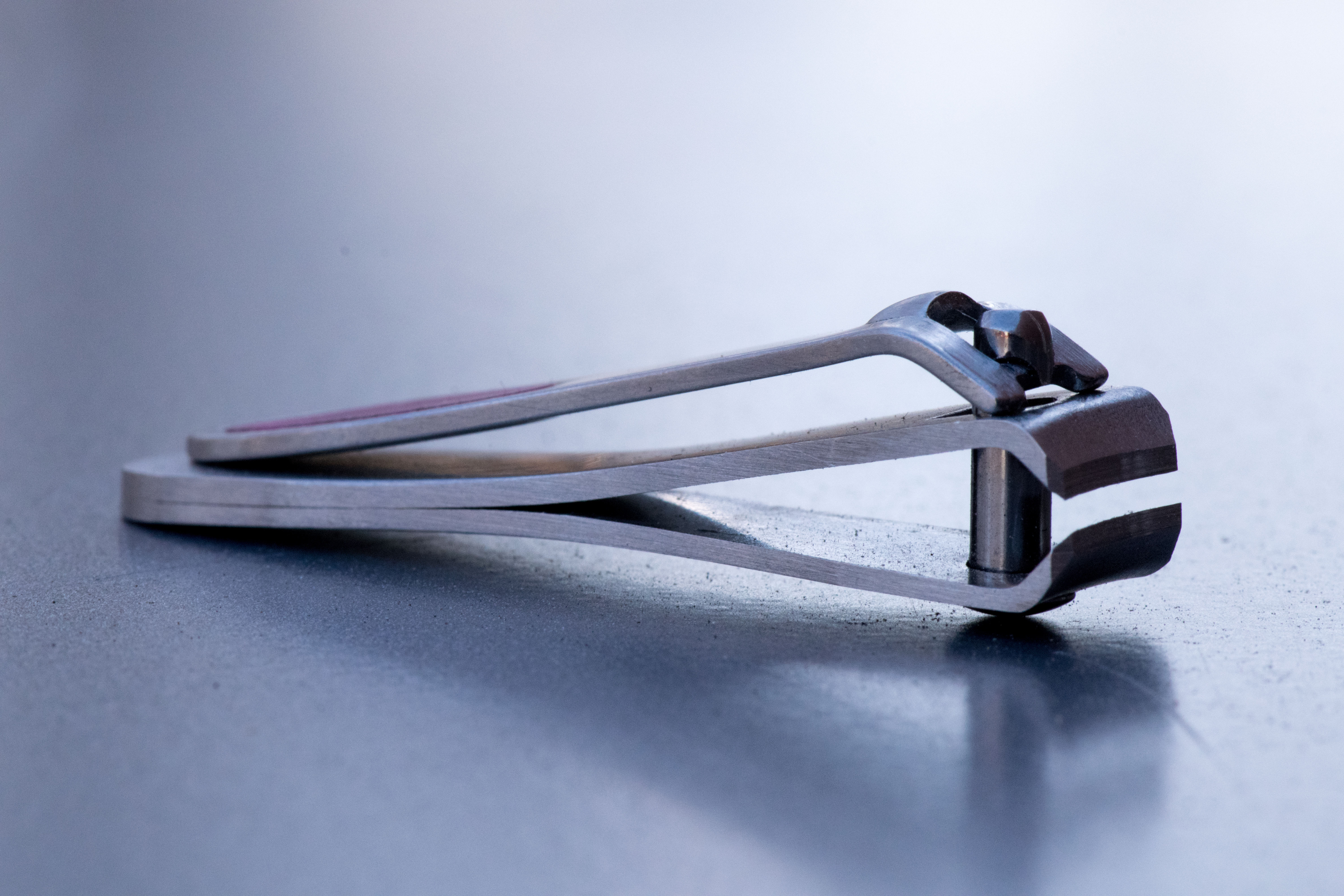
A home toenail cutting service can help when ordinary clippers are no longer safe, steady, or comfortable to use. Photo source
The practical search query this article answers is toenail cutting service at home near me. It is for an older adult, partner, son, daughter, family member, or carer who can see that toenails are becoming too difficult, painful, thick, or awkward to manage safely. This article belongs to the pillar Home visit foot care for older adults, diabetes, and reduced mobility.
Start with the problem at home
A search for a toenail cutting service at home usually starts after a practical worry. Someone cannot bend comfortably, cannot see the nail edge clearly, has shaky hands, has nails that are too thick for normal clippers, or is frightened of cutting skin. A family member may be willing to help, but not confident that it is safe.
This is why the query matters commercially for RMFC. It is not a casual grooming search. It is close to booking intent and often includes home visit foot care, mobile foot care, podiatrist at home, chiropodist at home, or toenail cutting at home. The reader wants a safer way to keep feet comfortable without the stress of travelling to a clinic.
The NHS says nails can become thicker or more brittle with age, and that a podiatrist may be needed when nails are too tough to cut or the person cannot reach them. That makes tough nails or hard to reach nails a sensible point to stop forcing a DIY cut.
When ordinary clippers stop being enough
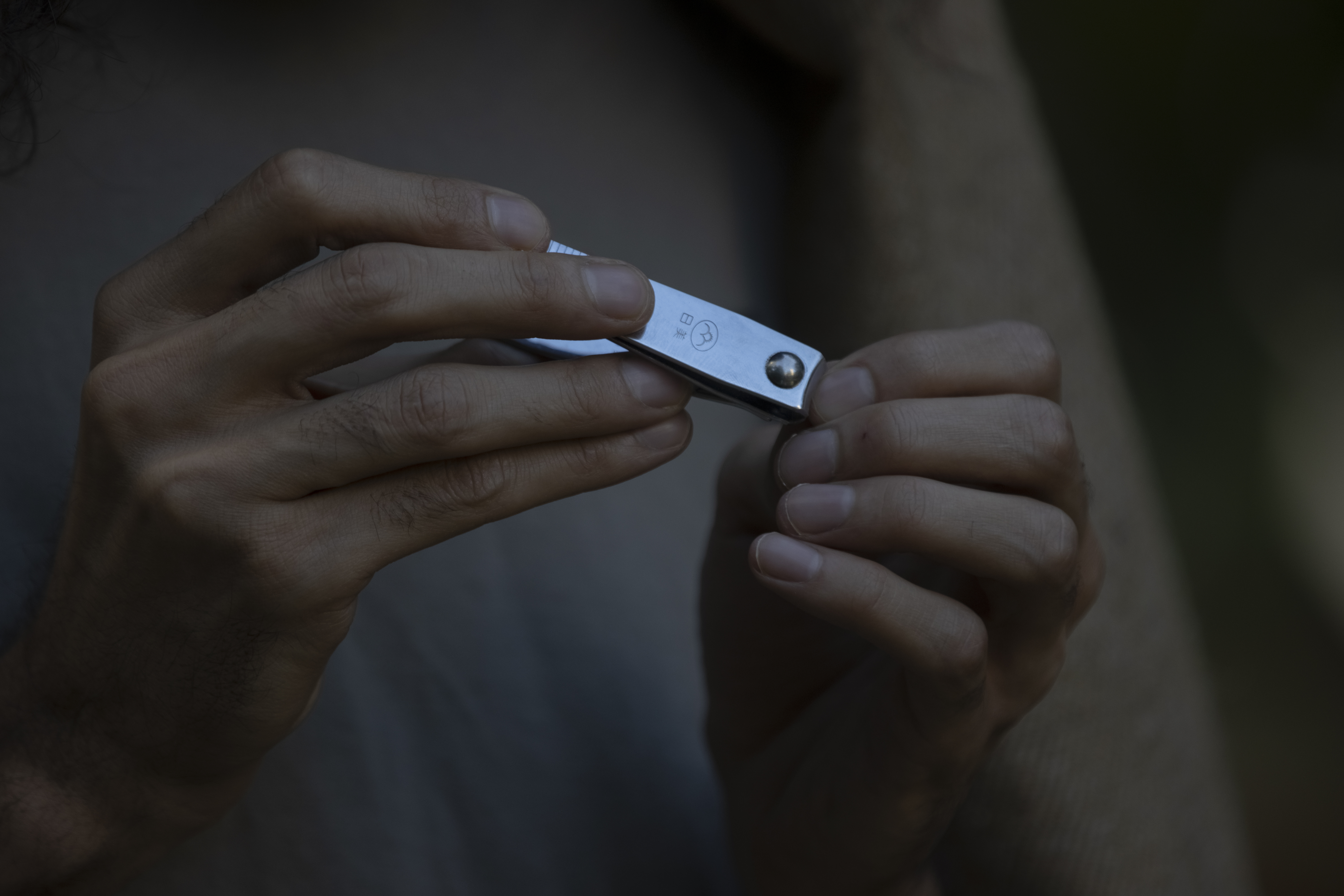
When nails are thick, curved, or difficult to see clearly, careful positioning matters more than force. Photo source
Ordinary clippers are designed for nails that can be held steady and trimmed cleanly. They become risky when the nail is thick, curved, crumbly, painful, pressing into another toe, or catching on socks. They are also harder to use when the person is breathless, dizzy when bending, has poor eyesight, has arthritis in the hands, or cannot sit in a stable position.
Ageing feet often need more regular care, not less. The Royal College of Podiatry explains that keeping toenails under control can help avoid pressure in shoes, soreness, infection, and ulceration. For families, routine nail care is part of keeping older feet comfortable, not just keeping them neat.
If the clippers slip, crush the nail, or make the person flinch, pause. The next attempt should not be about using more force. It should be about checking the foot, the nail, the shoe pressure, and whether home visit foot care is the safer route.
Who a home visit can help most
A toenail cutting service at home is often most useful for older adults, people with reduced mobility, people who are housebound, people recovering after illness or surgery, wheelchair users, and families who are worried about helping a parent safely. It can also help when transport is difficult or stairs, pain, fatigue, or balance make leaving home stressful.
Age UK describes foot care support for older people who are unable to look after their feet, including basic toenail cutting and home access where someone is housebound. That shows why the right setting can be part of safer foot care.
The value of a home visit is the combination of convenience and caution. The foot can be checked in a calm sitting position, the person does not need to manage travel, and the family can explain what has changed before any nail cutting starts.
What to check before booking
Before booking, write down what is actually happening. Are the nails thick, long, curved, brittle, yellow, crumbly, sore, or pressing into shoes? Is there redness, broken skin, swelling, discharge, bleeding, a bad smell, or sudden colour change? Has the person had diabetes, poor circulation, reduced feeling, blood thinners, a recent fall, or a wound?
Nail fungus can cause nails to become thickened, discoloured, brittle, crumbly, misshapen, or painful. If a nail is becoming more thickened, painful, or difficult to walk on, the change itself is useful information to share before care.
Professional registers can also help families understand role language. The Health and Care Professions Council explains that podiatrist and chiropodist are protected professional titles. If a family is searching by those words, checking what a title means can reduce confusion.
Diabetes changes the safety threshold
If the person has diabetes, do not treat nail cutting as a routine grooming job without checking risk first. Reduced feeling, circulation changes, wounds, hard skin, infection signs, or pressure from footwear can make a small clipper cut more serious.
Diabetes UK advises daily foot checks, careful nail cutting, avoiding blades and corn plasters, and getting expert advice when needed. If feeling is reduced, help from a podiatrist or foot protection service may be needed.
NICE says adults with diabetes should have regular foot checks, and that checks include skin colour, ulcers, hard skin, inflammation, infection signs, feeling, pulses, footwear, and pressure risk. That is why the whole foot picture matters before routine care.
The CDC makes the same practical point in plain language: when feeling is reduced, small cuts, blisters, or sores can be missed. Daily checking helps people catch foot problems early and get them treated.
When nail cutting should wait
A home toenail cutting appointment should not be used to push through warning signs. Pause and seek GP, NHS, urgent care, podiatry, or diabetes foot team advice first if there is spreading redness, heat, swelling, pus, bleeding, an open wound, a black or rapidly changing toe, sudden severe pain, fever, or a new problem in a person with diabetes.
Corns and calluses can also affect the decision because hard skin and nail problems often sit together. The NHS advises older people, people with diabetes, circulation problems, or weakened immunity not to treat corns and calluses themselves. That reinforces a wider rule: higher risk feet need more caution before self treatment.
Foot or ankle pain that is worsening, not improving, or affecting walking can also point to a broader issue. Arthritis UK notes that foot and ankle pain may be linked with footwear, arthritis, circulation, or nerve problems. If nail discomfort is changing mobility, walking comfort should be part of the decision.
How to prepare for a home visit

Families often book home foot care when health, mobility, and confidence around nail cutting have become harder to manage alone. Photo source
Good preparation is simple. Choose a stable chair, good light, clean feet where possible, and enough space for the practitioner to work safely. Keep usual shoes, slippers, socks, dressings, medication details, diabetes information, and any recent foot concern nearby. If a family member books the visit, share the main concern clearly before the appointment.
The NHS also advises cutting nails straight across rather than down the edges to help avoid ingrown toenails. NHS inform adds that diabetes and an ingrown toenail should prompt GP practice advice, because foot problems can be more serious. Even if a professional is doing the cutting, knowing what can trigger ingrown nail pain and when an ingrown nail needs extra caution helps families explain why they stopped trying at home.
Practical home care is not only about the toenails. It is about pressure, comfort, skin condition, shoes, socks, walking, and whether anything has changed since the last cut. A clear setup makes those details easier to spot.
What to ask when comparing services
When comparing a home visit foot care provider, ask whether they handle thick or difficult toenails, what happens if they see a wound or infection concern, whether they can advise on pressure from shoes, what information they need before arrival, and whether diabetes, poor circulation, blood thinners, or reduced feeling changes what they can do.
The American Podiatric Medical Association encourages people to inspect feet regularly and seek professional help for persistent problems. For families, regular checks and earlier help are better than waiting until pain controls the day.
For RMFC in Surrey, the clearest booking language is usually practical: toenails are too hard to cut, the person cannot reach safely, ordinary clippers are slipping, the nails hurt in shoes, diabetes is involved, or travel to a clinic is difficult. That helps decide whether mobile foot care at home is suitable or whether medical advice should come first.
Key Takeaways
- A toenail cutting service at home helps when ordinary clippers are no longer safe, steady, or comfortable to use.
- The safest next step depends on the nail, skin, pain, footwear, diabetes risk, circulation, feeling, and mobility.
- Do not force clippers through thick, painful, curved, or unclear nails, especially if the person has diabetes or reduced feeling.
- Seek medical advice first for wounds, infection signs, sudden severe pain, spreading redness, discharge, or rapidly changing colour.
A toenail cutting service at home is most helpful when the problem is practical but no longer safe to manage alone. If nails are thick, hard to reach, difficult to see, painful in shoes, or stressful for a carer to cut, home visit foot care can provide a calmer route. If there are wounds, infection signs, sudden changes, severe pain, diabetes related concerns, or reduced feeling, get medical advice before routine cutting.
Need Professional Foot Care?
Book a home visit and get expert treatment without leaving your house