
Thick Toenails Too Hard to Cut: What Helps
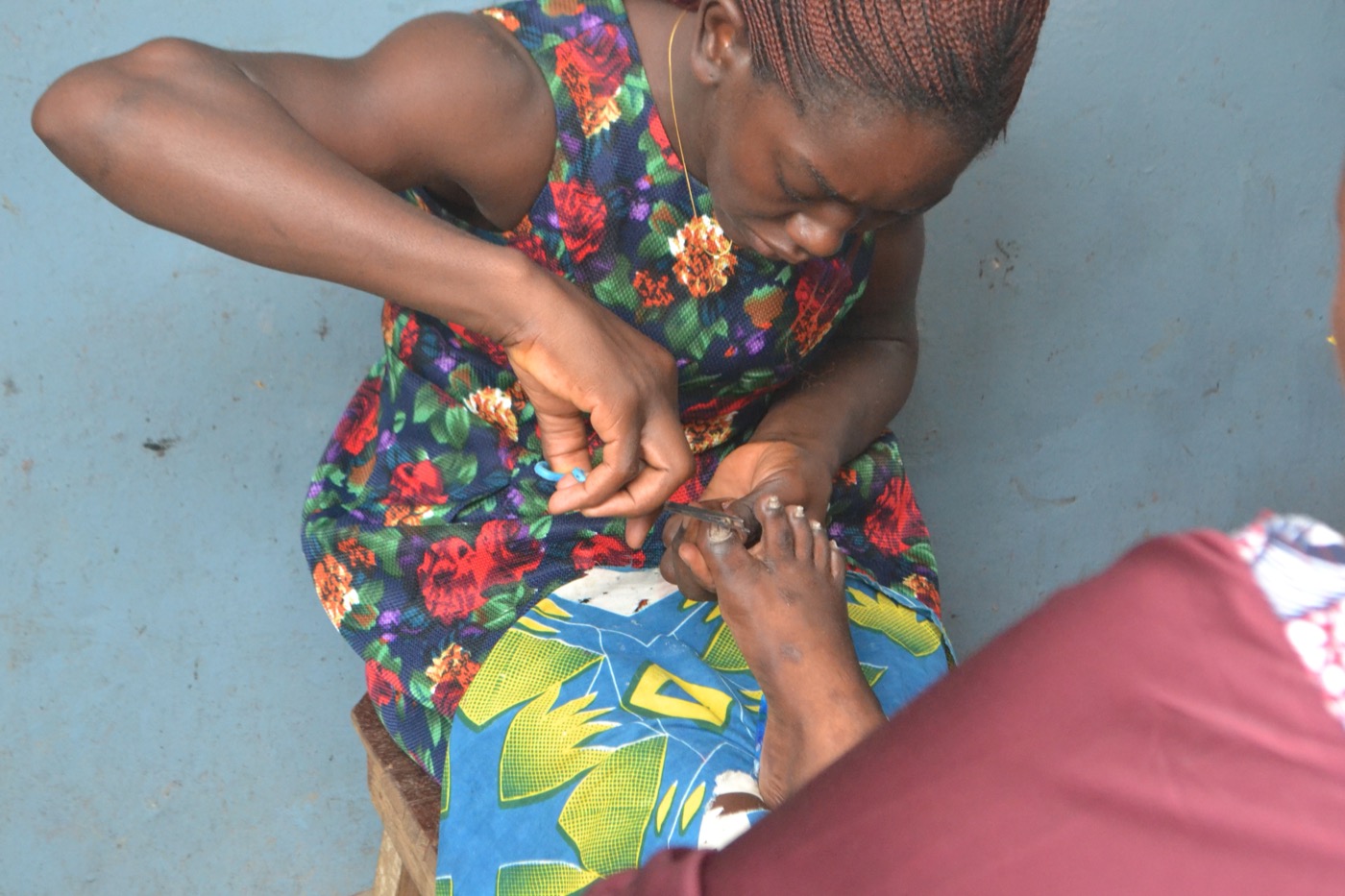
When toenails become thick, curved, or painful, careful foot care is safer than forcing a cut at home. Photo source
The practical search query this article answers is thick toenails too hard to cut at home. It is for an older adult, partner, son, daughter, family member, or carer who can see that normal clippers are no longer enough. This article belongs to the pillar Nail care and painful nail problems.
When thick toenails stop being a simple grooming job
A thick toenail can start as a small nuisance, then become a real daily problem. The nail may press into shoes, catch on socks, curve into the skin, crumble at the edge, or feel too solid for ordinary clippers. For families, the worry is usually practical: how do we keep the nail comfortable without cutting skin or making pain worse?
The NHS notes that nails can become thicker or more brittle with age, and advises trimming straight across rather than cutting down the sides. That makes careful straight trimming and avoiding the nail edges especially important when the nail is already hard to control.
This matters commercially for RMFC because the searcher is often close to needing toenail cutting at home, mobile foot care, a chiropodist at home, or a podiatrist at home. The problem has moved beyond neatness. It is now about comfort, safety, and whether home help in Surrey is the practical next step.
Why toenails become thick or hard to cut
When nails are thick or curved, the problem is often control, visibility, and avoiding rough edges. Photo source
Thick nails can have several causes. Age related nail change is common. Shoe pressure, old injury, fungal infection, toe shape, reduced circulation, and long term rubbing can also change the nail. Sometimes the nail looks yellow, white, crumbly, ridged, or curved. Sometimes it simply becomes too tough for the tool being used.
Nail fungus is one possible reason, especially when the nail is discoloured, thickened, brittle, crumbly, ragged, misshapen, or lifting. If the nail is increasingly thick, painful, or misshapen, self care may not be enough to settle the problem.
Ageing feet add another layer. Skin can become drier and more fragile, walking can become harder, and long nails can make shoe pressure worse. The Royal College of Podiatry explains that routine foot care helps protect comfort and mobility in later life.
What not to do when clippers will not work
Do not keep squeezing harder if the clipper is slipping, twisting, or only crushing the nail. That can split the nail, leave a sharp spike, pull at the nail bed, or make the person flinch. It is also easy to cut skin when the person cannot see clearly, cannot reach comfortably, or has shaky hands.
Avoid knives, razors, scissors not made for nails, heavy pressure, deep corner cutting, and digging under the nail. If the nail edge may be ingrown, sore, red, swollen, or producing discharge, routine cutting at home is not the right first step.
Foot pain should be taken seriously when it changes walking or footwear. Arthritis UK explains that foot and ankle pain can be linked with badly fitting footwear, structural changes, and conditions such as arthritis. If cutting thick nails changes how someone walks, comfort and function matter as much as appearance.
A safe check before anyone tries again
Before another cutting attempt, sit the person somewhere steady and well lit. Look at one toe at a time. Check whether the nail is thick all over or only at the end, whether it is curved, whether the skin around it is red or broken, whether the nail is lifting, whether socks are catching, and whether shoes press on the nail.
Ask about pain when walking, pressure in shoes, reduced feeling, diabetes, poor circulation, blood thinners, recent wounds, swelling, colour change, or whether the nail has changed quickly. These details decide whether routine foot care is sensible or whether medical advice should come first.
Age UK foot care services describe basic support such as toenail cutting, guidance, clinics, and home visits for people who are housebound. That supports a simple point for families: when someone is unable to look after their feet, the setting and level of help should fit the person, not just the nail.
Diabetes and poor feeling change the decision
If the person has diabetes, reduced feeling, poor circulation, a wound, or a history of foot problems, the threshold for help is lower. A small cut from a slipped clipper can be harder to notice and more important to deal with.
Diabetes UK advises regular foot checks and explains that lost feeling can make foot care harder. If sensation is reduced, getting appropriate foot care advice is safer than struggling alone.
NICE also says adults with diabetes should have regular foot checks and should be checked if they think they have a foot problem. So if thick nails sit alongside diabetes, broken skin, inflammation, infection signs, or pressure marks, the whole foot needs attention, not only the nail edge.
How shoes and socks can make thick nails hurt
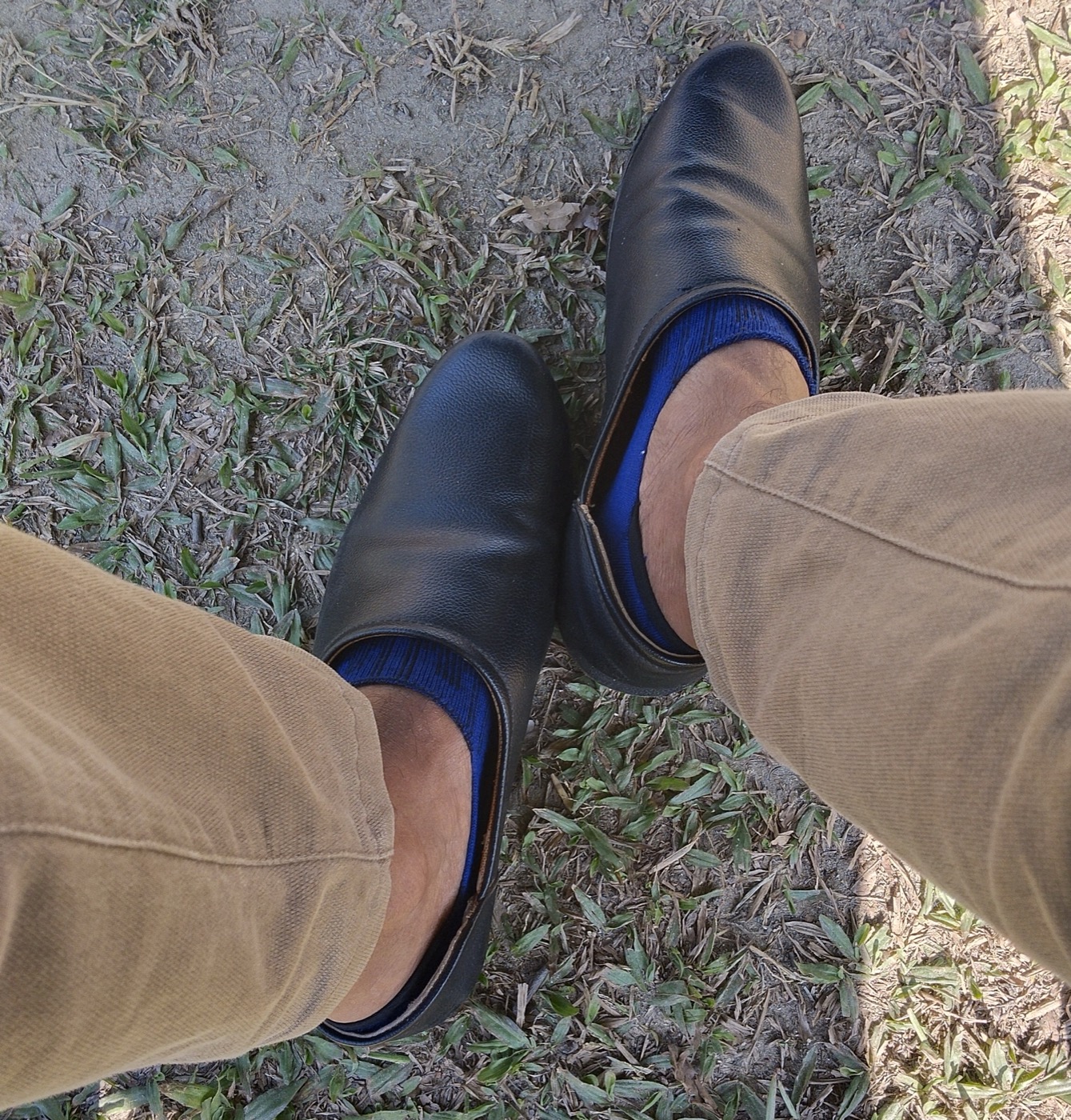
A thick nail often becomes a problem when it presses into shoes, catches on socks, or changes walking comfort. Photo source
A thick toenail can be painless in bare feet but sore inside a shoe. The toe box may press down on the nail, a seam may rub the top of the toe, or a sock may catch on a rough edge. If the person starts choosing loose slippers, avoiding walks, or limping, the nail is now affecting daily life.
Look for red marks on the tops of toes, sock damage, pressure on the end of the nail, or shoes that are too shallow at the front. Do not assume the nail alone is the whole problem. Footwear pressure often explains why the nail becomes painful again after cutting.
General foot health advice also supports checking footwear, skin, nails, and comfort together. Healthdirect gives a broad overview of foot problems and risk factors, including pain, skin changes, and when to seek help. For families, checking the whole foot is more useful than focusing only on the hard nail.
When home visit foot care is the practical next step
A home visit can make sense when the nail is stable but too thick, curved, awkward, or uncomfortable to manage safely at home. It is also useful when travel to a clinic is difficult, the person cannot bend safely, eyesight is poor, a carer is anxious about cutting, or the nail keeps pressing in shoes.
The benefit is not only stronger equipment. It is a calmer setup, a careful look at the nail and surrounding skin, and a chance to consider pressure, footwear, hard skin, comfort, mobility, and whether any sign needs medical advice first.
For RMFC patients in Surrey, use plain language when asking for help: thick toenails too hard to cut, toenail cutting at home, mobile foot care, chiropodist at home, podiatrist at home, painful nail in shoes, diabetes, poor circulation, or reduced mobility. Clear details make it easier to decide whether routine home foot care is suitable.
When to seek medical advice first
Do not treat routine nail cutting as the first answer if there is an open wound, spreading redness, heat, swelling, pus, bleeding, sudden severe pain, a black or rapidly changing toe, fever, or a new diabetes related concern. Those signs need medical advice before routine trimming.
Also pause if the nail is lifting badly, the person has no feeling in the toe, the skin looks infected, or the person cannot communicate pain clearly. In those situations, the risk is not just a difficult nail. It is missing a problem that needs a different route.
If the nail is simply thick, long, awkward, and hard to manage, home visit foot care can be a sensible next step. If the foot looks medically worrying, seek GP, NHS, podiatry, or urgent care advice first.
Key Takeaways
- Thick toenails can become a safety problem when ordinary clippers slip, crush, or make the person cut by force.
- Check the nail, surrounding skin, socks, shoes, pain, diabetes, feeling, and circulation before trying again.
- Do not dig down the nail edges, use blades, or force clippers through a nail that will not cut cleanly.
- Home visit foot care can help when thick nails are stable but difficult, painful, or unsafe to manage at home.
When toenails are too thick to cut at home, the safest answer is not usually more force. Start with a careful check, avoid risky tools, and look at how the nail affects shoes, walking, and daily comfort. If the problem is routine but too difficult to manage safely, RMFC can help with mobile foot care at home in Surrey. If there are wounds, infection signs, sudden changes, severe pain, or diabetes related concerns, get medical advice first.
Need Professional Foot Care?
Book a home visit and get expert treatment without leaving your house