
Thick Toenails at Home: When Clippers Are Unsafe
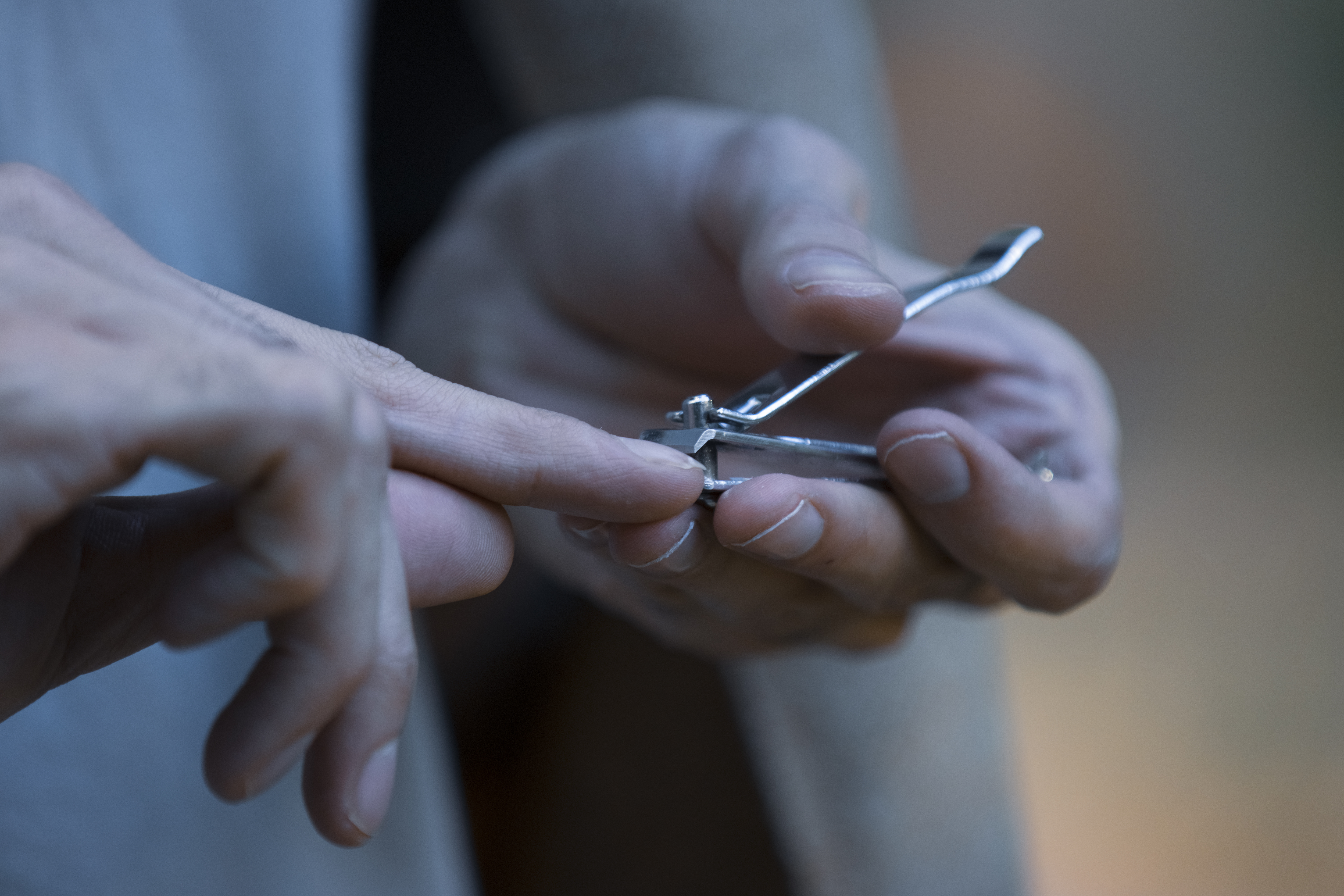
When toenails become thick, hard, painful, or awkward to reach, ordinary clippers can turn routine care into a safety problem. Photo source
The practical search query this article answers is thick toenails cutting at home. It is for an older adult, family member, or carer who has reached the point where toenails are too hard, too curved, too painful, or too awkward to cut safely with normal clippers.
Why thick toenails become a safety problem
Thick toenails are not just a cosmetic nuisance. They can catch on socks, press into shoes, make walking uncomfortable, and become difficult to trim without slipping, tearing the nail, or cutting nearby skin. For someone with reduced mobility, poor eyesight, arthritis, tremor, diabetes, or blood thinner use, the risk is not only the nail. It is the cut, scrape, or delayed wound that can follow a rushed trim.
This article belongs to the pillar Nail care and painful nail problems. It matters commercially for RMFC because searches such as thick toenails cutting at home, toenail cutting at home for elderly, mobile foot care, podiatrist at home, chiropodist at home, and toenail cutting at home near me often come from families who already know that ordinary self care is no longer working.
Foot problems can affect mobility and independence. Older adult foot health guidance notes that foot pain and stiffness are common and can make getting around harder, so persistent foot discomfort deserves practical attention, not just another attempt with stronger clippers.
Signs ordinary clippers are no longer enough
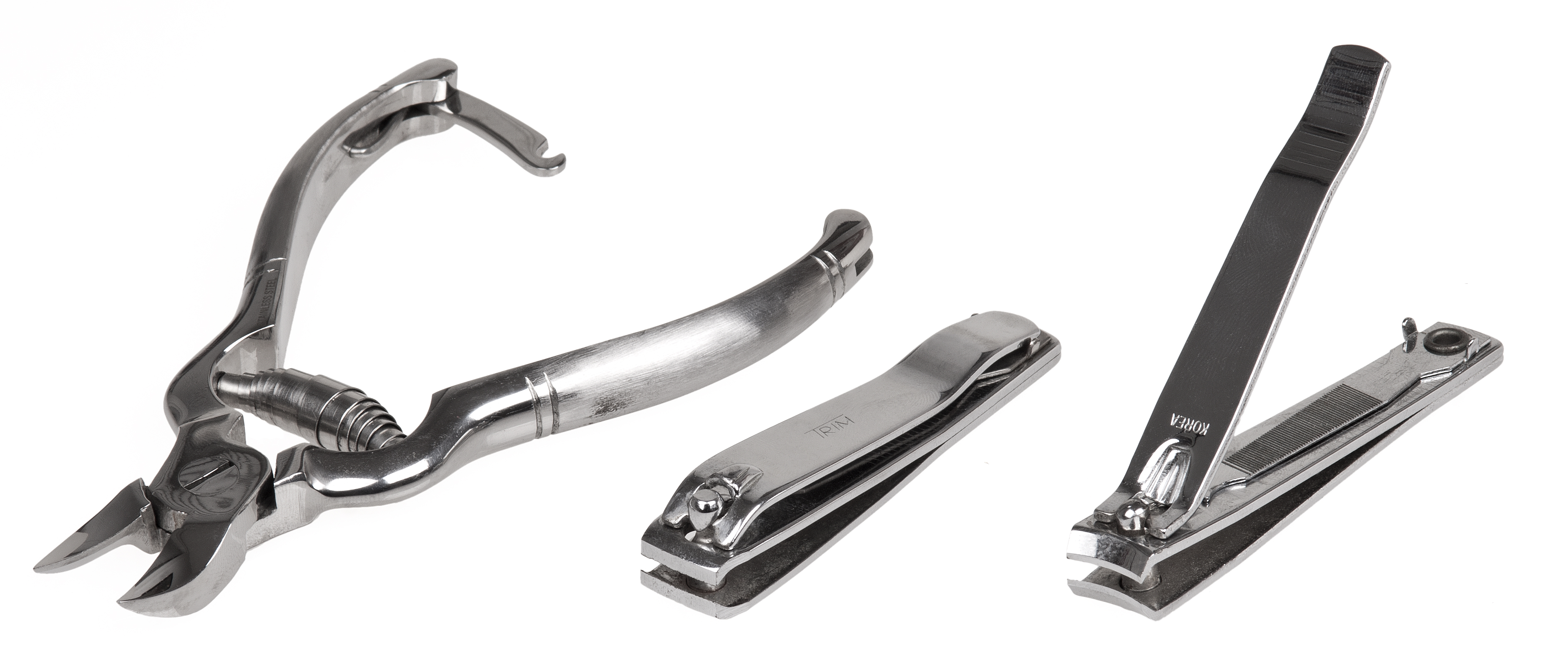
A stronger clipper is not always the safer answer when nails are thick, brittle, painful, or hard to see clearly. Photo source
The clearest warning sign is struggle. If the nail will not fit inside the clipper, cracks instead of cuts, needs excessive force, causes pain, or leaves sharp splintered edges, it is time to stop and reassess. Thick nails often need controlled reduction, smoother shaping, and a view of the nail edge that is hard to get when someone is bent over at home.
Also look for practical clues around the house. Socks may snag. Shoes may feel tight over one toe. The person may avoid certain footwear, walk differently, or delay bathing and dressing because their nails hurt. Nail discomfort can also hide behind a general comment such as “my shoes are uncomfortable”.
NHS advice on corns and calluses is useful here because it explains how pressure and rubbing can make hard skin painful, and it advises people not to cut hard skin themselves. The same safety principle applies to awkward nail care: do not keep cutting when the skin around the foot is already at risk.
Why older adults and carers often delay the problem
Thick nails often build up slowly. A person may manage them for months, then suddenly realise the nail is too hard to cut, the toe is sore in shoes, or bending to reach the foot no longer feels safe. Families and carers may notice only when socks catch, the person complains while walking, or the nail starts pressing into a neighbouring toe.
Carer support guidance recognises that arranging practical help can be difficult when a loved one’s daily needs change. Foot care often sits in that grey area between personal care, health worry, and family logistics, so getting support before a small daily task becomes unsafe can be the calmer choice.
Reduced dexterity matters too. Versus Arthritis explains that hand pain, stiffness, and weak grip can make everyday tasks harder, and nail cutting is exactly the kind of fine controlled task that becomes risky when grip and visibility are poor. If arthritis affects the hands, forcing a clipper through a thick nail can be the wrong job for painful fingers.
When diabetes or numbness changes the answer
If the person has diabetes, numbness, poor circulation, a history of ulcers, or a foot wound, nail cutting deserves extra caution. A small nick may not hurt much at first, and a nail edge pressing into the skin may be missed if feeling is reduced.
Diabetes UK advises people to check their feet every day, cut nails carefully, make sure footwear fits, avoid blades and corn plasters, and get expert advice when looking after feet is difficult. For families, the important point is simple: difficulty seeing, reaching, or safely trimming feet should lower the threshold for help.
The CDC gives a similar practical rule for diabetes: check feet every day for cuts, redness, swelling, sores, blisters, corns, calluses, or changes to nails, and have a foot doctor trim toenails if the person cannot see or reach their feet. That makes safe nail care part of early problem prevention, not a cosmetic extra.
What not to do with thick nails at home
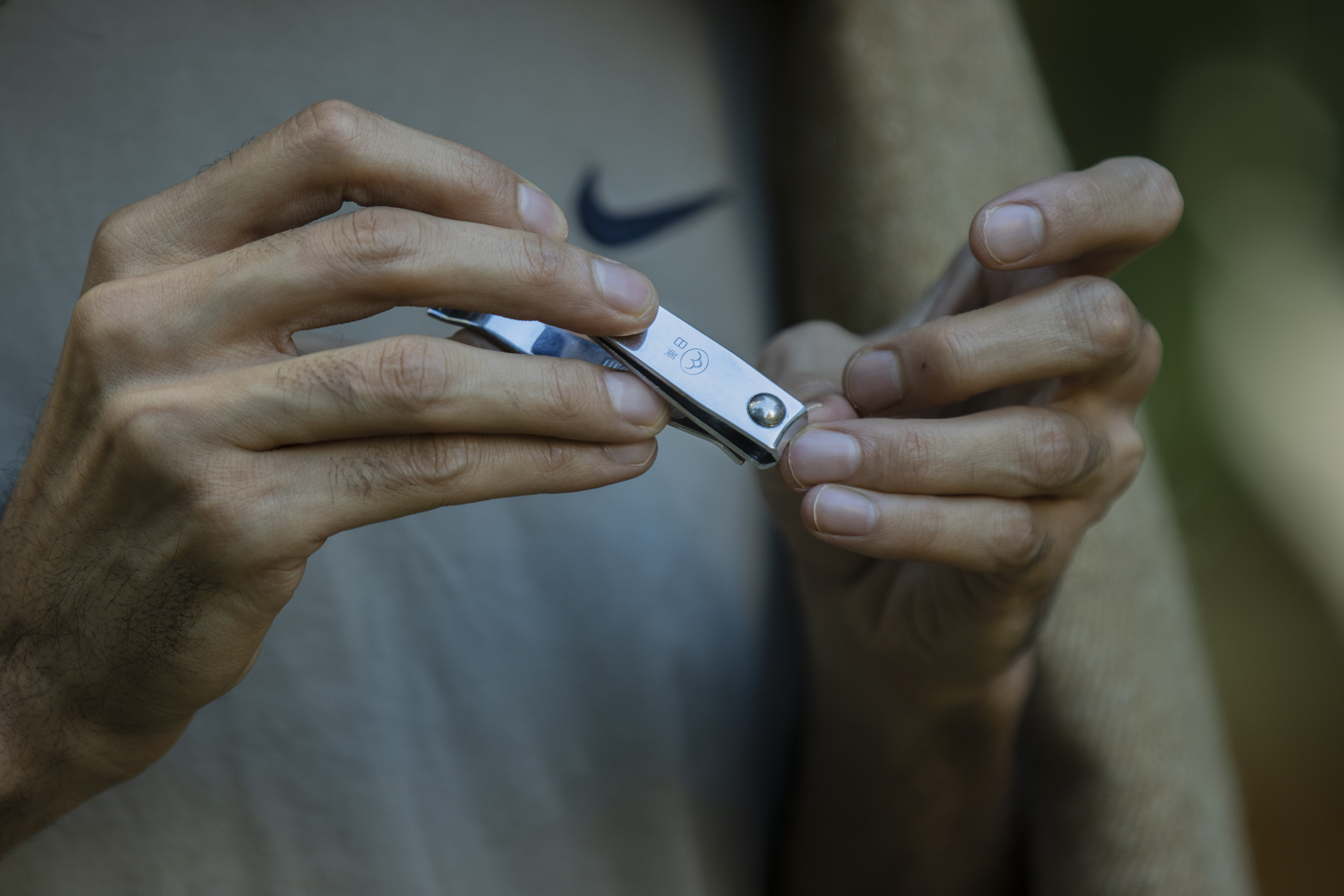
Good nail care needs control, visibility, and a calm position, especially when nails are thick or the person cannot reach comfortably. Photo source
Do not cut into the corners to make the nail look neater. Do not dig down the side of a sore nail. Do not use craft knives, razor blades, scissors, or heavy tools from the garage. Do not cut when the toe is red, hot, swollen, bleeding, weeping, or extremely painful. These are not good moments for DIY.
The NHS foot pain advice pages repeatedly point people towards medical help when pain is severe, there is swelling, injury, signs of infection, or a condition such as diabetes adds risk. If a toe looks angry or the pain is stopping normal activity, the safer route is assessment rather than repeated trimming attempts.
Home safety matters as much as foot technique. The Royal Society for the Prevention of Accidents notes that falls are a major cause of injury among older people, and foot care done while balancing awkwardly on a bath edge, low stool, or bed can create avoidable risk. If reaching the foot feels unstable, do not turn nail cutting into a fall hazard.
What a safer home visit can help with
A home visit is useful when the main problem is access as much as the nail itself. The person may struggle to travel to a clinic, wait in a chair, remove shoes and socks easily, or arrange family transport for what should be a simple appointment. Home visit foot care brings the assessment and nail care into the setting where the person is already most stable.
For thick toenails, the goal is usually careful reduction, safer trimming, smoothing sharp edges, checking surrounding skin, and giving practical advice so the nail is less likely to catch, press, or become painful again. If the nail looks infected, severely ingrown, wounded, or medically concerning, the right next step may be GP, NHS 111, podiatry, or another medical route instead of routine care.
Independent living guidance often focuses on matching support to what the person can do safely. Living Made Easy, for example, frames daily living equipment around safer practical tasks at home. The same thinking applies here: adapt the support around the person’s real ability, rather than asking them to keep forcing a task that has become unsafe.
A family check before booking help
Before booking, note which nails are thick, whether there is pain, whether socks or shoes catch, whether there is redness or broken skin, and whether the person has diabetes, poor circulation, numbness, blood thinner use, recent surgery, or a history of wounds. Good information makes the visit safer and helps decide whether routine foot care is appropriate.
Age UK advice on preventing falls is a useful reminder that small changes in confidence, steadiness, and movement should be taken seriously. If nail pain is making someone shuffle, avoid walking, or rely more on furniture for balance, the problem is affecting independence, not just appearance.
If the person receives paid care or family care, agree who will monitor the nails afterwards. Care Quality Commission guidance for people receiving care at home emphasises that care should be person centred and responsive, and foot care fits that principle when it is planned around real daily needs. Families can use clear home care expectations as a prompt to keep small health and comfort problems visible.
When to ask for prompt medical advice
Ask for prompt medical advice if there is spreading redness, heat, swelling, pus, bleeding, a wound, sudden colour change, severe pain, fever, new numbness, or diabetes with any skin break or worrying change. Thick toenails are common, but infection signs and circulation concerns should not wait for a routine appointment.
The College of Foot Health Practitioners explains that foot health practitioners work with common foot care needs but should also recognise when onward referral is needed. For readers, the practical message is that safe foot care includes knowing when not to treat routinely.
For people in Surrey, home visit toenail cutting with Rithik’s Mobile Foot Care can be a sensible next step when thick nails are hard to manage, provided there are no urgent warning signs that need medical attention first.
Key Takeaways
- Thick toenails become unsafe when they need force, crack under clippers, catch on socks, hurt in shoes, or cannot be seen and reached properly.
- Do not dig down the sides, use blades, or keep cutting if the toe is red, swollen, bleeding, weeping, or very painful.
- Diabetes, numbness, poor circulation, wounds, and infection signs should lower the threshold for medical advice.
- A home visit can help when thick nail care is difficult because of mobility, eyesight, grip, travel, or carer logistics.
- The safest plan is practical: check the nail, check the skin, avoid risky DIY, and get the right level of help early.
Thick toenails are easy to underestimate until ordinary clippers stop working. If cutting has become painful, awkward, risky, or dependent on family improvisation, it is reasonable to pause and get help. For many older adults and carers, safer toenail care at home is not about vanity. It is about comfort, steadier walking, fewer small injuries, and less worry around a task that used to be simple.
Need Professional Foot Care?
Book a home visit and get expert treatment without leaving your house