
Swollen Feet: When Foot Care Should Wait

Swollen feet often affect walking, shoes, and confidence before the person knows whether routine foot care is still the right next step. Photo source
The practical search query this article answers is swollen feet home foot care. It is for an older adult, carer, or family member looking at puffy ankles, tighter shoes, shiny skin, discomfort, or a sudden change and wondering whether to book home visit foot care, a chiropodist at home, a podiatrist at home, or medical advice first. This article belongs to the pillar Home visit foot care for older adults, diabetes, and reduced mobility because the core problem is safe access to routine care when swelling may change what should happen next.
Why swelling changes the foot care decision
Swollen feet are not one single problem. They can come from sitting still for too long, tight footwear, heat, medication, injury, circulation changes, diabetes, infection, or heart, kidney, liver, or vein problems. The useful question is not whether the feet need care. It is whether today is the right day for routine nail cutting, hard skin care, or a home visit appointment.
NHS guidance explains that oedema can cause puffy ankles, stretched skin, colour changes, discomfort, stiffness, and dents when the skin is pressed. It also says sudden, severe, painful, one sided, hot, red, or diabetes related swelling needs more caution. For families, new swelling should be checked against the warning signs first, before anyone focuses on toenails or hard skin.
This matters commercially for RMFC because many searches around home visit foot care, mobile foot care, chiropodist at home, podiatrist at home, and toenail cutting at home begin with a practical access problem. The person cannot easily travel, but the family also needs to know whether home foot care is suitable or whether medical advice should come first.
Check what has changed before booking
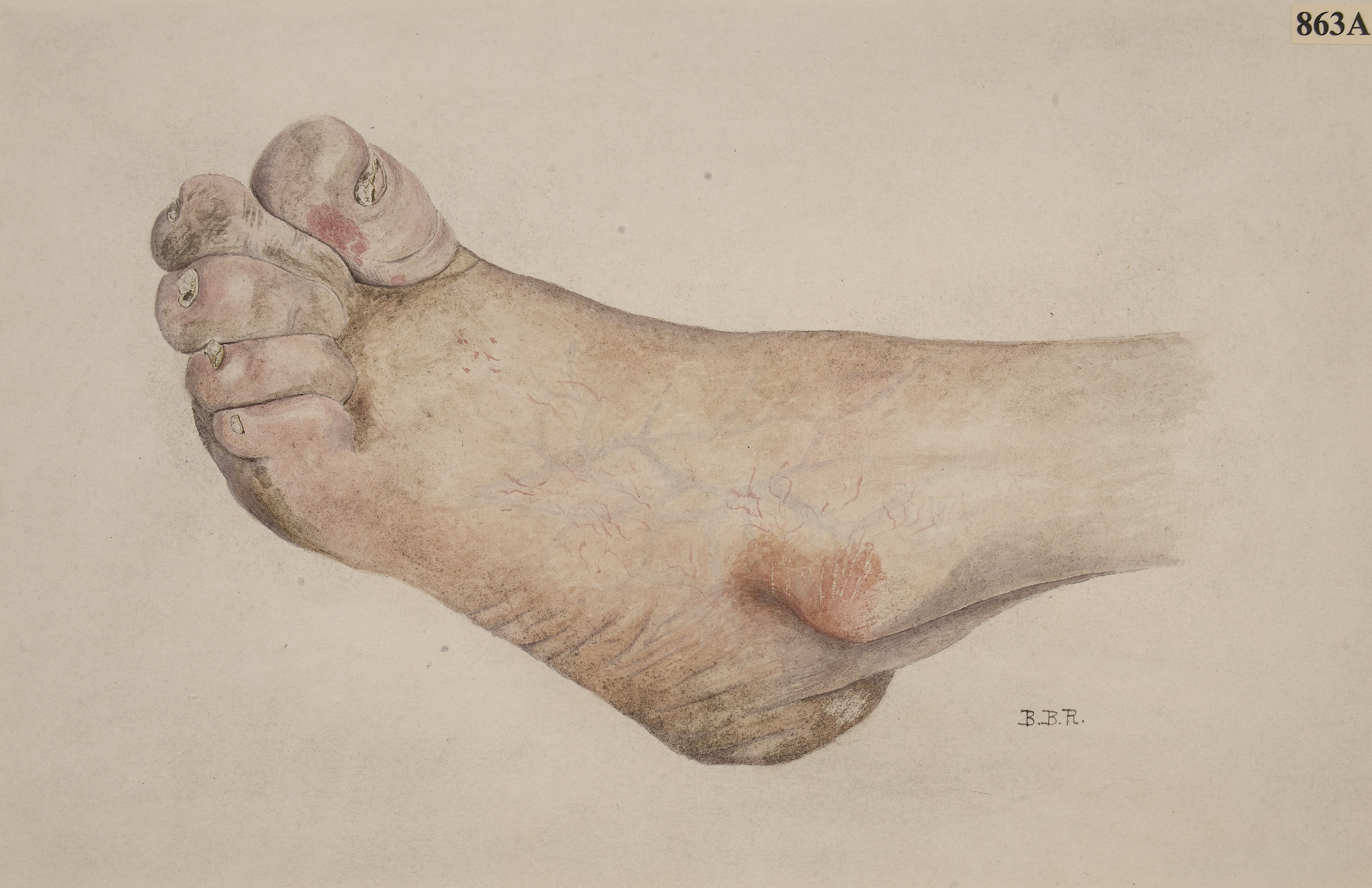
Visible swelling, stretched skin, redness, pain, or sudden change can alter whether routine foot care is appropriate that day. Photo source
Start with a calm comparison. Are both feet swollen, or just one? Did it appear suddenly, or has it built up over days? Is the skin hot, red, tight, shiny, broken, leaking, blistered, or painful? Are shoes suddenly too tight? Has walking changed? Is there shortness of breath, chest tightness, fever, confusion, or a recent injury? These details decide whether routine foot care should go ahead, wait, or be replaced by medical advice.
If the person has diabetes, swelling deserves extra caution. Diabetes UK lists swollen feet, difficulty putting shoes on, wounds that do not heal, loss of feeling, cramps, colour change, and other foot changes as reasons to speak to a GP or foot protection team. That makes new swelling in a diabetic foot a medical route question first, not only a comfort issue.
Write the answers down before contacting anyone. A useful message is: both ankles have been swollen for three days, shoes feel tight, there is no broken skin, but Dad has diabetes and reduced feeling. That is more helpful than saying the feet look bad, and it helps the next professional decide the safest route.
When routine foot care should wait
Routine home visit foot care should wait if the swelling is sudden, severe, one sided without a clear cause, hot, red, very painful, linked with fever, linked with injury, or accompanied by chest symptoms or breathlessness. It should also wait if there is a wound, discharge, spreading redness, a new black or blue toe, or a diabetic foot change that worries you.
NICE diabetic foot recommendations describe community foot protection services, multidisciplinary care, and the need to make access arrangements for people who are housebound, disabled, visually impaired, or living in care settings. The practical family takeaway is that higher risk diabetic foot problems need the right care pathway, even when leaving the house is difficult.
The Mayo Clinic lists leg swelling causes that range from everyday fluid build up to more serious medical issues. That is why new or unexplained swelling should not be treated as a simple nail cutting problem. A careful foot care practitioner can work within scope, but they should not be the substitute for urgent medical assessment when warning signs are present.
What can still help at home

When swelling is stable and suitable for routine care, the focus is comfort, pressure checks, safe nail care, and knowing when to stop. Photo source
If there are no red flags and the swelling is already known, mild, stable, or being managed with medical advice, practical foot comfort still matters. Keep shoes wide enough, avoid tight socks that dig in, check for pressure marks, keep the skin clean and dry, moisturise dry areas away from broken skin if appropriate, and avoid standing or sitting still for long periods if movement is safe.
The CDC's diabetes foot advice is useful even beyond diabetes because it keeps the routine simple: check feet daily, look for swelling, sores, blisters, corns, calluses, and nail changes, use a mirror or ask someone to help if the soles are hard to see, and do not remove corns or calluses yourself. For carers, a repeatable daily foot check catches small changes earlier.
For corns and calluses, the NHS warns older people, people with diabetes, people with circulation problems, and people with weakened immunity not to cut or treat hard skin themselves. If swelling is making shoes tighter, pressure related hard skin should be handled gently rather than attacked with blades or strong products.
When a home visit makes sense
A home visit can make sense when the swelling has been assessed or is stable, there are no urgent warning signs, and the main problem is routine foot comfort. That may include toenails that are difficult to cut, thickened nails catching on socks, hard skin made worse by shoe pressure, cracked heels, or reduced mobility that makes clinic travel unrealistic.
Age UK describes foot care in later life as a way to reduce pain, infection risk, and falls risk, and notes that some foot care services can be accessed at home for people who are housebound. That supports the everyday reality that home based foot care can be a normal support route in later life, especially when travel is the barrier.
If the family specifically needs a registered podiatrist, the HCPC register is available to check health and care professionals who meet registration standards, and the Royal College of Podiatry offers a route to find a podiatrist where that level of care is needed. For routine home visit foot care in Surrey, the safer starting point is to explain the swelling, medical history, current symptoms, and what practical foot care is being requested.
For people in Surrey, Rithik's Mobile Foot Care can help with routine home visit foot care where suitable, including toenail cutting, thickened nails, hard skin, corns, callus, cracked heels, and diabetic foot care where appropriate. If swelling looks sudden, painful, hot, red, one sided, linked with diabetes concerns, or connected with breathlessness or chest symptoms, medical advice should come first.
Key Takeaways
- Swollen feet can change whether routine foot care is safe that day.
- Sudden, severe, hot, red, one sided, painful, or diabetes related swelling needs medical advice first.
- Stable swelling without warning signs may still allow routine nail and skin care if the foot is suitable.
- Home visit foot care is useful when travel, bending, footwear pressure, or reduced mobility makes routine care harder.
Swollen feet do not automatically mean foot care is impossible, but they do mean the decision should slow down. Check what changed, look for warning signs, and treat diabetes, wounds, sudden pain, redness, heat, or breathlessness as medical advice issues first. When swelling is stable and routine care is suitable, home visit foot care can help keep nails, hard skin, shoes, and comfort manageable without the stress of clinic travel.
Need Professional Foot Care?
Book a home visit and get expert treatment without leaving your house