
When Swollen Feet Make Foot Care Harder
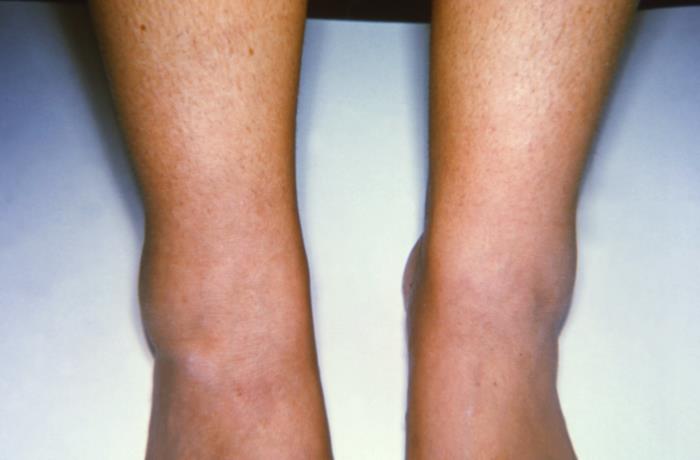
Swollen feet can make shoes, socks, nail care, and skin checks harder. Photo source
The practical search query this article answers is swollen feet elderly. It is for an older adult, carer, or family member who has noticed swollen feet and wants to know when routine foot care at home is sensible, when to stop and ask for medical advice, and how to avoid making the feet sore while trying to help.
Why swelling changes ordinary foot care
When feet are swollen, routine care can stop feeling routine. Shoes may feel tight, socks may mark the skin, toenails may be harder to see, and bending down to check the soles can feel unsafe. For an older adult or someone with reduced mobility, swollen feet can turn nail cutting, skin checks, and shoe comfort into a daily practical problem.
Lower leg and foot swelling is often caused by fluid building up in the tissues. Common triggers include sitting or standing still for too long, some medicines, varicose veins, injury, infection, and heart, kidney, liver, or thyroid problems. That is why the first job is not to force the foot into shoes or clippers. It is to understand whether the swelling is new, worsening, painful, or part of a known condition.
General oedema guidance describes swelling as puffy ankles, feet or legs, shiny or stretched skin, stiffness, discomfort, colour change, and skin that dents when pressed. Other medical summaries make the same practical point: swelling can restrict ankle movement and feel uncomfortable, and fluid swelling is more likely to show in the legs and feet.
What to check before touching nails or hard skin
Before cutting nails, reducing hard skin, or trying a home remedy, check the whole foot rather than only the area that looks untidy. Look at the toes, heels, between the toes, the sole, the ankle, and the line where socks or shoes press. Notice whether the skin is shiny, stretched, cracked, damp, red, hot, or marked by deep sock ridges.
Nail care is harder when swelling changes the shape of the toes or makes shoes press in a new place. The NHS notes that nails can become thicker or more brittle with age, and that someone should see a podiatrist if nails are too tough to cut or they cannot reach them. Swelling adds another reason to avoid forceful cutting, because a small nick may be harder to notice under pressure, discomfort, or reduced feeling.
If diabetes is involved, the checking step matters even more. Diabetes can damage nerves and blood vessels in the feet, and warning signs can include loss of feeling, swelling, cuts or sores that do not heal, and walking becoming more difficult. Public health foot care guidance gives a simple routine: check feet every day and ask for help if the sole is hard to see.
When swelling needs medical advice
Swollen feet are not always an emergency, but some patterns should not wait for routine foot care. Get medical advice quickly if one foot or leg is swollen without an obvious cause, if swelling is severe, painful, sudden, red, hot, linked with an injury, or getting worse, or if diabetes and swollen feet happen together.
Call emergency services if swelling comes with breathlessness, chest pain, coughing up blood, feeling faint, confusion, clamminess, or a tight heavy chest. Those symptoms can point to something more serious than a foot care problem. Medical guidance also says swelling that is not going away or is making the family concerned should be checked by a healthcare provider.
One sided swelling with calf or thigh pain is also a warning pattern. DVT guidance lists throbbing pain in one leg, swelling in one leg, red or darkened skin around the painful area, and swollen veins as symptoms that need urgent assessment. If swelling follows a long period of sitting and does not settle, especially with pain on one side, do not treat it as ordinary swollen feet.
Shoes, socks and compression need care
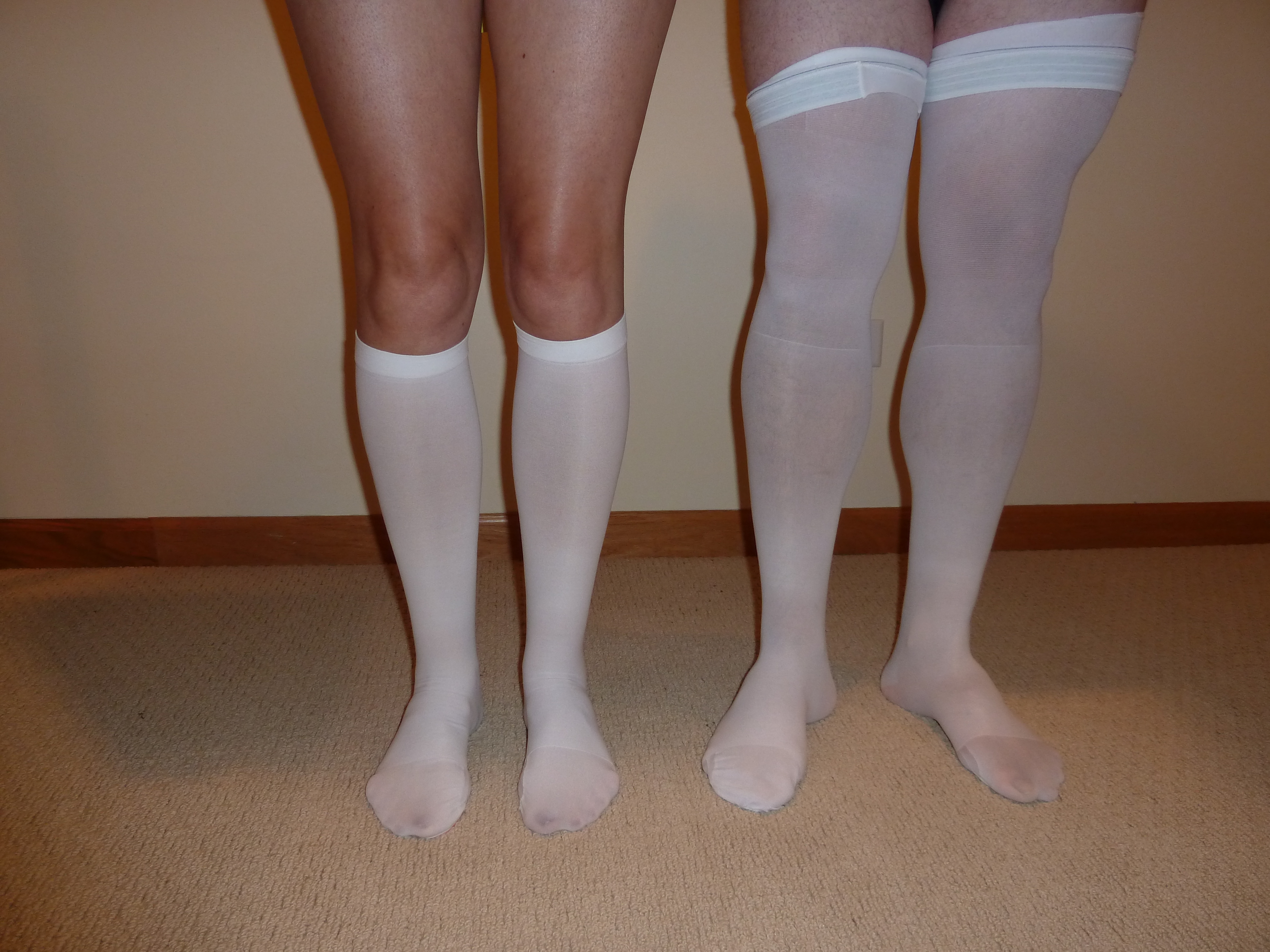
Compression and support hosiery need the right fit and the right advice. Photo source
It is tempting to solve swollen feet by loosening shoes, buying wider slippers, or putting on support stockings. Those things can help some people, but they can also hide pressure, rub fragile skin, or create a new problem if they are used without the right fit.
Wide comfortable shoes and gentle movement are common advice for swelling, but the detail matters. A shoe that feels soft can still press on a swollen toe joint. A sock that leaves a deep line may be too tight. A slipper that is loose enough for swelling may be loose enough to increase trip risk. The practical test is whether the foot can sit comfortably without pressure marks, rubbing, slipping, or hidden damp skin.
Compression is a good example of why advice should be individual. General oedema information often mentions keeping legs raised and wearing support stockings when advised, while lymphoedema support guidance describes compression garments as one part of a treatment programme that may also include skin care, exercise advice, and specialist drainage techniques. For older adults, diabetes, poor circulation, skin fragility, or unexplained swelling, it is safer to ask a GP, nurse, foot team, or appropriate clinician before starting compression on your own.
How home foot care can help
Home visit foot care helps when the foot problem and the travel problem are happening together. The person may need nails trimmed, hard skin reduced, shoes checked, or a sore area looked at, but the swollen feet make walking, getting into the car, or sitting in a waiting room harder.
Foot pain and foot disorders are common in later life, and they can make everyday tasks harder, including walking, using stairs, preparing meals, and using the toilet. Falls prevention advice also reminds people to reduce unsafe reaching and to set up tasks so they do not create fatigue or loss of balance. That same thinking applies to foot care: if bending to reach swollen feet feels unsafe, foot comfort is part of independence and unsafe reaching should be designed out of daily tasks.
Parkinson’s can add another layer. Swelling may happen when movement is reduced, and foot or ankle stiffness can affect gait, balance, shoe fit, and confidence. A home visit cannot diagnose the cause of swelling, but it can make routine foot care more realistic when swelling and stiffness make shoes and walking harder and there are no urgent medical warning signs.
What to tell the practitioner before a visit
Before a home foot care appointment, tell the practitioner when the swelling started, whether it affects one or both feet, whether it changes overnight, and whether there is pain, redness, heat, broken skin, discharge, numbness, diabetes, heart or kidney disease, recent injury, a new medicine, or a history of ulcers.
That information changes what is appropriate. Professional diabetes foot guidance treats foot risk as something that needs clear pathways and the right level of care, not guesswork. The Royal College of Podiatry explains that diabetes can affect nerves, blood vessels, healing, and the ability to fight infection, which is why scratches, cuts, blisters, hard skin, and reduced feeling deserve care.
For RMFC, the commercial reason this topic matters is simple: many people searching for swollen feet elderly are not looking for a medical lecture. They are trying to work out whether it is safe to keep cutting nails, whether a parent needs help, and whether foot care can happen at home. A careful home visit foot care enquiry can help with routine nail and skin care, but unexplained, sudden, painful, infected, one sided, or diabetes related swelling should be checked medically first.
Key Takeaways
- Swollen feet can make ordinary nail cutting, shoe comfort, and skin checks harder, especially for older adults and carers.
- New, severe, painful, one sided, hot, red, sudden, or diabetes related swelling should be checked medically before routine foot care.
- Diabetes, reduced feeling, fragile skin, or poor circulation makes small cuts and pressure marks more important.
- Compression, socks, and wider shoes need the right fit and should not hide rubbing, damp skin, wounds, or worsening swelling.
- Home visit foot care can help with routine nail and skin care when travel and bending are the barrier, as long as urgent warning signs are absent.
Swollen feet are not just a comfort issue. They can change how safe it is to cut nails, manage hard skin, choose shoes, and keep feet clean. If the swelling is explained and stable, home visit foot care may make routine care easier. If it is new, sudden, painful, one sided, hot, red, linked with diabetes, or worrying in any way, get medical advice before treating it as a routine foot care appointment.
Need Professional Foot Care?
Book a home visit and get expert treatment without leaving your house