
How to Soften Elderly Toenails Safely
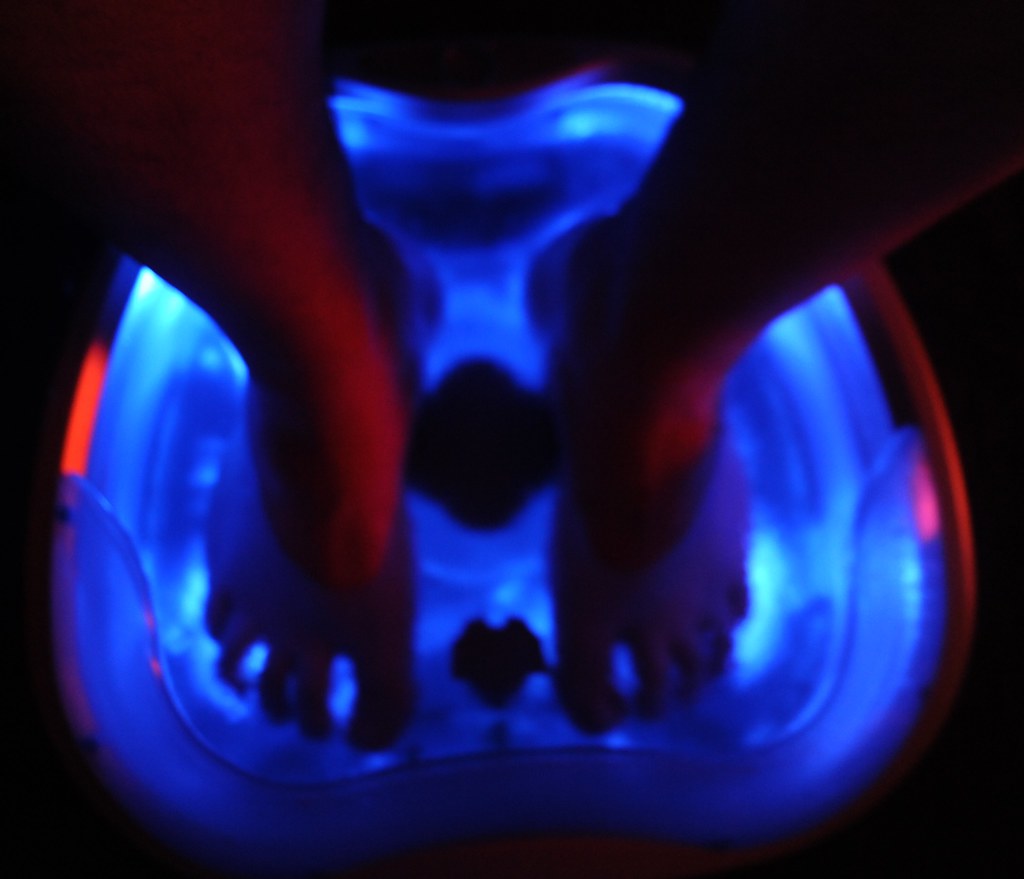
Warm water can make ordinary nail care easier, but soaking is not a fix for painful, infected, very thick, or higher risk feet. Photo source
The practical search query this article answers is how to soften elderly toenails. It is for an older person, adult child, partner, or carer who has noticed that toenails are too hard to cut, too thick for normal clippers, catching on socks, pressing into shoes, or becoming risky to manage without help.
Why elderly toenails become hard to cut
Toenails can become harder to manage with age because nails often thicken, curve, dry out, or grow more slowly. The bigger problem is not always the nail itself. It may be bending, eyesight, grip strength, pain, swelling, diabetes, poor circulation, or fear of making a cut that will not heal well.
That is why this is a strong RMFC topic commercially. People searching for how to soften elderly toenails are often close to searching for toenail cutting at home, mobile foot care, chiropodist at home, podiatrist at home, or elderly toenail cutting service. The problem starts as a DIY question, but the real need is often safe routine nail care without travelling to a clinic.
Later life foot care is not cosmetic fuss. Foot care services for older people are described as helping to relieve pain, reduce infection risk, lower fall risk, and support people who cannot care for their own feet. If nails are now difficult to cut, treat that as a practical mobility and comfort issue, not a small embarrassment.
Start with a gentle check before soaking
Before soaking or cutting, look at the whole foot in good light. Check the skin between the toes, the heels, the nail edges, the ball of the foot, and anywhere shoes rub. Stop if there is broken skin, bleeding, discharge, spreading redness, heat, swelling, sudden colour change, severe pain, or a wound that is not healing.
General foot health advice says people should examine feet regularly, wear comfortable shoes, wash feet daily with lukewarm water, and trim toenails straight across and not too short. That sounds simple, but it assumes the person can see, reach, and safely handle the nail. Many older adults cannot.
Foot problems are common in later life, and foot pain can make walking, stairs, cooking, toileting, balance, and daily activities harder. If nail cutting has become a stressful job that everyone delays, the safer answer may be support, not bigger clippers.
How to soften nails when the foot is low risk
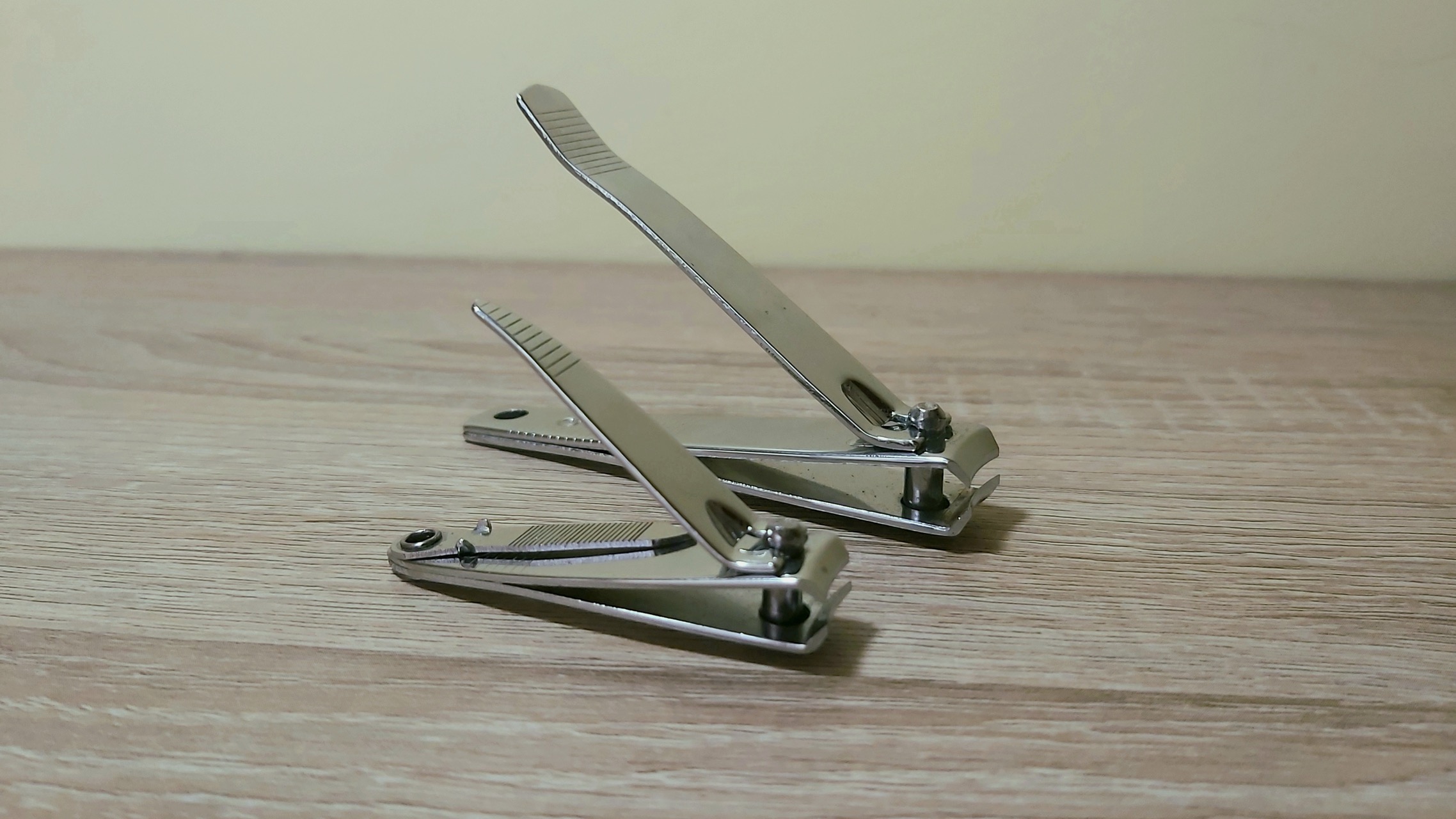
Use clean, suitable tools only after the nail has softened, and stop if the nail is painful, unusually thick, or difficult to control. Photo source
If the foot is low risk and there are no warning signs, a short soak in warm water can help soften the nail before trimming. Use warm, not hot, water. Keep the soak short enough that the skin does not become waterlogged. Dry carefully afterwards, especially between the toes.
Cut a small amount at a time. Do not dig down the sides of the nail, do not cut into corners, and do not force clippers through a thick nail. If the nail splinters, bends the clipper, hurts, or feels out of control, stop. The goal is comfort and safety, not forcing the nail to look perfect in one sitting.
Ageing feet can involve thinner skin, reduced padding, dry fragile skin, arthritis, diabetes, slower healing, and mobility problems. Professional podiatry guidance on ageing feet makes clear that comfort, pain relief, mobility, and routine care all matter as feet change with age.
When softening is not enough
A soak can soften a normal nail edge. It cannot safely solve every hard nail. If toenails are very thick, crumbly, deeply curved, painful at the sides, pressing into skin, discoloured, lifting, or too hard for ordinary tools, there may be fungal nail change, pressure damage, an ingrown edge, trauma, or another problem that needs proper assessment.
This is where families can accidentally make things worse. A thicker clipper, a blade, a knife, scissors, or repeated digging at the nail edge can cause a cut before anyone realises it. That risk rises when the person has reduced feeling, poor eyesight, shaky hands, blood thinning medication, diabetes, or poor circulation.
If the family is specifically looking for a registered podiatrist, the professional register is available to check health and care professionals who meet registration standards. For routine home visit foot care, ask clearly what the service can treat, what is outside scope, and when onward medical advice would be recommended.
Diabetes changes the threshold for help
If the person has diabetes, do not treat hard toenails as only a trimming problem. Diabetes can reduce feeling and affect blood flow, which means a small cut, blister, or sore patch may be missed until it becomes more serious. Diabetes foot care advice stresses that people should check feet regularly and get help if feeling is reduced or foot changes appear.
Diabetes foot checks look beyond nails. They include skin, hard skin, infection signs, foot shape, footwear, feeling, and pulses, because rubbing, pressure, ulcers, sores, hard skin, and infection signs all matter. That is a different level of caution from ordinary nail softening.
The same practical message appears in diabetes prevention guidance: people should check feet every day, even if they feel fine. If diabetes is involved and there is new pain, broken skin, swelling, heat, discharge, colour change, numbness, or a sore that is not healing, seek medical advice before routine nail cutting.
Why carers should not feel forced to cut
Family members often feel they should be able to help because nail cutting sounds basic. The problem is that elderly toenails can be physically difficult, and the carer may not know where ordinary care ends and clinical risk begins. It is reasonable to say, I am not confident doing this safely.
Carers often need practical support around day to day care, and that can include knowing when a task should be shared with someone more suitable. Carers UK frames practical support around getting help with daily care needs rather than carrying every task alone.
The gentlest route is often to change the conversation. Instead of saying, I need to cut your nails, say, your shoes look uncomfortable and I do not want to hurt you. A home visit can then feel like practical help rather than a family argument.
Mobility, eyesight, and balance matter too
Toenail cutting becomes risky when the person cannot reach the foot safely, cannot see the nail edge clearly, cannot feel pressure properly, or becomes unsteady while trying. That is why the problem often appears after arthritis, a fall, surgery, Parkinson's, stroke, dementia, or general frailty.
Parkinson's can affect gait, balance, stiffness, freezing, and the way the foot moves, which may lead to pressure problems, pain, and difficulty with normal walking patterns. If movement has changed, nail care should be part of a wider comfort and mobility picture.
Falls prevention advice for older adults highlights that vision, medicines, balance, health conditions, and the home environment can all affect fall risk. Staying active matters, but fear of falling can make older people avoid normal activities. Foot pain or long nails are not the only cause of falls, but they can add avoidable discomfort.
When a home visit is the safer next step
A home visit makes sense when nails are too thick for safe family trimming, the person cannot travel easily, bending is difficult, the family is worried about causing a cut, or nail care keeps being delayed until shoes hurt. It is also useful when hard skin, corns, cracked heels, swelling, or painful nail edges need checking at the same time.
The value is not only shorter nails. A good visit can look at what is making the nail care hard, whether the usual shoes or slippers are adding pressure, whether routine care is enough, and whether any warning signs need GP, NHS podiatry, or urgent medical advice instead.
For people in Surrey, booking home visit foot care with Rithik's Mobile Foot Care can be a sensible next step when elderly toenails are too hard, thick, or awkward to manage safely at home. If there is diabetes with new broken skin, redness, swelling, heat, discharge, sudden pain, or reduced feeling, seek medical advice first.
Key Takeaways
- Warm water can help soften low risk toenails, but it does not make painful, infected, or very thick nails safe to force through clippers.
- Check the whole foot before cutting, including skin, nail edges, swelling, colour, pain, and signs of infection.
- Do not dig down nail sides, cut too short, use blades, or force tools through thick nails.
- Diabetes, reduced feeling, poor circulation, broken skin, discharge, redness, heat, swelling, or a non healing sore should lower the threshold for medical advice.
- Home visit foot care can help when travel, bending, eyesight, grip, thick nails, or carer confidence make routine nail care difficult.
Softening elderly toenails can be safe when the foot is low risk, the soak is gentle, and the trimming is careful. The important word is careful. If the nail is painful, very thick, curved into the skin, hard to control, or linked with diabetes or poor healing risk, do not turn a small routine task into an injury. Get the right help early, especially when home visit foot care would remove the travel, bending, and family pressure from the problem.
Need Professional Foot Care?
Book a home visit and get expert treatment without leaving your house