
Smelly Feet in Older Adults: What to Check
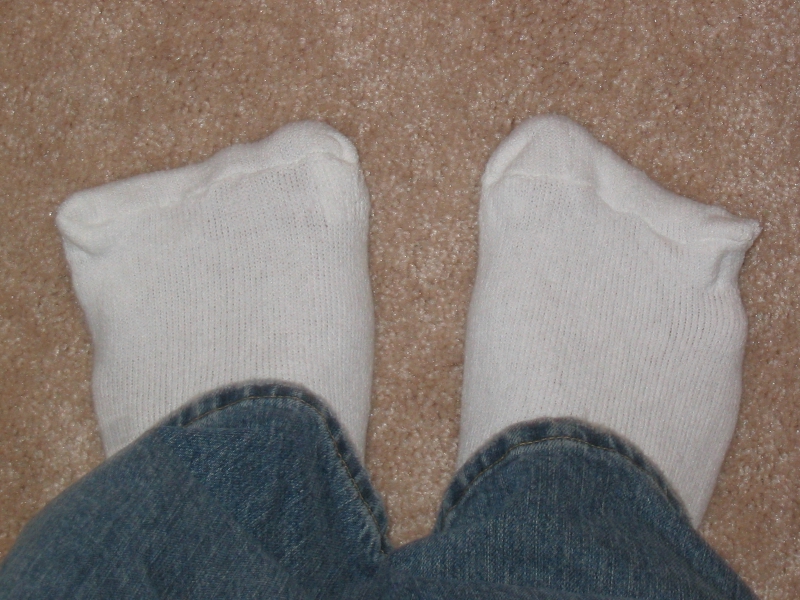
Foot odour in later life is often a signal to check socks, shoes, skin, toe spaces, and any health risks calmly. Photo source
The practical search query this article answers is smelly feet in older adults. It is for a son, daughter, spouse, carer, or older adult who has noticed that feet, socks, slippers, shoes, or bedding smell different and wants to know what to check without causing embarrassment. This article belongs to the pillar Corn, callus, cracked heel, and skin discomfort relief because the odour often starts with skin, sweat, damp toe spaces, footwear, and routine comfort problems.
Why foot odour can start in later life
Smelly feet are not always a sign that someone is unclean. In later life, the practical causes can be simple: socks worn for too long, slippers that never fully dry, feet that sweat in closed shoes, skin that stays damp between the toes, or difficulty bending to wash and dry properly.
The commercial reason this matters for RMFC is that odour is often the first thing a family notices before pain is mentioned. It can be embarrassing, so people delay asking for help. A calm home visit foot care conversation can turn the problem into a practical check of skin, nails, socks, shoes, mobility, and safety.
Cleveland Clinic explains that bromodosis is the medical term for smelly feet and that sweat, bacteria, footwear, and hygiene patterns can contribute. For families, the useful point is that foot odour usually has practical causes worth checking, not just blame or embarrassment.
Check socks shoes and toe spaces first
Start with the everyday items. Are socks changed daily? Do slippers smell stronger than shoes? Are shoes damp inside? Does the person wear the same pair every day? Are socks tight, synthetic, or hard to put on? If shoes or slippers do not dry between wears, the skin may stay warm and damp for longer than expected.
Then check the feet in good light. Look between the toes, around the nails, under the toes if safe, and around any hard skin. Notice whether the skin is dry and flaky, damp and white, split, sore, red, swollen, bleeding, or weeping. Odour with broken skin or discharge should not be treated as ordinary sweaty feet.
Versus Arthritis links sore feet with footwear, comfort, and practical foot care. That matters because stiff joints, painful bending, swollen feet, and awkward shoes can make washing, drying, sock changes, and shoe choice harder, so footwear comfort is part of the check.
When odour may suggest athlete's foot
Athlete's foot is one common reason feet smell different, especially if there is itch, peeling, damp white skin, splitting, or soreness between the toes. The smell alone does not prove a fungal infection, but odour plus toe space changes is a stronger clue than odour from shoes alone.
NHS guidance says athlete's foot can cause itchy white patches between the toes, sore and flaky patches, cracked or bleeding skin, and sometimes blisters. It also says a pharmacist can help with antifungal creams, sprays, or powders, although treatments are not all suitable for everyone.
The Royal College of Podiatry describes athlete's foot as a fungal infection that can affect moist, waterlogged skin, often between the fourth and fifth toes at first. It can lead to intense itching, cracking, blistering, peeling, redness, scaling, and painful fissures, so damp toe spaces deserve a careful look.
Patient.info also notes that athlete's foot can keep coming back, especially when warm damp conditions continue. That is why drying, socks, shoes, and repeat prevention matter, not only a one off cream.
Do not miss nail or skin warning signs
Odour can also sit alongside thick nails, debris under nails, cracked skin, pressure areas, or wounds. If a toenail is thick, crumbly, lifted, painful, or discoloured, do not force clippers under it or dig around the nail to remove smell. That can break fragile skin and make the problem worse.
MedlinePlus describes fungal nail infection as a problem that can make nails discoloured, thick, brittle, crumbly, or separated from the nail bed. In practical terms, a changed nail plus odour needs careful handling, especially when the person cannot see or reach it safely.
Mayo Clinic advises medical advice for athlete's foot if the foot is swollen, warm to the touch, leaking pus, or if there is diabetes and suspected athlete's foot. That supports a simple safety rule: odour with infection signs is not routine foot care.
Extra caution with diabetes or reduced feeling
If the person has diabetes, poor circulation, reduced feeling, previous ulcers, immune suppression, or a wound, lower the threshold for advice. Do not wait for pain to prove the problem is serious, because reduced feeling can make pain an unreliable warning sign.
Diabetes UK explains that diabetes can affect nerves and blood supply in the feet, increasing the risk of ulcers and infections. It recommends regular checking because small foot changes can become more serious when risk is higher.
The CDC gives a useful everyday habit: check feet every day, including for cuts, redness, swelling, sores, blisters, corns, calluses, and nail changes, and use a mirror or ask for help if seeing the feet is difficult. For an older adult with odour, daily checking is more reliable than waiting for pain.
NICE guidance says adults with diabetes should have foot checks when diagnosed, at least yearly after that, and if they think they have a foot problem. Those checks include skin, shape, feeling, blood flow, infection, ulcers, and pressure areas, which shows why a new foot concern in diabetes should be taken seriously.
When home visit foot care can help
Home visit foot care can help when the feet look stable but the person cannot comfortably manage the routine. That may include help checking skin and nails, reducing hard skin where appropriate, discussing socks and shoes, making nail care safer, and noticing whether the problem looks suitable for routine care or needs pharmacist, GP, podiatry, diabetes foot team, NHS 111, or urgent advice first.
Age UK says foot care in later life can reduce pain, infection risk, and falls risk, and that some services may be accessed at home for people who are housebound. That supports the practical point that asking for foot care help at home is normal when self care has become difficult.
For RMFC, the best enquiry is specific and calm. Say when the smell started, whether it is the feet or footwear, whether there is itching or damp skin between the toes, whether any nail has changed, and whether there is diabetes, numbness, poor circulation, swelling, broken skin, discharge, heat, or severe pain.
Key Takeaways
- Smelly feet in older adults are often linked to socks, shoes, sweat, damp toe spaces, skin changes, or difficulty with routine self care.
- Odour plus itchy white skin, peeling, splitting, or dampness between the toes can suggest athlete's foot.
- Odour with wounds, discharge, spreading redness, heat, swelling, severe pain, or sudden colour change needs medical advice before routine care.
- Diabetes, poor circulation, reduced feeling, previous ulcers, or immune suppression should lower the threshold for professional advice.
- Home visit foot care can help with stable routine care when washing, drying, checking, nail care, footwear, or travel has become difficult.
Smelly feet in later life should be handled with dignity, not criticism. Start by checking socks, shoes, toe spaces, skin, nails, and health risks. If the feet look stable and the main problem is routine care, home visit foot care can make the next step easier. If there is broken skin, infection concern, diabetes with a worrying change, or a sudden new symptom, get medical advice first.
Need Professional Foot Care?
Book a home visit and get expert treatment without leaving your house