
Why Slippers Make Elderly Feet Sore
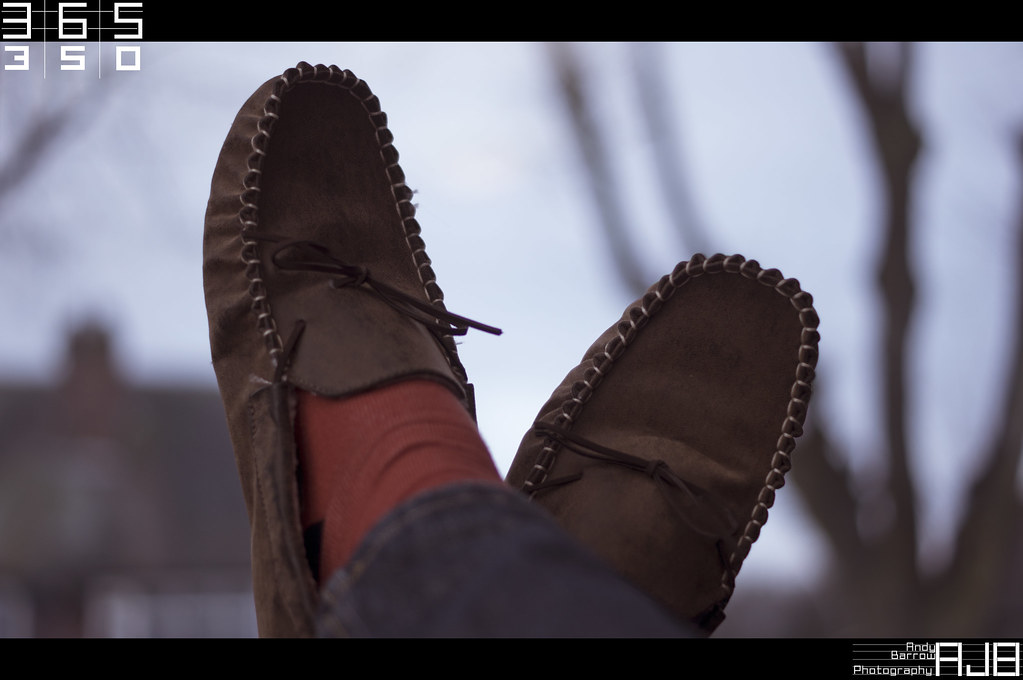
Comfortable looking slippers can still cause rubbing, pressure, heel soreness, or hard skin when they lose support or no longer fit well. Photo source
The practical search query this article answers is slippers making feet sore elderly. It is for an older adult, family member, or carer who has noticed rubbing, hard skin, corn pain, heel soreness, or a new reluctance to walk around the home because slippers or soft indoor shoes no longer feel comfortable.
Why soft slippers can still cause pain
A slipper can look gentle and still cause pressure. If it is too narrow, too loose, worn down, backless, thin under the heel, or twisted out of shape, the foot has to grip, slide, rub, or land unevenly with every step. For an older person, that can turn a familiar indoor shoe into a daily source of soreness.
This article belongs to the pillar Corn, callus, cracked heel, and skin discomfort relief. It matters commercially for RMFC because searches around painful feet in slippers, corns from shoes, hard skin, heel pain, home visit foot care, mobile foot care, chiropodist at home, and podiatrist at home often come from people who are not looking for fashion advice. They want walking to feel easier at home.
Corns and calluses are thickened areas of skin caused by pressure or rubbing. They are often not serious, but they can be tender or painful, and practical NHS advice points people towards wide comfortable footwear, cushioning, soft insoles, and avoiding shoes that rub. That is exactly why slippers deserve attention when discomfort keeps coming back.
Signs the slipper is part of the problem
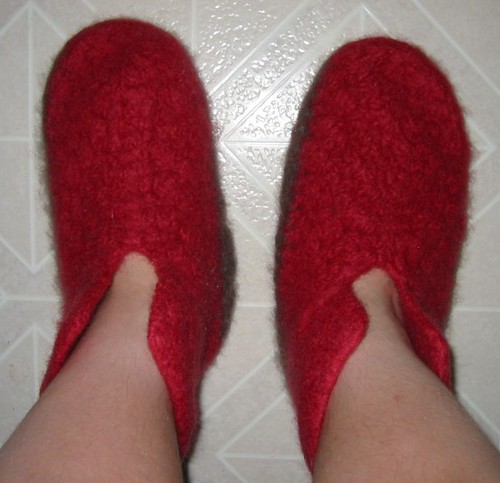
A quick look at slipper fit, sole wear, seams, and rubbing marks can explain why foot pain keeps returning indoors. Photo source
Look at the foot first, then look at the slipper. Red marks over toes, a sore little toe, hard skin on the ball of the foot, heel cracks, rubbing around the heel, one foot sliding to the side, or pain that improves when the slipper is removed all point towards pressure or friction.
Also check the inside of the slipper. Feel for seams, ridges, flattened cushioning, loose linings, rough patches, stones, grit, and areas where the sole has collapsed. If one side is more worn than the other, the slipper may be changing how weight passes through the foot.
Heel pain guidance also connects comfort with support. NHS heel pain advice recommends wide comfortable shoes with a low heel and soft sole, plus heel pads or insoles where helpful. A slipper with no heel support, no cushioning, or a slippery sole may not give enough protection for everyday indoor walking.
Why older feet are less forgiving
Older feet may have thinner skin, less natural padding, drier heels, arthritis, swelling, balance changes, reduced eyesight, or nails and skin that are harder to manage. A slipper that was fine last winter may no longer match the foot this year.
Falls guidance is relevant because sore feet can change how someone walks around the house. Age UK notes that unsteadiness can affect confidence and independence, and that people should ask for help when changes in health, activity, or the home environment make them feel less steady. The practical takeaway is simple: do not dismiss new unsteadiness or walking discomfort as just old age.
If the person is moving less because feet hurt, safe movement matters too. NHS seated exercise advice starts with a solid stable chair, feet flat on the floor, and building up slowly. That kind of careful setup is a useful reminder that mobility support should feel stable and controlled, not like a test of balance.
Corns, callus, and heel cracks need pressure relief
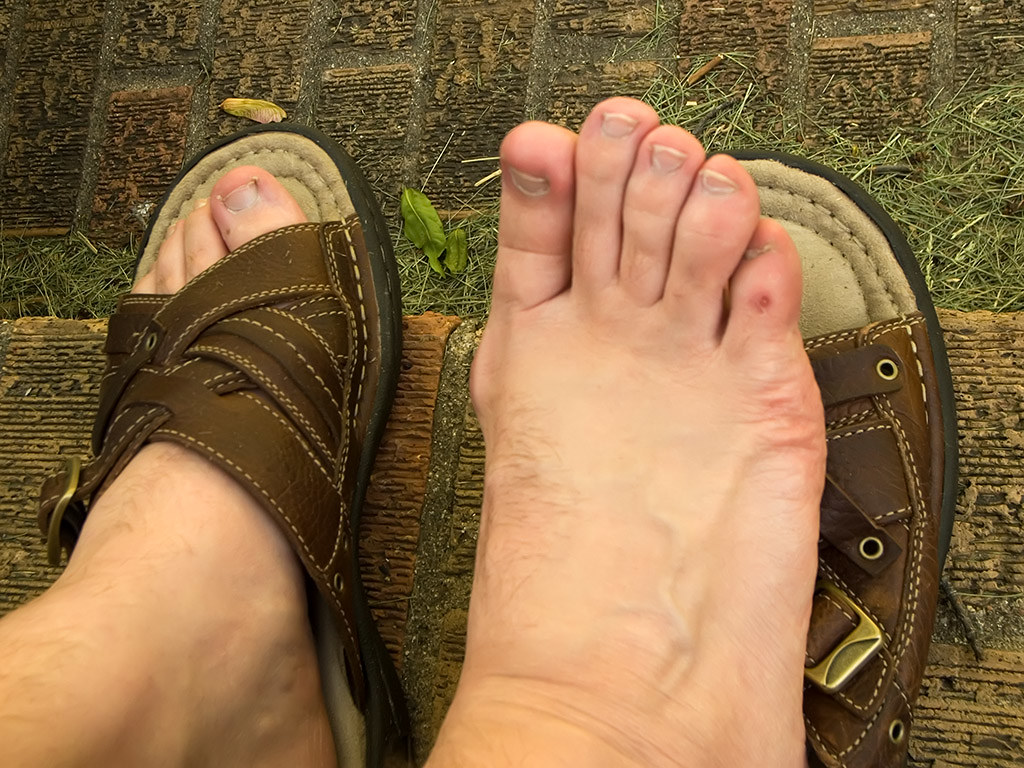
Footwear shape, sole wear, and rubbing points often explain why the same patch of hard skin keeps coming back. Photo source
A corn or callus is often the foot protecting itself against repeated pressure. Removing hard skin may help, but if the same slipper keeps pressing on the same spot, the discomfort can return. That is why good foot care looks at both the skin and the pressure pattern.
Heel pain can also be linked with repeated strain, hard surfaces, poor support, or rubbing. The Royal College of Podiatry explains that heel pain can make every step a problem and that footwear with good cushioning and support can be part of self care. If heel soreness keeps returning, persistent heel pain is worth professional advice rather than endless footwear guessing.
Avoid cutting corns or callus yourself, especially with blades. Avoid corn plasters if diabetes, poor circulation, fragile skin, numbness, wounds, or infection concerns are involved. In those situations, the safer route is professional or medical advice.
Diabetes changes the decision
If the person has diabetes, do not treat slipper pain as a small annoyance. Diabetes can reduce feeling and affect blood flow, so a blister, corn, split heel, or rubbing mark may become more serious before it feels painful enough to notice.
Diabetes UK advises regular foot checks and says people should get help if they have lost feeling or find foot care difficult. Its practical foot care advice includes making sure footwear fits and not using blades or corn plasters.
The CDC gives a similar everyday rule: check feet daily for cuts, redness, swelling, sores, blisters, corns, calluses, or other changes, and wear shoes, socks, or slippers indoors to avoid injury. It also warns people not to remove corns or calluses themselves. For a diabetic foot, small rubbing marks should be caught early rather than left until they worsen.
A practical home check for families and carers
Ask the person where the pain is, when it happens, and which slippers or shoes make it worse. Check both feet in good light. Look between the toes, around the heel, under the ball of the foot, along nail edges, and anywhere the slipper touches. Compare the sore area with marks inside the slipper.
Then test the slipper itself. Is there enough room for toes without squeezing? Does the heel stay secure without the foot gripping? Is the sole flat and even? Is the tread safe on home flooring? Does the lining feel smooth? Can the person put it on without twisting, bending dangerously, or shuffling because it feels loose?
Carers UK recognises that arranging support can feel difficult when a loved one needs help at home. If foot pain is affecting walking, hygiene, dressing, or confidence, getting practical support with daily care needs can be part of keeping the person safer and more comfortable.
When to get help at home
Home visit foot care can make sense when slipper pain is linked with hard skin, corns, thick nails, cracked heels, difficulty reaching the feet, reduced mobility, or carer worry. A home visit can also help when travel to a clinic is stressful or the person is already walking less because their feet hurt.
Seek GP, NHS 111, or urgent medical advice first if there is a wound, spreading redness, heat, swelling, discharge, sudden colour change, severe pain, a fall injury, new numbness, or diabetes with any skin break or worrying change. Routine foot care should not be used to delay medical help when warning signs are present.
For people in Surrey, booking a home visit with Rithik's Mobile Foot Care can be a calm next step when corns, callus, heel discomfort, or awkward foot care are making indoor walking harder.
What to change before buying another pair
Do not only buy a bigger slipper. A larger size may reduce squeezing but increase slipping. Look for enough toe room, a secure heel, a stable sole, soft internal lining, enough cushioning for hard floors, and a shape that does not make toes claw to keep the slipper on.
If hard skin or corn pain is already present, changing slippers may reduce pressure but may not remove the painful hard skin safely. That is where foot care and footwear changes work together. The foot needs comfort now, and the pressure pattern needs changing so the problem is less likely to return.
The practical test is whether the person walks more comfortably, feels steadier, and has fewer fresh rubbing marks after a few days. If the pain remains, keeps coming back, or stops normal activity, do not keep guessing. Get the foot checked.
Key Takeaways
- Soft slippers can still cause soreness if they rub, slip, squeeze, or lose support.
- Repeated pressure can contribute to corns, callus, heel discomfort, and cracked skin.
- Check both the foot and the inside of the slipper before buying another pair.
- Diabetes, numbness, broken skin, redness, swelling, discharge, or severe pain should lower the threshold for medical advice.
- Home visit foot care can help when foot discomfort, reduced mobility, or carer worry makes routine care harder at home.
If slippers are making feet sore, do not dismiss the pain because the footwear looks soft. Check for pressure marks, worn soles, rubbing seams, hard skin, heel cracks, and changes in walking. Small footwear changes can help, but recurring corns, callus, heel pain, diabetes concerns, or reduced mobility deserve proper foot care rather than guesswork.
Need Professional Foot Care?
Book a home visit and get expert treatment without leaving your house