
Skin Tear on Foot: What Families Should Check
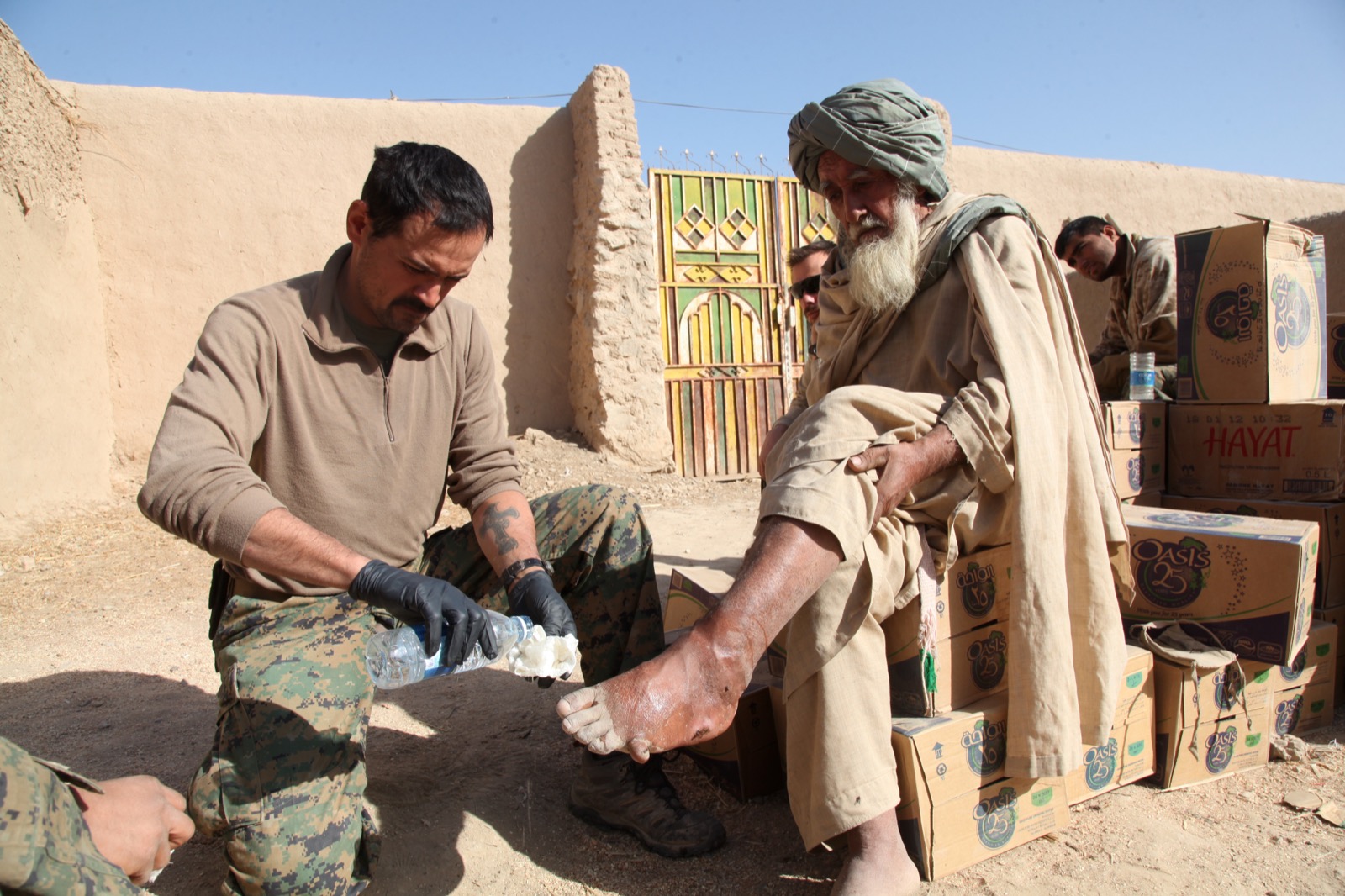
A small tear on older foot skin should be checked calmly before anyone trims, files, or applies stronger treatment. Photo source
The practical search query this article answers is skin tear on foot elderly. It is for an older adult, carer, spouse, or adult child who has noticed a small tear, nick, split, or raw patch on the foot and is unsure whether to clean it, cover it, keep walking, cut nails, book home visit foot care, or seek medical advice. This article belongs to the pillar Home visit foot care for older adults, diabetes, and reduced mobility.
Start with the skin, not the nails
A skin tear on the foot can happen after a sock catches, a shoe rubs, a nail corner scratches the next toe, or someone tries to cut nails when the skin is thin and fragile. It may look small, but the foot keeps moving, sweating, and carrying weight, so a minor tear can be irritated again and again.
The first step is to stop treating it as routine grooming. Put the clippers, foot file, corn plaster, and strong creams away until the skin has been checked. The NHS advises getting help for foot pain when there is a wound, swelling, infection signs, or pain that is not improving, so visible broken skin changes the safest plan.
This matters commercially for RMFC because people searching for skin tear on foot elderly, fragile foot skin, mobile foot care, home visit foot care, podiatrist at home, or chiropodist at home are often deciding whether routine care is still safe at home or whether medical advice should come first.
What to check in good light
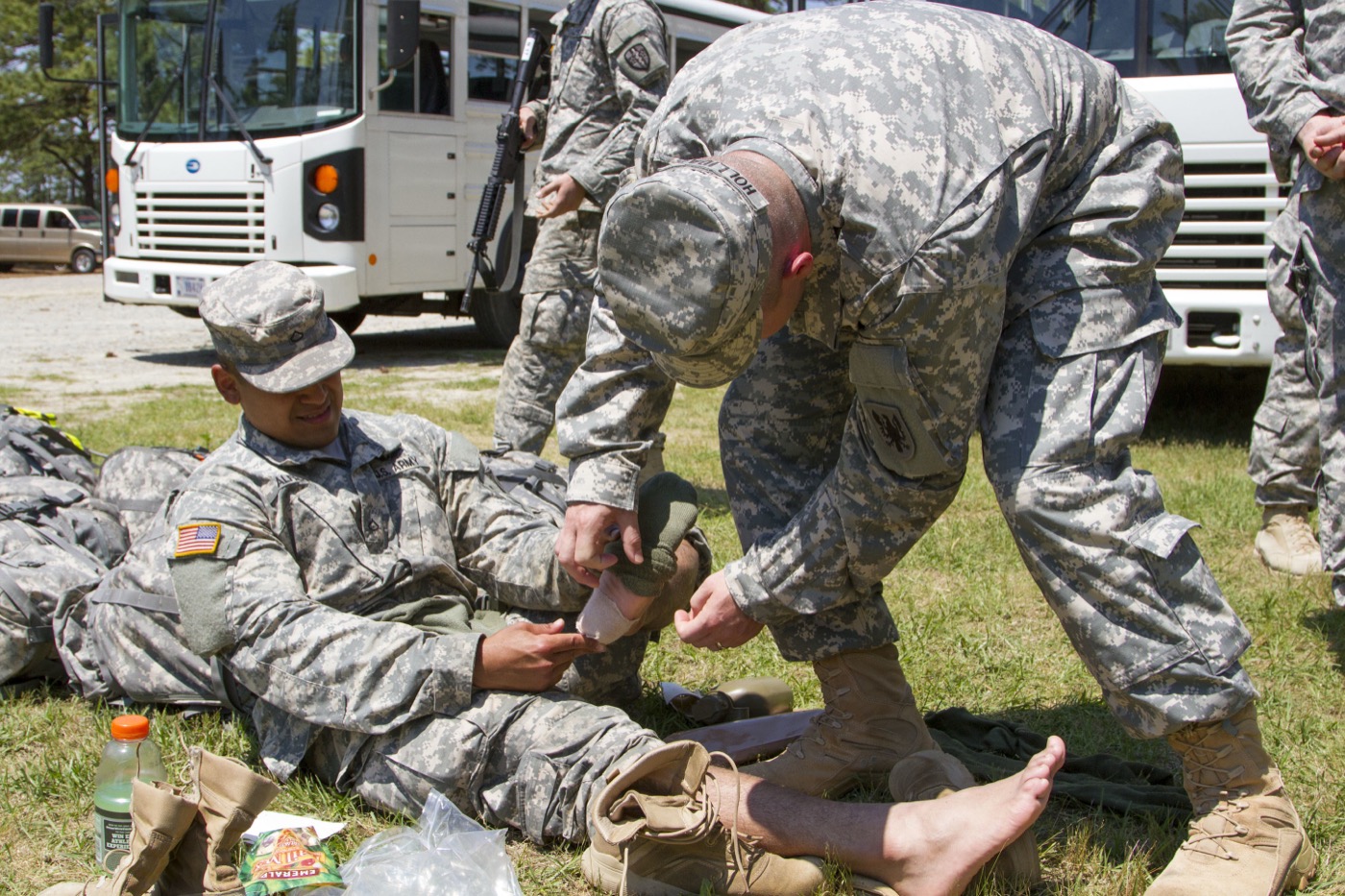
Good light and a calm check help families decide whether routine foot care should wait. Photo source
Look at the tear without pulling the skin open. Check whether the skin is only grazed, whether there is bleeding, whether the edges are loose, whether there is a blister, whether the area is wet or weeping, and whether a nail, shoe seam, slipper, sock, or toe pressure may have caused it.
Also check for spreading redness, warmth, swelling, pus, discharge, a bad smell, sudden colour change, severe pain, feverish symptoms, or the person seeming unwell. Wounds International notes that skin tears can become infected and that diabetes, arterial disease, and immune problems can delay healing, so monitoring for infection and delayed healing matters.
If the person cannot see the area clearly, ask someone suitable to look, use better lighting, or use a mirror only if it is safe. Guesswork is not enough when the skin is already open.
Why older foot skin can tear easily
Older feet often have drier, thinner, less cushioned skin. Nails may be thicker or sharper, toes may change shape, and footwear that used to feel fine may start rubbing. A small nick may therefore come from several causes, not just one accident.
The Royal College of Podiatry explains that ageing feet can develop thin fragile skin, dry skin, brittle nails, clawing toes, bunions, corns, and cracked skin. That makes a careful foot check important in later life, especially when there is a new break in the skin.
Patient.info also notes that ageing feet can be affected by reduced padding, swelling, nail changes, and poorer blood supply. If healing is slower, protecting the skin early is better than waiting for a bigger sore patch.
When diabetes changes the answer
If the person has diabetes, do not treat a foot skin tear as a normal cut. Diabetes can reduce feeling and blood supply, so the person may not notice rubbing or worsening damage until the area is more serious.
Diabetes UK says people with diabetes should check their feet daily and get help quickly for changes such as cuts, blisters, redness, swelling, or discharge. That means diabetes lowers the threshold for advice when skin is broken.
Diabetes UK also warns that serious foot problems and infections need emergency attention, and NHS inform explains that nerve damage and blood flow problems can affect diabetic feet. If there is diabetes plus a wound, spreading redness, swelling, heat, discharge, colour change, or feeling loss, seek urgent clinical advice rather than booking ordinary nail cutting first.
What not to do at home
Do not cut away loose skin with scissors. Do not file over a tear. Do not use corn plasters, acid liquids, razors, blades, or strong hard skin removers on broken skin. Do not keep walking in a shoe or slipper that is rubbing the same place.
Wounds UK highlights the link between foot care, skin integrity, diabetes risk, and prevention. In plain language, skin integrity is part of foot care, not a separate cosmetic detail.
If a dressing is needed, use suitable advice from a pharmacist, nurse, GP, or wound care route. Avoid anything that sticks aggressively to fragile skin or makes the area sweaty, tight, or more painful.
Look for the cause before it repeats
Once the immediate skin concern is being handled, ask what caused it. Was a nail edge sharp? Did a carer struggle with clippers? Did a sock catch? Did a shoe seam rub? Is one toe pressing into another? Does swelling make footwear tighter by evening?
NICE pressure ulcer guidance is a reminder that pressure, skin condition, mobility, and risk factors need to be assessed together. For older adults, pressure and skin vulnerability often interact, even when the mark starts as a small tear.
Legs Matter encourages people to take leg and foot wounds seriously and seek help when wounds are not healing. If a foot tear is not improving, delayed healing should not be ignored.
Where home visit foot care fits
Routine home visit foot care can help once the skin is safe for routine care, especially if the problem came from long nails, sharp nail edges, thick nails, corns, callus, cracked heels, reduced mobility, or difficulty seeing and reaching the feet.
Age UK describes local foot care services for older people, including nail cutting and corns and calluses, and says some support may be available for people who struggle to manage their feet. That supports getting practical foot care help before DIY becomes risky.
Home visit foot care should wait if the tear is open, infected, worsening, bleeding, hot, swollen, discharging, or linked to a new diabetic foot concern. Mayo Clinic and Cleveland Clinic both advise extra caution with foot problems when diabetes or poor blood flow is present, so medical risk should come before routine skin or nail work and pressure causes should still be addressed.
For families in Surrey, Rithik's Mobile Foot Care can help with suitable routine foot care at home when the skin has settled or when nail and hard skin problems are making future tears more likely. If there is an active wound or infection concern, the right first step is medical advice.
Key Takeaways
- A foot skin tear should pause routine nail cutting, filing, corn treatment, and strong creams.
- Check for bleeding, discharge, spreading redness, heat, swelling, pain, smell, colour change, and whether footwear or nails caused it.
- Diabetes, reduced feeling, poor circulation, fragile skin, or previous ulcers mean clinical advice is safer sooner.
- Do not cut loose skin, file over a tear, use blades, or apply acid corn plasters on broken skin.
- Home visit foot care may help later if long nails, thick nails, hard skin, or reduced mobility contributed to the problem.
A skin tear on foot elderly search usually means someone has spotted a small wound and wants a safe next step. Start by checking the skin carefully, avoid DIY cutting or filing, and get medical advice quickly if there are infection signs, diabetes concerns, poor circulation, or delayed healing. If the skin is stable and the wider problem is difficult routine foot care, RMFC can help with calm, practical home visit foot care.
Need Professional Foot Care?
Book a home visit and get expert treatment without leaving your house