
Shaky Hands and Toenail Cutting: What Is Safe
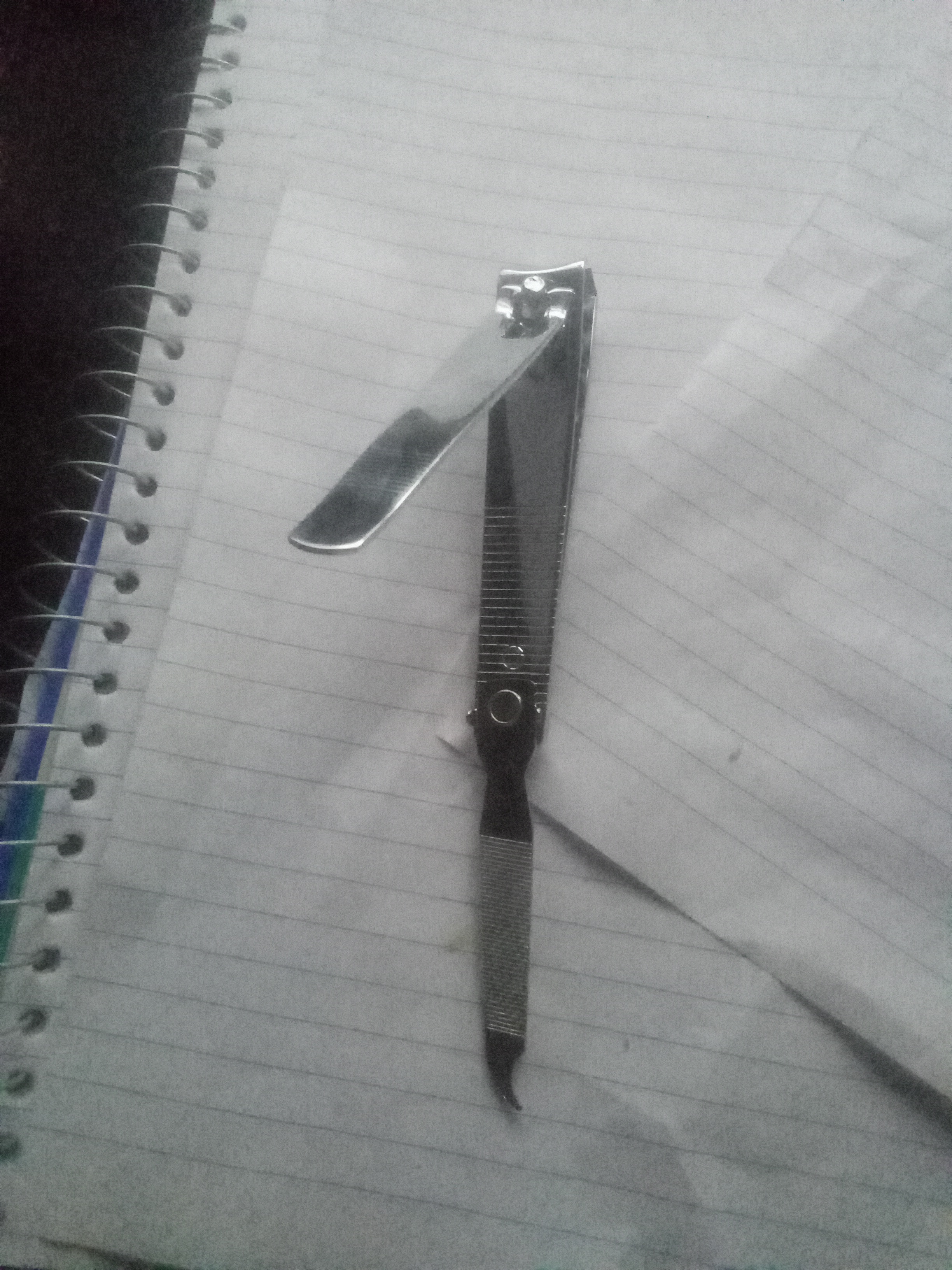
When hands shake or grip is unreliable, ordinary toenail clippers can become difficult to control safely. Photo source
The practical search query this article answers is shaky hands cutting toenails elderly help. It is for an older adult, spouse, adult child, or carer who has noticed that hand tremor, weak grip, poor control, or nervousness is making nail cutting feel risky. This article belongs to the pillar Home visit foot care for older adults, diabetes, and reduced mobility because the real problem is safe access to routine foot care when the person cannot confidently manage sharp tools themselves.
Why shaky hands change the risk
Toenail cutting looks like a small task until the hand holding the clipper is not steady. A slight slip can catch skin, cut too close, leave a sharp nail edge, or make the person pull away suddenly. If the nails are thick, curved, crumbly, painful, or hard to see, shaky hands make the job harder again.
The NHS explains that a tremor can become more noticeable with age, tiredness, stress, anxiety, temperature changes, medicines, or health conditions, and recommends GP advice when shaking is getting worse or affecting daily activities. Toenail cutting is exactly the kind of everyday activity where loss of control matters.
This matters commercially for RMFC because the searcher often does not want general nail advice. They need a safe way to keep nails comfortable without risking a cut at home. That is why terms such as home visit foot care, mobile foot care, toenail cutting at home, chiropodist at home, and podiatrist at home often sit behind the same practical problem.
When to stop trying at home
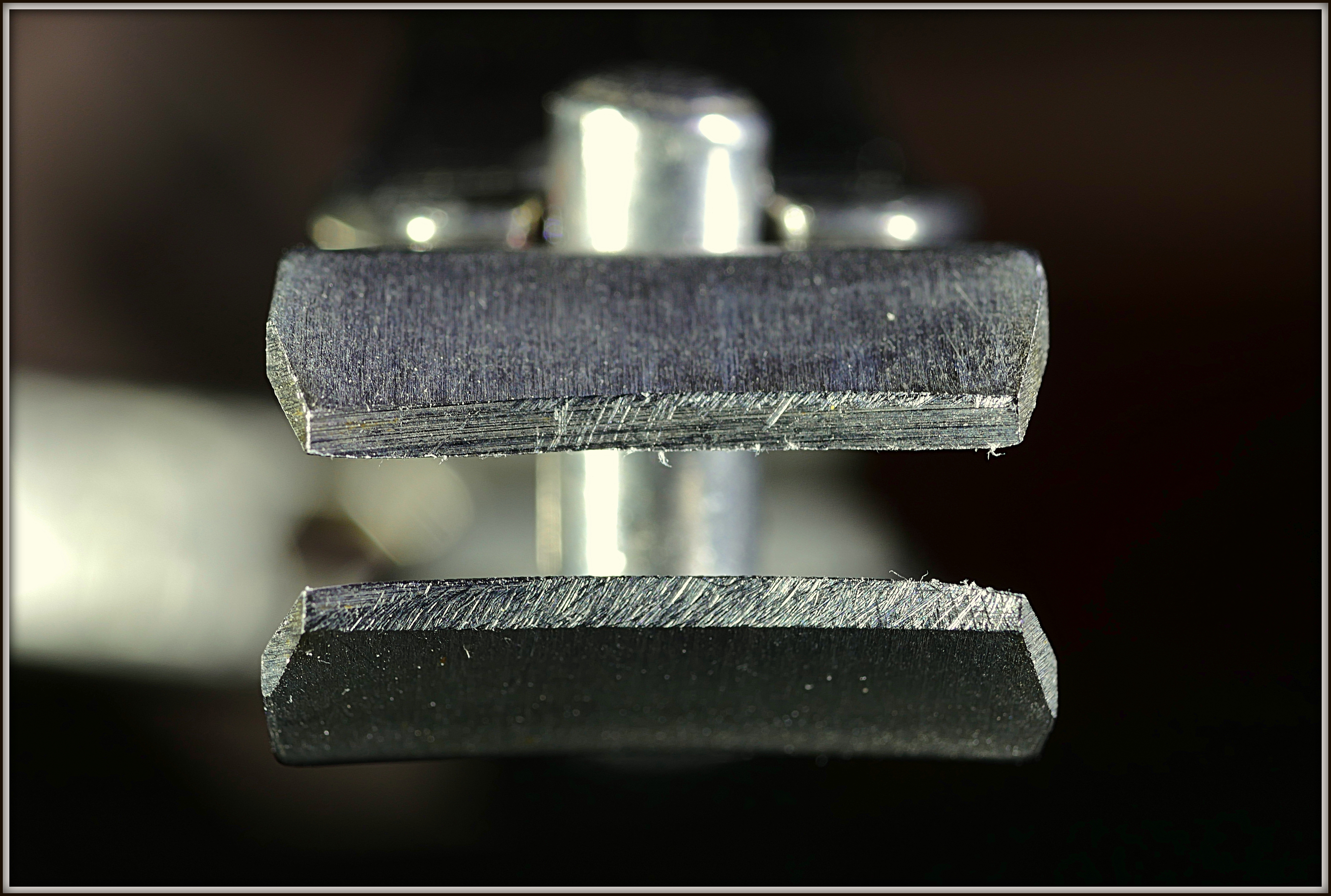
Different clippers do not solve the problem if the main issue is hand control, eyesight, pain, or confidence. Photo source
Stop if the hand is shaking enough that the clipper cannot be placed accurately. Also stop if the person cannot see the nail edge clearly, cannot bend comfortably, cannot feel the toe well, pulls away because of pain, or needs someone else to hold the toe still. Those are not failures. They are signs that the task has become more risky than useful.
Parkinson's can affect movement in several ways, including tremor, slowness, stiffness, and balance problems. If Parkinson's symptoms are part of the picture, fine hand control and balance can both affect foot care, especially when reaching down to the toes or using sharp clippers.
If the person has arthritis, hand pain, or reduced grip, the problem may be less about shaking and more about control. Everyday hand weakness can turn a simple cut into a strained, rushed, awkward job. That is where a calm decision helps: if the tool is not fully controlled, do not force the cut.
Check the foot before the nail
Before anyone cuts, look at the whole toe and foot. Check for redness, swelling, heat, bleeding, discharge, broken skin, an ingrown edge, sudden colour change, a black or blue toe, new pain, or a wound. If any of these are present, the issue may not be routine toenail cutting.
Diabetes needs extra caution because nerve and blood vessel changes can reduce feeling and slow healing. Diabetes UK explains that damaged nerves may mean a person can damage their feet without noticing. If diabetes, poor circulation, numbness, or previous ulcers are involved, a rushed home trim is not worth the risk.
The CDC gives a simple pattern that carers can use: check feet regularly, look for cuts, sores, blisters, corns, calluses, swelling, and nail changes, and ask for help if the person cannot inspect their own feet. That makes a repeatable foot check more useful than guessing whether the nails are safe to cut.
What a safer home setup looks like
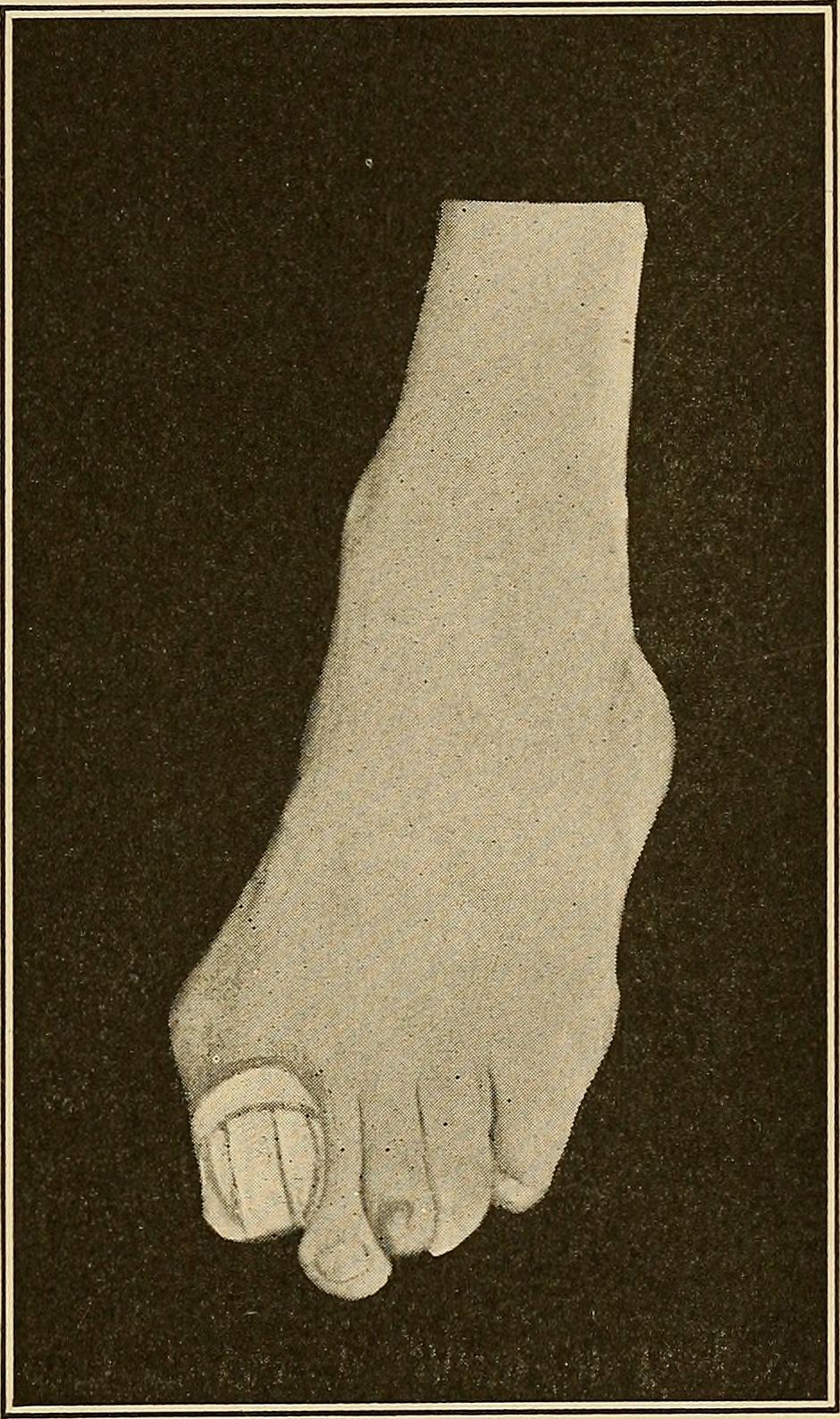
Professional foot care is useful when the safer choice is controlled treatment rather than forcing a difficult cut at home. Photo source
If the nails are suitable for simple care and the person still wants to try at home, the setup should reduce movement and rushing. Use a stable chair, good light, clean dry feet, a steady surface for the foot where possible, and enough time to stop if the hand becomes tired. Do not cut in bed, standing up, in poor light, or when the person is anxious or uncomfortable.
Age UK says foot care in later life can reduce pain, infection risk, and falls risk, and that basic foot care services may include toenail cutting for people unable to look after their feet. It also notes that some services can be accessed at home if the person is housebound. That supports the practical idea that asking for help is normal when the task is no longer safe.
The Royal College of Podiatry route to find a podiatrist and the HCPC option to check regulated health professionals are useful where the person needs podiatry level care rather than routine mobile foot care. For a straightforward home visit enquiry, the most important first step is still to describe the hand control problem clearly.
How families can describe the problem
A useful enquiry does not need medical language. Say what has changed: Mum's hands shake when she holds clippers, Dad has thick nails and cannot keep the tool steady, my parent has poor eyesight and tremor, or the last attempt caught the skin. Add whether there is diabetes, blood thinner use, poor circulation, numbness, swelling, wounds, infection signs, Parkinson's, arthritis, dementia, or a recent fall.
Carers UK recognises that arranging support for someone can be difficult when needs change. In foot care, the carer's role is often to organise the right help, share the practical history, and avoid risky DIY care that could make things worse.
If the person uses mobility aids or has become worried about falling, it is also worth saying so. Age UK's falls advice explains that people should ask for help when unsteadiness starts affecting daily life, because small changes can affect independence. Foot care is part of that practical picture when long nails, pain, or shoe discomfort change how someone walks.
When home visit foot care makes sense
Home visit foot care makes sense when the nails need routine attention, there are no urgent medical warning signs, and the main barrier is hand control, reach, eyesight, confidence, or mobility. It is especially relevant when the person is older, less mobile, housebound, anxious about cutting, or relying on family members who do not feel safe using sharp clippers.
NICE diabetic foot guidance describes access arrangements for people who are housebound, disabled, visually impaired, or in care settings. Even though not every person with shaky hands has diabetes, the principle is useful: care should fit the person's access needs, not assume they can always attend a clinic or manage self care.
For older adults in Surrey, Rithik's Mobile Foot Care can help with suitable routine home visit foot care, including toenail cutting, thickened nails, hard skin, corns, callus, cracked heels, and diabetic foot care where appropriate. If there is pain, swelling, heat, redness, broken skin, pus, sudden colour change, or a diabetic foot concern, medical advice should come first.
Key Takeaways
- Shaky hands make toenail cutting risky when the clipper cannot be placed accurately.
- Stop if there is pain, poor visibility, poor feeling, bleeding, swelling, redness, heat, broken skin, or diabetes related concern.
- Families should describe the hand control problem, the foot problem, and any medical risk factors before booking.
- Home visit foot care can be the safer route when routine nails need care but sharp tools are no longer manageable at home.
Shaky hands do not mean someone has done anything wrong. They mean the task has changed. Toenail cutting needs control, visibility, feeling, and confidence. If any of those are missing, stop before the skin is caught or the nail is cut badly. When the foot looks suitable for routine care, home visit foot care can help keep nails comfortable without asking an older adult, carer, or family member to take a risk with sharp clippers.
Need Professional Foot Care?
Book a home visit and get expert treatment without leaving your house