
Red Marks on Toes from Shoes
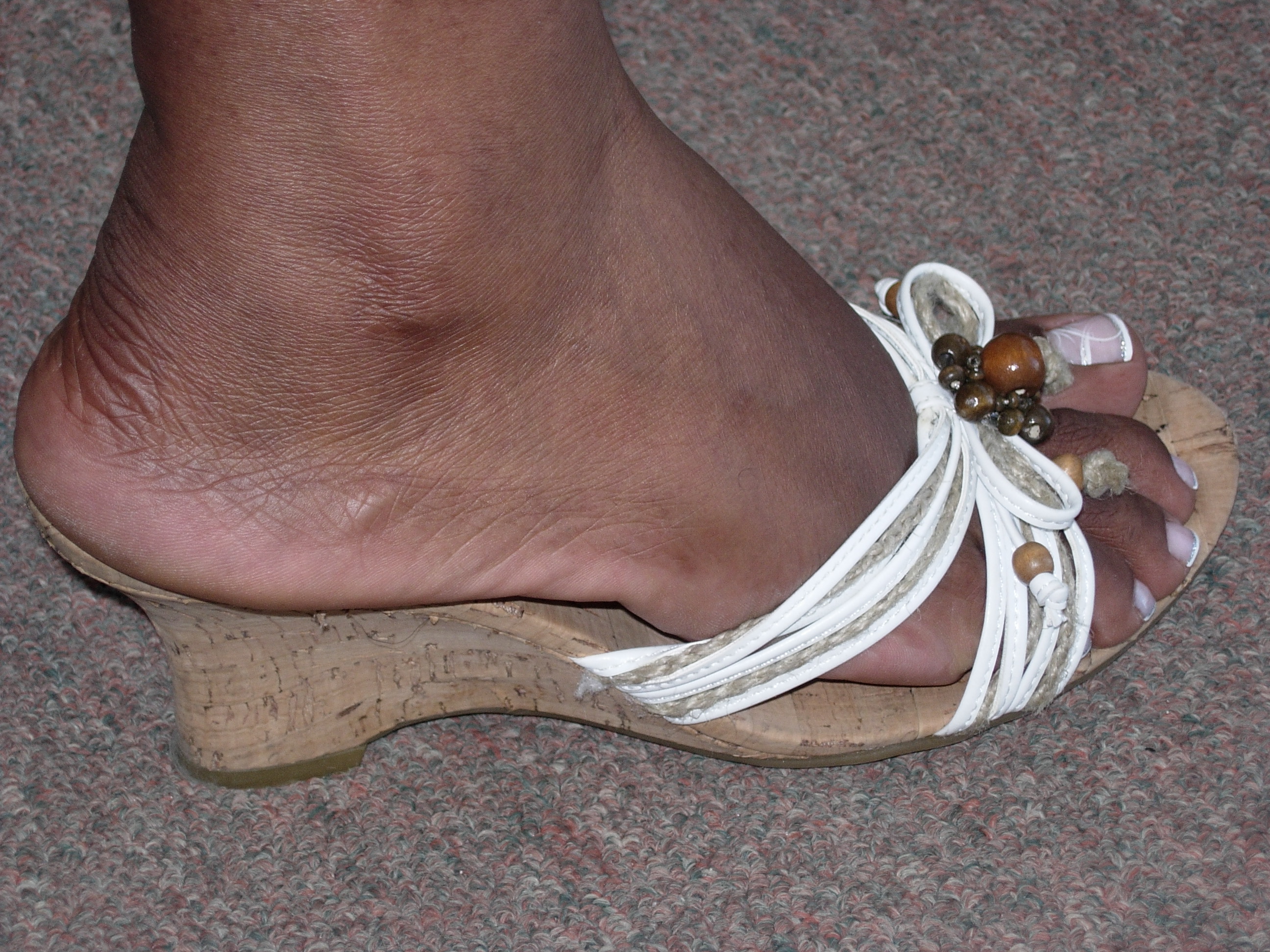
Shoes that look ordinary can still rub toes if the toe box, seams, or fit create repeated pressure. Photo source
The practical search query this article answers is red marks on toes from shoes elderly. It is for an older adult, family member, or carer who notices red areas, rubbing, soreness, dents from socks or shoes, or a toe that keeps pressing against footwear after walking.
Why red toe marks matter
A red mark on a toe is often a pressure signal. It may come from a shoe that is too narrow, a toe rubbing on the upper, a seam inside the shoe, swelling later in the day, a bunion changing the shape of the forefoot, or a nail pressing into the next toe. The mark may fade at first, but repeated pressure can lead to hard skin, a corn, a blister, or broken skin.
This article belongs to the pillar Corn, callus, cracked heel, and skin discomfort relief. It matters commercially for RMFC because people searching for red toe marks, shoe rubbing, corn pressure, mobile foot care, podiatrist at home, and chiropodist at home are often close to booking. They can see a small warning sign and want someone safe to check it before it becomes a bigger walking problem.
The NHS explains that corns and calluses are caused by pressure or rubbing, including uncomfortable shoes or shoes that are the wrong size. That is why the red area is useful information. It shows where the shoe and foot are not working well together.
What to check when shoes come off
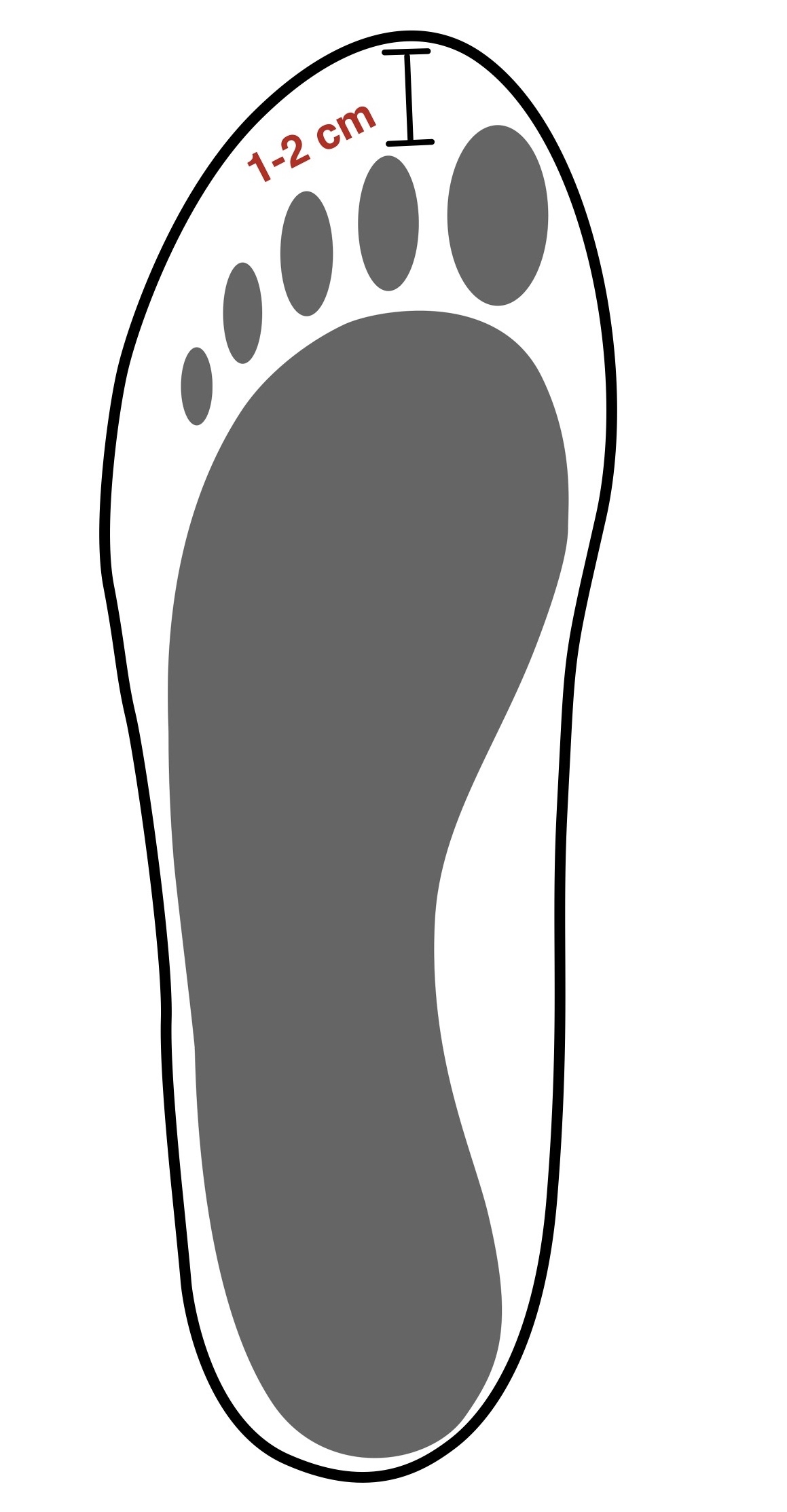
Footwear checks are easier when families look at fit, rubbing points, and toe space together. Photo source
Look at the toes as soon as shoes and socks come off. Check the top of the toes, the ends of the toes, the sides of the big toe and little toe, and the spaces between toes. A family member or carer may need to help if eyesight, stiffness, balance, or reduced reach makes this difficult.
A mark that fades quickly may still matter if it appears in the same place every day. Make a note of which shoe was worn, how long the person walked, whether the feet were swollen, and whether the mark was tender. If there is numbness, reduced feeling, diabetes, poor circulation, or a history of wounds, treat the mark more cautiously.
Diabetes UK advises people with diabetes to check their feet every day and get help if they notice changes. This is especially important if feeling in the feet has changed, because rubbing may not feel painful even when the skin is under pressure.
Common reasons toes rub in older feet
Feet change with age. Skin can become thinner and drier, joints can become stiffer, toes can claw or overlap, and the protective padding under the foot may reduce. The Royal College of Podiatry notes that ageing feet can develop thin, fragile skin, dry skin, brittle nails, bunions, clawing of the toes, and pressure related problems.
Shoes that used to feel fine may become less suitable. A slip-on shoe may let the foot slide forward. A narrow toe box may press the little toe. A shallow shoe may rub the tops of bent toes. Extra socks may make a winter shoe too tight. Swelling can make a comfortable morning shoe feel tight by afternoon.
MedlinePlus gives simple foot health basics that fit this problem well: examine feet regularly, wear comfortable shoes that fit, and trim toenails straight across. For an older person, those simple checks may need support from family, carers, or routine foot care at home.
What not to do at home
Do not cut at a red area, shave hard skin with a blade, burst a blister, or use strong corn treatments without advice. This matters even more if the person has diabetes, poor circulation, reduced immunity, fragile skin, or is taking medicines that affect bleeding. The aim is to reduce pressure safely, not damage skin that is already irritated.
Avoid simply buying a bigger shoe without checking the cause. A shoe that is longer but still narrow may keep rubbing the same toe. A loose shoe can also cause sliding and friction. Age UK highlights that foot care in later life can reduce pain, lower infection risk, and support safer movement, which is why small problems should not be ignored.
If the person cannot safely bend to inspect the toes, do not ask them to balance awkwardly in the bathroom or on stairs. Living Made Easy describes practical equipment and aids as a way to remove barriers to daily activities and independent living. For foot checks, that might mean a seated routine, a mirror, help from a carer, or booking a home visit rather than risking a fall.
When home visit foot care can help
A too narrow shoe can focus pressure on the toes, which is why repeated red marks should be taken seriously. Photo source
Home visit foot care can help when the red mark is linked with hard skin, a small corn, thick nails, shoe pressure, poor reach, or uncertainty about what is safe to do next. A practitioner can inspect the skin, reduce hard skin where appropriate, trim nails safely, explain pressure points, and suggest practical footwear checks.
The NHS advises older people, and people with diabetes, circulation problems, or weakened immunity, not to treat corns and calluses themselves. It says to see a GP or foot specialist if these risks are present, if there is bleeding, pus, discharge, severe pain, or no improvement after three weeks. Those are sensible escalation points for a red mark that is becoming a sore spot.
A home visit is especially useful when the person is housebound, unsteady, recovering after illness, or anxious about travelling to a clinic. Age UK notes that some foot care services can be accessed at home if someone is housebound. RMFC serves people who need that same practical, at-home support in its local area.
A simple shoe pressure routine
For the next few days, check the toes after each longer walk. If the same red mark returns, set that shoe aside if possible and compare it with a wider, softer, better fastening pair. Look for inside seams, worn linings, tight toe boxes, and areas where the foot slides forward.
RDaSH foot care guidance says older people often need shoes that hold the foot firmly, have breathable uppers, offer cushioning, and are roomy enough for everyday use. It also notes that extra socks can make shoes too tight and that loose slippers may make walking less stable. That is directly relevant when red marks appear after footwear.
If walking is also limited by stiffness, the NHS has gentle flexibility exercises that can be done at home. Foot comfort and mobility often work together, but any exercise should wait if there is broken skin, infection, new swelling, or pain that needs medical advice.
Book earlier if the skin is changing
A red toe mark is easier to deal with before it becomes a wound. Book help earlier if the mark is painful, shiny, purple, blistered, cracked, weeping, hot, swollen, or not fading. Also book earlier if the person has diabetes, poor circulation, reduced feeling, fragile skin, or cannot see or reach the area safely.
For families and carers, the most useful message is simple: do not wait until walking changes. If a toe is being marked by footwear each day, the foot is already giving you a pressure map. A calm home visit can turn that warning sign into a practical plan for safer nail care, skin comfort, and better shoe choices.
Key Takeaways
- A red mark on a toe often means repeated pressure or rubbing from footwear.
- Check the same toe after shoes come off and note whether the mark returns.
- Do not cut, shave, or use strong corn products on irritated skin without advice.
- Diabetes, poor circulation, numbness, broken skin, discharge, or severe pain need quicker help.
- Home visit foot care can help when pressure marks, hard skin, thick nails, or reduced reach make self care unsafe.
If shoes are leaving red marks on an older person’s toes, treat it as an early pressure warning. RMFC can check the skin and nails at home, reduce avoidable pressure where routine foot care is appropriate, and help families decide what needs changing before a small sore mark becomes a bigger walking problem.
Need Professional Foot Care?
Book a home visit and get expert treatment without leaving your house