
Red Heel Mark in Elderly Feet: What to Check
A red heel mark may be simple rubbing, but it can also be an early pressure warning when mobility, shoes, bed rest, or diabetes are involved. Editorial illustration
The practical search query this article answers is red mark on heel elderly. It is for an older adult, family member, partner, or carer who has noticed a red, sore, rubbed, shiny, or pressure marked heel and is not sure whether to watch it, change footwear, book routine home visit foot care, or get medical advice. This article belongs to the pillar Home visit foot care for older adults, diabetes, and reduced mobility.
Why a red heel mark matters
A red heel mark can look minor, especially if the skin is not broken. The problem is that heels take pressure from shoes, slippers, beds, recliners, footstools, wheelchairs, and long periods of sitting or lying. In an older person, the useful first question is not whether the mark looks dramatic. It is whether the pressure is still happening.
The NHS explains that pressure sores are areas of damage to the skin and tissue that can happen when someone has difficulty moving, with heels among the areas commonly affected. It advises checking skin daily for people being cared for at home, so a new heel mark should be taken seriously early.
This matters commercially for RMFC because families often search after noticing a practical change: Dad's heel looks red, Mum's slipper is rubbing, a parent is walking less, or a carer is worried about cutting nails around sore skin. Those searches sit close to home visit foot care, mobile foot care, podiatrist at home, chiropodist at home, and toenail cutting at home because the family needs a safe next step.
Check whether the redness fades
Shoes, slippers, seams, heel backs, and foot position can all explain why one heel keeps becoming red. Editorial illustration
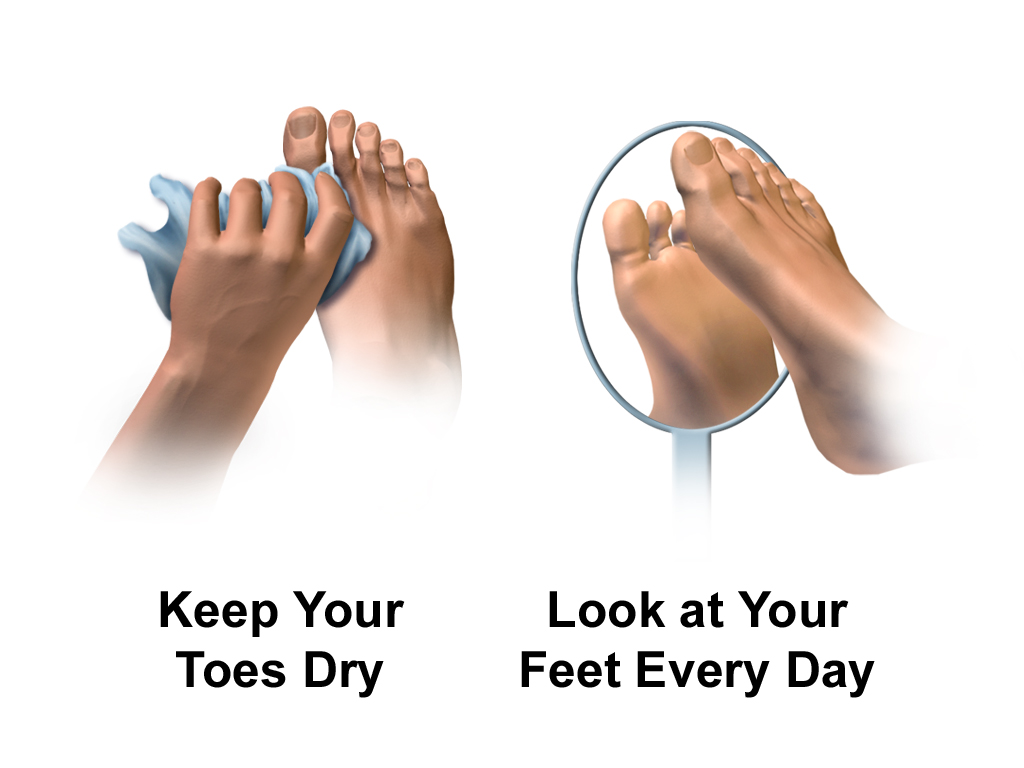
Start with a calm check in good light. Look at both heels, the back of the ankles, the sides of the feet, the soles, toe tips, and any place a shoe or slipper presses. Compare the red heel with the other foot if that is useful.
A simple pressure clue is whether the redness fades after pressure is removed. NICE guidance on pressure ulcers describes non-blanching redness as a sign of category 1 pressure damage. In plain language, if a red patch does not fade or looks different from the surrounding skin, it should not be brushed off as ordinary rubbing.
Also ask what changed. Has the person been sitting longer, sleeping in one position, wearing new slippers, walking less after illness, using a wheelchair, recovering from surgery, or keeping shoes on for longer? The Society of Tissue Viability explains that pressure damage is linked with pressure, shear, friction, and moisture, so the cause is often the setup around the heel, not only the skin itself.
When routine foot care should wait
Do not treat a red heel as routine foot care if the skin is broken, blistered, purple, blue, black, very painful, hot, swollen, weeping, bleeding, smelly, or spreading. Do not file hard skin over a sore heel, apply strong treatments, cut nearby skin, or keep footwear on if it is clearly pressing the same area.
NHS foot pain advice is useful because it separates simple self care from symptoms that need help. If the person has severe pain, cannot walk, has an open wound, signs of infection, or pain after an injury, medical advice is safer than guessing at home.
Diabetes changes the threshold. Diabetes UK explains that diabetes can affect feeling and blood supply in the feet, which means damage may be missed and healing may be slower. If diabetes is involved and the heel is red, sore, blistered, cracked, numb, or changing colour, get advice before treating it as routine care.
NICE diabetic foot guidance also treats infection, ulceration, and serious foot changes as needing timely clinical assessment. For families, the practical point is simple: a diabetes related heel wound is not a cosmetic foot care job.
Shoes, slippers, and bed pressure
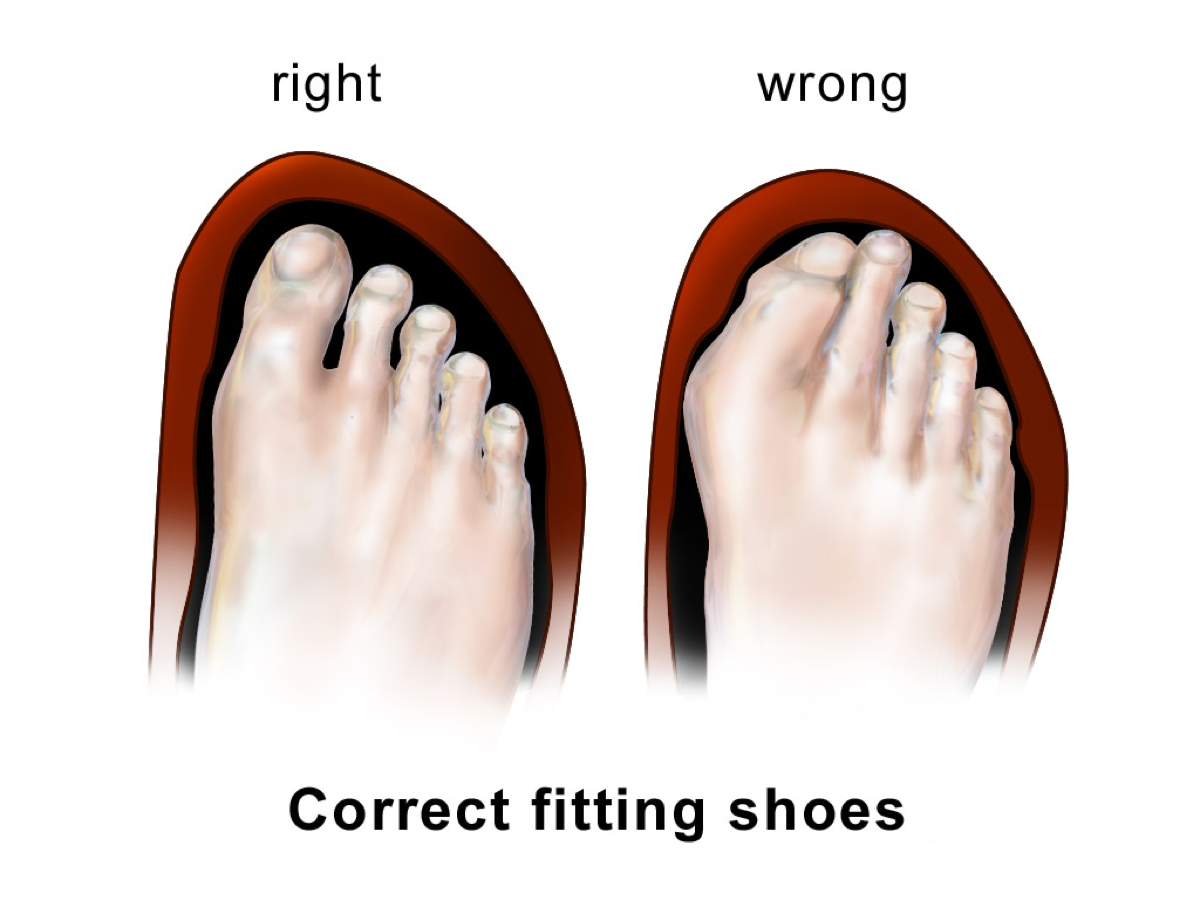
Heel marks often come from repeated pressure rather than one dramatic injury. Check the inside heel of the shoe, the slipper back, sock seams, insoles, tight elastic, footplates, recliner position, bed sheets, and whether the heel is resting on a hard surface.
The Royal College of Podiatry notes that ageing feet can be affected by dry skin, brittle nails, pressure from footwear, and comfort problems that affect walking. That makes shoe pressure and foot checks part of the same decision, especially when the person is older or walking less.
Versus Arthritis explains that foot and ankle pain can be linked with footwear, joint changes, swelling, and everyday movement. If arthritis or stiffness means the heel sits awkwardly in a shoe or on a footstool, comfort and positioning need checking together.
Parkinson's UK also describes foot and ankle problems including stiffness, altered walking, swelling, and difficulty with shoes. Even if Parkinson's is not the diagnosis, the same practical idea applies: movement changes can turn footwear into a pressure problem.
How carers can reduce risk today

Heel redness often appears when mobility, footwear, sitting time, or home routines have changed. Photo source
If the skin is intact and there are no urgent warning signs, reduce pressure while you decide what to do next. Change position, remove the rubbing shoe or slipper, keep the heel clean and dry, avoid tight socks, and check again. Do not massage hard over a red pressure area, and do not cover it so completely that no one checks whether it is getting worse.
Age UK explains that foot care services for older people can include basic toenail cutting and may sometimes be available at home for people who are housebound. That supports a practical distinction: routine foot care may help once the skin is safe, but a possible pressure sore needs the right advice first.
If the person has memory problems or becomes distressed by personal care, keep the check short, calm, and respectful. Alzheimer's Society guidance on washing and dressing reminds carers that personal care should protect dignity and preferences, so consent and reassurance matter during foot checks too.
Carers UK notes that arranging care can feel difficult when families are unsure what support is needed. A useful note for any professional is short and concrete: where the red mark is, when it appeared, whether it fades, what shoes were worn, whether there is diabetes, whether walking has changed, and whether the person has been sitting or lying more than usual.
When a home visit can help
Home visit foot care can help when the heel skin is intact, the redness has settled, and the main need is routine nail care, hard skin care, footwear comfort checks, or support because the person cannot safely reach their feet. It can also help families understand what to watch between visits.
If heel redness is part of a wider pattern, the family may need more than foot care. GOV.UK explains that a needs assessment can consider healthcare, equipment, help in the home, and adaptations. If washing, dressing, transfers, or leaving home are also becoming difficult, wider support at home may be worth exploring.
The HCPC register is useful if someone is specifically looking for a podiatrist or chiropodist because those are protected professional titles. Checking registration can help families understand who they are booking, while routine foot health support may be described differently depending on the provider.
For Rithik's Mobile Foot Care patients in Surrey, a red heel mark is a reason to slow down and check the risk, not a reason to panic. If the skin is calm and the issue is routine, booking a home visit may help with comfort, nails, hard skin, and practical checks. If the mark does not fade, worsens, breaks, blisters, or comes with diabetes concerns, medical advice should come first.
Key Takeaways
- A red heel mark in an older person can be simple rubbing, but it can also be an early pressure warning.
- Check whether the redness fades, what has been pressing the heel, and whether sitting, bed rest, shoes, slippers, or mobility have changed.
- Do not treat broken skin, blisters, purple or black colour change, heat, swelling, discharge, severe pain, or diabetes concerns as routine foot care.
- Carers can reduce pressure, check the skin, keep notes, and avoid aggressive filing, cutting, or covering a sore heel without review.
- Home visit foot care can help when the skin is safe and the need is routine, but possible pressure damage needs medical advice first.
A red heel mark should prompt a careful check before anyone focuses on nails or hard skin. Look for pressure, footwear rubbing, skin changes, diabetes risk, and whether the redness fades. If the skin is intact and the problem is routine, home visit foot care can help make feet easier to manage. If the mark is persistent, worsening, broken, blistered, very painful, discoloured, infected looking, or linked with diabetes concern, seek medical advice before routine care.
Need Professional Foot Care?
Book a home visit and get expert treatment without leaving your house