
Ram's Horn Toenails: What Families Should Check
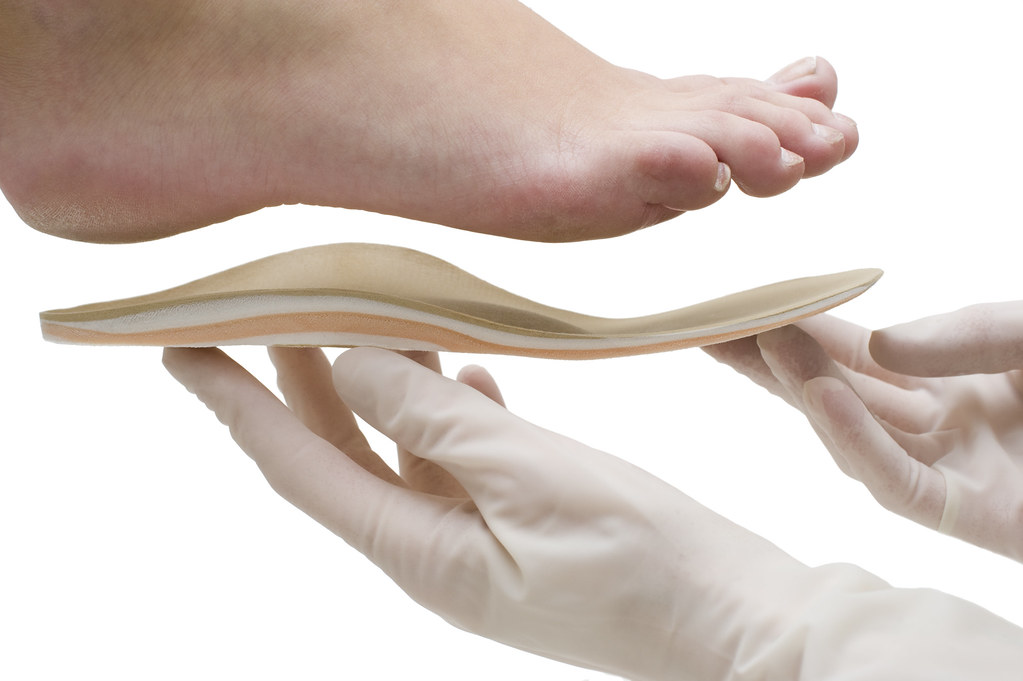
A ram's horn toenail is usually beyond ordinary clipping at home, especially when the nail is thick, curved, painful, or hard to reach. Photo source
The practical search query this article answers is ram's horn toenails elderly. It is for an older adult, family member, or carer who has noticed a toenail becoming thick, yellow or brown, curled, claw-like, hard to cut, or painful in shoes.
What a ram's horn toenail means
A ram's horn toenail is the everyday name for a nail that has become very thick, overgrown, and curved. The clinical term is onychogryphosis. It most often affects the big toenail, although other nails can be involved, and it can make the nail look claw-like, twisted, or oyster-shaped.
This article belongs to the pillar Nail care and painful nail problems. It matters commercially for RMFC because searches around ram's horn toenails, thick curved toenails, toenail cutting at home, podiatrist at home, chiropodist at home, and mobile foot care often come from families who already know normal clippers are no longer enough.
DermNet describes onychogryphosis as a nail disorder where the nail plate becomes thickened, elongated, and increasingly curved. For readers, the key point is practical: a claw-like thickened nail is a recognised nail problem, not something a family should keep forcing with stronger clippers.
Why it is common in older feet
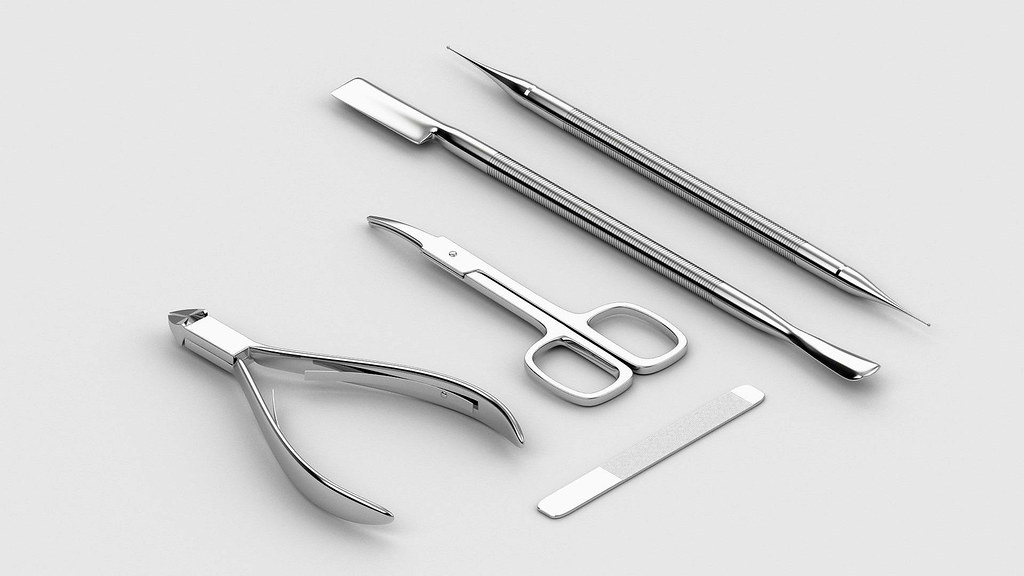
A bigger clipper is not always safer when a nail is thick, curved, brittle, or pressing into the toe. Photo source
Ram's horn nails can build up slowly over months or years. Ageing, reduced self care, shoe pressure, previous nail injury, poor circulation, fungal nail infection, and long periods without regular trimming can all play a part. By the time a family notices, the nail may already be too thick to cut cleanly at home.
NHS nail advice says nails can become thicker and more brittle with age, and that people should see a podiatrist if nails are too tough to cut or they cannot reach them. That makes tough nails that cannot be safely reached or trimmed a sensible trigger for professional foot care rather than a test of persistence.
Fungal nail infection can also make a nail thicker, discoloured, brittle, crumbly, or painful. NHS fungal nail advice notes that infection can spread through the nail and sometimes needs pharmacy or GP treatment, so a thick changed nail may need more than cutting if infection is part of the picture.
What families should check first
Before anyone tries to cut the nail, check the toe and the person, not just the length of the nail. Look for redness, heat, swelling, broken skin, bleeding, discharge, sudden colour change, a bad smell, severe pain, numbness, or a nail edge digging into the skin.
Also check the daily-life problem. Is the nail catching on socks or bedding? Is it pressing into shoes? Is the person walking differently? Are they avoiding slippers, baths, or going out because the toe is sore? Age UK reminds older adults to ask for help when unsteadiness or changed mobility starts affecting normal life, and changes in steadiness should be taken seriously.
If the person has paid care or family support, note who first noticed the nail, how long it has looked like this, and whether it has changed quickly. NHS homecare guidance explains that help at home can support daily routines when someone has difficulty walking or getting around, and small personal-care problems often sit inside a wider home support picture.
When not to cut it yourself
Foot comfort and safer positioning matter when painful nails start changing how someone walks at home. Photo source
Do not cut a ram's horn nail yourself if it needs force, the nail is too thick for the clipper, the toe is painful, the nail is growing into skin, or the person cannot sit safely and see the nail clearly. Do not use scissors, blades, craft knives, pliers, or garage tools. A difficult nail should not become a wound.
Diabetes changes the risk calculation. Diabetes UK advises daily foot checks, careful nail cutting, well-fitting footwear, avoiding blades and corn plasters, and getting expert advice when foot care is difficult. If the person has diabetes, difficulty trimming or checking feet should lower the threshold for help.
The CDC gives a similar practical rule: check feet every day, look for skin or nail changes, and have a foot doctor trim toenails if the person cannot see or reach their feet. That supports a cautious approach where reduced feeling or poor reach makes DIY nail cutting unsafe.
What a safer home visit can help with
A home visit can help when the nail problem is practical and routine rather than urgent. The aim is usually to assess the nail and surrounding skin, reduce thickness where appropriate, trim carefully, smooth sharp edges, reduce catching, and explain what should be watched afterwards.
For many older adults, the home setting matters. The person may struggle to travel, bend, balance, wait in a clinic, or arrange family transport. Living Made Easy frames independent living around practical barriers and useful support, and adapting help around real ability is often safer than asking someone to keep forcing a task that has changed.
Home visit foot care is also a useful point to decide whether routine care is still appropriate. If the nail looks infected, the skin is broken, pain is severe, or circulation looks concerning, the safer next step may be GP, NHS 111, podiatry, or another medical route before routine trimming continues.
How to prevent the same problem returning
Prevention is mostly about regularity. Keep nails at a manageable length, avoid tight toe boxes, check whether socks or shoes are rubbing, and do not wait until the nail has curled so far that it catches or presses into skin. If eyesight, grip, memory, flexibility, or balance are part of the problem, build nail care into a repeatable routine rather than treating each trim as a one-off rescue.
Falls prevention also matters because nail cutting often happens in awkward positions. RoSPA highlights older people safety as a major home safety issue, so avoiding unstable bending and balancing during foot care is part of the safety plan.
Professional boundaries matter too. The College of Foot Health notes its role in supporting standards across the foot health community. For families, the practical message is that good foot care includes recognising when onward referral may be needed, not simply cutting every nail presented.
When to ask for urgent advice
Ask for prompt medical advice if there is spreading redness, heat, swelling, pus, bleeding, a wound, sudden black or blue colour change, feverish symptoms, severe pain, new numbness, or diabetes with any skin break or worrying change. A ram's horn nail can be routine, but infection signs and circulation concerns are not routine.
For people in Surrey, home visit toenail cutting with Rithik's Mobile Foot Care can be a sensible next step when the nail is thick, curled, difficult to manage, and there are no urgent warning signs that need medical assessment first.
Key Takeaways
- A ram's horn toenail is a thick, overgrown, curved nail that is often too difficult for ordinary clipping at home.
- Families should check pain, skin condition, shoe pressure, catching on socks, diabetes, numbness, and whether the person can sit and see safely before any cutting is attempted.
- Do not use blades, pliers, scissors, or force if the nail is thick, painful, brittle, or growing into skin.
- Diabetes, broken skin, infection signs, severe pain, colour change, or new numbness should prompt medical advice rather than routine trimming.
- Regular home visit foot care can help keep difficult nails manageable when travel, bending, eyesight, grip, or mobility make self care unsafe.
A ram's horn toenail is easy to leave until it becomes painful, awkward, or worrying. If normal clipping has stopped working, the safest answer is usually not more force. Check the skin, check the risks, avoid improvised tools, and arrange the right level of help early so the nail can be managed before it affects walking, shoes, or confidence at home.
Need Professional Foot Care?
Book a home visit and get expert treatment without leaving your house