
Poor Circulation and Foot Care: What Is Safe
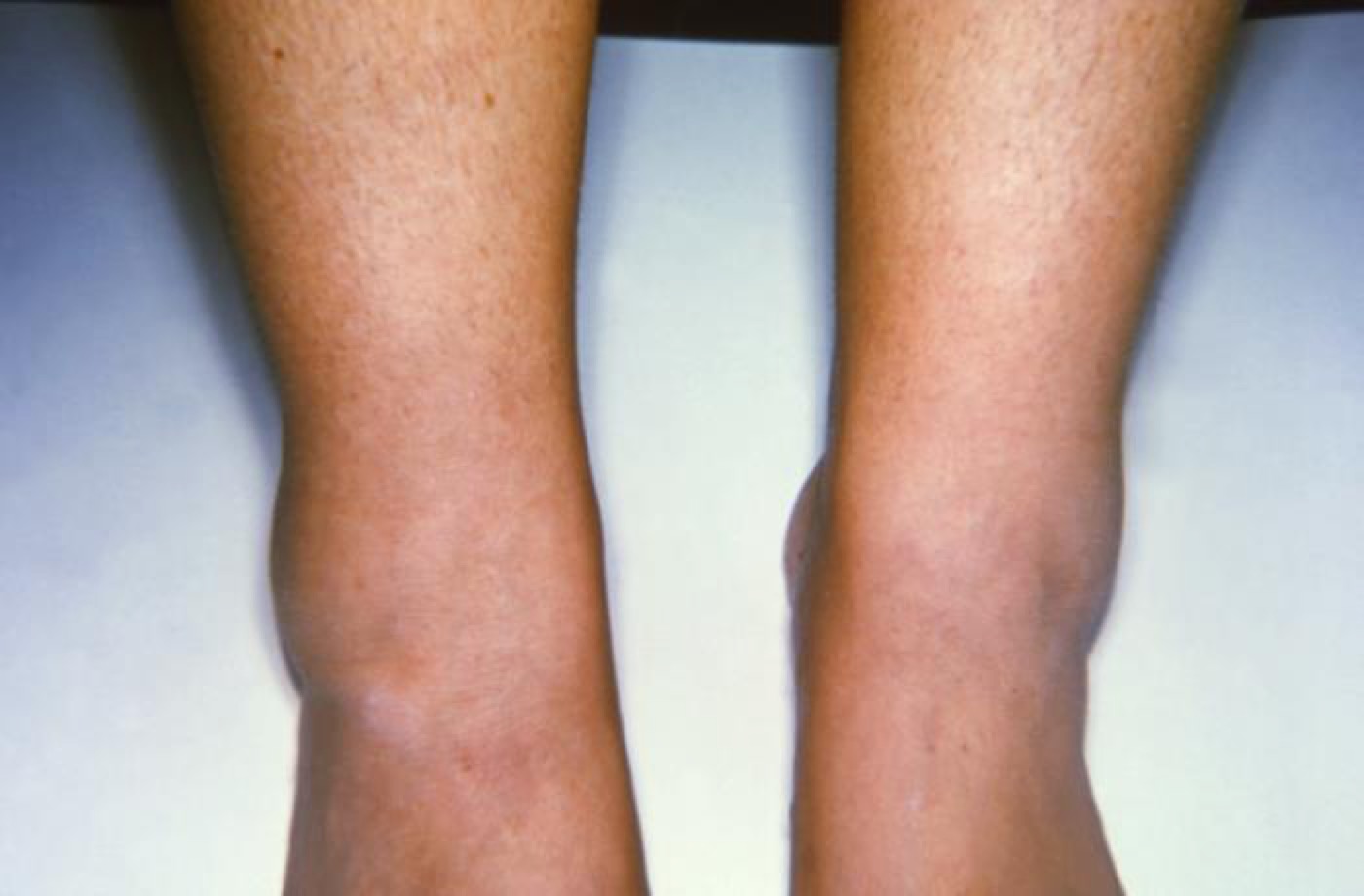
Poor circulation changes the safety question from simple nail or hard skin care to careful checking before treatment. Photo source
The practical search query this article answers is foot care with poor circulation at home. It is for the person whose feet feel colder, slower to heal, or more uncomfortable than they used to, and for the carer or family member wondering whether nail cutting, hard skin care, or a home visit is still safe.
Why circulation matters before foot care
Poor circulation is not just a background health detail. It can affect how well skin tolerates pressure, how quickly small cuts settle, and how cautious you need to be with nails, corns, callus, and cracked skin. The NHS describes peripheral arterial disease as reduced blood supply to the leg muscles, with leg pain on walking that improves after rest being one possible symptom.
The important home care point is simple: if the blood supply to the feet may be reduced, avoid anything that could break the skin unnecessarily. That includes digging at hard skin, cutting down the sides of nails, using blades, or pushing through pain because the job seems routine.
Poor circulation can sit alongside diabetes, heart disease, smoking history, high blood pressure, high cholesterol, or reduced mobility. If those apply, treat foot care as a safety task, not just grooming. A careful check before treatment is often more useful than rushing to cut or file.
Signs that need a more cautious approach
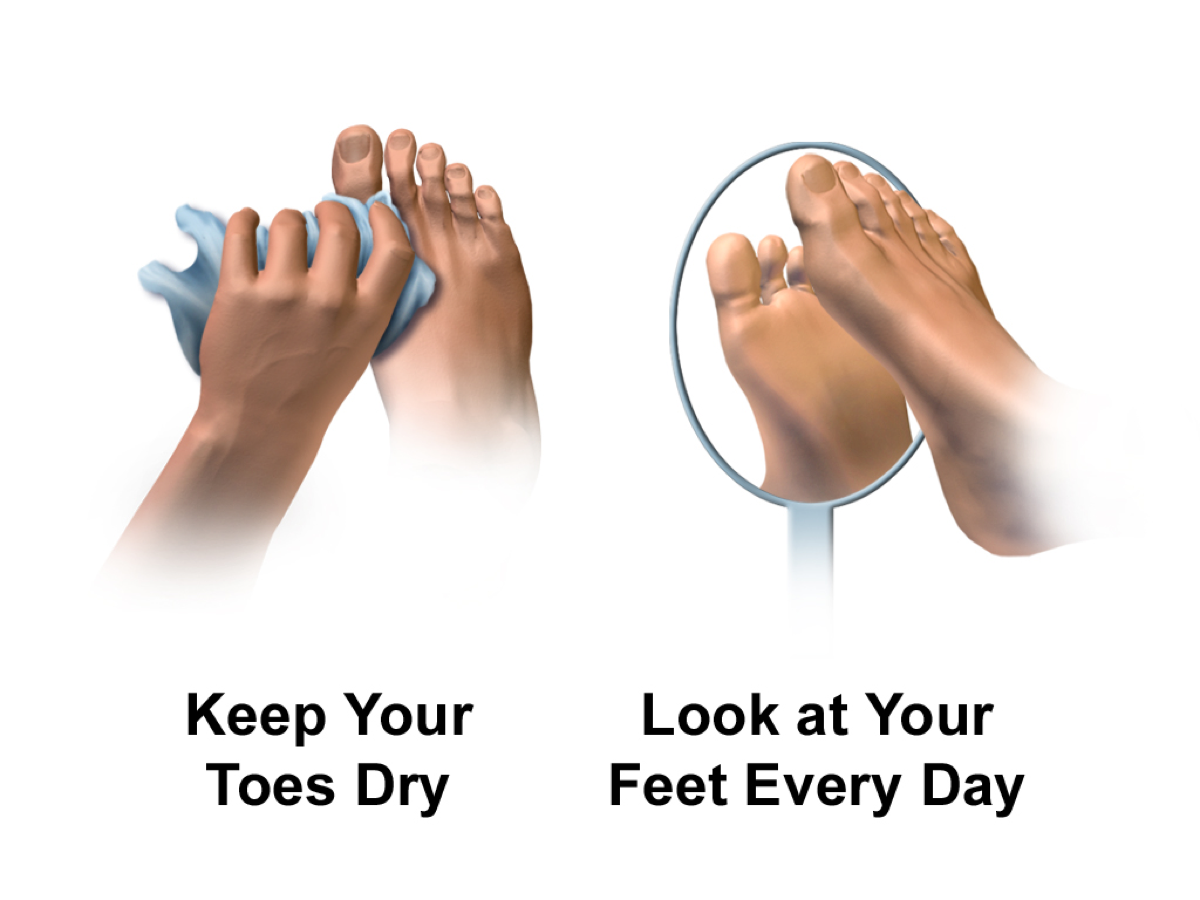
Checking the feet in good light helps families notice colour, skin, nail, and pressure changes before routine care starts. Photo source
Before cutting nails or treating hard skin, look for colour change, coldness, swelling, shiny skin, new pain, slower healing, cracks, sores, discharge, bleeding, or a foot that looks different from usual. Diabetes foot advice is especially clear that changes in feeling and blood supply can make foot problems easier to miss and more serious if ignored.
Pain when walking that eases with rest should not be brushed aside as ordinary ageing. The NHS describes this walking pain pattern as a symptom of peripheral arterial disease, and it can affect one or both legs. If this is new, worsening, or limiting daily activity, it is a GP discussion rather than a nail care issue.
For carers, the useful question is: what has changed? A new red mark from a slipper, a crack that is not closing, a nail pressing into skin, or a patch of hard skin that suddenly hurts can all change what is safe to do at home.
What is usually safer at home
If there is no broken skin, no sudden change, and the person is otherwise well, home care should stay gentle. Wash and dry the feet carefully, moisturise dry skin away from between the toes, wear clean socks, check shoes for seams or rough areas, and avoid walking barefoot if the feet are vulnerable.
Corns and calluses are thick areas of skin caused by repeated pressure or friction, and the NHS suggests practical pressure reducing steps such as wide comfortable shoes, soft soles, cushioned socks, insoles, and moisturising. MedlinePlus makes the same pressure point: corns and calluses form where skin is repeatedly pressed or rubbed.
The safest home pattern is pressure relief first, removal second. Do not keep filing until the skin feels sore. Do not cut hard skin with scissors, razors, knives, or blades. If poor circulation is suspected, even a small accidental cut can become a bigger worry than the original callus.
When nail cutting should not be forced
Nail cutting becomes risky when nails are very thick, curved, painful, difficult to see, or hard to reach. It also becomes riskier when the person has poor circulation, diabetes, numbness, fragile skin, or a history of ulcers. The NHS advises people with diabetes, heart disease, or circulation problems not to treat corns and calluses themselves, and the same caution should shape nail care decisions.
The problem is often the combination rather than one factor. A thick nail may be manageable for a healthy person with good eyesight and the right tool. The same nail may be unsafe for someone who cannot reach their feet, has reduced feeling, bleeds easily, or has skin that heals slowly.
Professional foot care is sensible when the task has become too awkward or too risky for a family member. A home visit can allow the nails to be trimmed carefully while the practitioner checks whether skin, pressure, footwear, or medical warning signs need a different route.
Diabetes and poor circulation need extra care
Diabetes changes the threshold for getting help. Diabetes UK explains that diabetes can increase the risk of foot problems, and that looking after the feet can help avoid complications. NICE guidance on diabetic foot problems also focuses on prevention, risk assessment, and early management rather than waiting for a wound to become serious.
If someone has diabetes plus possible circulation problems, do not treat a new sore, crack, blister, colour change, swelling, heat, discharge, or unexplained pain as routine foot care. NHS inform advises urgent contact with a podiatrist or GP for a hot red swollen foot, new skin damage, new pain, or shape change.
Routine mobile foot care may still help with careful nail and skin maintenance when the foot is stable. The boundary matters: stable routine care can be planned, but wounds, infection signs, sudden swelling, or a worrying colour change need medical advice first.
Shoes, slippers, and pressure points matter
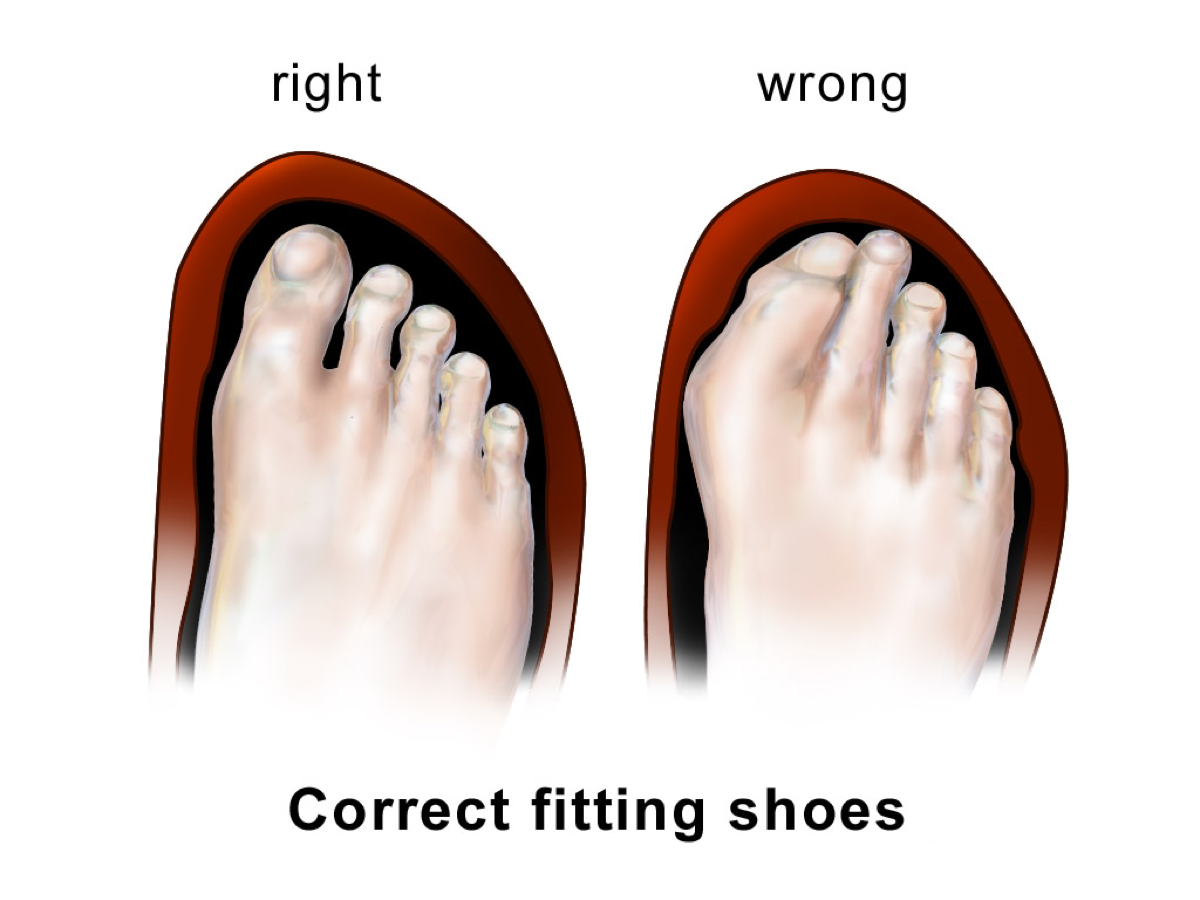
Footwear checks matter because pressure from shoes or slippers can quietly create soreness, hard skin, or rubbing. Photo source
Footwear can quietly create the problem that later looks like a skin problem. A tight toe box, hard seam, worn slipper, loose heel, or curled sock can rub the same place every day. Tight shoes can contribute to corns and calluses, which is why shoe pressure matters as much as the skin itself.
Older feet also change over time. The Royal College of Podiatry explains that ageing feet can become more affected by skin changes, joint wear, and pain. Age UK also links good foot care in later life with relieving pain and reducing infection and fall risk.
For families, a useful preparation step is to keep the usual shoes, slippers, and socks nearby before a home visit. The most worn pair often shows where pressure is happening. If one shoe always causes redness, that is important information, not a side detail.
Why home visits can help families decide safely
Home visit foot care is valuable when the person needs routine support but travel, mobility, balance, fatigue, or anxiety makes clinic visits difficult. The practitioner can see the chair, lighting, footwear, socks, walking route, and daily setup that shape the person's real foot care routine.
This is especially useful when several small risks overlap. Parkinson's UK describes how balance, gait, stiffness, swelling, and footwear can affect foot comfort. Stroke support information also shows how changes in movement and foot position can affect walking. A home visit can connect nail and skin care with the practical way the person moves around at home.
It can also reduce pressure on carers. Carers UK recognises how difficult arranging care can feel when you are trying to make decisions in someone else's best interests. A focused foot care appointment gives families a clearer answer: routine care, monitor and book again, or seek GP, NHS podiatry, or urgent advice.
When to ask for medical advice first
Ask for medical advice before routine foot care if there is an open wound, spreading redness, pus, a bad smell, sudden swelling, a hot foot, blue or black skin, severe pain, new numbness, fever, feeling unwell, or a sudden change in foot shape. These are not problems to solve with clippers or a file.
Foot pain in later life should not simply be accepted as normal. Mayo Clinic also warns against cutting corns or calluses yourself because of infection risk. If the foot looks fragile, infected, unusually painful, or slow to heal, the safest next step is assessment, not more home treatment.
For RMFC patients in Surrey, the commercial fit is practical and careful. If the need is stable routine nail care, hard skin support, pressure advice, or help because clinic travel is difficult, asking about a home visit can be sensible. If the foot has a wound, infection sign, sudden colour change, or worrying swelling, medical advice should come first.
Key Takeaways
- Poor circulation makes foot care a safety decision, not just a grooming task.
- Check for colour change, coldness, swelling, cracks, wounds, discharge, or new pain before cutting or filing.
- Avoid blades, razors, digging, strong medicated products, and forceful filing when circulation may be reduced.
- Diabetes, numbness, fragile skin, or a history of ulcers should lower the threshold for professional advice.
- A home visit can help with stable routine care, but wounds, infection signs, sudden swelling, or colour change need medical advice first.
Foot care with poor circulation should be calm, careful, and practical. Start by checking what has changed, avoid anything that breaks the skin, and treat shoes and pressure points as part of the problem. If the feet are stable but nail or skin care has become difficult, a home visit can make routine care safer and easier. If there are warning signs, get medical advice before treating the feet as an ordinary maintenance job.
Need Professional Foot Care?
Book a home visit and get expert treatment without leaving your house