
Poor Balance and Foot Care: What Is Safe
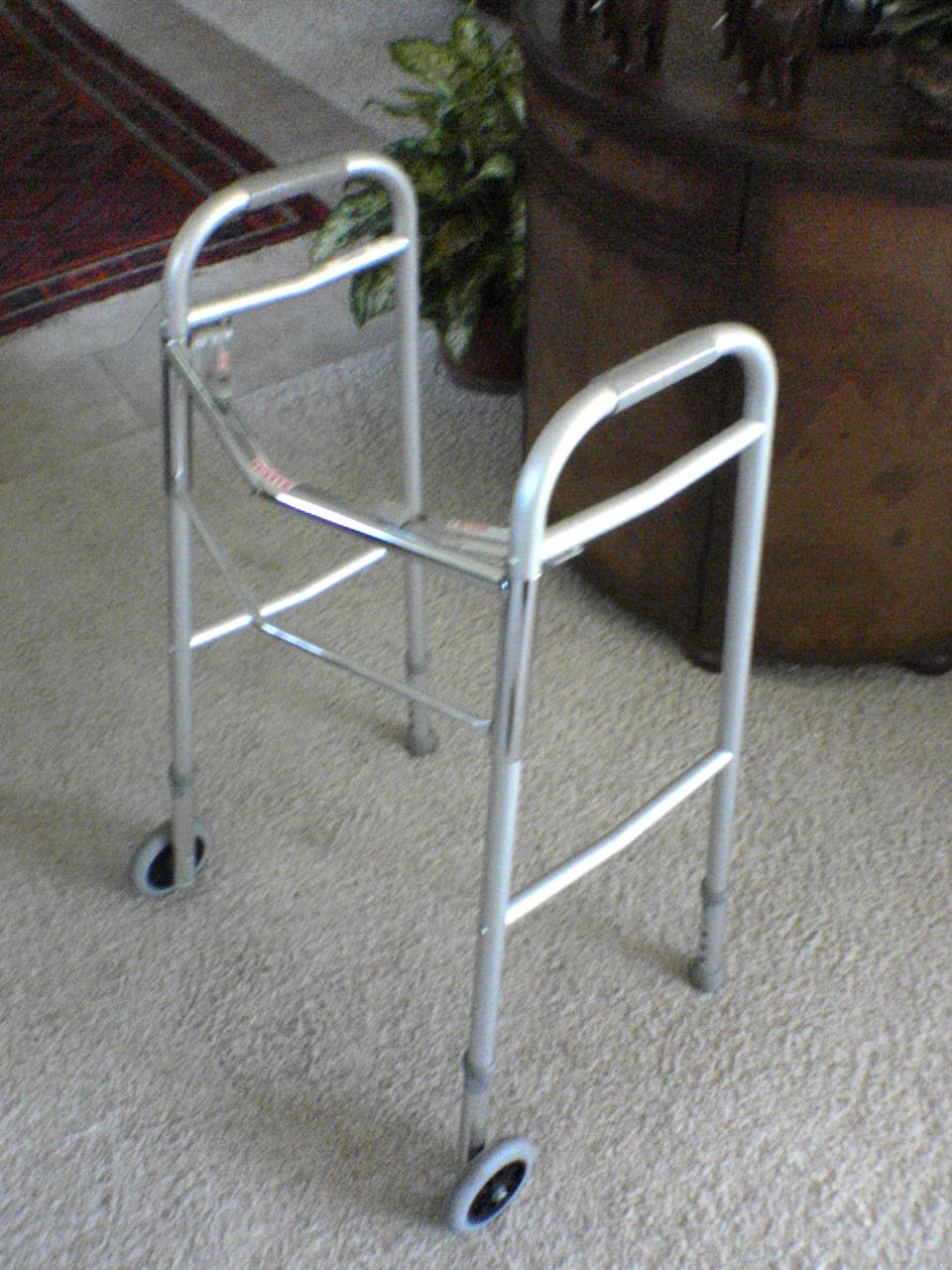
A stable setup matters when poor balance makes foot care harder. Photo source
The practical search query this article answers is foot care when balance is poor. It is for older adults, carers, partners, and family members who know foot care is needed, but worry that bending, standing, transferring, or travelling to a clinic could lead to a fall. This article belongs to the pillar Home visit foot care for older adults, diabetes, and reduced mobility.
Why poor balance changes foot care
Foot care is often treated like a small routine task. For someone with poor balance, it can become a real safety problem. Toenail cutting may mean bending forward, lifting one foot, twisting in a chair, standing in a bathroom, or leaning on furniture that was never meant to support body weight.
The NHS says people should see a GP if they are worried about balance or mobility, or if they have had a fall. It also explains that falls support may include balance checks, home safety checks, eyesight checks, medicine review, and strength and balance training. That matters because balance worry is not just a foot care inconvenience. It can be part of a wider fall risk picture.
NICE describes falls prevention as a way to reduce falls, distress, pain, injury, loss of confidence, and loss of independence. That is exactly why foot care should be planned around the safest setting, not squeezed into whatever bathroom or hallway feels available at the time.
What to check before cutting nails or hard skin
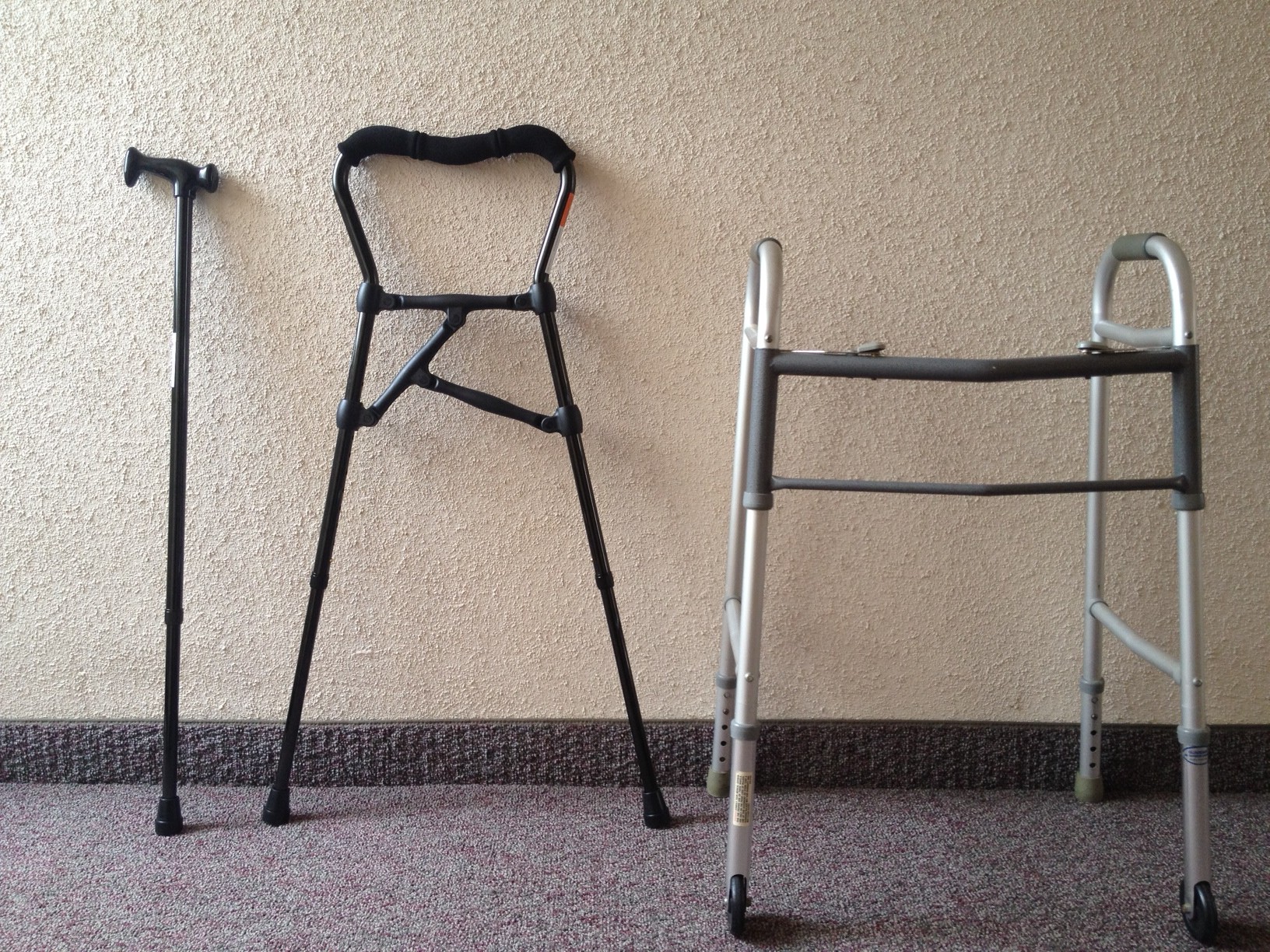
If foot care depends on balancing or leaning, the setup needs to change before clippers come out. Photo source
Before anyone reaches for clippers, check what is making the task difficult. Is the person unsteady when standing? Do they feel dizzy when bending forward? Can they see the nail edge clearly? Can they reach their feet without holding their breath or gripping the chair? Are the nails thick, curved, crumbly, painful, or pressing into nearby skin?
Age UK notes that foot care in later life can lower fall and infection risk, relieve pain, and help people who are unable to look after their feet. It also says basic services may include toenail cutting and that some foot care can be accessed at home if someone is housebound. In other words, needing help with toenail cutting can be a normal care need, not a personal failure.
If the person has diabetes, poor feeling, circulation problems, previous ulcers, fragile skin, or takes blood thinning medication, be more cautious. Diabetes UK advises daily foot checks, careful nail cutting, suitable footwear, and avoiding blades or corn plasters. If someone cannot safely inspect their feet because of balance or eyesight, that missing daily check is part of the risk, not a detail to ignore.
What not to do when standing feels unsafe
Do not cut nails while standing, balancing on one leg, perching on the edge of a bath, or leaning on a towel rail. Do not rush because the person is already tired from washing or dressing. Do not use blades on hard skin or corns. Do not keep clipping deeper because the first cut did not solve the problem.
Fall prevention advice often starts with the environment. The CDC recommends removing things people can trip over, adding grab bars, making sure stairs have railings, improving lighting, checking eyes, and reviewing medicines that may cause dizziness or sleepiness. The practical lesson for foot care is simple: the setup around the task matters. A sharp tool plus poor balance plus a slippery room is not a safe combination.
If foot care has to happen at home, choose a stable chair, good light, dry flooring, and enough time. If those conditions are not possible, stop and arrange help instead of improvising.
Foot pain, footwear, and balance often overlap
Poor balance and foot discomfort can feed each other. Painful nails, corns, callus, cracked heels, swollen feet, or shoes that pinch can make someone change how they walk. That altered walking pattern can then make them feel less steady.
Versus Arthritis explains that foot and ankle pain can come from badly fitting footwear, arthritis, poor blood circulation, nerve damage, and other causes. Pain that gets worse, lasts, or does not improve with simple self care should be checked. For an older adult with poor balance, foot pain is not just discomfort. It can affect confidence, walking, and willingness to leave the house.
This is why footwear is part of the foot care conversation. Shoes and slippers should not squash toes, catch loose nails, rub hard skin, or make the person shuffle. Diabetes UK also includes well fitting footwear as one of its foot care steps, especially because rubbing or pressure may not be felt clearly by someone with reduced sensation.
When to ask for medical advice first
Home visit foot care can help with many stable routine problems, but it should not replace medical assessment when the situation looks urgent or higher risk. Ask for GP, NHS 111, podiatry, foot protection, or urgent care advice if there has been a fall with injury, a new wound, spreading redness, swelling, pus, severe pain, sudden warmth, feverish symptoms, a black or rapidly changing toe, or a diabetes related concern.
NHS falls advice says to get help from NHS 111 if someone has fallen and may be in pain, injured, or unwell, and to call 999 if there may be head, back, neck, or hip injury, or the person cannot get up. If the foot care problem appeared after a fall, treat the fall as the priority before booking routine care.
NICE also emphasises identifying people at risk of falls and using comprehensive assessment where needed. If poor balance is new, worsening, linked to dizziness, or causing repeated near misses, the balance problem itself needs attention, not just the nails.
Where home visit foot care fits
Home visit foot care is useful when the person is stable enough for routine care but the journey, chair, stairs, clinic access, or bending makes self care difficult. A home visit can make nail cutting calmer, reduce awkward positions, check for pressure areas, smooth rough nail edges, and help set a sensible repeat interval so care does not become overdue.
Health in Aging notes that foot pain and foot disorders are common in older people and can make walking, stairs, getting out of a chair, preparing meals, and using the toilet harder. It also connects foot problems with balance and falls. That is the commercial reason this topic matters for RMFC: small foot problems can affect daily independence, and mobile foot care can remove the travel barrier when routine care is appropriate.
For families in Surrey, the practical next step is to describe the problem clearly before booking: poor balance, fall history, diabetes or circulation concerns, pain, swelling, broken skin, thick nails, hard skin, and whether the person can sit comfortably for care. Clear information helps decide whether routine home visit foot care is suitable now or whether medical advice should come first.
Key Takeaways
- Poor balance can make ordinary foot care unsafe if the person has to bend, stand, twist, or use sharp tools in an awkward place.
- Check the person, the feet, the room, the chair, the lighting, and the risk factors before cutting.
- Diabetes, poor feeling, circulation problems, wounds, infection signs, recent falls, or worsening pain mean medical advice may be needed first.
- Foot pain, tight footwear, hard skin, and nail pressure can all affect walking confidence.
- Home visit foot care can help when the problem is stable, routine care is needed, and travel or self care has become difficult.
If poor balance makes foot care feel risky, do not force the task. Check for medical warning signs first, make the setup safer, and avoid sharp tools if the person cannot sit steadily, see clearly, or reach comfortably. When the foot problem is stable but nail or hard skin care has become difficult, Rithik's Mobile Foot Care can help with calm routine foot care at home in Surrey.
Need Professional Foot Care?
Book a home visit and get expert treatment without leaving your house