
Podiatry vs Chiropody: What Is the Difference?
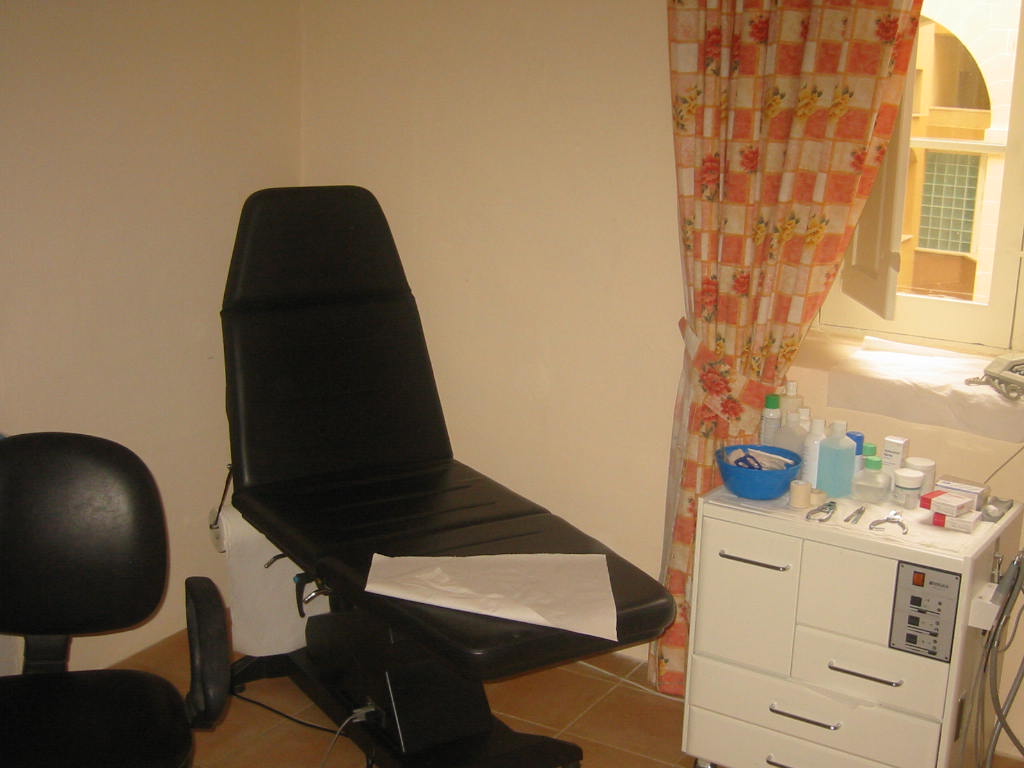
For most patients, the important question is not which word sounds better, but what kind of foot care they actually need. Photo source
If you have searched for podiatry, chiropody, mobile foot care, or a chiropodist near you, you have probably seen both words used and wondered if they mean different things. The practical search query this article answers is podiatry vs chiropody. In most day to day UK use, the two terms point people toward the same area of foot care, but the wording can still be confusing.
In practical UK use, the two words usually point to the same field
Chiropody is the older term many people grew up hearing. Podiatry is the modern professional term used more widely in training, regulation, and clinical settings. For most patients looking for help with nails, corns, calluses, heel cracks, or sore feet, the day to day outcome is often similar whichever word they search.
The Health and Care Professions Council keeps the UK register for podiatrists, which is one reason podiatry now appears more often in formal settings. If registration matters for the service you are choosing, you can check the HCPC register rather than relying on the wording alone.
That is useful because the label can vary, but the question you really care about is whether the person can help safely with your foot problem.
Why many people still say chiropody
Many patients still say chiropodist because that is the word they have heard for years from family, neighbours, and older local services. There is nothing wrong with that. It is normal language rather than a mistake.
The Royal College of Podiatry uses podiatry as the modern professional term, but everyday patients are often simply trying to find someone who can help with uncomfortable feet, thick nails, or a home visit. Search behaviour does not always follow professional terminology neatly.
That is why a good local service usually explains clearly what it treats, rather than assuming everyone already knows the preferred label.
What appointments can actually help with
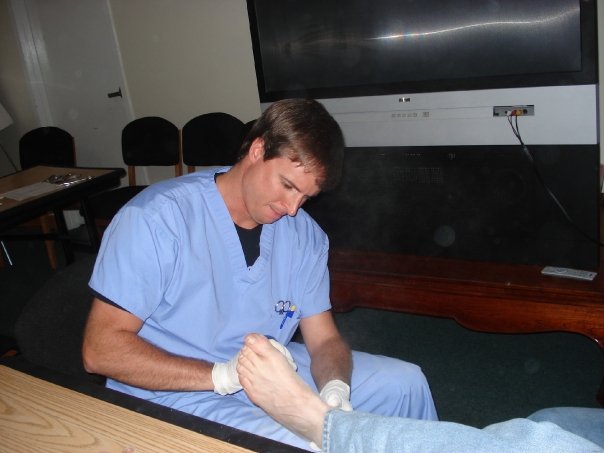
For most people, the useful distinction is not the title, but whether the appointment matches the foot problem they have. Photo source
Whether someone calls it podiatry or chiropody, the appointment may help with thick nails, difficult nail cutting, corns, calluses, cracked heels, fungal nails, athlete's foot, verrucas, and painful ingrown toenails. It can also be helpful for people who cannot reach their feet safely or need routine care to stay comfortable.
That broader usefulness is why the wording debate can distract from the real decision. If the service regularly helps with your kind of problem and is clear about its limits, it is already answering the more important question.
For example, someone who mainly needs safe routine nail care at home may be looking for something quite different from someone with a wound, spreading infection, or higher risk diabetic foot problem that needs NHS or medical input.
When a home visit is the better fit

Home visit foot care is often the most practical option when the real barrier is travel, mobility, or confidence. Photo source
For many people, the deciding factor is not terminology. It is whether travelling to a clinic is realistic. Mobility problems, caring responsibilities, no transport, recent illness, or simple fatigue can all make a home visit the better fit.
Age UK notes that some foot care services for older people may be available at home if someone is housebound, and that foot care can reduce pain and help people stay active. That practical point matters more than whether the appointment is described first as podiatry or chiropody.
If the need is routine treatment and the barrier is getting out, a mobile service can often solve the actual problem much more directly than a clinic based option.
How to choose the right service
Look beyond the label and check what the service actually covers. Does it clearly explain the treatments offered? Does it say whether home visits are available? Is it honest about when a problem needs a GP, NHS podiatry, or urgent medical assessment instead?
That last part matters. A good service should not pretend routine foot care can replace medical care for infection, wounds, sudden swelling, or higher risk diabetic foot problems. Clarity builds more trust than trying to sound like it covers everything.
If your main need is safe routine care at home, comfort, nail cutting, or help with common foot problems in Surrey, asking what kind of home visit foot care is available is often the simplest next step.
So which word should you use?
Use the word that helps you find the right service. In everyday life, many people still say chiropody. In professional settings, podiatry is more common. The important thing is that the service fits your needs and is clear about what it can and cannot help with.
If you are booking for an older relative, a partner, or yourself, do not get stuck on the vocabulary. Focus on the practical outcome: safe, appropriate foot care from someone who communicates clearly and treats the right problems.
That is what most people actually mean when they search either term.
Key Takeaways
- In most UK day to day use, chiropody and podiatry usually point to the same field of foot care.
- Chiropody is the older public term, while podiatry is the more modern professional term.
- The better question is what treatment you need, not which label sounds more correct.
- Home visits are especially useful when travel, mobility, or confidence is the main barrier.
- Choose services that explain clearly what they treat and when medical referral is more appropriate.
The difference between podiatry and chiropody matters less than many people think. For most patients, the words are two ways of describing professional foot care. What matters most is finding the right help for the problem you actually have, especially if that help needs to come to your home rather than expecting you to travel.
Need Professional Foot Care?
Book a home visit and get expert treatment without leaving your house