
Podiatrist at Home: What It Means
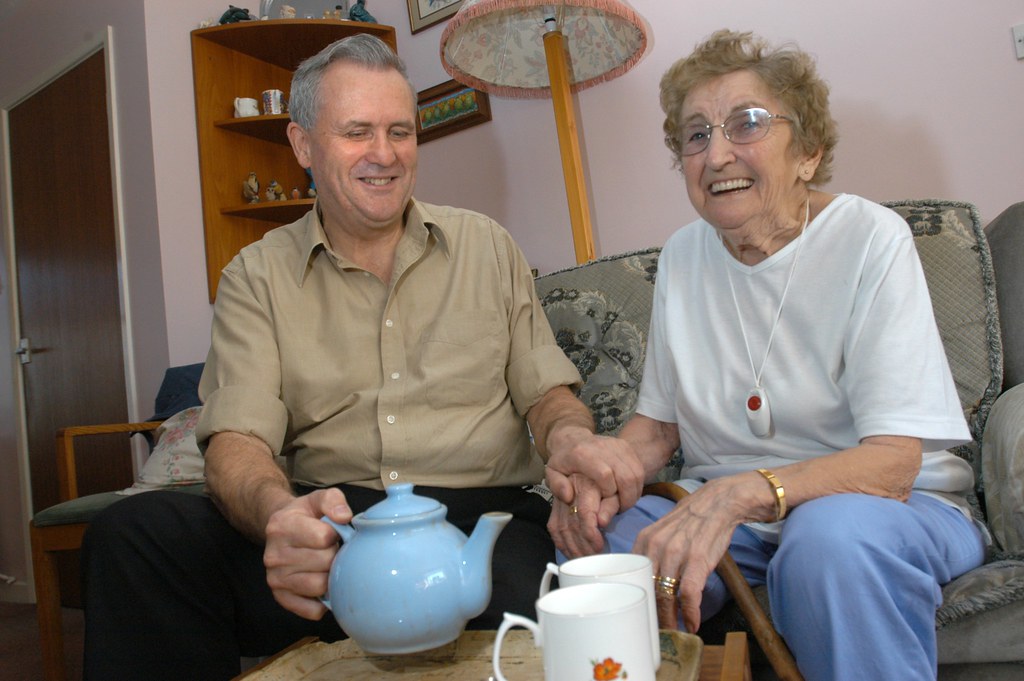
Home visit foot care starts with a practical question: what help is needed, and can it be provided safely at home? Photo source
The practical search query this article answers is podiatrist at home Surrey. It is for an older adult, family member, or carer who is not sure whether to search for a podiatrist at home, chiropodist at home, mobile foot care, home visit foot care, or toenail cutting at home.
Why people search for podiatrist at home
Most people do not search this phrase because they want a textbook definition. They search it because travelling to a clinic is difficult, nails have become too thick to cut, a corn is painful in shoes, diabetes makes foot care feel risky, or a parent is no longer managing their feet safely.
That is why the wording matters commercially for RMFC. A person searching for podiatrist at home Surrey is often already thinking about a provider, not just general foot health advice. They may also use older wording such as chiropodist at home or practical wording such as mobile foot care.
The NHS still groups search behaviour around podiatrists and chiropodists services, which reflects how many people use both terms when they are trying to find foot care help.
What the phrase usually means
In everyday searching, podiatrist at home usually means a foot care professional who can visit the patient rather than asking the patient to travel. The searcher may need nail cutting, thick nail care, corn or callus help, cracked heel advice, diabetic foot caution, or a check on discomfort that is making walking harder.
There is still an important credentials point. Podiatrist is a protected professional title in the UK, and the regulated professions and protected titles list is one way to check whether someone is using that title appropriately.
Chiropodist is familiar older language for many families. Mobile foot care is broader wording and may describe routine home visit care for nails, hard skin, and comfort. The safest question is not which phrase sounds best, but what the person needs, what the provider is qualified to do, and whether the symptoms are suitable for routine home care.
What can often be helped at home

Many home visit searches are made by family members who are trying to arrange safer, calmer support for someone else. Photo source
A home visit can often help with routine nail trimming, thick or hard nails, rough nail edges that catch on socks, uncomfortable callus, corns caused by pressure, dry skin, cracked heel advice, and practical shoe or sock observations.
Ageing feet can become drier, more fragile, and more painful, and foot pain can affect walking and wellbeing. That is why routine foot care for ageing feet is not just cosmetic.
Older adults are also often advised to keep feet clean, dry, moisturised where appropriate, and checked regularly. The wider point in older adult foot care guidance is simple: small foot problems can quickly affect comfort, confidence, and movement.
For corns and calluses, the NHS describes them as hard or thick areas of skin that can be painful and often appear on feet and toes. That supports a practical home visit conversation about pressure, tenderness, and safe relief, especially when walking or shoes have become uncomfortable.
When it is not routine foot care
A home visit search should not turn every symptom into routine nail care. If there is a wound, spreading redness, pus, sudden swelling, severe pain, a hot foot, sudden colour change, or a new loss of feeling, the safer next step may be GP, NHS, urgent care, or specialist advice before routine treatment.
Diabetes changes the risk level. Diabetes UK explains that raised blood glucose can damage nerves and blood vessels in the feet, which means foot problems may be missed or become serious.
NICE guidance on diabetic foot problems exists to reduce variation in prevention and management, including infection decisions. For families, the practical message is that diabetic foot symptoms need careful escalation, not casual cutting or scraping at home.
If foot pain is changing how someone walks, treat that as a mobility issue as well as a foot issue. NHS falls advice explains why getting up, balance, support, and injury checks matter after a fall, so new walking difficulty should not be brushed aside.
How carers can prepare for a home visit
A good home visit is easier when the room is warm, well lit, and safe to work in. Have a firm chair ready, keep the usual shoes and socks nearby, and write down the main concerns before the appointment. Include diabetes, poor circulation, blood thinners, recent falls, new wounds, pain, swelling, and any hospital or GP advice.
The HSE describes domiciliary care as care provided in people's own homes and notes that risks vary with the person's needs, the environment, the task, and the competence of the person providing care. That fits home foot care too: the home setup affects how safely care can happen.
If a carer is arranging the appointment, it helps to be clear about what support already exists. Carers UK covers practical support routes such as assessments and arranging help, which is useful context when family members are coordinating care around someone else.
For more formal care situations, CQC explains services in people's homes as a care setting in its own right. That is a useful reminder that home-based support still needs clarity and professionalism, even when the appointment feels informal.
How to choose the right kind of help
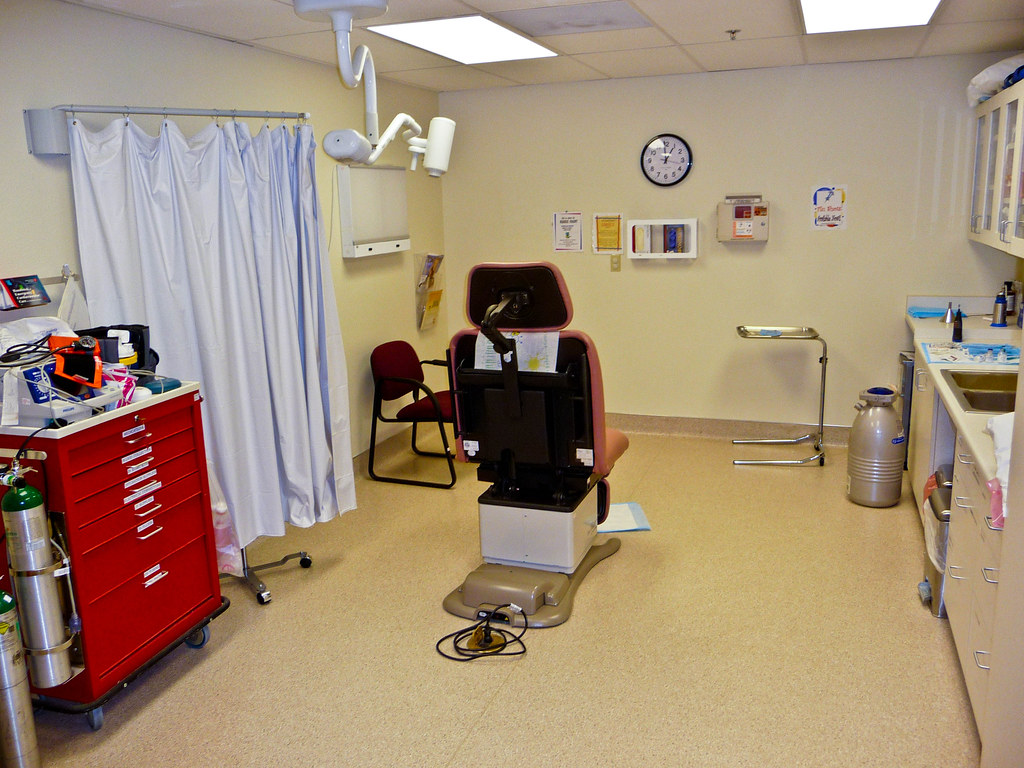
The right service depends on symptoms, risk level, qualifications, and whether the problem is suitable for routine care at home. Photo source
Start with the problem, not the label. Is the issue long nails, thick nails, painful pressure, cracked heels, diabetes risk, a new wound, or a sudden change? A clear description helps the provider decide whether a routine home visit is appropriate.
Ask what the appointment can include, what it cannot include, what qualifications or registrations apply, how infection control is handled, and what happens if the provider sees something that needs medical referral. Citizens Advice has general guidance on arranging support at home, and the useful principle is to make roles, choices, and responsibilities clear.
Accessibility matters too. AbilityNet's practical advice on making technology easier for older people is not foot care guidance, but it does highlight a wider carer reality: booking and communication need to suit the person, not just the service.
If someone is housebound or has reduced mobility, check whether the provider serves the address, whether there is parking, whether stairs are involved, and whether the person can sit comfortably for treatment. If safeguarding, benefits, or formal care support questions sit around the appointment, the wider disability support system may also be relevant for the family.
Where RMFC fits
Rithik's Mobile Foot Care is relevant when the person needs calm, practical home visit foot care in Surrey and the problem is suitable for routine support. That may include toenail cutting, thickened nails, hard skin, corns, callus, cracked heel advice, diabetic foot care caution, and general home visit foot care.
The appointment should feel problem-led. The aim is not to win a terminology debate between podiatrist, chiropodist, and mobile foot care. The aim is to make the person's feet safer and more comfortable, while being clear when a symptom needs medical input instead.
If you are searching because a parent cannot cut their nails, shoes have become painful, or travel to clinic is the main barrier, a home visit may be the practical next step. If there is sudden pain, infection concern, a wound, or diabetes-related change, get medical advice first.
Key Takeaways
- Podiatrist at home is usually a search for professional foot care without clinic travel.
- Chiropodist at home and mobile foot care are common related phrases, especially for older adults and carers.
- Routine nail, hard skin, corn, callus, and cracked heel support may often be suitable at home when symptoms are stable.
- Diabetes, wounds, sudden swelling, infection signs, severe pain, or sudden colour change need more caution and may need medical advice first.
- The safest service choice starts with the person's problem, risk level, mobility, and home setup, not only the title used in search.
If you are searching for podiatrist at home, chiropodist at home, or mobile foot care in Surrey, the real question is what problem needs solving. For many older adults, carers, and families, home visit foot care is about comfort, safety, and avoiding difficult travel. For higher risk symptoms, especially with diabetes or wounds, it is also about knowing when routine care should pause and medical advice should come first.
Need Professional Foot Care?
Book a home visit and get expert treatment without leaving your house