
When a Parent Refuses Foot Care Help
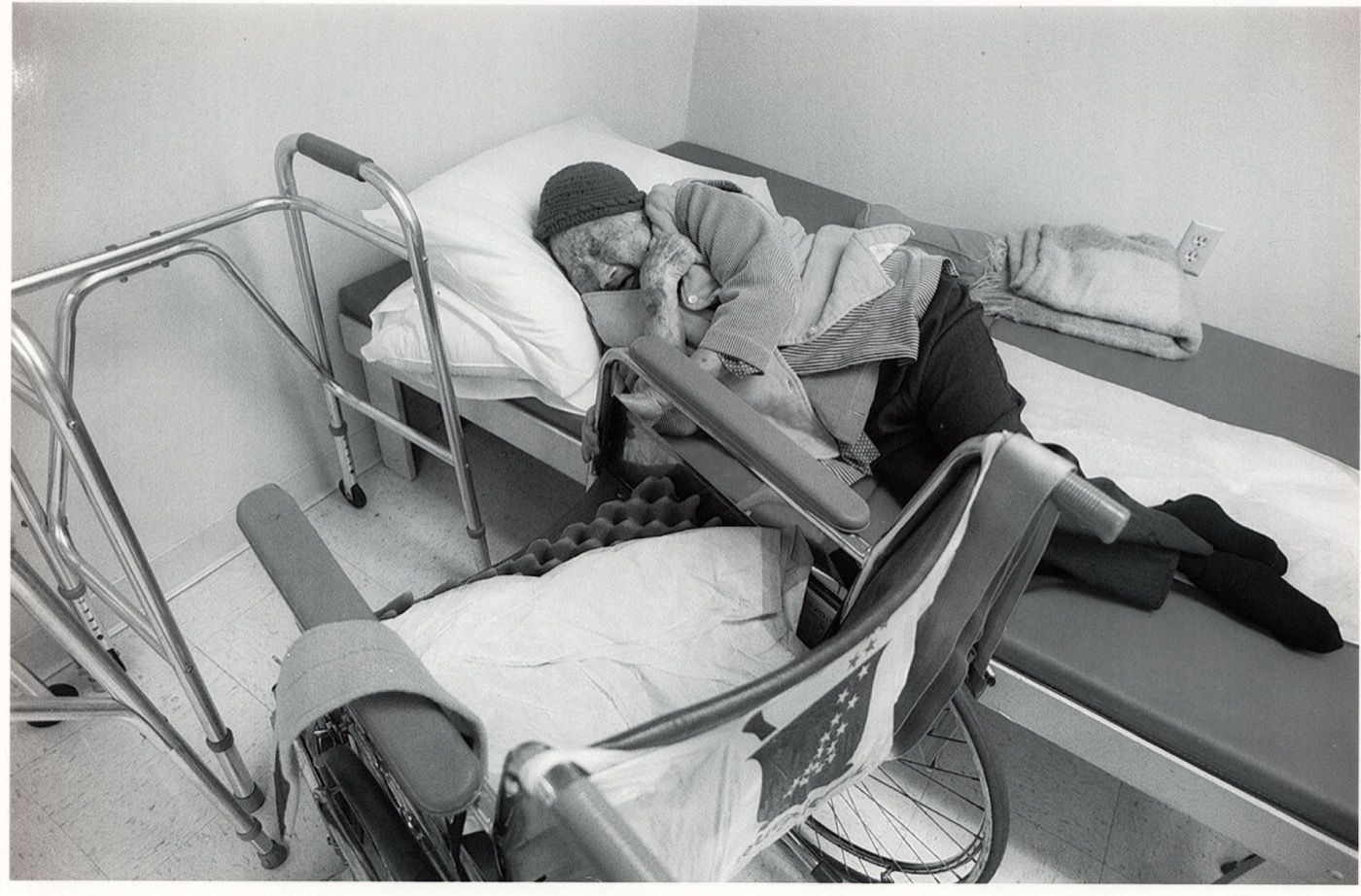
Foot care conversations often work best when they start with comfort, dignity, and practical help rather than pressure. Photo source
The practical search query this article answers is elderly parent refuses foot care help. It is for an adult child, carer, or family member who can see that toenails are getting too long, hard skin is building up, shoes are becoming uncomfortable, or foot checks are being missed, but the person who needs help says they are fine, feels embarrassed, or does not want anyone looking at their feet.
Why refusal is often about more than feet
When an older parent refuses foot care, the problem is rarely just stubbornness. It may be embarrassment, fear of losing independence, worry about pain, dislike of strangers coming into the home, previous bad experiences, dementia, low mood, or a belief that nail cutting is too small to justify help.
This matters because foot care is tied to dignity and mobility. Age UK links later life foot care with relieving pain, reducing infection risk, reducing fall risk, and helping older people who cannot look after their own feet. If the conversation starts with appearance or criticism, the person may hear it as a loss of control. If it starts with comfort, shoes, walking, and staying independent, it usually feels safer.
For RMFC, this topic matters commercially because many home visit foot care enquiries come from family members before the older person is ready. Searches such as toenail cutting at home for elderly, mobile foot care, chiropodist at home, podiatrist at home, and home visit foot care often hide a second problem: the family needs a calm way to turn concern into an appointment the person will accept.
Start with the practical discomfort, not the appointment
A softer question is often better than a direct booking suggestion. Instead of saying, you need foot care, try asking whether shoes feel tighter, whether nails catch on socks, whether walking feels different, whether hard skin is painful, or whether bending down has become difficult. Carers UK notes that families often need practical support around someone else's day to day care, and practical wording can reduce defensiveness.
If the parent says they are managing, ask them to show you the routine rather than prove them wrong. Can they see the soles clearly? Can they reach the nails without strain? Can they grip clippers safely? Can they dry between the toes? Can they tell if a shoe is rubbing? These questions make the problem visible without turning it into an argument.
It also helps to offer a small first step. A home visit does not need to be framed as a big medical event. It can be presented as a simple foot check, careful nail care where suitable, advice about hard skin or pressure, and a chance to avoid the strain of travelling to a clinic.
Know what should not wait
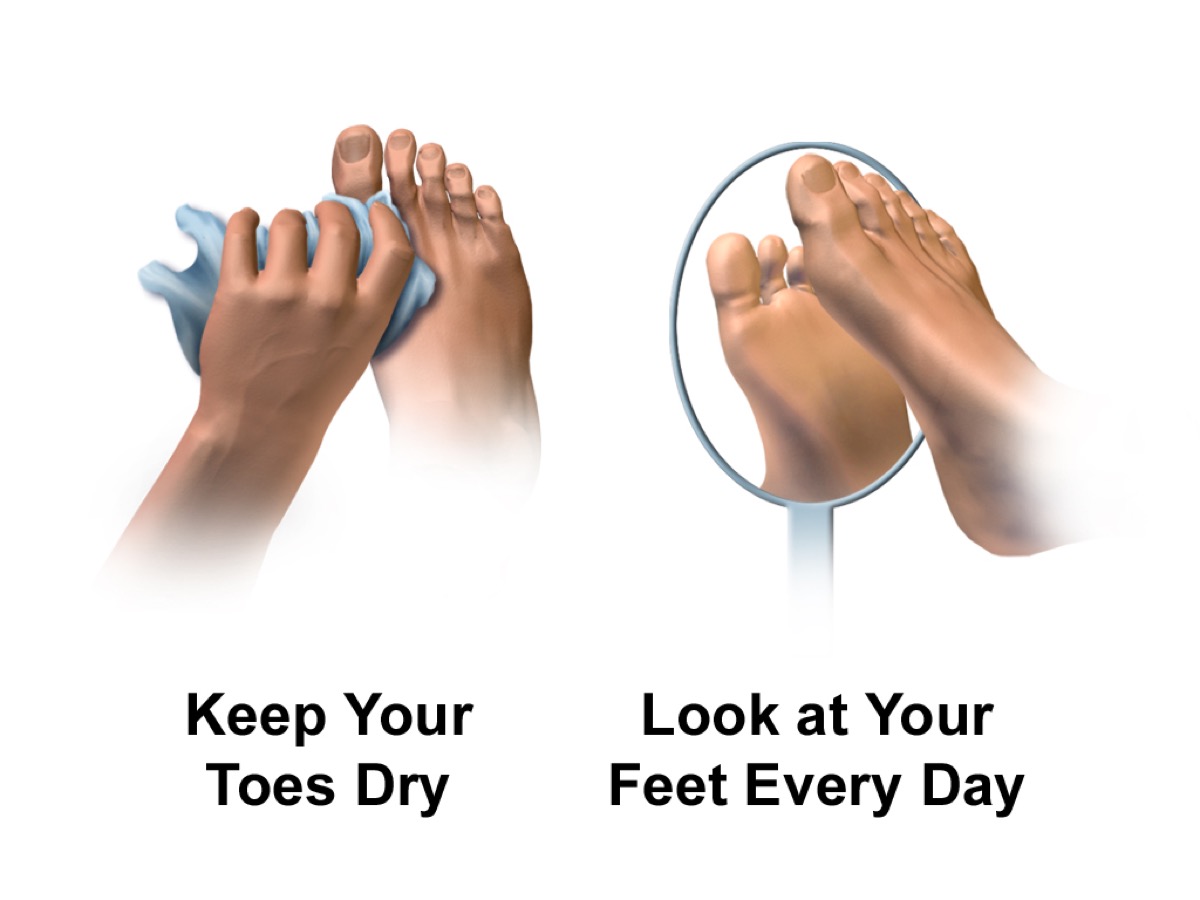
A simple check in good light can make hidden foot problems easier to notice before nail cutting is attempted. Photo source
Some foot changes should move the conversation from persuasion to safety. NHS guidance on swollen ankles, feet, and legs explains that swelling can be linked to everyday causes but also to infection, blood clots, kidney, liver, or heart problems. If swelling is new, worsening, one sided, painful, red, hot, or linked with breathlessness or chest pain, seek medical advice rather than treating it as routine foot care.
Diabetes changes the threshold. Diabetes UK explains that diabetes can damage nerves and blood vessels, meaning people may lose feeling in their feet and develop foot problems without noticing early pain. The CDC gives the same practical rule: check feet every day, even if they feel fine.
If there is broken skin, discharge, spreading redness, heat, sudden colour change, a wound that is not healing, numbness, or a history of diabetes related foot risk, do not bargain about nail cutting. NICE describes diabetic foot pathways and risk assessment because foot problems in diabetes need timely assessment and the right care route.
Make the choice feel safe and controlled
Resistance often falls when the older person has choices. Offer options such as morning or afternoon, which chair to use, whether a family member stays in the room, which concern to discuss first, and whether the first appointment is described as a check rather than treatment. Citizens Advice gives general advice on arranging care for someone while keeping roles and responsibilities clear, and the same principle helps with a small home visit.
If memory problems are involved, keep the explanation short and repeatable. The Alzheimer's Society explains that support works better when communication is patient and adjusted to the person's needs, including protecting dignity during personal care tasks. Foot care is less intimate than washing, but the dignity issue can feel similar to the person receiving help.
It is also reasonable to ask about professional boundaries. The Royal College of Podiatry explains that ageing feet can involve thinner skin, dry skin, pain, mobility problems, diabetes, arthritis, and slower healing. If the family is specifically looking for a registered podiatrist, the HCPC register can be used to check registered health and care professionals. For routine mobile foot care, ask clearly what the visit can include and what would be referred onward.
Prepare the home so the visit feels ordinary
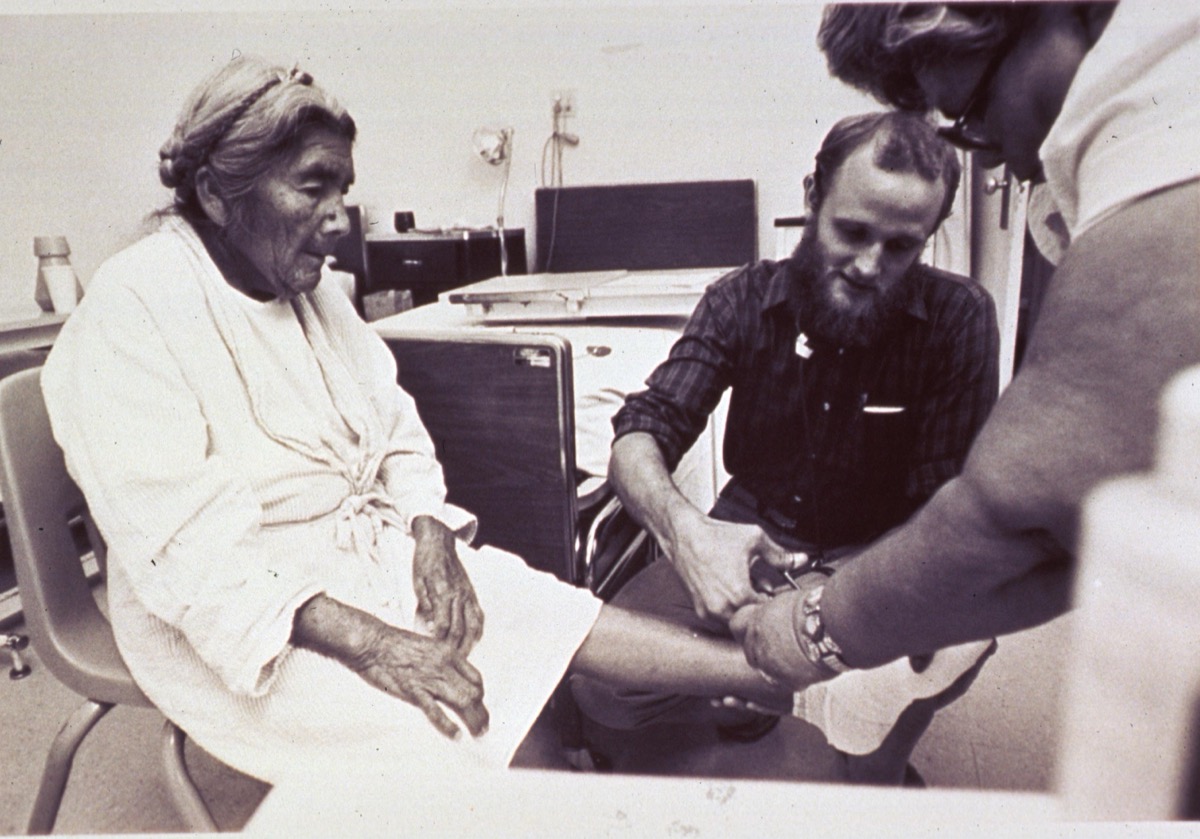
Careful foot care should feel calm, practical, and respectful, especially when the person was unsure about accepting help. Photo source
A parent who dislikes fuss may accept help more easily when the setup is simple. Choose a stable chair, good lighting, enough space around the feet, clean socks ready afterwards, and a short list of concerns such as long nails, thick nails, hard skin, corns, cracked heels, swelling, numbness, diabetes, recent falls, or shoes rubbing.
MedlinePlus describes oedema as swelling caused by fluid in tissues and notes that it commonly affects feet, ankles, and legs, with causes ranging from medicines and warm weather to heart, kidney, liver, and lymph problems. That is useful background for carers because swollen feet can make nail care and shoes harder, but the cause still matters.
Falls are another practical reason not to let foot care drift. The National Institute on Aging notes that many falls can be prevented and that staying active matters, while vision, medicines, balance, and the home environment can all affect fall risk. Foot pain, long nails, and uncomfortable shoes are not the whole falls story, but they can be part of the everyday picture.
When a home visit can be the easier route
Home visit foot care is often easiest to accept when the family frames it around one concrete benefit: no clinic travel, no difficult parking, no waiting room, no struggle with bending, and no pressure on a family member to cut nails they are not confident cutting.
The first appointment can also protect the relationship. Instead of the adult child becoming the person who keeps nagging about feet, the visit gives the family a calm outside route. That can be especially helpful when the parent is embarrassed, proud, anxious, housebound, recently less mobile, or tired of being told what to do.
If you are arranging help in Surrey, Rithik's Mobile Foot Care can support routine foot care at home where suitable, including toenail cutting, hard skin concerns, and practical checks. If anything looks medically urgent, the safest outcome is clear signposting rather than forcing routine treatment.
Key Takeaways
- Refusing foot care is often about dignity, embarrassment, independence, fear, or trust, not just stubbornness.
- Start with daily discomfort such as shoes, walking, nail catching, bending, or hard skin rather than pushing the appointment first.
- Diabetes, wounds, infection signs, sudden swelling, colour change, numbness, or worsening symptoms need medical advice before routine foot care.
- A calm home visit can make foot care easier when travel, mobility, eyesight, reach, or family confidence is the real barrier.
When a parent refuses foot care help, the best next step is usually a calmer conversation, not a bigger argument. Focus on comfort, independence, and safety. Check for warning signs. Give the person choices. Keep the home setup simple. If the problem is routine nail care, hard skin, or a practical foot check and travelling is difficult, home visit foot care can turn a tense family concern into a manageable appointment.
Need Professional Foot Care?
Book a home visit and get expert treatment without leaving your house