
Painful Toenail: What to Check First
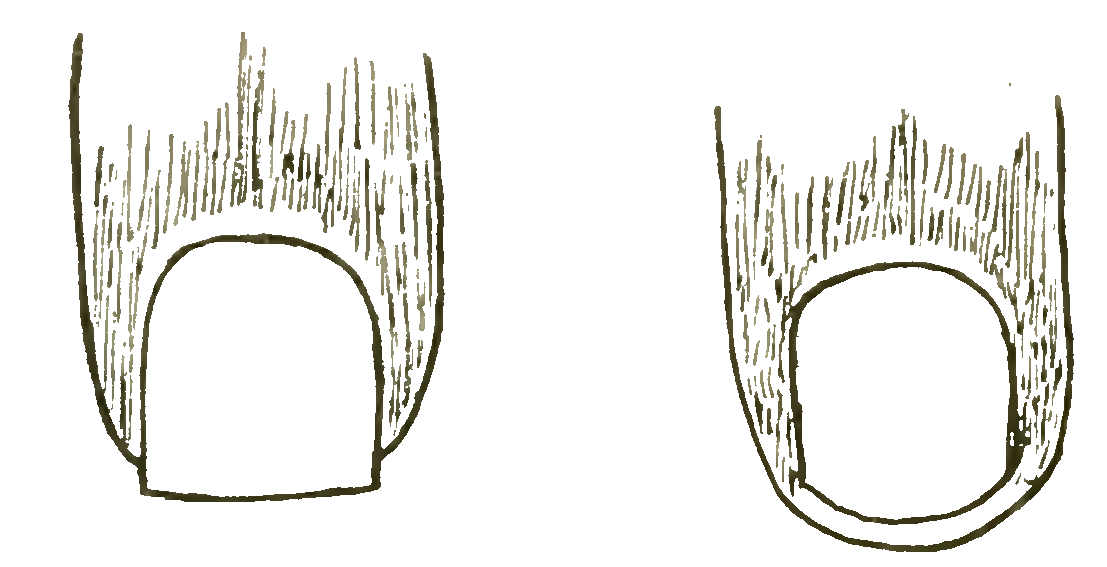
A painful toenail often starts with pressure, shape, trimming, footwear, or thick nail changes. The first step is to check what has changed before trying stronger self treatment. Photo source
The practical search query this article answers is painful toenail what to do UK. It is for someone whose toenail hurts in shoes, catches when walking, looks thicker than usual, or feels as if the side of the nail is pressing into the skin.
Why a toenail starts hurting
Toenail pain is a signal, not a diagnosis. A sore toe can be linked to shoe pressure, a nail edge digging into the skin, thickened nail, fungal change, injury, swelling, or a toe joint problem. UK guidance on toe pain lists several possible causes and advises people not to diagnose the cause of toe pain themselves.
That matters because the wrong home treatment can make a simple problem worse. Cutting down the side of the nail, digging under the corner, using sharp objects, or forcing tight shoes back on can turn irritation into broken skin.
The useful first question is practical: what exactly is sore, what changed recently, and is there any sign that the skin or circulation needs medical attention rather than routine foot care?
First check the skin around the nail
Look at the skin beside and around the nail. Redness, swelling, heat, pus, spreading soreness, or pain that throbs can suggest an ingrown or infected nail fold. Guidance on ingrown toenails describes pain, swelling, redness, pus, and feeling hot or shivery as signs that the problem may need more than simple home care.
If the skin is only mildly tender and there is no broken skin, it may be reasonable to reduce pressure, keep the foot clean and dry, and watch it closely. If the skin is open, wet, hot, increasingly red, or discharging, stop self treatment and seek advice.
A painful corner is not always a true ingrown toenail, but it should still be treated carefully. Patient guidance explains that a sharp spike of nail can cut into nearby skin and that worsening infection signs include increasing pain, swelling, redness, and yellow or green pus.
Check whether the nail shape is the problem
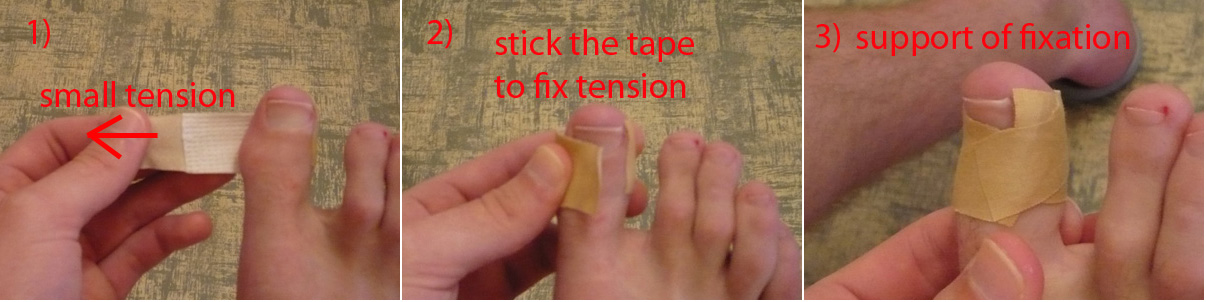
Pain at the nail edge may come from the nail corner pressing into the skin, especially when footwear or trimming has changed. Photo source
Check whether the nail is curving into the side of the toe, whether one corner has been cut too short, or whether the nail has become too thick to sit comfortably in the shoe. General nail guidance warns against cutting toenails down the edges and advises trimming straight across to help avoid ingrown toenails and tough nails that are hard to cut.
Thick nails can press into shoes even when they are not infected. Older adults may also struggle because eyesight, grip, bending, and nail thickness make accurate trimming harder. MedlinePlus notes that poor eyesight, difficulty reaching the toes, and thick nails can make proper trimming difficult, and that tight shoes and rounded nail cutting can contribute to an ingrown toenail pattern.
Do not dig into the corner to find the sore bit. If the nail edge is buried, very thick, splitting, or too painful to cut safely, professional foot care is usually safer than forcing the job at home.
Check shoes, pressure, and recent activity
A toenail can hurt because the shoe is doing the damage. Toe boxes that are narrow, shallow, or too short can press the nail into the skin. Repeated walking, sport, swelling later in the day, or a new pair of slippers can also change the pressure on the nail.
Podiatry guidance on ingrown nails lists shoe pressure, crowding of toes, repeated trauma, and improper trimming among common causes, and recommends avoiding pointy or narrow toe boxes as part of ingrown toenail prevention.
If pain appears mainly in one pair of shoes, after a long walk, or when the foot swells, the nail may be reacting to pressure rather than suddenly becoming a separate nail disease. That does not mean it should be ignored, but it does mean footwear and daily routine are part of the check.
What is safe to try at home
If there is no diabetes, poor circulation, reduced feeling, broken skin, pus, spreading redness, severe pain, or recent injury, start gently. Wear wide comfortable shoes or sandals, keep the foot clean and dry, avoid long standing if it worsens the pain, and do not cut down the painful side of the nail.
The Royal College of Podiatry points patients towards information on common foot problems, treatments, and when to see a podiatrist, which is a useful reminder that routine self care and professional care are not opposites. The safer decision depends on what the foot problem is doing.
If the nail looks thick, crumbly, yellow, lifted, or distorted, avoid assuming it is just cosmetic. Dermatology guidance notes that nail fungus usually needs proper diagnosis before treatment because other nail problems can look similar, so persistent nail change deserves a clearer diagnosis before treatment.
When diabetes or reduced feeling changes the answer
Diabetes lowers the threshold for getting help. Foot pain, a nail digging in, swelling, redness, a cut, a blister, or a sore area should not be treated casually when feeling or circulation may be affected. Diabetes UK explains that nerve and blood supply changes can mean people damage their feet without noticing and that cuts or sores can heal less well.
NICE foot check guidance says diabetes foot checks look at footwear, hard skin, ulcers, sores, inflammation, infection, feeling, blood flow, and foot shape. That is why a painful toenail in someone with diabetes should be considered as part of a wider foot risk picture, not just as a nail trimming problem.
The CDC gives a simple prevention rule for people with diabetes: check feet every day, use a mirror or ask a family member if needed, and have a foot doctor trim toenails if you cannot see or reach your feet. It also advises against removing corns or calluses yourself because skin injury can become serious if it is not treated early.
When older adults and carers should act sooner
A painful toenail can quietly reduce walking, balance, confidence, and willingness to leave the house. Foot pain and foot disorders are common in older people, and geriatric health guidance notes that foot pain can make everyday activities such as stairs, cooking, and using the toilet harder to manage.
For families, the clue may be practical rather than medical: a parent stops wearing normal shoes, avoids a weekly outing, asks for nail cutting help, or becomes worried about catching the nail on socks. Age UK describes foot care in later life as important for reducing pain, falls risk, and infection risk, with some services available at home if someone is housebound.
If foot care has become one part of wider daily support, carers can also think beyond the nail. A needs assessment can look at what help someone needs with care and support at home, including difficulties with looking after themselves.
When a home visit can help
A home visit can help when the toenail is painful, thick, awkward to cut, difficult to reach, or making shoes uncomfortable, and there are no urgent medical red flags that need GP, NHS podiatry, or urgent care first. It can also help when clinic travel is the barrier.
Home visit foot care is practical because the usual shoes, slippers, walking pattern, nail cutting tools, and care barriers are visible in the room. For people with mobility conditions, gait and foot pressure can change how the foot loads. Parkinson's UK notes that changed walking patterns, stiffness, balance issues, and mobility problems can contribute to pressure problems such as hard skin, which is a useful reminder to look at the whole foot, not only the nail.
For people in Surrey, booking home visit foot care with Rithik's Mobile Foot Care can be a sensible next step when nail pain is recurrent, the nail is too hard to manage safely, or a carer is worried about causing a cut while trying to help.
When to get medical help quickly
Get medical advice promptly if there is pus, spreading redness, increasing swelling, heat, severe pain, feverish symptoms, loss of feeling, a wound, a toe injury, or any diabetes related concern. Do not wait for a routine foot care visit if the toe looks infected or the person feels unwell.
Pain that stops normal activities, keeps coming back, gets worse, or does not improve after home care should also be checked. This is especially true if the person is changing how they walk, avoiding shoes, or cutting down on daily activity because of the toe.
The safest rule is simple: gentle pressure relief is fine for low risk soreness, but digging, cutting, acids, blades, or waiting through infection signs is not. If the toenail is painful enough to change daily life, it is worth getting the right help before it becomes a bigger foot problem.
Key Takeaways
- Painful toenails can come from nail shape, shoe pressure, thick nail change, injury, infection, or a wider toe problem.
- Do not cut down the side of a painful nail or dig under the corner to find the sore bit.
- Pus, spreading redness, heat, swelling, feverish symptoms, severe pain, broken skin, diabetes, or reduced feeling should trigger medical advice.
- Older adults and carers should act sooner if nail pain is reducing walking, shoe wearing, balance, or daily confidence.
- Home visit foot care can help when the nail is painful, thick, awkward to cut, or difficult to manage safely at home.
A painful toenail is easy to dismiss until it changes walking, shoes, sleep, or confidence. Start by checking the skin, nail shape, footwear, recent activity, and risk factors. If the foot is low risk, reduce pressure and avoid aggressive cutting. If there are infection signs, diabetes concerns, broken skin, severe pain, or reduced feeling, get medical advice. If the main problem is a thick, awkward, painful nail that cannot be managed safely, a home visit can make the next step clearer and calmer.
Need Professional Foot Care?
Book a home visit and get expert treatment without leaving your house