
What Helps a Painful Corn When Walking?
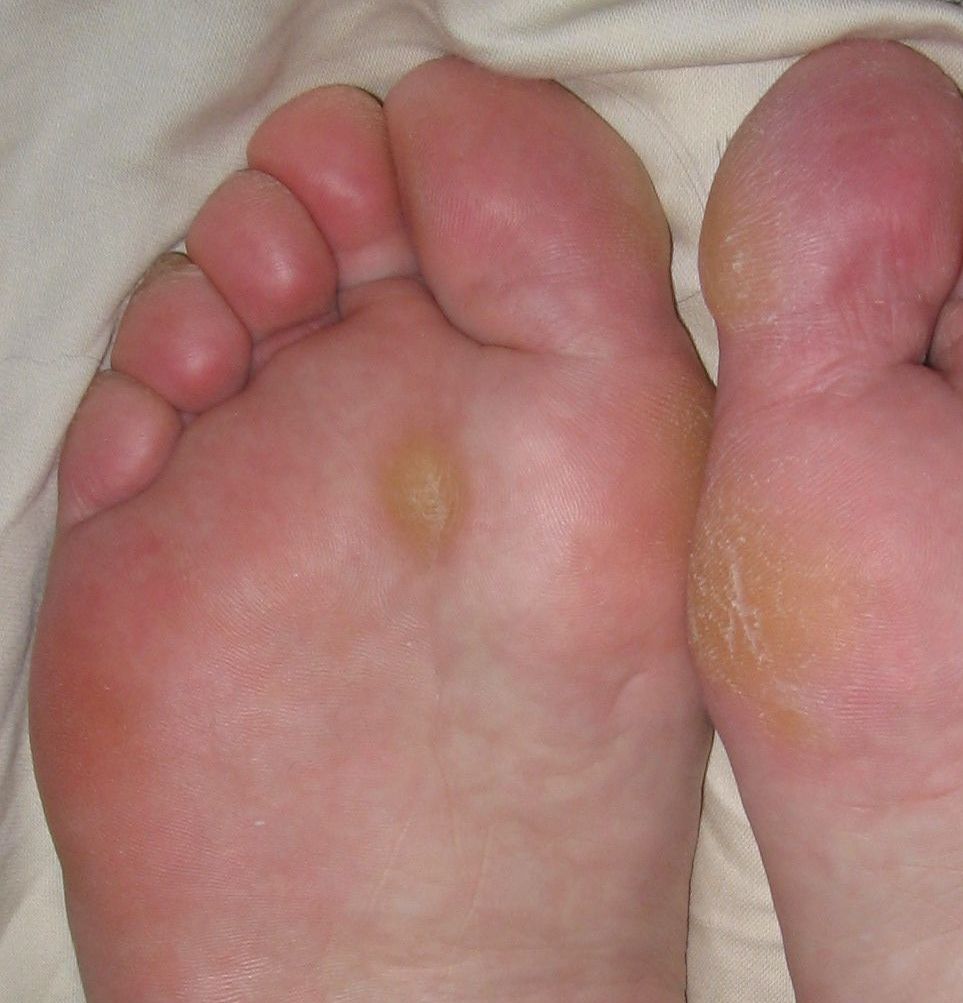
A painful corn or callus usually points to repeated pressure on one small area of the foot. Photo source
The practical search query this article answers is painful corn when walking. It is for someone who feels a sharp pressure point under a toe, on the ball of the foot, or between the toes, and wants to know what may help without making the skin worse.
Why a corn can hurt more when you walk
A corn is not just dry skin. It is a small, thickened area that forms when skin is repeatedly pressed or rubbed. That is why it often hurts most in shoes or during walking. The NHS describes corns and calluses as hard or thick areas of skin that can be painful, especially on the feet and toes.
The pain usually comes from pressure being focused into one spot. A corn may have a deeper hard centre, while a callus is usually broader. The difference matters because a small corn on a toe joint can feel sharper than a larger patch of hard skin on the sole. Mayo Clinic’s overview explains that corns are often smaller and deeper than calluses, and can be painful when pressed.
For many people, the real question is not whether the skin is called a corn or a callus. It is why the same spot keeps taking pressure every time they walk. That pressure may come from tight shoes, toe shape, a seam inside the shoe, hard skin building up over a bony area, or the way weight moves through the foot.
Check where the pressure is coming from
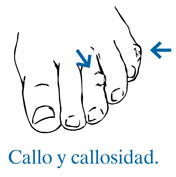
Corns often appear where toes or shoes create repeated pressure, so the pressure source matters as much as the hard skin. Photo source
Look at the exact place that hurts. A corn on the top of a toe often suggests shoe pressure over a joint. A sore spot between toes may come from the toes rubbing together. A painful patch under the ball of the foot may be linked to the way pressure lands when you walk.
The American Podiatric Medical Association notes that corns and calluses develop when something repeatedly rubs against the foot or creates excess pressure, and that footwear can be a major cause. It also warns that over the counter treatments can do harm, especially for people with diabetes or other medical conditions.
Shoe fit is a useful first check. The American Academy of Orthopaedic Surgeons explains that tight shoes can squeeze the foot, loose shoes can let the foot slide and rub, and high heels can increase pressure on the forefoot. That makes shoe pressure and rubbing a practical place to start before reaching for stronger treatments.
What may help if your feet are low risk
If you are generally well, have normal feeling in your feet, and there is no broken skin, bleeding, discharge, spreading redness, or severe pain, gentle pressure relief may help. The safest first steps are usually wide comfortable shoes, cushioned socks, soft insoles or pads, moisturising dry skin, and avoiding long walks while the area is painful.
The NHS self care advice is deliberately simple: wear wide comfortable shoes with a low heel and soft sole, use pads or insoles, soften hard skin in warm water, moisturise, and do not cut corns or calluses yourself. That is a good boundary because cutting the skin yourself can make things worse, particularly if you go too deep.
Padding can also be useful when it reduces pressure rather than adding more bulk inside a tight shoe. HealthLink BC describes how protective padding can cushion the area or hold the foot and toes in a more comfortable position, including a doughnut shaped pad that leaves the sore centre free. Used carefully, padding can move pressure away from the corn rather than pressing directly on it.
A pumice stone or foot file is not automatically wrong, but it should be gentle. HealthLink BC’s pumice advice is to soften the skin first, use light to medium pressure, and stop before the skin becomes sore. It also warns that going too deep can cause bleeding and infection, which is why gentle hard skin reduction has limits.
When not to treat a corn yourself
Do not treat a painful corn yourself if you have diabetes, poor circulation, reduced feeling, heart disease, or a history of foot wounds. Do not use blades, strong medicated corn plasters, or aggressive filing if the skin is fragile, bleeding, cracked, infected looking, or unusually painful.
Diabetes changes the decision because nerve damage and reduced blood supply can make small foot injuries more serious. Diabetes UK explains that diabetes can damage nerves and blood vessels in the feet, and lists warning signs such as loss of feeling, swelling, wounds that do not heal, cramps, shiny skin, and changes in walking comfort. That makes corns and thick skin on diabetic feet something to treat cautiously.
The CDC gives the same practical boundary in plain terms: check feet every day, ask for help if you cannot see the soles, and do not remove corns or calluses yourself. That advice is especially relevant when a painful corn is being managed by an older person or carer at home, because loss of feeling can hide small injuries until they become more serious.
NICE guidance on diabetic foot problems also supports a more cautious route. It says services should provide foot protection and clear pathways across community and hospital care. In practical terms, if a corn appears on a higher risk foot, the goal is not DIY removal. It is timely foot assessment and the right care pathway.
What professional foot care usually checks
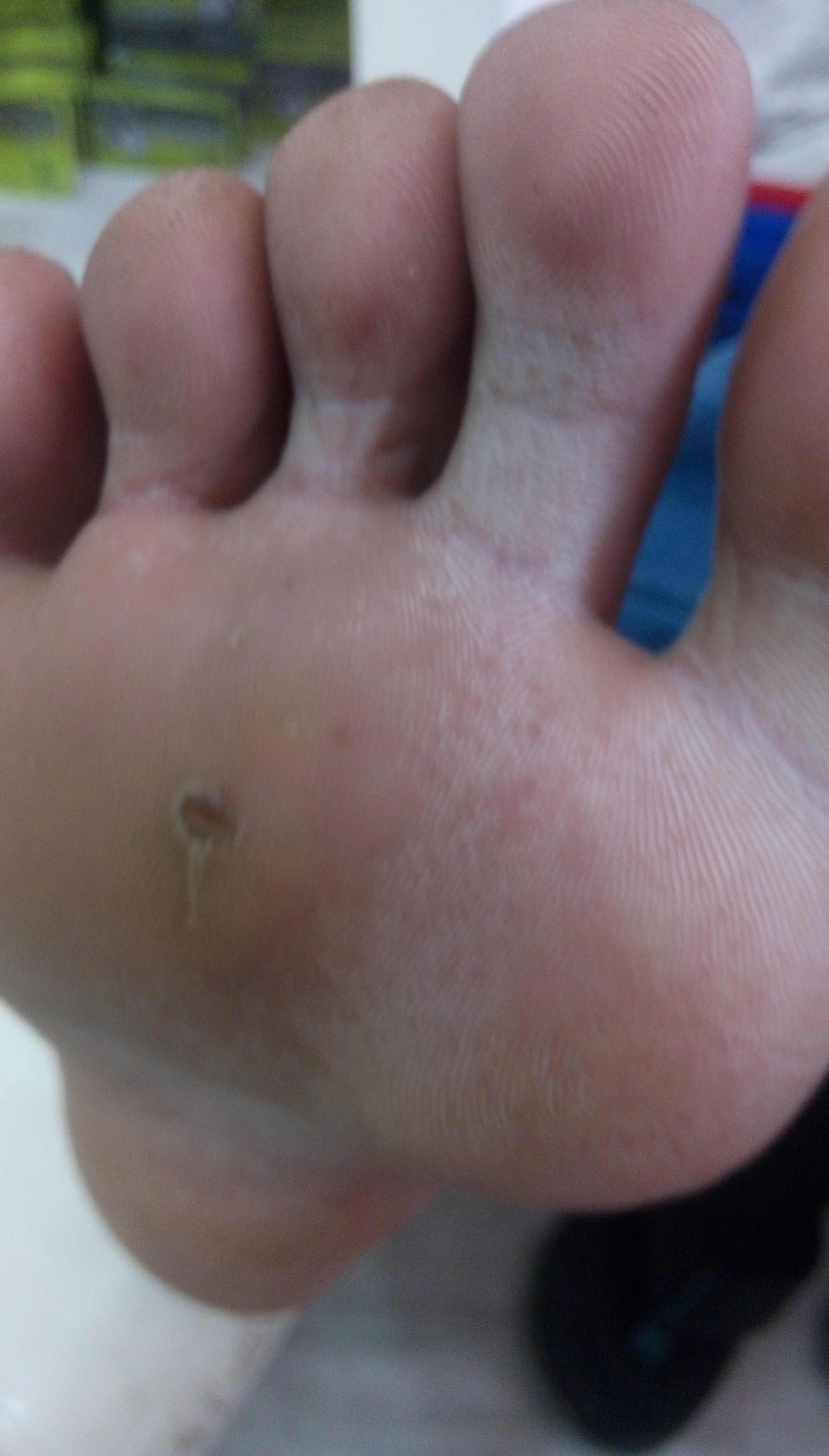
A small corn can feel much more painful than it looks when body weight lands on the same point repeatedly. Photo source
A foot care appointment should not only shave down hard skin and send you away. The useful work is checking the location, the shoe pressure, the skin condition, any toe deformity, the person’s risk factors, and whether padding or footwear changes may reduce recurrence.
MedlinePlus explains that corns and calluses are caused by repeated pressure or friction, and that changing to better fitting shoes can help when shoes are the cause. It also notes that infection or ulceration may need treatment from a provider. That reinforces a simple point: relief should include finding the cause, not just reducing visible hard skin.
The MSD Manual describes corns as cone shaped hard bumps that are often painful or tender, while calluses are broader thickenings that usually sit on palms or soles. It also notes that removal, skin softening agents, and regular podiatry care may help. For a recurring walking pain, regular care can matter more than one quick fix.
Cleveland Clinic’s patient guidance is a useful reality check too: most corns and calluses are not serious, but people with diabetes or another condition that increases infection risk should contact a healthcare provider for treatment. That is the line families should remember when deciding between simple pressure relief and professional help.
Why the corn may keep coming back
A corn often returns when the pressure pattern returns. If the shoe still rubs, the toe still presses against another toe, or the same part of the foot still takes too much load, the skin keeps protecting itself by thickening again.
HealthLink BC explains that corns caused by poorly fitting shoes often go away with the right size shoe, but corns and calluses can also relate to bunions, hammer toes, gait, activity, or foot structure. That helps explain why recurring corns need a pressure plan, not just repeated scraping.
This is where practical observation helps. Check whether one shoe rubs more than the other, whether the painful spot lines up with a seam, whether socks bunch up, whether slippers are loose, and whether pain is worse after longer walks. Small details often reveal why a corn is forming.
If the pain is stopping normal activities, the NHS advice is to seek help. That includes pain that is severe, bleeding, pus or discharge, or no improvement after three weeks of home treatment. A painful corn that limits walking is not just cosmetic. It can reduce confidence, mobility, and daily comfort.
When home visit foot care makes sense
Home visit foot care can make sense when travel is difficult, walking is already painful, the person is older, or a carer is trying to arrange help without a stressful clinic journey. This is where searches such as home visit foot care, mobile foot care, podiatrist at home, chiropodist at home, and corn removal at home overlap with the practical problem of pain when walking.
Age UK’s foot care service information shows why this matters in later life: foot care can reduce pain, support independence, and help older people who are unable to look after their feet. It also notes that some foot care services can be accessed at home if someone is housebound, which matches the real family problem behind many local searches.
If someone presents themselves as a podiatrist, families can also check the HCPC register. HCPC explains that its register lists professionals who meet standards for training, professional skills, behaviour, and health. That makes it sensible to check registration when regulated podiatry is needed, especially for higher risk feet.
For RMFC, the commercial fit is clear but should stay patient led. A painful corn when walking is a concrete problem that can make daily movement harder. A calm home visit can help assess the corn, reduce hard skin where appropriate, discuss pressure relief, and guide the person away from risky DIY cutting. If you are in Surrey and the corn is making walking uncomfortable, home visit corn care may be a sensible next step.
Key Takeaways
- A painful corn usually means repeated pressure is landing on one small area of skin.
- Wide comfortable shoes, cushioning, moisturising, and gentle filing may help low risk feet, but cutting the corn yourself is risky.
- Diabetes, poor circulation, reduced feeling, bleeding, discharge, infection signs, or severe pain should move the decision toward professional or medical advice.
- A corn that keeps coming back needs pressure relief and footwear checks, not just repeated hard skin removal.
- Home visit foot care can be useful when walking is painful, travel is difficult, or a carer is arranging support for an older person.
A painful corn when walking is usually a pressure problem before it is a skin problem. The safest response is to reduce pressure, avoid cutting or harsh treatments, and get help sooner if risk factors are present. For older adults, carers, and people who find clinic travel difficult, home visit foot care can make the next step simpler, especially when the goal is comfort, safer walking, and practical prevention.
Need Professional Foot Care?
Book a home visit and get expert treatment without leaving your house