
Painful Corn When Walking: What Helps
A painful corn usually points to repeated pressure, not just a patch of hard skin. Photo source
The practical search query this article answers is painful corn on foot treatment UK. It is for an adult, older person, family member, or carer who has noticed a small painful area that hurts in shoes, aches when walking, or keeps coming back after pads and plasters. This article belongs to the pillar Corn, callus, cracked heel, and skin discomfort relief.
Why a corn hurts when walking
A corn is not just dry skin. It is a concentrated area of hard skin that usually forms where pressure or friction keeps repeating. The Royal College of Podiatry explains that corns often form over bony areas and can have a central core that causes pain if it presses on a nerve. That is why a corn can feel tiny when you look at it but sharp when you walk.
The practical problem is pressure. NHS advice describes corns as small lumps of hard skin that can be tender or painful, and it links prevention with wide, well fitting shoes that do not rub. If the same shoe, toe shape, seam, or walking pattern keeps pressing the area, the corn often returns even after short term relief.
This matters commercially for RMFC because people searching for painful corn treatment, corn removal, callus removal, mobile foot care, podiatrist at home, chiropodist at home, or home visit foot care are usually trying to walk comfortably again. A clear blog can help them decide when home treatment is reasonable and when professional foot care at home is the safer next step.
What to check first
Corns often come back if the pressure pattern that caused them is still there. Photo source
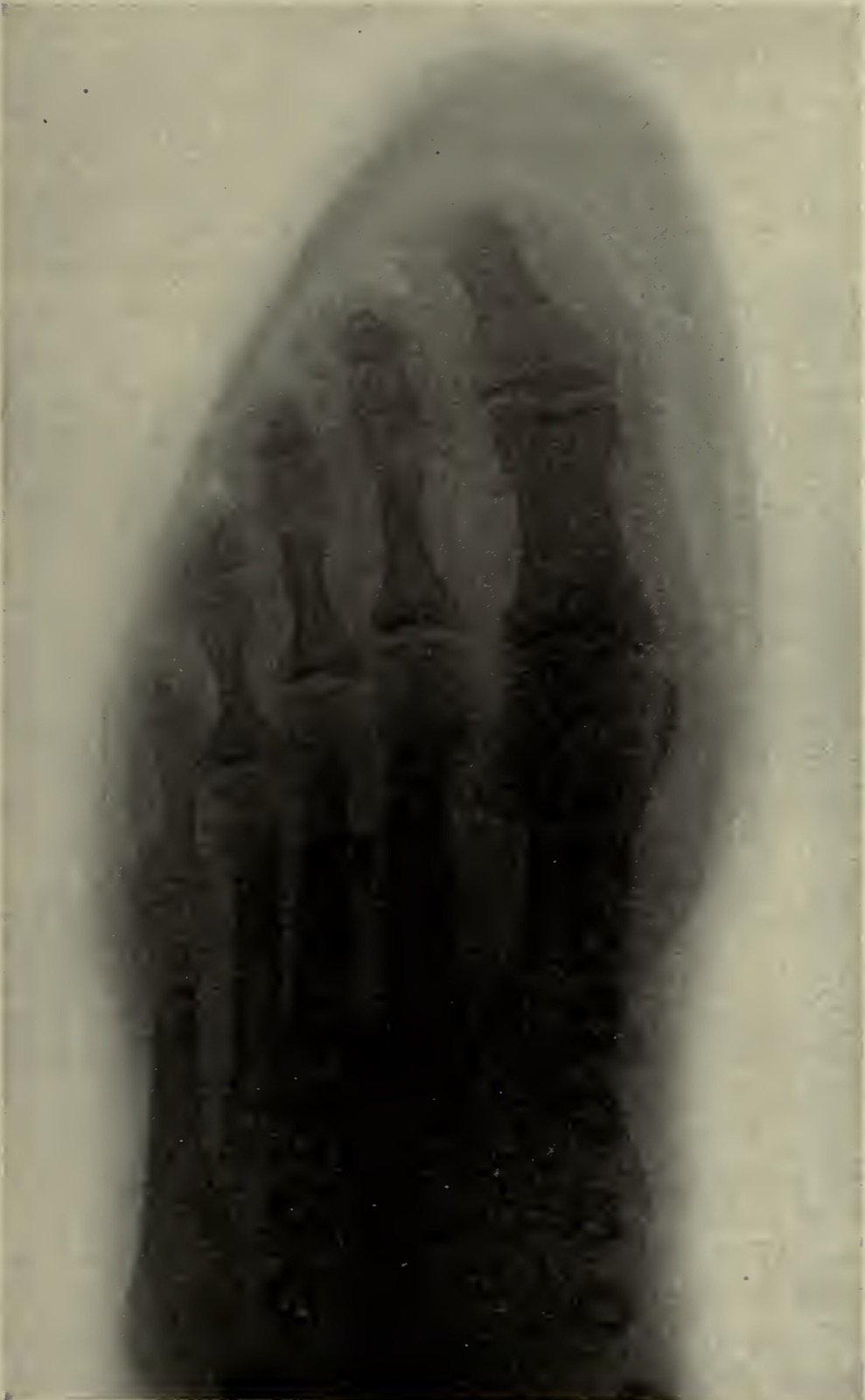
Start by finding the exact painful point. Is it on the top of a toe, between toes, under the ball of the foot, at the side of the little toe, or around a bunion or hammer toe? Corn pain is often most obvious when the shoe presses directly on the hard spot.
Look at the skin before adding any product. Check for redness, swelling, heat, broken skin, bleeding, discharge, a blister, a crack, or colour change. Mayo Clinic notes that corns are usually smaller and deeper than calluses, and that pain or inflammation should prompt medical advice, especially for people with diabetes or poor blood flow.
If the pain is hard to place, step back and check the whole foot. NHS foot pain guidance starts with matching pain to the part of the foot. That can stop a family member treating every sore patch as a simple corn when the problem may be a nail edge, blister, pressure mark, swelling, or joint pain.
What not to do at home
Do not cut a corn out with scissors, nail clippers, blades, or a craft knife. Do not dig into the centre. Do not keep filing if the skin is sore, wet, broken, or bleeding. The short term urge is understandable, but a small cut on a pressured foot can become a bigger problem than the corn itself.
Be careful with medicated corn plasters and strong chemical treatments. The American Podiatric Medical Association warns that over the counter treatments can do more harm than good, especially if someone has diabetes or reduced circulation. In plain terms, pressure relief is safer than aggressive self treatment when the foot is higher risk.
Cleveland Clinic also links corns and calluses with repeated friction and pressure, including shoes that do not fit properly. If a pad helps only while it is on, but the pain returns as soon as normal shoes are worn, the useful lesson is that the pressure source still needs attention.
When diabetes or circulation changes the plan
If the person has diabetes, reduced feeling, poor circulation, previous ulcers, fragile skin, or a wound, treat a painful corn more cautiously. The person may not feel rubbing early, and a small sore area can worsen before it looks dramatic.
Diabetes UK advises daily foot checks, careful nail care, suitable footwear, moisturising where appropriate, avoiding blades and corn plasters, and getting expert advice when concerns appear. For a painful corn, early checking matters more than waiting it out.
NICE diabetic foot guidance is more clinical, but it reinforces the same safety principle: diabetic foot problems need timely assessment and the right care pathway. If there is an ulcer, spreading redness, heat, swelling, discharge, black or blue colour change, sudden severe pain, fever, or the person feels unwell, routine foot care should not replace urgent medical advice.
Shoes and pressure are part of treatment
Footwear should reduce pressure without becoming loose, unstable, or unsafe to walk in. Photo source
A corn often tells you where the foot is being overloaded. Tight toe boxes, high heels, worn slippers, seams, thin soles, curled toes, bunions, hammer toes, and changes in walking can all concentrate pressure into one small place.
Arthritis UK notes that long term foot or ankle pain can be linked with badly fitting footwear, structural change, poor circulation, and nerve damage. For an older adult, shoe fit belongs in the pain check, not just the style decision.
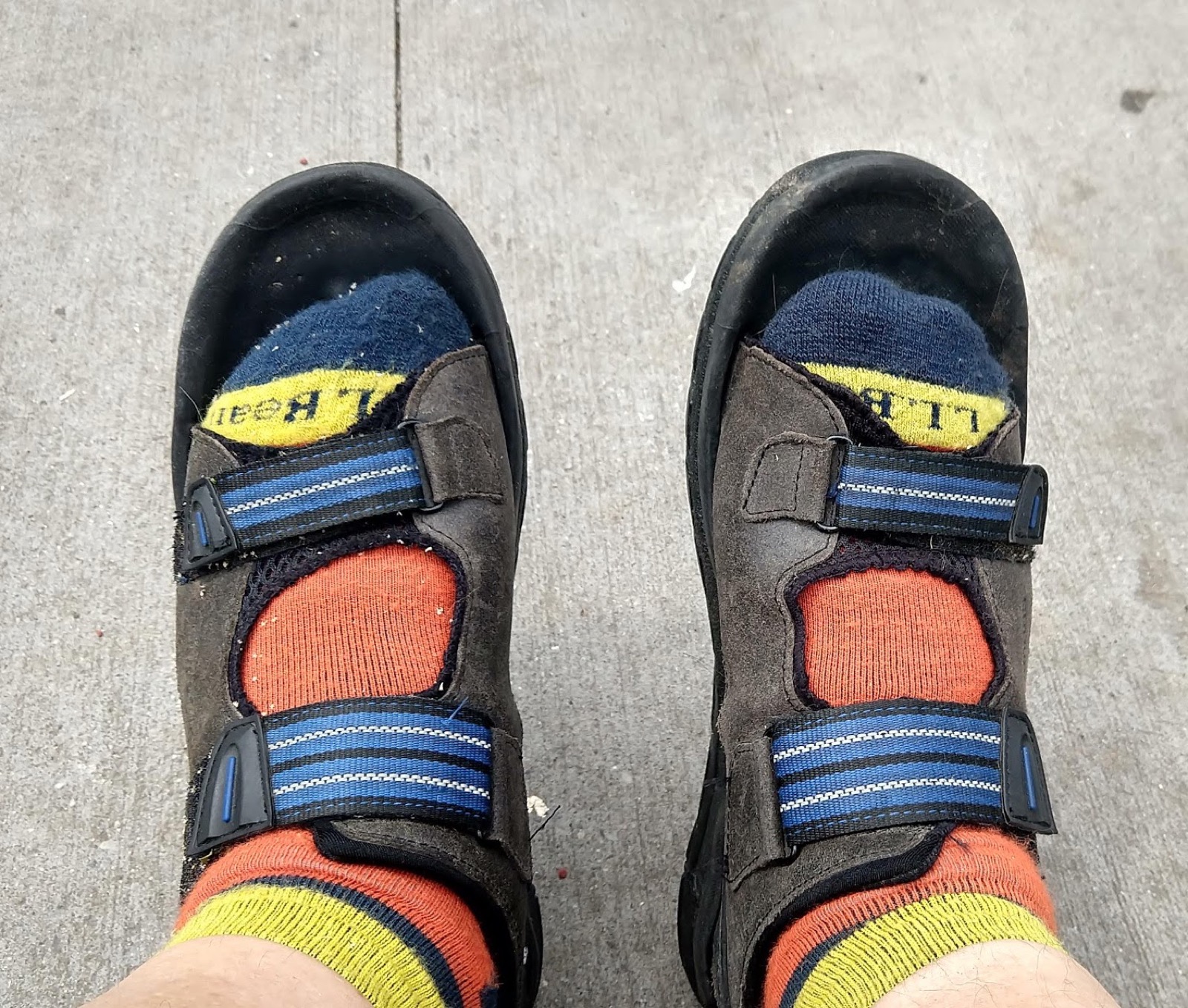
A useful home check is to compare the shoe to the sore place. Look for a hard seam, tight front, worn insole, narrow toe shape, or a slipper that lets the foot slide forward. A wider or softer shoe may reduce pressure, but do not choose footwear so loose that it increases fall risk.
When home visit foot care can help
Home visit foot care can be useful when the corn is painful, travel is difficult, bending is hard, or a carer is worried about making the skin worse. It may help with careful hard skin reduction, comfort advice, footwear discussion, and deciding whether ongoing maintenance is needed.
Age UK describes foot care support for older people who cannot look after their feet, including toenail cutting and home access where someone is housebound. That supports a practical point: the setting should fit the person’s mobility.
If a practitioner uses protected professional titles such as podiatrist or chiropodist, the HCPC register can be checked because it lists professionals who meet standards for training, skills, behaviour, and health. For families comparing care options, checking registration can be a useful trust step.
What to tell the practitioner
Before booking, write down where the corn is, how long it has hurt, which shoes make it worse, whether there is broken skin, and whether the person has diabetes, numbness, poor circulation, swelling, blood thinning medicine, recent falls, or previous foot wounds. Clear details make the visit safer and more useful.
Carers UK explains that arranging support often starts with understanding what help someone needs at home, while GOV.UK notes that a care needs assessment can look at help in the home and equipment. For foot care, practical details help families choose suitable support, and wider care needs can be checked separately instead of guessed from a distance.
For RMFC patients in Surrey, mention if the person needs mobile foot care, corn removal, callus reduction, toenail cutting at home, or help because walking to a clinic is difficult. A painful corn can be small, but the right next step should be based on skin safety, medical risk, footwear pressure, and how much walking comfort has changed.
Key Takeaways
- A painful corn usually means repeated pressure is focused on one small area of skin.
- Do not cut, dig, or use strong corn treatments on broken, sore, diabetic, numb, or poorly circulating feet.
- Check shoes, socks, seams, toe shape, and walking pressure, because the corn may return if pressure stays the same.
- Diabetes, poor circulation, spreading redness, discharge, wounds, or severe pain need medical advice before routine foot care.
- Home visit foot care may help when walking, travel, bending, or safe self care has become difficult.
A painful corn when walking is a pressure problem first. Pads may reduce rubbing for a short time, but the safest plan is to check the skin, avoid cutting or harsh self treatment, look at footwear, and take diabetes or circulation risks seriously. If the corn is painful but the skin is intact and there are no urgent warning signs, RMFC may be able to help with home visit foot care in Surrey. If the foot is hot, swollen, wounded, discoloured, leaking, severely painful, or the person feels unwell, seek medical advice first.
Need Professional Foot Care?
Book a home visit and get expert treatment without leaving your house