
Painful Corn on Foot: What to Check
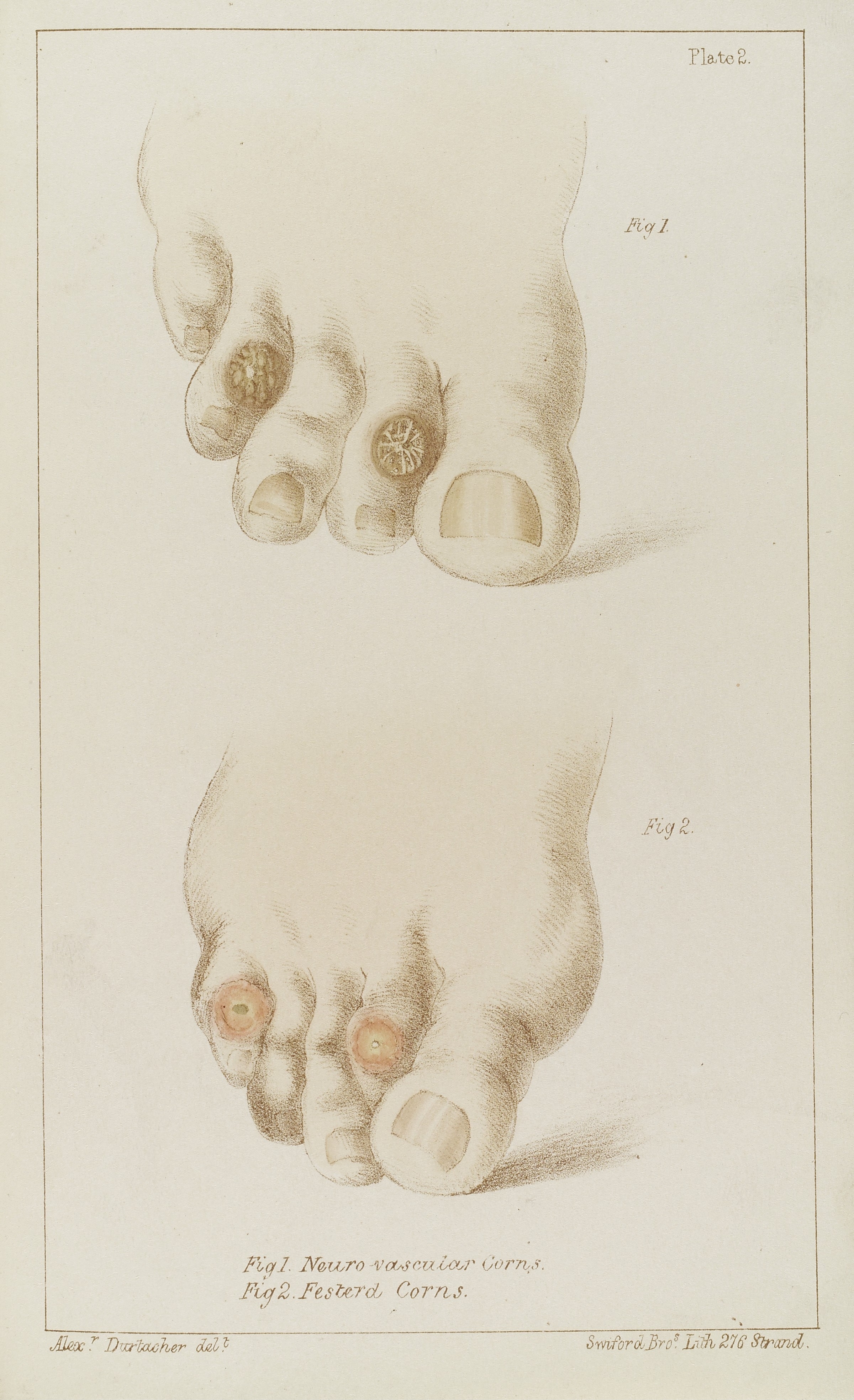
A painful corn is usually a pressure problem. The safest first step is to understand what is rubbing or pressing before trying treatment. Photo source
The practical search query this article answers is painful corn on foot what to do UK. It is for someone who has a sore hard spot on the toe, ball of the foot, side of the foot, or between the toes, and wants to know what is safe before reaching for corn plasters, blades, or stronger home treatment.
Why a corn hurts when you walk
Corns and calluses are areas of thickened skin that usually form because the foot is repeatedly exposed to pressure or rubbing. NHS guidance explains that corns and calluses often come from shoes, walking pressure, or friction, and that people should not cut corns or calluses off themselves.
The small size of a corn can be misleading. A corn may have a deeper central core, and that core can press into sensitive tissue when you stand, walk, or put on shoes. Podiatry patient guidance describes corns as concentrated hard skin caused by pressure or friction, sometimes with a central core that can cause pain if it presses on a nerve.
That is why a painful corn should be treated as a pressure clue, not just as rough skin. If the pressure stays the same, the corn is likely to return even after it has been softened, filed, or reduced.
First check where the pressure is coming from
Footwear pressure and toe crowding can keep a corn painful even after the hard skin is reduced. Photo source
Look at the exact position of the pain. A corn on the top or side of a toe may point to shoe rubbing or toe shape. A painful spot under the ball of the foot may suggest walking pressure. A soft corn between toes may be linked to moisture and toes pressing together. Public health guidance describes corns as small circles of thick skin that often develop on toes or the sole, while calluses are larger hard areas caused by repeated rubbing against bone, shoe, or ground pressure.
Shoes matter more than many people expect. Footwear that is too tight, too loose, too shallow, or worn down can create the same rubbing every day. Professional foot health guidance also links corns and calluses to shoe pressure, toe deformities, and repeated friction, and advises people with pain or discomfort to see a podiatrist when daily life is affected.
A useful practical test is whether one pair of shoes makes the pain worse. If the corn hurts mostly in a particular shoe, after a longer walk, or when feet swell later in the day, pressure is probably still driving the problem.
Why corn plasters and cutting can be risky
Corn plasters and acid treatments can seem simple because they are easy to buy. The problem is that they can damage healthy skin around the corn, especially if the plaster slips, the corn is between toes, or the person has fragile skin. Clinical guidance warns that over the counter products can contain harsh chemicals that may cause burns or even ulcers, particularly for people with diabetes or other medical conditions.
Cutting is also risky. A corn may feel like dead hard skin, but the surrounding skin is alive and can bleed, split, or become infected. The safer approach is to avoid blades, knives, razors, and digging tools at home. Cleveland Clinic notes that people should not try to cut corns or calluses away and should get professional care if there is diabetes, poor circulation, severe pain, infection signs, or difficulty walking.
The aim is not to frighten people away from all self care. It is to keep the first step gentle enough that a small pressure problem does not become broken skin.
What may be safe if the foot is low risk
If there is no diabetes, poor circulation, reduced feeling, broken skin, infection sign, severe pain, or immune system concern, start with pressure relief rather than strong treatment. Wear wider shoes with room around the toes, use cushioned socks, keep feet clean and dry, and avoid the shoes that trigger the pain while the area settles.
Gentle surface care may help a low risk foot, but only if it does not hurt. MedlinePlus explains that changing footwear, protecting the skin from pressure, and treating the underlying cause can help prevent corns and calluses from returning, while people with diabetes or circulation problems should avoid self treatment without medical advice.
MSD Manual guidance makes the same practical point from another angle: removing the cause of pressure is central, and people with diabetes or poor circulation should avoid treating corns or calluses themselves because of the risk of skin breakdown and infection.
When diabetes changes the answer
Diabetes lowers the threshold for getting help. A painful corn, new hard skin, a sore patch, a blister, broken skin, redness, swelling, or reduced feeling should not be treated casually. Diabetes UK explains that nerve and blood supply changes can mean people damage their feet without noticing and that cuts or sores may heal less well.
A diabetes foot check looks wider than the painful spot. NICE guidance says checks should include footwear, hard skin, ulcers, sores, inflammation, infection, feeling, blood flow, and foot shape. That means a corn in someone with diabetes belongs inside a broader foot risk picture, not only a corn removal decision.
The CDC gives a clear everyday rule for people with diabetes: check feet daily, wear well fitting shoes, and do not remove corns or calluses yourself. It advises asking a doctor how to treat corns or calluses safely because trying to remove them at home can damage the skin.
Why older adults and carers should act sooner
A painful corn can make an older person walk less, avoid shoes, lean away from one foot, or stop going out. That matters because foot pain and foot disorders are common in later life, and geriatric health guidance notes that foot problems can make activities such as walking, stairs, meals, toileting, and balance harder to manage.
Families often notice behaviour before they know the cause. A parent may complain that one shoe is too tight, ask for help cutting nails, wear slippers more often, or avoid the weekly shop. Age UK describes foot care in later life as important for reducing pain, falls risk, and infection risk, and notes that some foot care services may be available at home if someone is housebound.
If foot care has become part of a wider support problem, it can be worth thinking beyond the corn. Carers UK explains that a needs assessment can look at what help someone needs with care and support at home, including difficulties with looking after themselves.
When mobility keeps the corn coming back
Some corns keep returning because the foot keeps loading in the same way. Arthritis, toe shape, balance changes, stiffness, swelling, reduced mobility, or a changed walking pattern can all shift pressure onto a small area. Parkinson's UK notes that gait changes, stiffness, balance issues, and mobility problems may contribute to pressure problems such as hard skin.
This is where a repeated corn is useful information. It can show where the foot is being overloaded. Removing hard skin may reduce pain, but preventing quick return usually means looking at shoes, slippers, socks, toe pressure, walking comfort, and how realistic daily self care is.
If the corn keeps coming back in the same place, do not only ask what will remove it today. Ask what keeps creating it.
When a home visit can help
A home visit can help when the corn is painful, difficult to manage safely, linked to reduced mobility, or causing someone to avoid shoes and walking. It can also help when travel is the reason care keeps being delayed.
The benefit is practical. The usual shoes and slippers are in the room. The walking space, chair height, socks, foot care tools, and carer support are visible. That makes it easier to connect the painful corn to the pressure pattern that may be causing it.
For people in Surrey, booking home visit foot care with Rithik's Mobile Foot Care can be a sensible next step when a painful corn is affecting walking, shoes, or confidence. If there is diabetes with new broken skin, redness, swelling, discharge, heat, sudden pain, or reduced feeling, seek medical advice first.
When to get medical help quickly
Get medical advice promptly if there is pus, spreading redness, heat, swelling, bleeding, an open sore, severe pain, feverish symptoms, sudden change in foot colour, loss of feeling, or any diabetes related concern. Do not wait for a routine foot care visit if the area looks infected or the person feels unwell.
You should also get help if pain is stopping normal activities, the corn keeps returning quickly, the person is changing how they walk, or footwear has become difficult. Pain that changes daily life deserves a proper check.
The safest rule is simple: use gentle pressure relief for a low risk sore spot, but do not dig, cut, burn, or wait through warning signs. A painful corn is usually manageable, but it should be managed in a way that protects the skin and the person walking on it.
Key Takeaways
- A painful corn is usually caused by repeated pressure or rubbing, not just dry skin.
- Do not cut corns yourself or use strong corn plasters if the foot is high risk, fragile, painful, or hard to assess.
- Diabetes, poor circulation, reduced feeling, broken skin, redness, swelling, discharge, or severe pain should trigger medical advice.
- Older adults and carers should act sooner if a corn is reducing walking, shoe wearing, balance, or confidence.
- Home visit foot care can help when the corn is painful, recurrent, hard to manage safely, or travel to a clinic is a barrier.
A painful corn is small, but the effect can be large when every step presses on it. Start by checking where the pressure is coming from, whether the foot is low risk, and whether there are warning signs that make self treatment unsafe. If the problem is pain, recurrence, reduced mobility, or difficulty travelling, a home visit can make the next step clearer and safer.
Need Professional Foot Care?
Book a home visit and get expert treatment without leaving your house