
Overgrown Toenails: What Is Safe at Home
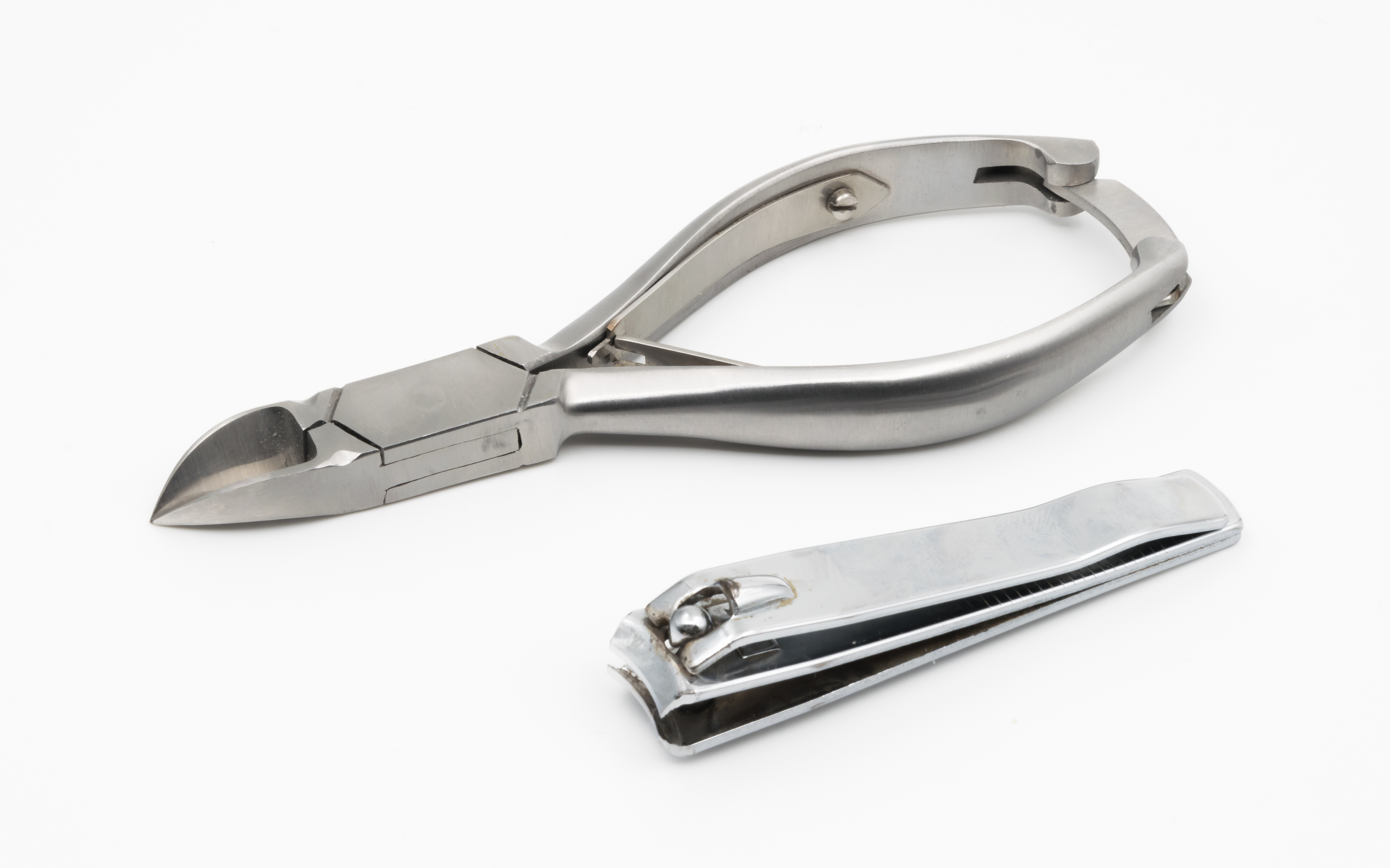
When toenails are overgrown, the question is not just whether they need cutting. It is whether they can be cut safely at home. Photo source
The practical search query this article answers is overgrown toenails elderly what to do. It is for an older adult, carer, or family member who can see that toenails have become long, thick, curved, sharp, or uncomfortable, but is not sure whether cutting them at home is still safe. This article belongs to the pillar Home visit foot care for older adults, diabetes, and reduced mobility because the real problem is often access, safety, mobility, eyesight, grip, diabetes risk, and whether a home visit foot care appointment is a safer next step.
Why overgrown toenails become more than a tidy up
Overgrown toenails can look like a simple grooming problem, but for many older adults they become a walking, shoe comfort, skin, and safety problem. Nails may catch on socks, press into the next toe, dig into the shoe, split at the edge, or make the person avoid certain footwear. The family may only notice when a parent says their shoes hurt or starts walking differently.
Nail problems become more common with age, and NHS advice says nails can become thicker, more brittle, and harder to cut. It also says to see a podiatrist if nails are too tough to cut or the person cannot reach them. That is the key search intent behind this article: the nail needs attention, but ordinary clippers no longer feel like the right tool.
This matters commercially for RMFC because searches around overgrown toenails, toenail cutting at home, mobile foot care, podiatrist at home, chiropodist at home, and help cutting toenails elderly are often made by someone close to booking. The searcher is not only asking what overgrown nails are. They are trying to decide whether to keep trying at home or arrange home visit foot care in Surrey.
What to check before anyone cuts
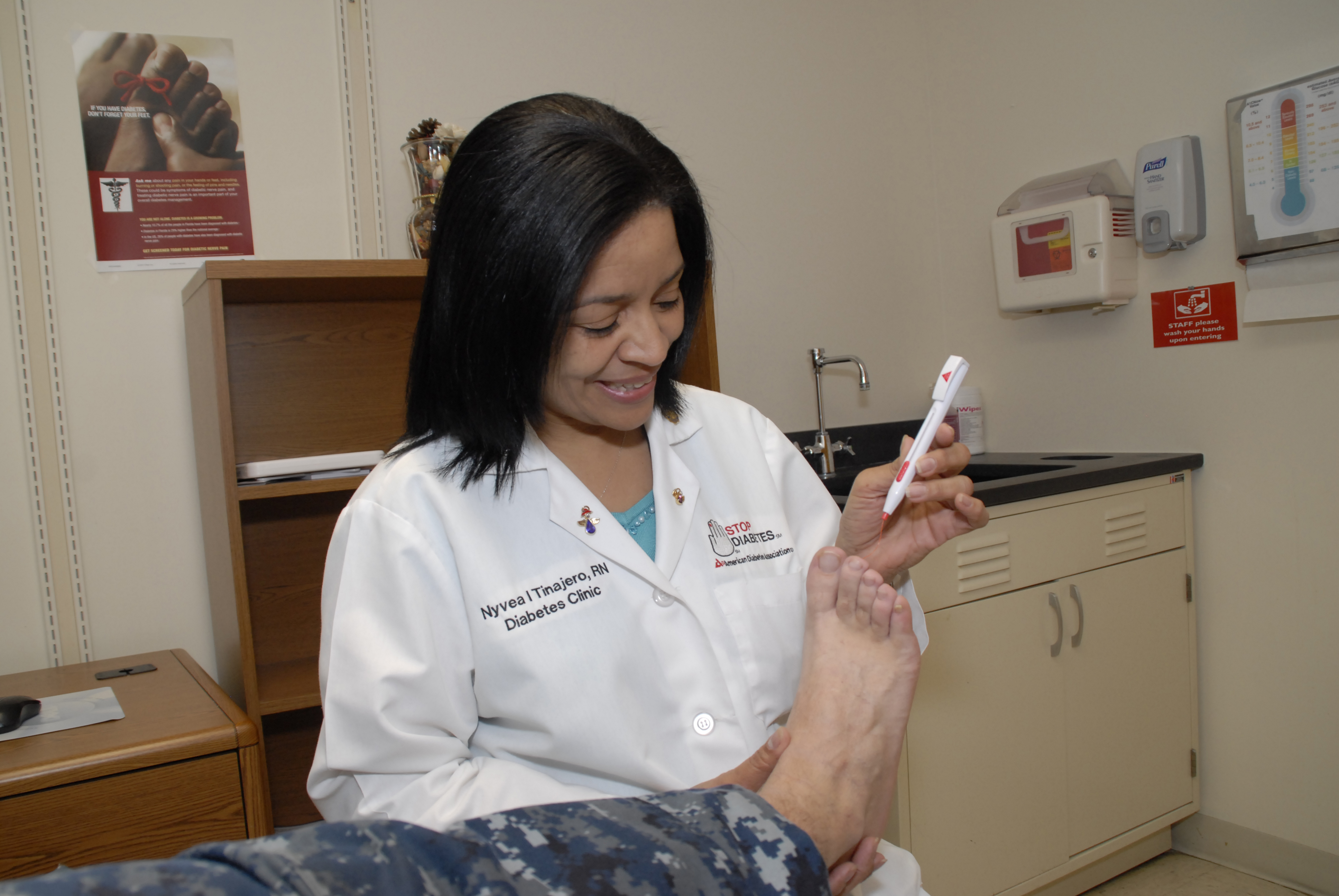
A proper foot check looks at the skin, pressure areas, feeling, swelling, and nail edges before routine cutting begins. Photo source
Before cutting, look at the whole foot rather than only the longest nail. Check whether the nail is pressing into skin, whether the toe is red or swollen, whether there is broken skin, discharge, bleeding, a bad smell, sudden colour change, heat, or pain that changes how the person walks. If any of those are present, stop and get advice before treating it as routine nail care.
Foot problems can affect independence in later life. Geriatric health guidance notes that foot pain and disorders can make walking, stairs, daily tasks, and confidence harder, so foot comfort is linked with everyday mobility. An overgrown toenail that changes walking is therefore worth taking seriously, even if it started as a routine trim being delayed.
For families and carers, the practical check is simple. Can the person see the nail edge clearly? Can they reach without holding their breath, twisting, or balancing? Can the carer hold the toe safely without causing pain? Is the nail thin enough for normal clippers, or does it need force? If the answer is uncertain, the safer next step is not a bigger clipper. It is a calmer care plan.
When DIY cutting is the wrong answer
Do not cut overgrown toenails at home if the toe is red, hot, swollen, bleeding, weeping, infected looking, extremely painful, or if the nail edge appears to be growing into the skin. Do not dig down the sides, cut deep corners, use blades, use craft tools, or cut by feel. A quick trim can become a skin injury if visibility, grip, or nail thickness is poor.
Ingrown nail advice is relevant because overgrown or curved nails can put pressure on the skin. NHS guidance warns people to get help when there is pain and swelling, pus, fever, or diabetes, and it tells people not to cut toenails too short. For a sore nail edge, cutting deeper into the corner is not the safe fix.
Falls risk matters too. Nail cutting done while balancing on a bath edge, low stool, bed, or awkward chair can turn a foot care task into a fall hazard. If the person cannot sit with both feet supported, see the nail clearly, and cut without twisting, treat the setup as unsafe and arrange help instead.
Why diabetes or numbness lowers the threshold for help
Diabetes, poor circulation, reduced feeling, previous ulcers, fragile skin, kidney disease, or immune suppression all change the answer. A small nick from cutting may not hurt much at first, and an overgrown nail pressing into the toe may be missed until the skin is already damaged.
Diabetes UK explains that diabetes can affect nerves and blood vessels in the feet, and that warning signs can include loss of feeling, swelling, wounds that do not heal, cramps, shiny skin, and walking becoming more difficult. That makes small nail and skin injuries more important than they may look.
The CDC gives a very practical rule for people with diabetes: check feet every day for cuts, redness, swelling, sores, blisters, corns, calluses, and changes to nails, and ask a foot doctor to trim toenails if the person cannot see or reach their feet. That is why not being able to reach safely is itself a reason to get help.
NICE diabetic foot guidance also recognises that people who are housebound, disabled, or visually impaired may need arrangements that help them access foot care. In plain terms, the route to foot checks should adapt to the person, rather than asking a high risk patient to struggle with clippers at home.
What families can do while arranging help
If there are no urgent warning signs, focus on comfort and protection while arranging proper care. Choose roomy footwear that does not press on the nail, avoid tight socks that catch, keep feet clean and dry, and check the skin around the nail daily. Do not soak for long periods if the skin is fragile, broken, or the person has diabetes unless a clinician has advised it.
Carers often feel caught between wanting to help and worrying about doing harm. Carers UK recognises that arranging practical support for someone can feel difficult when needs change, and foot care is a good example of a small task that can become a family decision. If cutting feels risky, getting the right practical support is reasonable, not an overreaction.
Poor eyesight is another common reason the task becomes unsafe. For toenails, practical adaptation means better light, a stable chair, a mirror if appropriate, or asking for help. Cutting by guesswork is not a good adaptation, especially if the nail is thick, curved, or close to fragile skin.
When a home visit makes sense
A home visit makes sense when the main barrier is safe access. The person may be housebound, have reduced mobility, find clinic travel painful, be anxious about transport, or simply be unable to see, reach, or cut the nails safely. In those cases, home visit foot care can turn a delayed and stressful task into planned routine care.
Age UK foot care services describe help with nail cutting and basic foot care, and note that some services may be available at home for people who are housebound. That reflects the real service need behind this search: some people need foot care brought closer to them because the travel and bending are part of the problem.
The Royal College of Podiatry explains that podiatrists assess, diagnose, and treat foot and lower limb problems, and also give advice on preventing problems. For RMFC, the practical home visit role is routine nail and skin care within scope, plus recognising when a foot problem needs a different level of clinical input.
If overgrown nails are causing pressure, catching, discomfort, or family worry, RMFC can help with calm mobile foot care in Surrey. If there is spreading redness, heat, swelling, discharge, severe pain, sudden colour change, a wound, or high risk diabetes concerns, medical advice should come first.
What to tell the foot care practitioner
Before a visit, share the details that change safety. Say how long the nails have been overgrown, whether any toe is painful, whether shoes are pressing, whether the person has diabetes, poor circulation, blood thinner use, reduced feeling, swelling, recent falls, wounds, or a history of ulcers. Also say whether the person can sit comfortably with both feet supported.
Medication and health context matter because foot care is not just about clipping a nail. If the nail is thick, brittle, crumbly, discoloured, misshapen, or partly lifted, expectations should be realistic. One careful appointment may reduce length and pressure, but thick nail change often needs ongoing monitoring and a safe routine rather than one forceful trim.
Key Takeaways
- Overgrown toenails can affect shoes, walking, skin pressure, socks, and confidence, not only appearance.
- Do not cut at home if the toe is red, hot, swollen, bleeding, weeping, very painful, or infected looking.
- Diabetes, reduced feeling, poor circulation, fragile skin, or previous ulcers should lower the threshold for professional help.
- If reaching, seeing, gripping, or sitting safely is difficult, a stronger clipper is not the answer.
- Home visit foot care can help when routine nail care is needed but clinic travel or DIY cutting has become impractical.
Overgrown toenails are safe to manage at home only when the foot is low risk, the nail is easy to see and reach, and cutting can be done without force. For many older adults and carers, the safer decision is to stop before a cut, fall, or painful nail edge happens. If the main problem is routine nail care, mobility, eyesight, grip, or travel, RMFC home visit foot care can help. If there are infection signs, severe pain, wounds, sudden changes, or diabetes related concerns, get medical advice first.
Need Professional Foot Care?
Book a home visit and get expert treatment without leaving your house