
Numb Feet and Safe Foot Care at Home
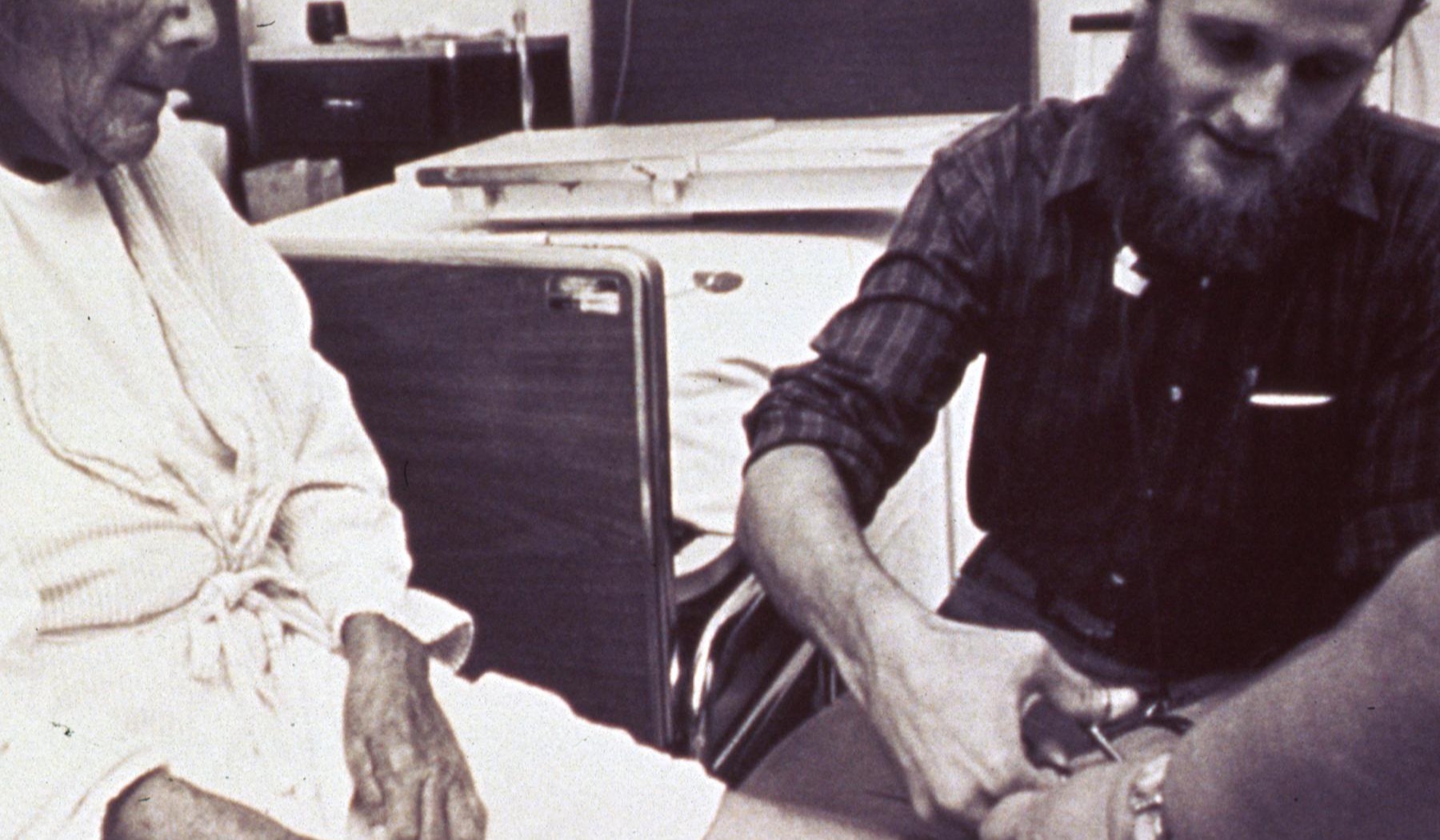
When feet feel numb, careful checks matter because pain may not warn you early enough. Photo source
The practical search query this article answers is numb feet foot care at home. It is for an older adult, a person living with diabetes, or a family member who is worried because feet do not feel cuts, pressure, rubbing shoes, thick nails, corns, or heat in the usual way. The main question is not only what numbness means. It is what should be checked before anyone cuts nails, files hard skin, uses corn products, or waits for pain to appear.
Why numb feet change the safety question
Numb feet need a different approach because pain may not work as an early warning. The NHS explains that peripheral neuropathy can cause numbness, tingling, burning pain, weakness, and balance problems. It also advises people to see a GP for pain, tingling, loss of sensation, weakness, balance changes, or a cut or ulcer that is not getting better.
Diabetes is a common reason for changed feeling in the feet. Diabetes UK explains that nerve damage can mean you may not feel things properly and can damage your feet without noticing. That is why a small cut from nail clippers, a tight shoe seam, or hard skin under pressure can matter more than it first appears.
This is where home visit foot care can be useful for the right problem. If travel is difficult, eyesight is poor, grip is weak, or a family member is nervous about causing a cut, a calm foot check at home can help decide what is routine, what needs gentler care, and what should be escalated to a GP, NHS service, podiatrist, or foot protection team.
Check the skin before checking the nails
Before anyone reaches for clippers, check the whole foot. Look at the heels, soles, between the toes, around the nail edges, and anywhere shoes rub. The CDC recommends checking feet every day for cuts, redness, swelling, sores, blisters, corns, calluses, or changes to skin and nails. It also suggests using a mirror or asking a family member if the soles are hard to see.
MedlinePlus gives similar practical advice, including checking the bottoms of the feet, washing and drying carefully, and asking how to remove corns and calluses safely. For a family member, the useful habit is to make the check repeatable: same chair, good light, clean socks off, both feet checked, and anything new written down or photographed if appropriate.
If feet are numb, do not judge safety by whether it hurts. A red patch, swelling, broken skin, discharge, heat, a blister, a dark area, a new wound, or a nail edge pressing into skin can be important even when the person says it feels fine.
Be cautious with nails, hard skin, and corn products
Nail cutting is not automatically unsafe, but numbness changes the margin for error. Diabetes UK advises people to cut nails carefully and avoid blades or corn plasters. That matters because the person may not feel if a clipper catches skin, if a file rubs too hard, or if a medicated corn product irritates healthy skin.
Foot Health Facts gives a simple rule that is useful at home: never treat corns or calluses yourself with bathroom surgery or medicated pads, and inspect the feet daily for cuts, blisters, redness, swelling, or nail problems. Even if the wording is diabetes focused, the safety principle also helps carers when sensation, vision, or reach is reduced.
A practical home rule is this: if the nail is thick, curved, painful, crumbly, pressing into skin, surrounded by redness, or too hard to see clearly, stop and arrange help rather than forcing it. Routine foot care should reduce risk and discomfort, not create a new wound.
Know when numbness needs medical advice
New numbness, worsening numbness, one sided weakness, sudden balance change, spreading pain, or any wound that is not healing should not be treated as a routine nail appointment. Mayo Clinic advises people to seek medical care right away for tingling, weakness, or pain in the hands or feet. Cleveland Clinic also notes that peripheral neuropathy can affect balance, temperature sensation, muscle strength, and slow healing, so the foot care plan should respect the wider symptom picture.
For people with diabetes, the threshold for escalation is lower. NICE recommends foot risk assessment when diabetes is diagnosed, at least annually, if any foot problems arise, and during hospital admission, and it describes community foot protection and multidisciplinary foot care pathways. If a person with diabetes has broken skin, a possible ulcer, spreading redness, swelling, discharge, fever, or sudden colour change, seek clinical advice promptly.
When the word podiatrist is part of the decision, use it carefully. The HCPC register exists so the public can check registered health and care professionals, and the Royal College of Podiatry provides a route to find a podiatrist when that level of care is needed. A home visit foot care appointment can support routine comfort, but it should not replace urgent medical assessment where warning signs are present.
Make the home visit easier and safer
A good home setup makes the appointment calmer. Choose a stable chair, good lighting, enough space around the feet, clean socks ready afterwards, and a list of concerns such as numb areas, recent falls, diabetes status, medication changes, wounds, shoe rubbing, or nails catching. The British Heart Foundation notes that diabetes can affect arteries and circulation, so circulation and wider health context can matter alongside foot comfort.
Numb feet can also affect confidence with walking. The National Institute on Aging explains that nerves, feet, blood vessels, footwear, and foot pain can all affect fall risk. That does not mean every foot care appointment is a falls assessment, but it does mean shoe pressure, balance worries, and walking comfort are worth mentioning.
A home visit is especially helpful when the person cannot easily travel to a clinic, cannot inspect their feet confidently, or needs a family member present. For RMFC, the commercial value of this topic is clear: people searching for mobile foot care, podiatrist at home, chiropodist at home, or foot care for reduced mobility often need practical reassurance before they book.
Key Takeaways
- Numb feet should be checked visually because pain may not warn you about cuts, pressure, rubbing, or heat.
- Do not use blades, corn plasters, deep filing, or forceful nail cutting when sensation is reduced or diabetes is involved.
- Seek GP, NHS, podiatry, or foot protection advice promptly for wounds, spreading redness, swelling, discharge, sudden colour change, or worsening numbness.
- Home visit foot care can help when routine foot care is difficult because of mobility, eyesight, reach, confidence, or travel barriers.
Numb feet make ordinary foot care less ordinary. The safest approach is to check first, avoid risky self treatment, keep diabetes and circulation risks in mind, and get the right help early when anything looks new or worrying. If the issue is routine nail care, hard skin, or comfort and travelling is difficult, home visit foot care can make the process simpler and safer for the patient, carer, and family.
Need Professional Foot Care?
Book a home visit and get expert treatment without leaving your house