
Mobile Foot Care: What to Tell Before Booking
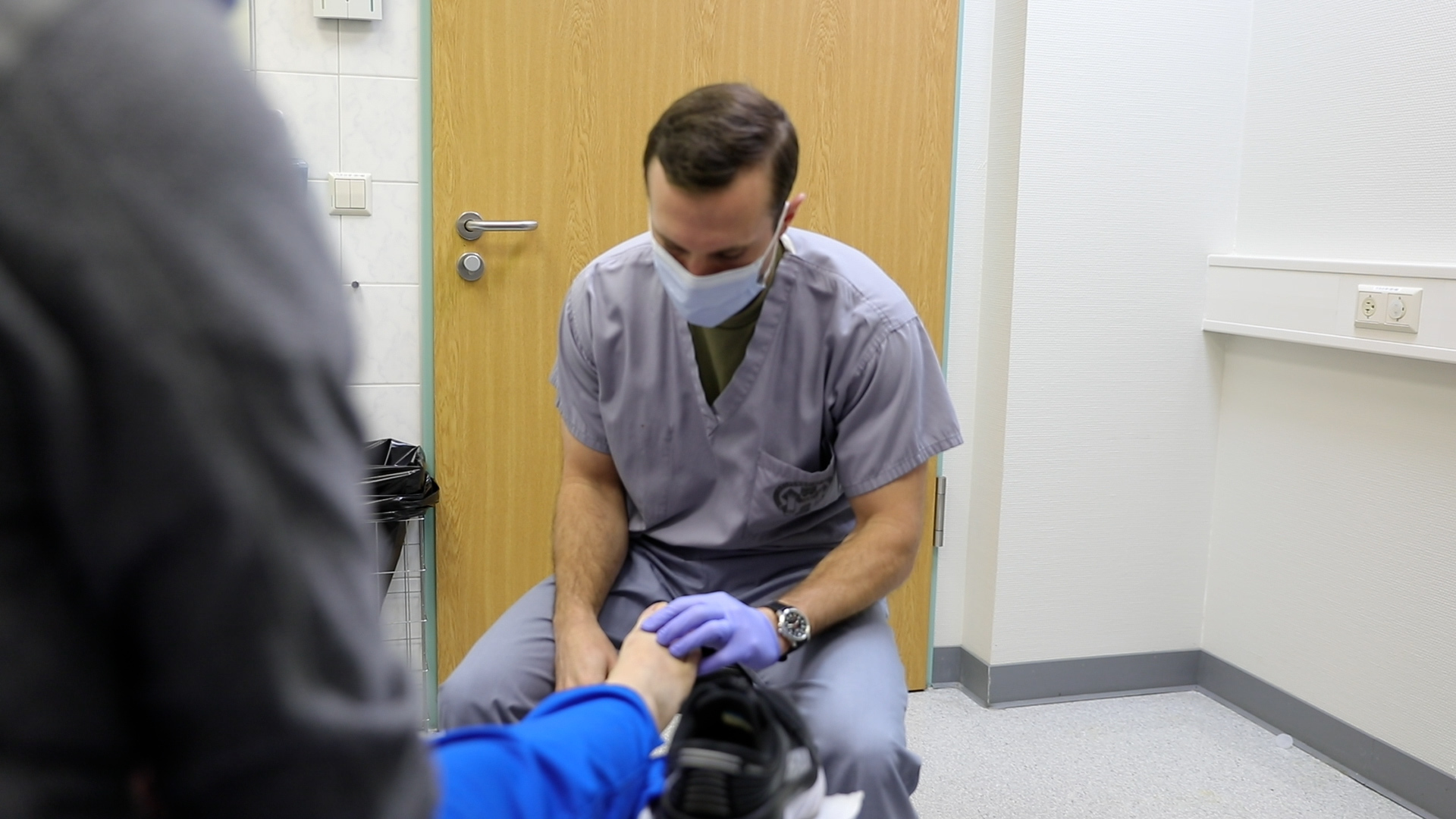
Before routine foot care starts, useful booking details help the practitioner understand symptoms, mobility, medical risks, and whether treatment is suitable that day. Photo source
The practical search query this article answers is mobile foot care what to tell before booking. It is for an older adult, carer, spouse, or adult child who is thinking about booking mobile foot care, a chiropodist at home, a podiatrist at home, or toenail cutting at home, but is unsure what details matter before the first appointment. This article belongs to the pillar Home visit foot care for older adults, diabetes, and reduced mobility because the main problem is safe access to routine foot care when travel, bending, eyesight, pain, diabetes, or reduced mobility makes clinic visits or DIY care difficult.
Why details matter before booking
Most families do not search for home visit foot care because everything is simple. They search because nails have become too hard to manage, shoes feel uncomfortable, hard skin keeps building up, a parent cannot bend safely, or a carer is worried about cutting skin. The appointment question is practical: what should we say, what should we prepare, and when is routine foot care not enough?
This matters commercially for RMFC because the query has strong booking intent. Someone searching for home visit foot care, mobile foot care, chiropodist at home, podiatrist at home, or toenail cutting at home is often choosing between arranging help now and leaving the problem until it becomes painful. A clear article reduces uncertainty and makes a careful Surrey home visit feel easier to book.
The wider need is also normal. Age UK describes foot care as a service that can help older people who cannot manage their own feet, and notes that some local services may be available at home for people who are housebound. That makes home visits a practical access route, not an indulgence.
Who a home visit usually helps
Home visit foot care usually helps when the foot problem is routine but the access problem is not. The person may struggle with bending, grip, eyesight, tremor, wheelchair use, recovering after illness, dementia, arthritis, Parkinson's, diabetes, painful corns, thickened nails, cracked heels, or anxiety about leaving the house. The service comes to the person so the care can happen in a familiar setting.
If movement is part of the difficulty, small daily tasks can become much harder than they look. Parkinson's UK explains that Parkinson's can affect movement, balance, stiffness, and everyday independence, so looking after feet may need extra support. Versus Arthritis also gives practical advice for foot problems and footwear, which matters when arthritis makes reaching, trimming, or choosing comfortable shoes harder.
Sight changes can alter foot care too. Sight Advice FAQ groups independent living support for people with sight loss, which is relevant when someone cannot inspect skin, nails, swelling, or pressure marks clearly. If vision makes self care unsafe, finding practical support for independent living is a sensible safety step.
What to tell the practitioner
A good enquiry should describe the person, the foot problem, and any risk factors. Say whether the appointment is for nail cutting, thick nails, corns, callus, cracked heels, diabetic foot care, reduced mobility, or general comfort. Add whether there is pain, swelling, redness, broken skin, numbness, poor circulation, diabetes, blood thinner use, dementia, Parkinson's, arthritis, a recent fall, or a wound.
Carers UK points out that arranging support often means gathering practical information and explaining what has changed. For foot care, clear details from the carer or family member can prevent the wrong appointment type and help the practitioner decide whether routine care is appropriate.
If dementia affects the appointment, say what helps the person stay calm. The Alzheimer's Society explains that routine, communication, and familiar approaches can make care easier, so personal care works better when the person's preferences are understood. That same principle applies to foot care at home.
What those details change
A routine home visit usually starts with a short conversation and a look at the feet before treatment begins. The practitioner may ask what is painful, what has changed, whether shoes are rubbing, whether the person has diabetes or circulation problems, and whether there are any wounds, swelling, heat, redness, discharge, or sudden colour changes. This check decides what is safe to do that day.
For suitable routine care, the visit may include toenail cutting, reducing thick or hard nails, gentle corn or callus care, cracked heel support, footwear or pressure advice, and simple aftercare. NHS advice on corns and calluses warns older people, people with diabetes, and people with circulation problems not to cut them themselves, so professional handling is safer than blades or strong DIY products when risk is higher.
The appointment should not feel rushed. The person needs a stable chair, good light, enough space for the practitioner to work, and time to say if something hurts. If the foot does not look suitable for routine treatment, the safer outcome may be advice to contact a GP, NHS 111, a podiatry service, or another medical route before continuing.
When diabetes changes the decision
Diabetes does not automatically mean a home visit cannot happen, but it does raise the safety bar. Reduced feeling, circulation changes, slow healing, wounds, infection risk, and previous ulcers all change how cautious routine care should be. The practitioner needs to know about diabetes before treatment starts, not halfway through the appointment.
Diabetes UK explains that nerve damage can mean a person injures their feet without noticing. NICE diabetic foot guidance also stresses risk assessment, escalation routes, and access arrangements for people who are housebound, disabled, visually impaired, or in care settings, which supports the idea that foot care should match the person's risk and access needs.
If there is a cut, ulcer, spreading redness, heat, swelling, discharge, sudden colour change, new numbness, or a diabetic foot concern that feels unusual, routine foot care should wait while medical advice is sought. Home visit care is useful for suitable routine maintenance, but it is not the right substitute for urgent diabetic foot assessment.
How to prepare the room
Preparation should make the visit safe and calm. Choose a steady chair rather than a low sofa or bed if possible. Keep the room well lit. Make sure there is space near the feet, remove trip hazards, keep pets away during treatment, and have a towel, current medication list, and any relevant medical information nearby. The person should not feel pressured to rush or sit in a position that causes pain.
Falls risk matters because many people needing home visit foot care also have reduced mobility. Age UK's falls prevention advice explains that unsteadiness, worry about falling, and everyday hazards can affect independence, so a clear floor and stable seating are part of sensible preparation.
Care Quality Commission guidance for people receiving care at home is not specific to foot care, but its emphasis on safe, respectful, person centred care is useful. A home appointment should protect dignity, explain what is happening, and work around the person's needs, not ask them to fit an awkward clinic routine inside their living room.
What to keep track of afterwards
After the visit, the person should know what was done, what to watch for, and whether another appointment is likely to help. Routine toenail cutting, corn and callus care, and cracked heel support often need maintenance rather than a one off fix. If nails are thick, hard, or fast growing, repeat care may prevent the same discomfort returning.
The CDC's diabetes foot advice gives a useful everyday pattern: check the feet, look for sores, blisters, corns, calluses, swelling, and nail changes, and ask for help if the person cannot see their own feet. Even for people without diabetes, a simple repeat foot check helps families notice change between visits.
If the person needs regulated podiatry rather than routine mobile foot care, families can use the Royal College of Podiatry route to find a podiatrist and the HCPC register to check registered health professionals. For suitable routine home visit foot care in Surrey, Rithik's Mobile Foot Care can help with calm, practical care at home.
Key Takeaways
- Home visit foot care is most useful when the foot problem is routine but travel, bending, eyesight, pain, or mobility makes care difficult.
- Families should mention diabetes, wounds, swelling, redness, pain, numbness, poor circulation, blood thinners, dementia, Parkinson's, arthritis, and recent falls before the appointment.
- A visit normally starts with a foot check before nail, corn, callus, hard skin, or cracked heel care begins.
- Routine care should wait if there are warning signs such as heat, spreading redness, discharge, a wound, sudden colour change, or worrying diabetic foot changes.
A good home visit foot care appointment should make the next step clearer, not more confusing. The person should be comfortable, the family should know what information to share, and the practitioner should check that routine care is suitable before starting. When the problem is long nails, thick nails, corns, callus, cracked heels, or general foot comfort and the person struggles to travel, home visit care can be a practical way to keep feet safer and more comfortable at home.
Need Professional Foot Care?
Book a home visit and get expert treatment without leaving your house