
What Affects Mobile Foot Care Prices?

Mobile foot care prices can reflect travel, setup, treatment time, foot condition, and what support is needed at home.
The practical search query this article answers is mobile foot care near me prices. It is for an older adult, family member, or carer who needs to understand what affects the cost of home visit foot care before booking toenail cutting, thick nail care, corn or callus relief, cracked heel care, or routine foot comfort support.
Why prices vary between home visits
Mobile foot care is not priced only by the number of toenails cut. The cost can reflect travel time, appointment length, the type of foot problem, equipment, hygiene requirements, the practitioner’s training, and whether the visit is simple routine care or needs a more cautious assessment. That is why two people searching for home visit foot care can receive different quotes even when both ask for toenail cutting at home.
The first price question should be practical: what exactly needs doing? Age UK explains that foot care in later life can include basic toenail cutting, general guidance, and sometimes more enhanced podiatry services, with home access in some areas for people who are housebound. That shows why the setting and level of foot care both affect what is being booked.
For RMFC, this topic matters commercially because price searches are often close to booking intent. Someone searching mobile foot care near me prices may already have a parent who cannot travel, nails that have become too thick to manage, or foot discomfort that has made ordinary walking harder.
What kind of foot problem changes the appointment
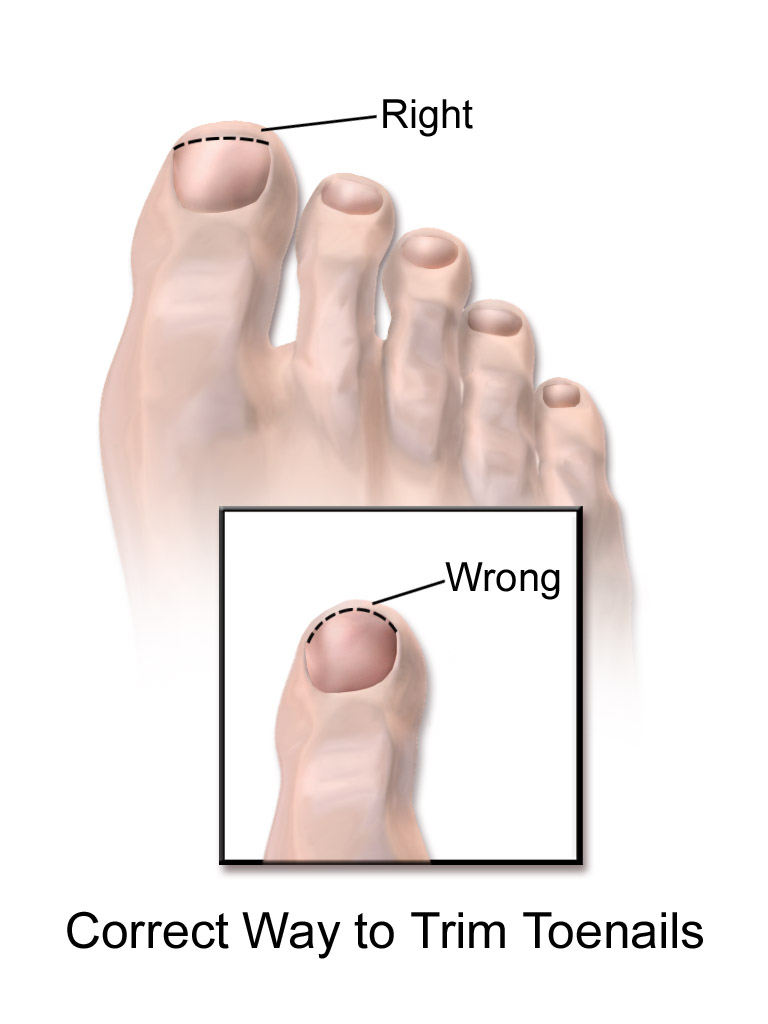
Straightforward nail care is different from thick, painful, curved, or medically cautious foot care. Photo source
A routine visit for nails that are simply too long is usually different from a visit where nails are thick, curved, painful, fungal looking, or pressing into nearby skin. The appointment may need more time, more careful reduction, and clearer advice about what should be monitored afterwards.
Hard skin, corns, and callus can also change the appointment. NHS advice says corns and calluses can be painful, and that people should not cut them off themselves. It also says people with diabetes, heart disease, or circulation problems should not try to treat corns and calluses themselves, which is why risk factors can change whether simple self care is sensible.
If the foot problem includes broken skin, bleeding, discharge, severe pain, sudden swelling, signs of infection, or a new diabetes related change, the issue may need medical advice before routine foot care. Diabetes UK explains how diabetes can affect nerves and blood supply in the feet, so small foot changes can need faster attention when diabetes is involved.
Why home visit access affects cost
A home visit includes the practical work of bringing the service to the person. Travel, parking, appointment spacing, setup time, cleaning down, and carrying equipment all matter. This is one reason mobile foot care can cost more than a short clinic appointment, even when the visible treatment looks similar.
For many families, the extra value is not only convenience. It can avoid arranging transport, supporting someone down stairs, helping them in and out of a car, waiting in a clinic, and repeating the whole journey afterwards. Carers UK notes that arranging care for someone often starts with not knowing where to begin, so reducing planning friction can be part of the real value.
If the person is struggling with several daily tasks, foot care may be one part of a wider home support picture. GOV.UK explains that a needs assessment can look at healthcare, equipment, help in the home, and adaptations, which means repeated difficulty with care tasks may justify wider support planning.
What to check before comparing quotes
When comparing mobile foot care prices, do not compare only the headline number. Ask what is included in the visit, how long the appointment is likely to take, whether travel is included, what happens if the problem is outside scope, and whether follow up or repeat maintenance is normally recommended.
Check the language being used too. A podiatrist is a protected professional title, and the HCPC register exists so the public can check registered health and care professionals. If you specifically need a podiatrist, checking professional registration is a sensible step. The Royal College of Podiatry also offers a route to find a podiatrist when that level of care is needed.
That does not mean every routine foot care need requires the same clinical route. It does mean the quote should match the problem. Simple toenail cutting at home, thick nail reduction, corn or callus relief, cracked heel support, and diabetes related concerns may not all sit in the same risk category.
How mobility and safety change the value
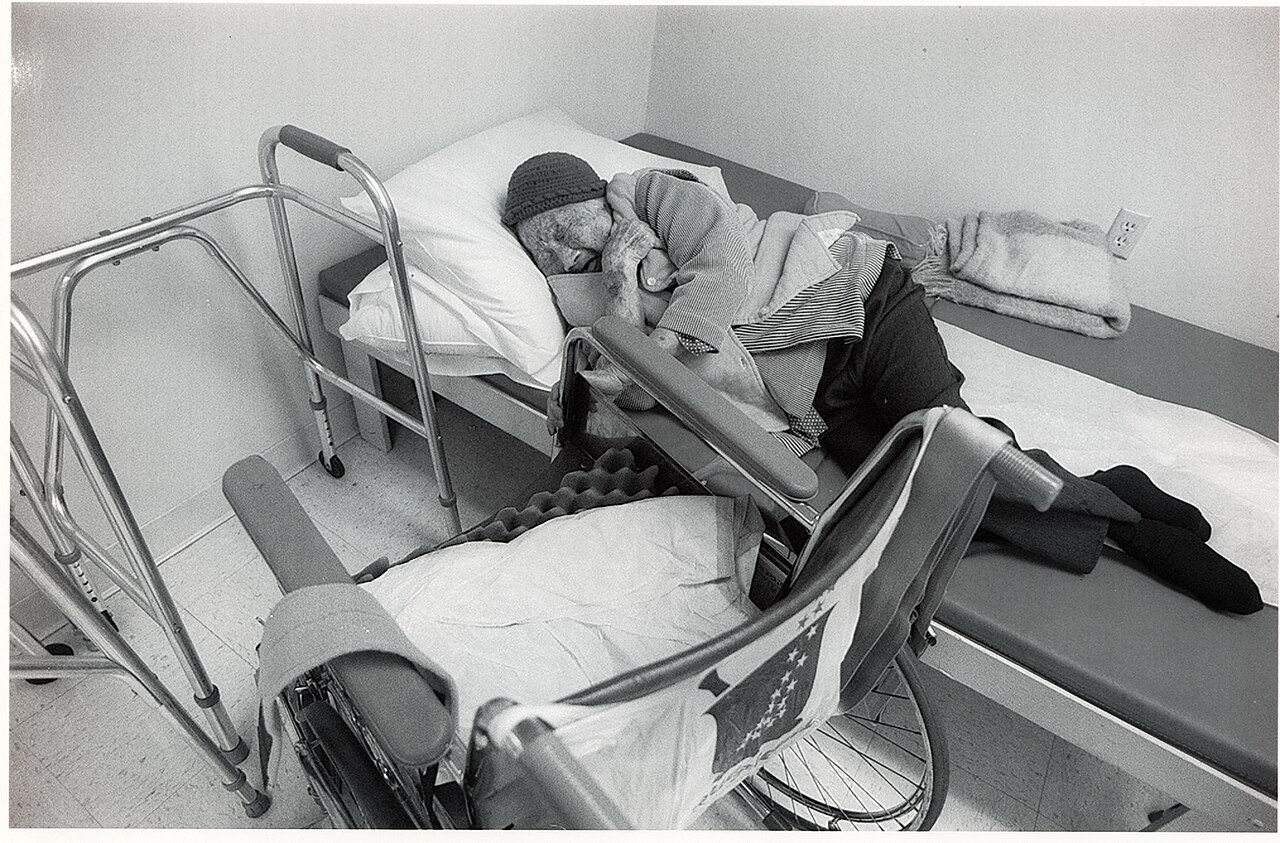
A calm seated setup, good light, and enough time can make foot care safer for someone with limited mobility. Photo source
For an older adult, the cheapest option is not always the safest option. If someone cannot bend, cannot see their feet clearly, has shaky hands, uses a walking aid, or is frightened of falling, the value of a home visit is partly that care happens in a more manageable setting.
Living Made Easy provides impartial advice on aids and practical solutions for independent living, which is a useful reminder that the right setup should reduce effort and risk. A foot care visit should not require awkward stretching, rushed movement, or unsafe balancing just to keep the appointment cheap.
If the person pays for care at home more generally, it can help to separate routine foot care from wider support costs. Foot care may be a focused appointment for nails, hard skin, corns, cracked heels, or comfort, while care at home may cover washing, dressing, meals, mobility, medicines, or daily supervision. Keeping those needs separate makes price comparisons clearer.
When a low price should make you pause
A very low price is not automatically wrong, but it should prompt better questions. Does the appointment allow enough time? Are travel and setup included? Is the person clear about what they can and cannot treat? What happens if they see a wound, infection concern, or foot problem that needs medical review?
The right choice is not just the lowest fee. It is the option that fits the person’s actual foot care need, explains its boundaries, and gives clear advice if the problem turns out to need GP, NHS, or podiatry input instead.
If foot care difficulty is part of wider care pressure, avoid making a rushed booking based on price alone. A calm description of the foot problem, mobility limits, medical risks, and home setup will usually produce a more useful answer than asking only for the cheapest visit.
A practical way to ask about price
Before asking for a quote, write down the foot problem in plain words: nails too long, nails too thick, painful corn, hard skin, cracked heels, difficulty reaching feet, diabetes, poor circulation, reduced feeling, or unable to travel. Add whether the appointment is for the patient, a parent, or someone you care for.
Then ask three simple questions. What is included in the home visit? Is this problem within scope? What would make you advise GP, NHS, podiatry, or urgent medical input instead? Those questions protect both the budget and the person receiving care.
For patients and families in Surrey, RMFC provides home visit foot care for routine needs such as toenail cutting, thickened nails, corns, callus, cracked heels, and general foot comfort where suitable. If the problem sounds urgent, infected, wound related, or medically complex, it is better to seek appropriate medical advice first rather than choosing by price alone.
Key Takeaways
- Mobile foot care prices vary because the visit includes travel, setup, appointment time, equipment, hygiene, and the type of foot problem being treated.
- Routine nail cutting is different from thick nails, painful corns, callus, cracked heels, diabetes related concerns, wounds, or possible infection.
- A home visit can be worth more when clinic travel, stairs, car transfers, bending, eyesight, balance, or carer workload are the real barriers.
- Do not compare quotes by price alone. Check what is included, whether the problem is within scope, and what happens if medical advice is needed.
- For Surrey families, RMFC can help with routine home visit foot care when the issue is suitable for mobile care at home.
The best question is not simply how much mobile foot care costs. It is what the person needs, what makes the appointment harder, what risks should be ruled out first, and whether home visit foot care is the safest practical route. If the problem is routine but travel, bending, eyesight, or confidence makes it hard to manage, a mobile visit can be a sensible next step. If there are wounds, infection signs, severe pain, sudden swelling, or new diabetes related changes, get medical advice first.
Need Professional Foot Care?
Book a home visit and get expert treatment without leaving your house