
5 Warning Signs of an Ingrown Toenail
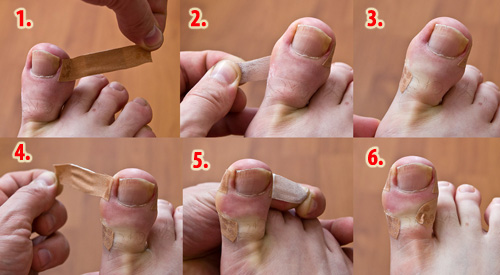
An ingrown toenail often starts as mild edge pain before it becomes a swollen or infected problem. Photo source
Ingrown toenails rarely feel serious at the very start. They usually begin as a tender nail edge, a bit of pressure in shoes, or a toe that suddenly feels more sensitive than it used to. The practical search query this article answers is ingrown toenail warning signs. Catching the problem early is often what makes treatment simpler.
1. Shoe pressure suddenly feels different
One of the earliest warning signs is that a shoe which used to feel normal starts pressing on one side of the toe. The pain may be mild at first, but it tends to come back each time the shoe rubs the same area.
That matters because the pressure is often the first clue that the nail edge has started turning into the surrounding skin. If it already hurts in ordinary shoes, the problem is moving beyond routine nail trimming.
At this stage, people often make the mistake of digging down the side of the nail to "free" it. That can leave a sharp spike behind and make the next few days worse rather than better.
2. The skin beside the nail becomes red, swollen, or warm
Redness and swelling mean the skin is already reacting to the nail edge pressing into it. The toe may look puffier on one side and feel tender even when touched lightly.
An inflamed nail edge is a sign to stop cutting at it repeatedly. NHS nail advice notes that nail and skin changes can need professional assessment when symptoms are painful, persistent, or becoming harder to manage rather than improving with simple care.
The earlier you act here, the more likely the problem can be settled before it becomes infected or starts affecting how you walk.
3. Walking becomes guarded or painful
If walking, standing, or turning in shoes starts hurting, the ingrown nail is no longer just an irritation. People often change how they walk without realising it, which can make the rest of the foot sore as well.
Continuing to squeeze the toe into tight shoes or hoping the nail will "grow out" on its own is rarely a good plan once walking is affected. Repeated pressure tends to drive the nail edge in further.
If the person is older, has reduced sensation, or has diabetes, that shift from irritation to pain matters even more because small wounds can be missed or slower to heal.
4. Cutting the nail down the sides keeps making it worse
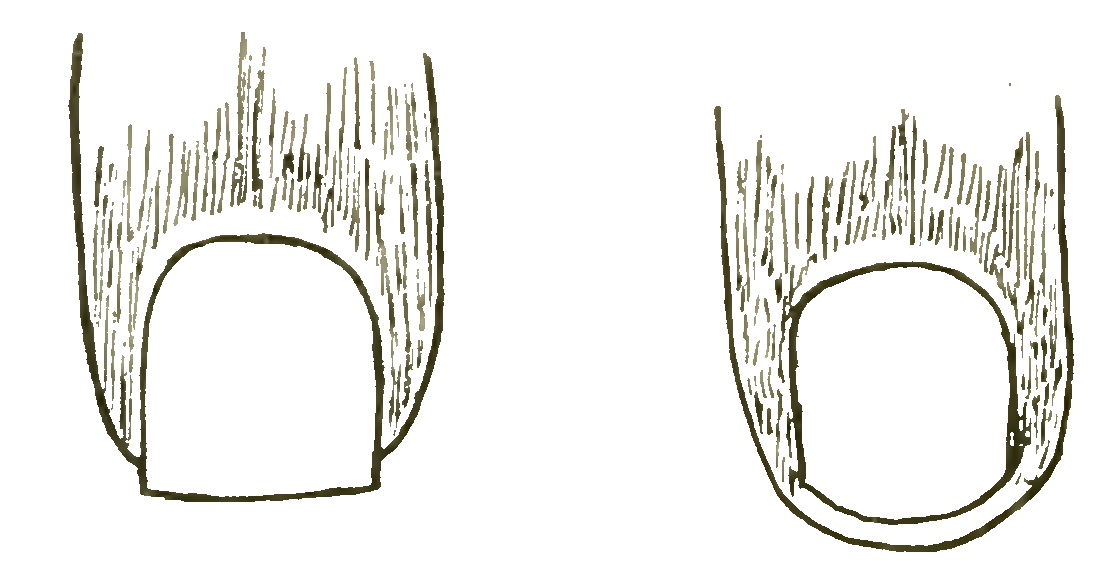
Cutting too far down the sides can leave a sharp nail edge behind and encourage the problem to return. Photo source
A very common pattern is temporary relief followed by worse pain a few days later. That often happens when someone cuts a V shape, rounds the corners, or digs into the side to try to remove pressure.
South Tees podiatry advice warns that cutting down the sides can leave a spike of nail behind and recommends cutting nails straight across where possible. If repeated self cutting keeps ending the same way, that is a warning sign in itself.
Once the nail edge is hidden in swollen skin, home cutting often becomes guesswork. That is the moment many people do more harm trying to fix it alone.
5. There is discharge, smell, or overgrown tissue
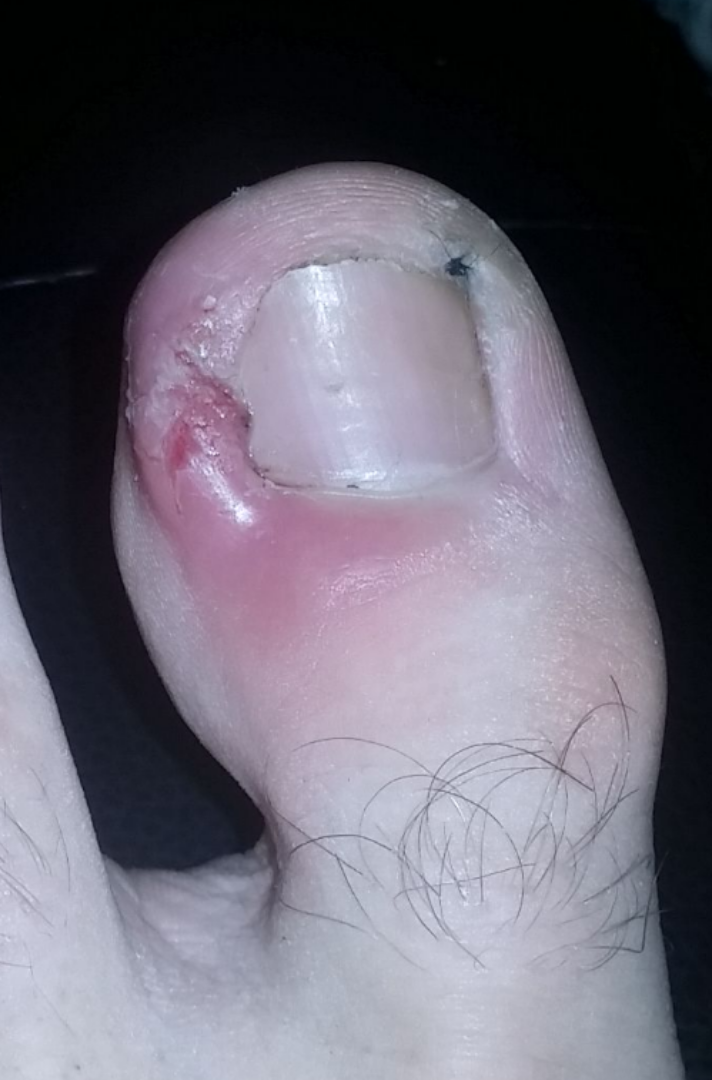
Discharge, spreading redness, or overgrown tissue around the nail edge means the problem has moved beyond a mild nuisance. Photo source
Discharge, a bad smell, marked swelling, or flesh growing up around the nail edge are all signs that the toe is more inflamed and may be infected. At that point, the question is no longer whether the nail is uncomfortable. It is whether the skin is now breaking down around it.
For a routine ingrown nail, professional treatment can often help. But if the redness is spreading, the toe is very hot, the pain is severe, or the person has diabetes and new skin damage, urgent medical advice may be needed. NHS inform advises urgent help for new skin damage, swelling, heat, or pain in higher risk diabetic foot situations.
That is why "wait and see" is a weak strategy once discharge or overgrown tissue appears.
When to book help instead of experimenting
Book help when the toe hurts in shoes, keeps swelling, has already been cut at repeatedly, or is changing how you walk. Those are all signs that the nail is unlikely to settle with another DIY attempt.
If the toe looks infected or the person has diabetes, numbness, poor circulation, or immune problems, be even more cautious. The boundary between routine care and medical care matters.
For people in Surrey dealing with a nail edge that keeps returning or has become too painful to manage calmly at home, getting professional help with an ingrown toenail is usually a far better step than more digging or more waiting.
Key Takeaways
- Ingrown toenails often start with shoe pressure and tenderness before obvious infection appears.
- Redness, swelling, and walking pain are signs to stop treating the problem as ordinary nail cutting.
- Cutting down the sides can leave a sharp spike and make the problem return worse.
- Discharge, overgrown tissue, or spreading redness need quicker action.
- Earlier treatment is usually simpler, less painful, and less disruptive than waiting.
The warning signs of an ingrown toenail are usually there before the problem becomes dramatic. Pain in shoes, swelling, repeated failed cutting, and early discharge are all signals worth taking seriously. If the toe has stopped being a simple nail trimming job, it is usually better to get proper help before it turns into a more painful or infected problem.
Need Professional Foot Care?
Book a home visit and get expert treatment without leaving your house