
Home Visit Foot Care: What to Expect
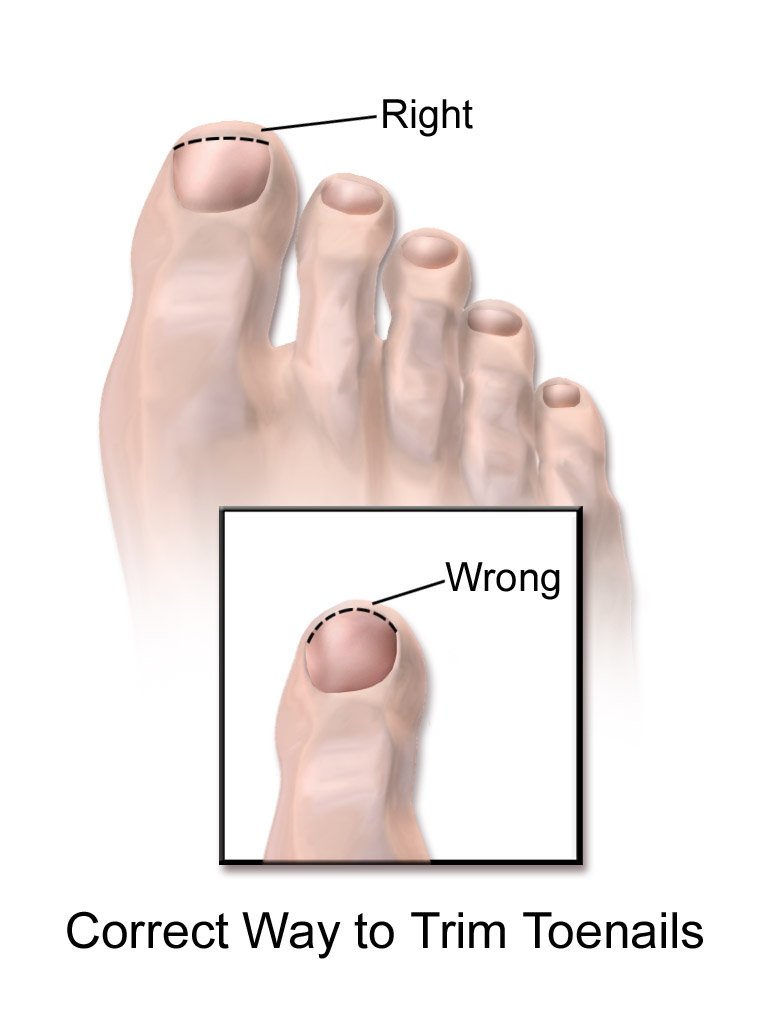
A home visit should start with the reason for the booking, then match any nail or hard skin care to the person’s risk level. Photo source
The practical search query this article answers is home visit foot care what to expect. It is for an older adult, family member, or carer who is thinking about booking help at home but wants to know what should happen before, during, and after the visit.
Why people search before booking
People usually search this because foot care has become harder to manage safely. Toenails may be too thick to cut, bending down may be painful, shoes may be rubbing, or a family member may be worried about diabetes, reduced feeling, swelling, or a sore patch that has changed.
Age UK explains that homecare can help people who are struggling with everyday tasks so they can stay independent for longer. That wider independence need is often the same reason a family looks for mobile foot care: the foot problem is practical, but travel to a clinic may be the barrier.
For Rithik’s Mobile Foot Care, this is a high intent query because the searcher is close to making a booking decision. They are not just reading about feet. They are asking whether a calm home visit can solve the immediate problem, and whether the provider will know when to advise GP, NHS, or podiatry input instead.
What a sensible home visit should cover
Nail care at home should be guided by comfort, access, skin condition, and risk factors such as diabetes. Photo source
A good home visit should start with the reason for the booking. The provider should ask what has changed, whether there is pain, whether shoes or socks are catching, whether the person has diabetes, and whether there are any wounds, infections, allergies, medicines, or circulation concerns.
NHS advice on nail problems says people should see a podiatrist if a nail is too tough to cut or they cannot reach it. That is the search moment many families recognise: the problem may look like routine nail care, but the real issue is that doing it alone no longer feels safe.
The visit should also include a visual check of the feet and nails, a discussion of what can be done safely on the day, and clear advice if something falls outside routine foot care. That matters because a home visit is useful when it is honest about its limits.
What can often be helped at home
Routine mobile foot care may help with nail trimming, thick nail management where appropriate, hard skin comfort, general foot checks, basic pressure advice, and practical aftercare. It can also help families notice when a small problem needs a different route.
NHS guidance on corns and calluses says they are patches of hard or thick skin that often develop when skin is exposed to pressure or friction. That explains why many home visit bookings start with shoe discomfort, hard skin, or a painful area under the foot rather than with a formal diagnosis.
If the concern is an ingrown toenail, the answer needs more caution. NHS guidance says to see a GP if the toe is painful and swollen with pus, if there is a high temperature or feeling hot or shivery, or if the person has diabetes and an ingrown toenail. A home visit can give practical guidance, but infection signs are medical red flags.
When diabetes changes the plan
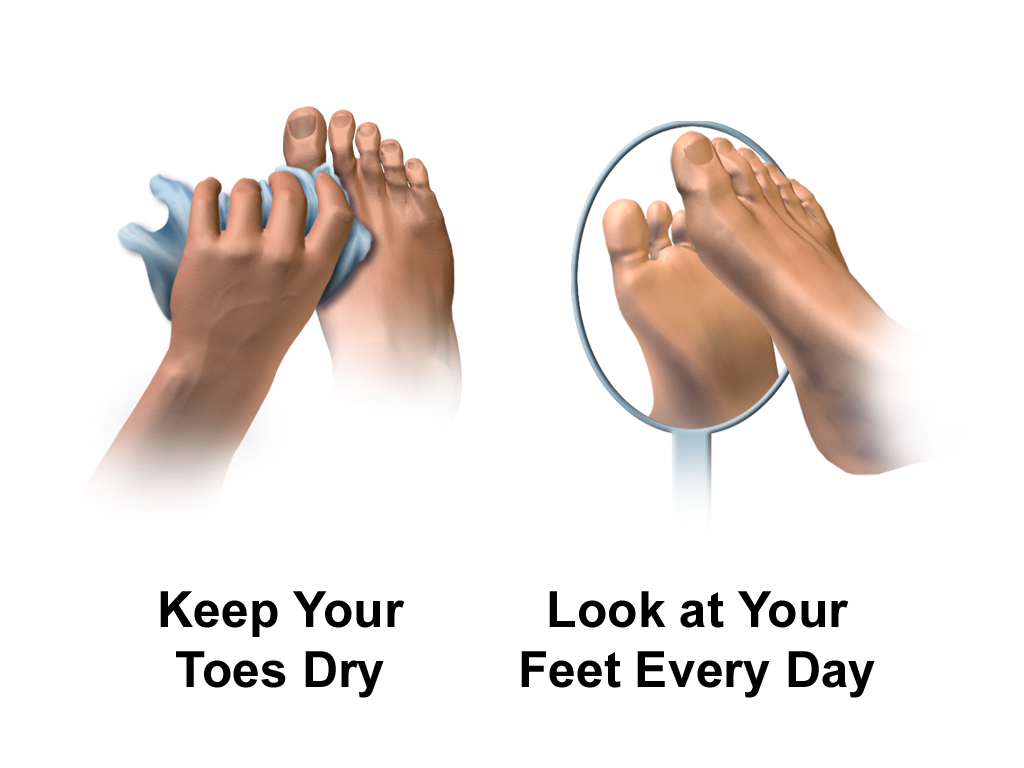
A visual foot check helps spot skin changes, pressure marks, and warning signs before routine care starts. Photo source
Diabetes changes the decision because small injuries can become more serious. Diabetes UK explains that diabetes can damage feeling and blood supply in the feet, and that cuts and sores may not heal well. That is why a home visit should ask about diabetes before anyone cuts nails, reduces hard skin, or suggests self care.
If the person has diabetes, reduced feeling, poor circulation, a previous ulcer, or a new wound, the safest visit is a cautious one. The aim is not to push ahead with treatment at any cost. The aim is to spot risk early, avoid damage, and signpost to GP, NHS podiatry, or urgent care when needed.
A practical family check before the appointment is simple: look for broken skin, spreading redness, swelling, heat, discharge, colour change, sudden pain, or a new wound. If any of those are present, say so when booking rather than waiting until the visit starts.
Checking the provider and the role
Families often search for podiatrist at home or chiropodist at home when they may actually need routine foot care, HCPC registered podiatry, NHS advice, or GP input. The words matter because different providers have different training, responsibilities, and limits.
The HCPC register lets the public check whether someone is registered in a protected health profession. If someone presents as a podiatrist, checking the register is a sensible step. If the provider is offering mobile foot care rather than podiatry, they should be clear about that and clear about referral boundaries.
Some NHS podiatry services offer domiciliary visits for eligible patients. Sussex Community NHS describes domiciliary podiatry as home visits for people who meet criteria and are unable to attend clinic. That shows why private mobile foot care and NHS podiatry are not always the same route, even though families may use similar search terms.
How to prepare before the appointment
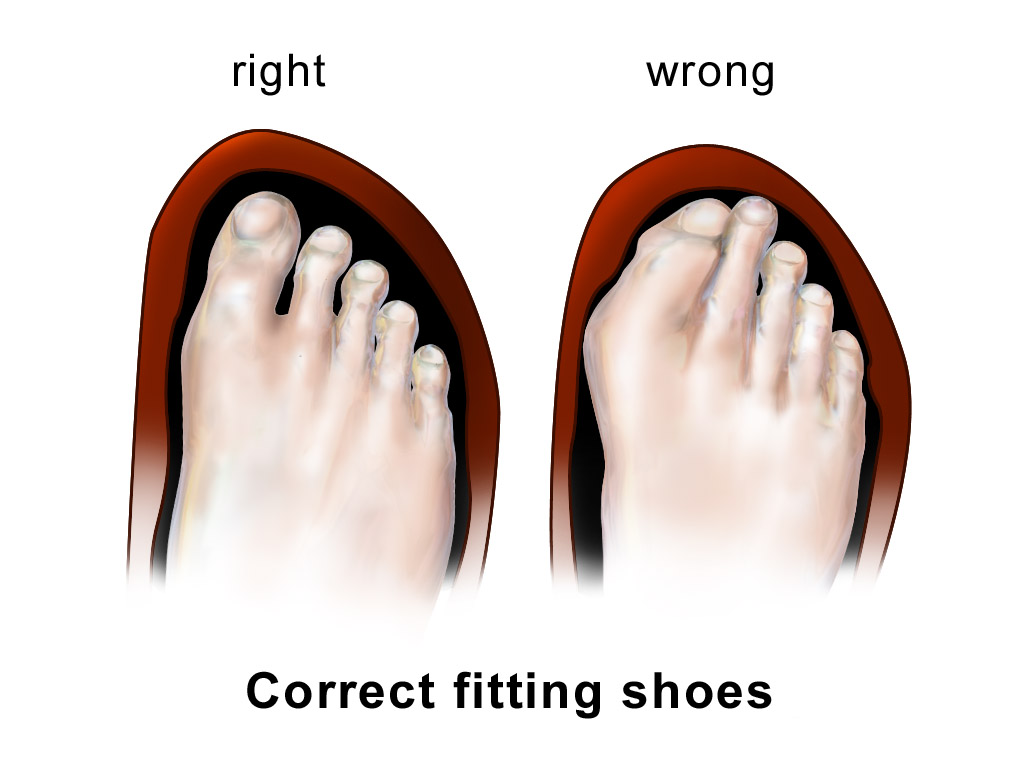
Shoes and socks are part of the conversation because pressure and rubbing often explain why feet have become sore. Photo source
Choose a safe, well lit place where the person can sit comfortably with both feet accessible. Have a towel ready if requested, make sure there is enough room for equipment, and keep pets away if that helps the visit stay calm and hygienic.
Write down the main concern, how long it has been happening, whether there is pain, and whether the person has diabetes, poor circulation, reduced feeling, blood thinning medicine, allergies, or a history of foot wounds. This is especially helpful when an adult child is arranging the visit for a parent.
Carers UK notes that caring can be tiring and can place demands on physical and emotional energy. A planned home visit can reduce some of that pressure because the family is no longer guessing whether to cut a nail, leave a painful corn alone, or seek more urgent help.
What should happen after the visit
After the visit, the person should know what was done, what to watch for, and when to seek medical advice. Good aftercare might include shoe pressure advice, moisturising guidance where suitable, nail growth checks, and a suggested review interval if ongoing routine care is needed.
The key point is that home visit foot care should leave the family clearer, not more confused. If there are red flags, the advice should be direct. If the problem is routine and low risk, the plan should be simple and practical.
For many older adults and people with reduced mobility, the value is not only the foot care itself. It is the relief of having someone come to the home, check the problem calmly, help where safe, and explain the next step without forcing a clinic trip first.
Key Takeaways
- Home visit foot care is most useful when nails, hard skin, shoe pressure, or mobility make self care difficult.
- The visit should start with questions about pain, diabetes, wounds, medicines, and what has changed.
- Diabetes, poor circulation, reduced feeling, wounds, infection signs, or sudden swelling need extra caution.
- If someone presents as a podiatrist, check HCPC registration.
- A good visit should end with clear aftercare and referral advice when needed.
A home visit foot care appointment should feel practical, calm, and clear. It should help with routine foot care where safe, identify warning signs early, and make the next step easier for the person and their family. If you are arranging care for yourself or an older parent, contact Rithik’s Mobile Foot Care with the main concern, diabetes history, mobility needs, and any pain or skin changes before booking.
Need Professional Foot Care?
Book a home visit and get expert treatment without leaving your house