
Home Foot Care Visit: What to Prepare
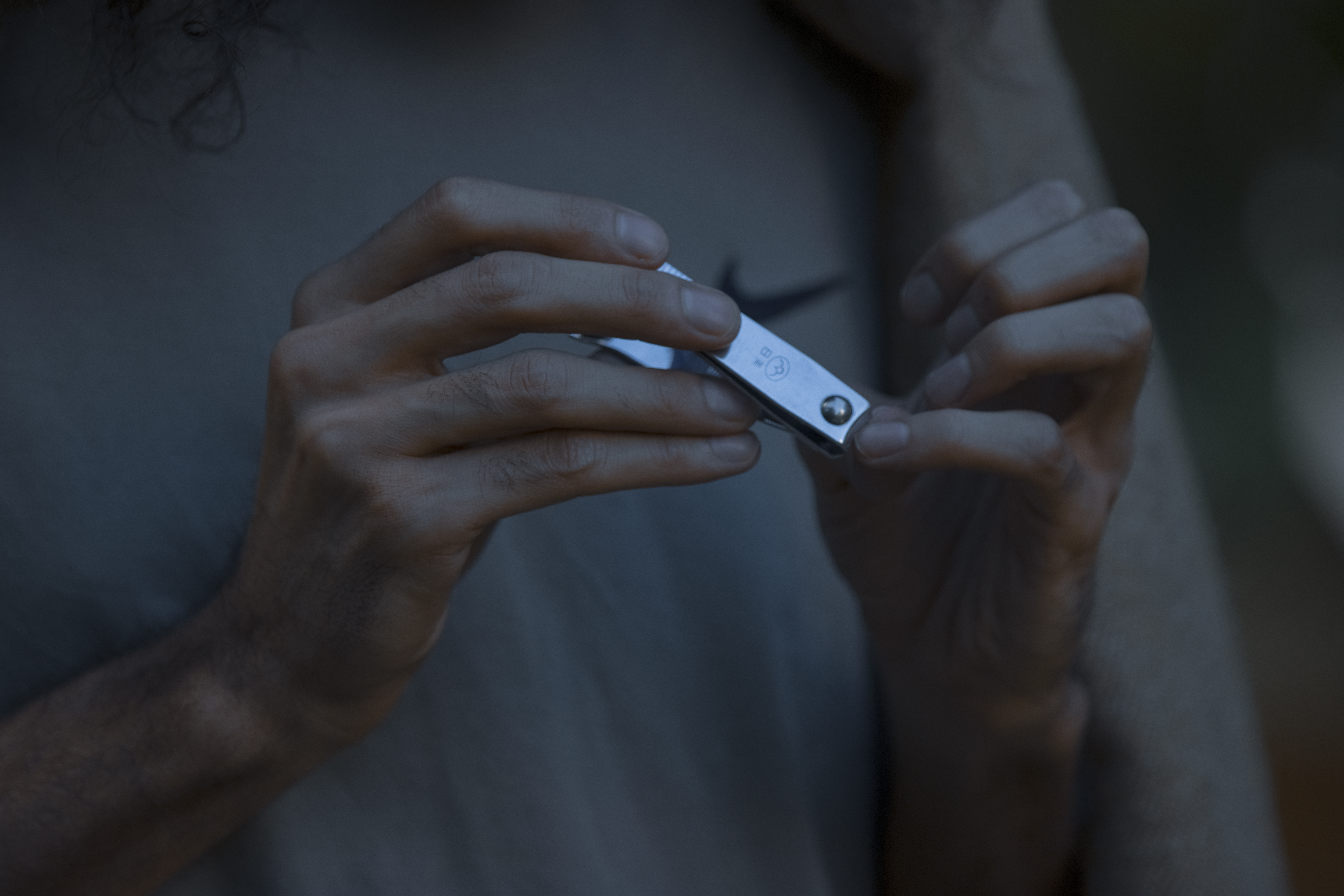
Simple preparation helps a home foot care visit focus on comfort, safety, and the right problem. Photo source
The practical search query this article answers is home visit foot care what to prepare. It is for an older adult, carer, or family member arranging toenail cutting at home, mobile foot care, a chiropodist at home, or podiatrist at home style support and wanting to know what to say before the appointment. This article belongs to the pillar Home visit foot care for older adults, diabetes, and reduced mobility.
Why preparation matters before the visit
A home visit foot care appointment works best when the practical details are clear before anyone arrives. The person may need help because nails are too thick to cut, corns or calluses are painful, reaching the feet is difficult, eyesight is poor, or travelling to a clinic is too tiring. Age UK notes that foot care in later life can reduce pain, infection risk, and falls risk, and that some services can be accessed at home if someone is housebound.
For families, the main problem is often uncertainty. You may know your parent or relative needs help, but not know whether to book routine foot care, speak to a GP first, or mention a health risk before the appointment. Getting that information ready reduces guesswork.
This topic matters commercially for RMFC because searches such as home visit foot care, mobile foot care Surrey, toenail cutting at home, chiropodist at home, podiatrist at home, and toenail cutting at home for elderly people usually come from someone close to booking. A useful preparation guide helps that person take the next step safely.
First check whether routine foot care is safe today
Before booking or before the appointment, look for signs that routine nail or hard skin care should wait. The NHS foot pain guide encourages people to consider where the foot hurts and when medical help may be needed, which is a useful starting point when pain is part of the reason for booking.
Tell RMFC before the visit if there is a wound, bleeding, spreading redness, heat, swelling, discharge, sudden colour change, severe pain, recent injury, or the person cannot put weight on the foot. Those details change whether routine home foot care is appropriate.
Corns and calluses are common reasons for discomfort, but the NHS specifically advises older people and people with diabetes, circulation problems, or a weakened immune system not to treat them themselves. That makes cutting hard skin at home a poor substitute for proper advice when risk factors are present.
Write down the health details before calling
A short note about health risks, medication, and recent changes is more useful than trying to remember everything during the visit. Photo source
Make a short list of diabetes, blood thinning medication, poor circulation, numbness, wounds, swelling, skin breaks, previous falls, recent surgery, dementia, Parkinson's, stroke history, arthritis, or any infection concern. Diabetes UK explains that reduced feeling can make feet harder to look after and may mean someone needs help from a podiatrist or foot protection service.
NICE diabetic foot guidance also shows why diabetic foot problems need clear pathways and timely care when risk is higher. In family language, if diabetes is involved and the foot looks unwell, medical input should come before routine trimming.
If you are arranging care for someone else, be clear about your role. Citizens Advice explains that managing someone else's affairs can include day to day personal care or health care decisions. That does not make every family member a formal decision maker, but it is a reminder to respect consent and involve the person wherever possible.
Describe the foot problem in everyday terms
You do not need medical wording to book a sensible visit. Say what you can see and what it is stopping the person doing. For example: the toenails are too thick for clippers, the nail is catching on socks, a corn hurts in shoes, hard skin is cracking, the person cannot bend safely, or they are worried about travelling to clinic.
Health in Aging explains that foot pain in later life can make walking, stairs, getting out of a chair, preparing meals, and using the toilet harder. If the foot problem is changing daily life, describe the activity that has become harder, not just the nail or skin change.
Versus Arthritis describes the foot and ankle as complex, hard working areas with many joints, soft tissues, nerves, and blood vessels. If arthritis, stiffness, swelling, or footwear pressure is part of the picture, mention it because pain can have more than one practical cause.
Prepare the room and seating
Choose a warm, well lit room with enough space to sit comfortably. The person should have a stable chair, their feet supported where possible, and room for the practitioner to work without twisting around furniture. Avoid low sofas if getting up from them is difficult.
Falls risk matters during any home appointment. The National Institute on Aging advises clear walkways, secure handrails, good lighting, and avoiding loose rugs as part of safer movement at home. Before a foot care visit, clear the route from the door to the chair.
The NHS falls guidance says to seek help after a fall if there may be pain, injury, or the person feels unwell, and to speak to a GP if balance or mobility is a worry. If a recent fall is part of the reason for needing help, tell RMFC before routine foot care goes ahead.
Have footwear, socks, and questions ready
If a foot has changed, the visit should include that story, not just the visible nail problem. Photo source
Put out the shoes and slippers the person wears most often, not just the neatest pair. Footwear can explain pressure marks, corns, callus build up, nail pain, toe rubbing, or why walking has become uncomfortable.
If the person also receives home help, think about how foot care fits with the wider support picture. The NHS social care guide notes that help at home can support people who have difficulty walking or getting around, and that homecare can be flexible. For families, that means foot care should fit around real home routines.
If you are unsure whether the person needs a podiatrist, chiropodist, foot health practitioner, GP, pharmacist, or routine mobile foot care, ask directly. The HCPC register is relevant where someone is checking a regulated health professional, while RMFC can explain what is in scope for the booked home visit and when a different route is safer. If professional registration is part of the family decision, you can check the HCPC register before booking clinical podiatry care.
What to tell RMFC before the visit
Share the reason for booking, the main symptoms, relevant health conditions, medication risks, recent changes, mobility needs, and whether the person can sit comfortably. Say if there are stairs, parking issues, pets, hearing needs, memory concerns, or a carer who should be present.
If dementia or memory problems affect personal care, use calm, familiar wording and avoid rushing the person. Alzheimer's Society signposts support for providing personal care and living with dementia, which is a useful reminder that cooperation and dignity matter as much as the task itself.
Carers UK explains that a needs assessment is about discussing what support someone needs with daily life and is not a test someone passes or fails. That same tone helps with foot care: needing home support is simply a practical response to a real care need.
Key Takeaways
- Tell RMFC about diabetes, blood thinning medication, numbness, circulation problems, wounds, swelling, infection signs, recent falls, and severe pain before routine foot care.
- Prepare a stable chair, good lighting, clear floor space, and the shoes or slippers that may be causing pressure.
- Use everyday descriptions such as thick nails, corn pain, hard skin, cracked heels, poor reach, or unsafe clippers.
- Routine home foot care should wait if the foot looks medically unwell or the person may need urgent clinical advice.
- A home visit is most useful when the problem is stable, but travel, reach, eyesight, pain, or mobility makes self care unsafe.
A good home foot care visit starts before the doorbell rings. Write down the health risks, describe the foot problem plainly, prepare a safe place to sit, and keep everyday footwear nearby. If there are warning signs, seek medical advice first. If the problem is routine but difficult to manage safely, RMFC can make foot care at home calmer, clearer, and more comfortable.
Need Professional Foot Care?
Book a home visit and get expert treatment without leaving your house