
When Home Foot Care Is Safer Than DIY
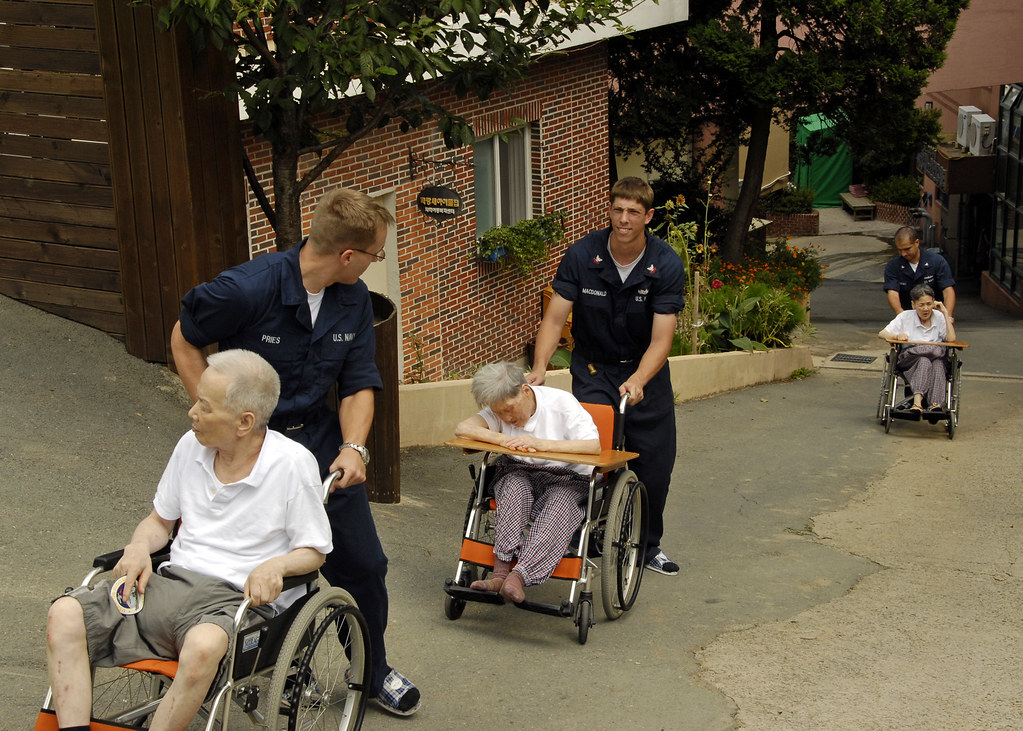
When bending, eyesight, pain, or reduced mobility makes foot care difficult, a home visit can be safer than struggling alone. Photo source
The practical search query this article answers is foot care at home for elderly. It is for an older adult, spouse, son, daughter, family member, or carer who can see that nail cutting, hard skin, corns, or cracked heels are becoming harder to manage safely. This article belongs to the pillar Home visit foot care for older adults, diabetes, and reduced mobility.
Start with the problem, not the service
The practical search query this article answers is foot care at home for elderly. It is for an older adult, spouse, son, daughter, family member, or carer who can see that nail cutting, hard skin, corns, or cracked heels are becoming harder to manage safely. This article belongs to the pillar Home visit foot care for older adults, diabetes, and reduced mobility.
Home foot care becomes important when the real problem is not only the foot. It may be poor eyesight, shaky hands, breathlessness, dizziness when bending, arthritis, swollen feet, diabetes risk, dementia, a recent operation, a fall worry, or simply not being able to reach the toes without strain.
This matters commercially for RMFC because the searcher is often close to booking. Terms such as home visit foot care, mobile foot care, chiropodist at home, podiatrist at home, and toenail cutting at home usually mean the family has moved beyond general advice and wants a safe local answer in Surrey.
When DIY nail cutting starts to look risky
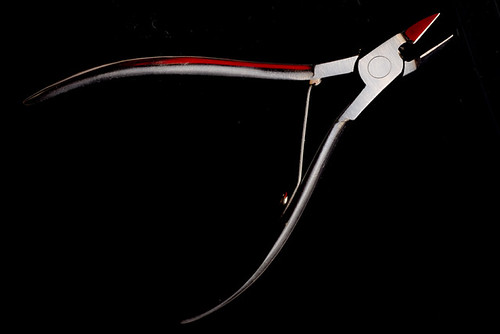
Ordinary clippers are not always suitable when nails are thick, curved, painful, or difficult to see clearly. Photo source
Routine toenail cutting can become unsafe when the person cannot see the nail edge clearly, cannot hold the clippers steadily, cannot reach the toes, or has nails that are thick, curved, brittle, painful, or pressing into shoes. The risk is not only a rough edge. It is cutting skin, leaving a sharp corner, missing an ingrown edge, or making walking more painful.
The NHS advises people not to cut down the edges of toenails and to seek help if a nail problem is severe, painful, not improving, or linked with diabetes. For families, the useful point is that painful or difficult nail problems are not always safe DIY jobs.
If ordinary clippers no longer work, do not keep forcing them. Thick nails often need controlled reduction and careful trimming, especially when the person has reduced sensation, poor circulation, or is anxious about pain.
When hard skin, corns, or cracked heels need more caution
Hard skin and corns can look simple, but they are usually a pressure problem. Cutting at hard skin, using sharp blades, or applying strong corn products can damage fragile skin, especially if the person has diabetes, poor circulation, reduced feeling, or older skin that marks easily.
The NHS describes corns and calluses as hard or thick skin linked with pressure and friction, and advises people not to cut them off themselves. If the area is painful, severe, not improving, or the person has diabetes, getting advice is safer than repeated self treatment.
For cracked heels, the concern rises when the cracks are deep, painful, bleeding, warm, red, or difficult to keep clean. In that situation, routine moisturising may not be enough and the skin needs checking before more filing or cutting is attempted.
Diabetes changes the safety threshold
Diabetes does not mean every foot problem is an emergency, but it does mean small injuries deserve more respect. Reduced feeling, circulation changes, infection risk, and slower healing can make DIY cutting, corn plasters, blades, or aggressive filing a poor choice.
Diabetes UK advises regular foot checks and warns people not to use blades or corn plasters. That makes safe daily foot care and early advice more important than trying one more product at home.
NICE says diabetes foot checks include skin colour, hard skin, inflammation, infection signs, feeling, pulses, footwear, and pressure risk. So if a person with diabetes needs nail cutting or hard skin help, the whole foot picture matters, not just the nail or corn that triggered the search.
Mobility, balance, and falls risk matter too
Foot care can become unsafe before the foot itself looks serious. If someone is balancing on the edge of a chair, twisting awkwardly, bending until they feel dizzy, holding their breath, or asking a carer to cut nails in poor light, the setup is already part of the risk.
Age UK notes that falls are a major concern in later life and that small home and health checks can reduce risk. For foot care, avoiding awkward bending and unsafe positions is a practical safety decision, not a luxury.
Falls guidance from the NHS also highlights balance, strength, vision, medication, and home hazards as part of prevention. That is relevant because a nail cutting task can become a fall risk when someone is unstable, rushing, or trying to work around pain.
Footwear can reveal why the problem keeps coming back
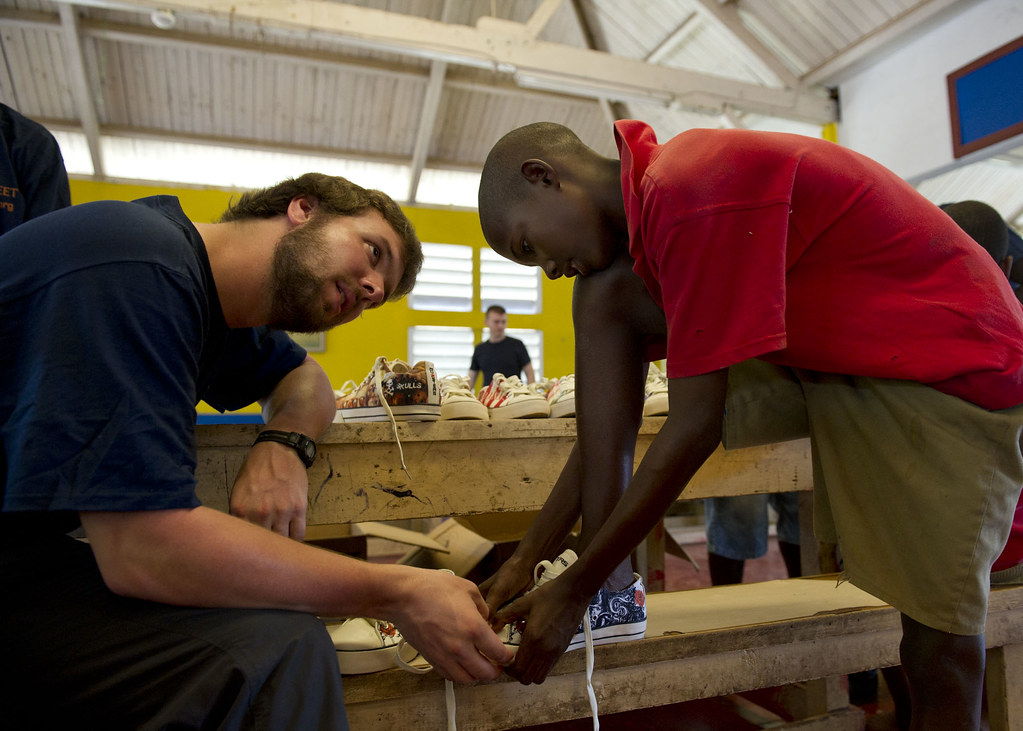
Shoes, slippers, and socks can reveal pressure marks that make nail, corn, or hard skin problems keep returning. Photo source
Families often focus on the nail, corn, or hard skin, but footwear can explain why pain returns. Shoes may be too tight, slippers may be loose, seams may rub, socks may leave deep marks, or a nail may press into the toe box every time the person walks.
The Royal College of Podiatry explains that ageing feet can have thinner skin, less cushioning, long nails pressing into shoes, and mobility changes. That makes footwear pressure and older skin worth checking together.
For arthritis, Versus Arthritis describes how foot and ankle problems can affect pain, walking, footwear, and daily activity. If foot care is difficult because joints are painful or shoes no longer fit well, the practical issue is comfort and function, not just neat nails.
When a carer should pause and ask for help
A carer or family member should pause if the person has diabetes, reduced feeling, poor circulation, fragile skin, blood thinner concerns, a wound, infection signs, sudden swelling, new severe pain, or a nail edge that looks embedded. They should also pause if the person is frightened, pulling away, confused, or unable to sit safely for care.
The Royal College of Podiatry advises professional help for foot problems and highlights when self care is not enough. In practical terms, painful hard skin or corns should not become a home cutting experiment.
Carers UK describes how caring tasks can affect carers physically and emotionally. If foot care is becoming stressful, risky, or a source of conflict, protecting the carer as well as the person receiving care is part of the decision.
What a sensible home visit can help with
A suitable home visit can make routine care calmer. The person can sit in their own chair, avoid difficult travel, and have nails, hard skin, corns, callus, or cracked heels assessed in the context of their shoes, mobility, and daily routine.
Age UK explains that foot care services for older people may be available in clinics, day centres, or at home for people who are housebound. That supports the key commercial point: access is often the problem that home foot care solves.
The NHS also advises looking after feet, checking them regularly, wearing suitable footwear, and seeking help for concerns. For an older adult or carer, regular foot care works best when it is safe and realistic, not when it depends on someone struggling once the problem is already painful.
Red flags that should come before routine foot care
Routine home foot care is not the right first step for every problem. Seek prompt medical advice if there is an open wound, spreading redness, heat, swelling, pus, bleeding that will not settle, sudden severe pain, a black or rapidly changing toe, fever, or a new diabetes related concern.
Circulation problems can also change the decision. The British Heart Foundation explains that poor circulation can be linked with coldness, numbness, colour change, pain, and sores. If those signs are present, the safer route is medical advice before routine trimming.
For the family, the simplest rule is this: if the foot looks infected, wounded, suddenly different, or medically worrying, do not book routine care as a substitute for clinical advice. Healthdirect gives a plain overview of foot problems and risk factors, Mayo Clinic explains why corn and callus self treatment needs extra caution when circulation or diabetes is involved, and NHS inform sets out diabetes foot issue warnings. Together, those sources support checking the whole foot rather than only the visible hard skin, being cautious with minor injuries when risk factors are present, and getting help promptly for diabetes related changes.
A practical decision guide for families
Home foot care is likely to make sense when the problem is routine but hard to manage safely: thick nails, long nails, hard skin, a recurring corn, cracked heels, awkward bending, reduced mobility, or a person who can no longer travel easily to a clinic.
It is more urgent to ask for clinical advice when there is broken skin, infection concern, severe pain, diabetes related change, sudden swelling, or a toe that has changed colour. It is also sensible to pause when the person cannot sit safely, cannot communicate pain clearly, or is too distressed for routine care.
If the issue is suitable for routine support, RMFC can provide mobile foot care at home in Surrey. The aim is practical comfort, safer maintenance, and a calmer route for families who no longer feel DIY care is the right answer.
Key Takeaways
- DIY foot care becomes risky when eyesight, reach, balance, sensation, diabetes, pain, or thick nails make safe self care difficult.
- Do not cut corns, calluses, or cracked skin at home, especially when skin is fragile or diabetes is involved.
- Home visit foot care can help when the problem is routine but travel or self care is no longer realistic.
- Wounds, infection signs, sudden colour change, or severe pain should be checked medically before routine foot care.
Home foot care is safest when it is used for the right problem. If nails, hard skin, corns, or cracked heels are routine but difficult to manage safely, a home visit can reduce strain and worry. If the foot is wounded, infected, suddenly painful, or medically concerning, get clinical advice first.
Need Professional Foot Care?
Book a home visit and get expert treatment without leaving your house