
Can't Cut Toenails After Hip Replacement
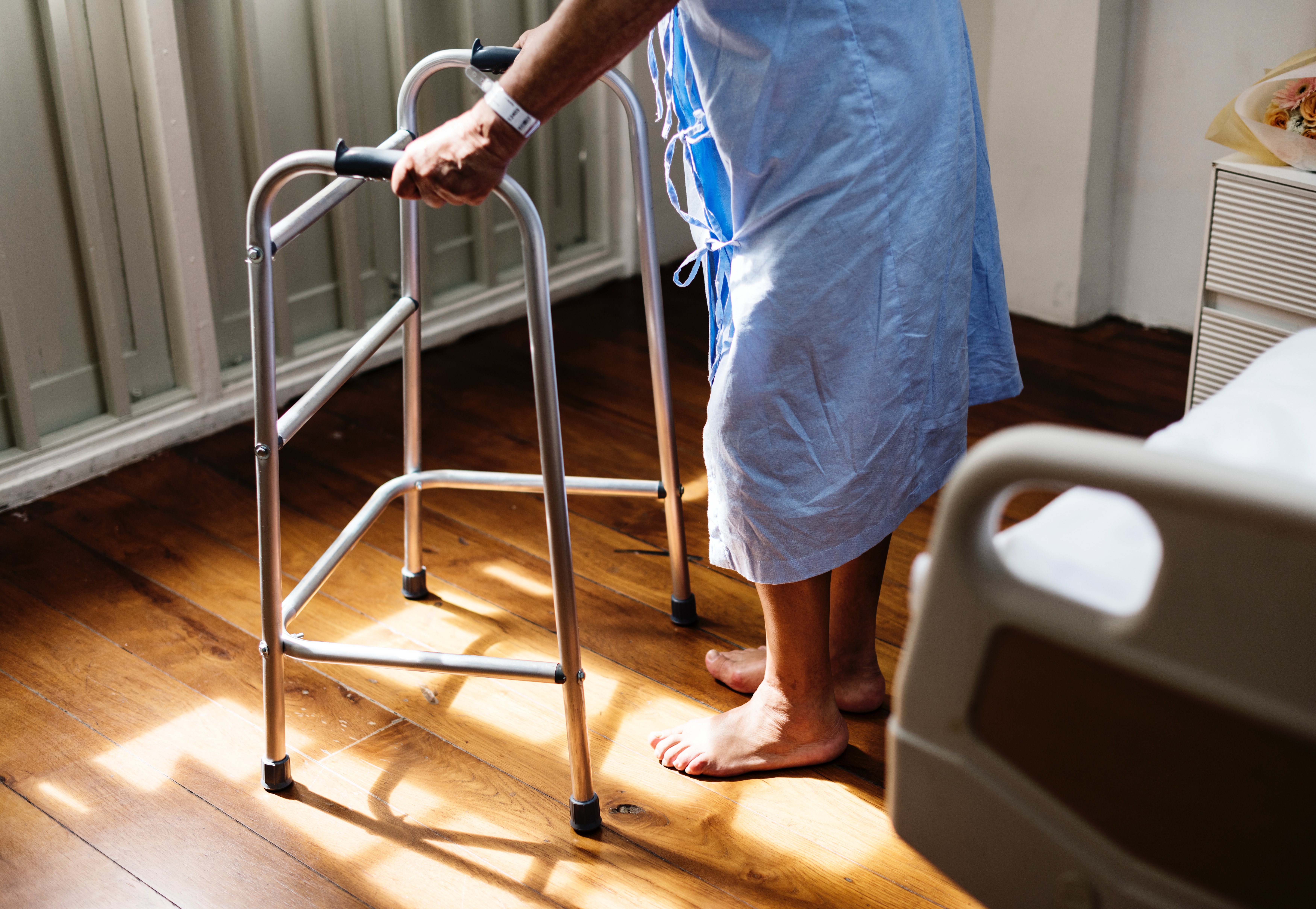
After hip replacement, the safest toenail plan is the one that avoids bending, twisting, and fall risk. Photo source
The practical search query this article answers is can't cut toenails after hip replacement. It is for an older adult, partner, adult child, or carer who has reached the awkward moment after surgery where the feet still need care, but bending, twisting, gripping clippers, or getting safely into position feels risky.
Why toenails become a real problem after surgery
Toenail cutting can look like a tiny job from the outside. After hip replacement, it can involve exactly the movements many people are trying to avoid: bending low, twisting the hip, balancing on one leg, pulling the foot up, or reaching past a walking frame. If the nail is thick, curved, or hard to see, the task can become unsafe very quickly.
NHS inform explains that people commonly need a walking aid for the first few weeks after hip replacement and follow exercises and recovery advice. Arthritis UK describes hip replacement as surgery that can improve pain and mobility, but recovery still takes active care and time. That is why foot care should fit around recovery, not force the person into a risky position.
For RMFC, this matters commercially because the person searching is often close to booking. They may be using terms like mobile foot care, toenail cutting at home, podiatrist at home, chiropodist at home, or home visit foot care because travelling to a clinic is not realistic yet.
Do not force the reach
If you cannot comfortably see the nail edge, control the clippers, and keep steady while seated, do not push through it. The risk is not only a badly cut nail. It is also a slip, a cut to the skin, a pulled movement that aggravates the hip, or a fall while trying to get into position.
NHS falls guidance says to take falls seriously, get help after injuries, and speak to a GP if balance or mobility is a worry. For this topic, the safer rule is simple: if the foot has to be dragged up, the body has to twist, or the person is holding their breath to reach, stop before the task becomes a falls risk.
When to ask the surgical team first
Routine nail care should not interfere with recovery advice. If the person has been given hip precautions, movement restrictions, wound care instructions, or physiotherapy guidance, follow those first. Ask the hospital team, GP, physiotherapist, or occupational therapist if you are unsure whether bending or using equipment is safe yet.
This is especially important if there has been a fall, sudden new hip pain, dizziness, swelling in the leg, signs of infection, or concern about the operation wound. Foot care is useful, but it should never distract from recovery red flags.
Warning signs around the foot or nail
Get medical advice before routine trimming if there is broken skin, bleeding, discharge, spreading redness, heat, swelling, severe pain, a new black area, a wound, or the toe looks infected. Do not dig into the sides of a nail, cut into corners you cannot see, or ask a nervous family member to just try.
Diabetes also changes the decision. Diabetes UK advises regular foot checks and extra care where sensation, circulation, wounds, or infection are a concern. NICE diabetic foot guidance supports clear escalation when the foot looks unwell. If diabetes, numbness, poor circulation, or a wound is involved, medical advice should come before routine cutting.
What helps at home while waiting
Keep the feet clean and dry, change socks daily, and choose shoes or slippers that do not press on the nail. If the nail is catching on socks and there are no warning signs, gentle filing may sometimes reduce a sharp edge, but only if the person can do it safely while seated and without twisting.
Living Made Easy focuses on practical aids that reduce barriers to independent living, and Carers UK highlights the need to arrange suitable support when someone needs help at home. Those ideas apply here. The goal is not to prove independence by cutting the nail at any cost. The goal is to keep the person steady, comfortable, and recovering safely.
When a home visit makes sense
A home visit can help when the problem is routine but hard to manage: long toenails, thick nails, reduced reach, poor eyesight, stiff hands, fear of falling, walking aids, or difficulty travelling soon after surgery. The appointment can focus on careful nail reduction, smoother edges, footwear comfort, and advice about what to watch for next.
Age UK notes that foot care in later life can help people who cannot manage their own feet, including toenail cutting support in some areas. For families, that can be reassuring. Needing toenail help at home after an operation is a practical support need, not a failure.
What to tell RMFC before booking
When enquiring, say when the hip replacement happened, whether any hip precautions are still in place, whether the person is using a walking frame or crutches, and whether they can sit comfortably with both feet supported. Also mention diabetes, blood thinning medication, numbness, poor circulation, wounds, swelling, redness, discharge, or severe pain.
If everything is stable and the issue is mainly reach, nail thickness, confidence, or travel, RMFC can provide calm home visit foot care in Surrey. If there are medical warning signs, the safest first step is GP, NHS 111, the surgical team, podiatry, or diabetes foot protection advice before routine trimming.
Key Takeaways
- Do not force toenail cutting after hip replacement if it means bending, twisting, or balancing unsafely.
- Follow surgical and physiotherapy advice before attempting foot care positions.
- Seek medical advice first for wounds, infection signs, severe pain, diabetes concerns, numbness, or poor circulation.
- Home visit foot care is appropriate when the nail issue is routine but reach, mobility, eyesight, grip, or travel is the barrier.
- Tell RMFC about the surgery date, mobility aids, health risks, and any foot warning signs before booking.
Toenail cutting after hip replacement is not just about nails. It is about recovery, balance, reach, and avoiding avoidable harm. If the nail looks stable but the task feels unsafe, a home visit can be the sensible next step.
Need Professional Foot Care?
Book a home visit and get expert treatment without leaving your house