
Why Hard Skin on Feet Keeps Coming Back
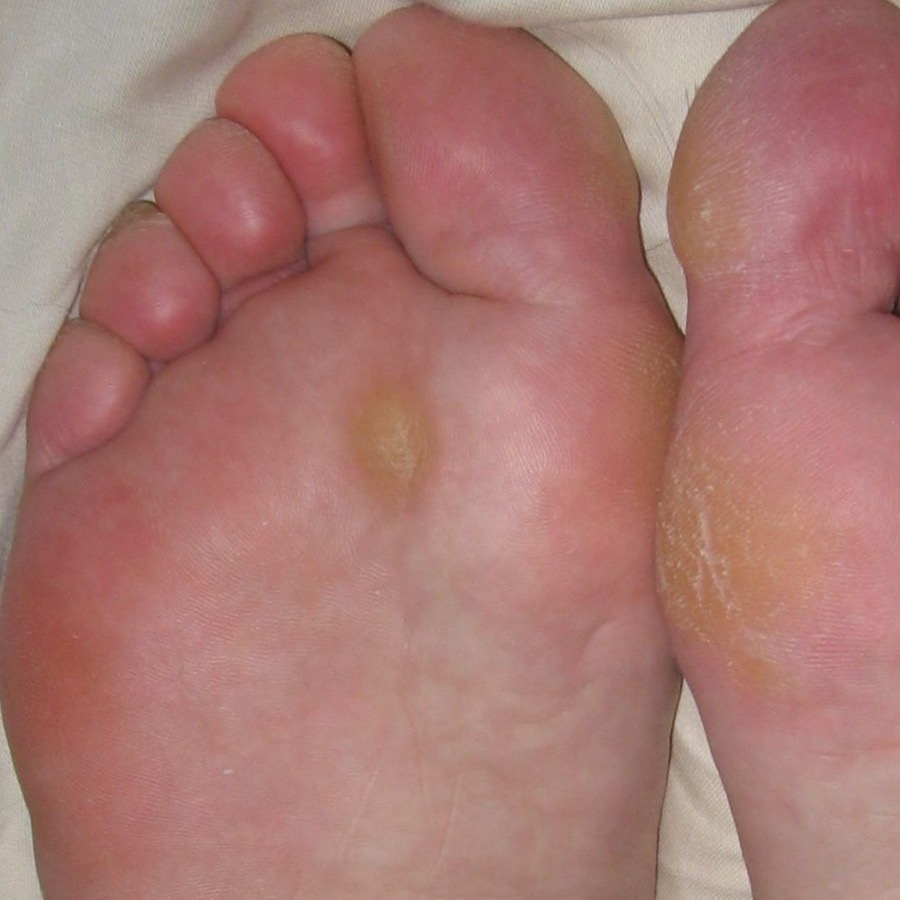
Hard skin usually returns when the pressure or rubbing that caused it is still there. Photo source
The practical search query this article answers is hard skin on feet keeps coming back. It is for someone who has filed, moisturised, changed socks, or tried shop bought products, only to find the same hard patch returning on the heel, ball of the foot, side of the toe, or under a painful pressure point.
Why hard skin keeps returning
Hard skin is usually the skin responding to repeated pressure or friction. That is why the same patch can come back even after it has been filed down. Specialist podiatry guidance explains that callus forms as a protective response when skin rubs against bone, shoes, or the ground, and that recurring hard skin can be linked to foot shape, walking style, footwear, or less fatty padding in older feet.
This is the most important thing to understand before buying another cream or file. If the pressure is still there, the skin has a reason to thicken again. Medical guidance describes corns and calluses as thick hardened layers of skin that develop when skin tries to protect itself from friction and pressure from repeated actions.
The patch is not always dangerous, and it is not a sign that someone has failed to look after their feet. It is a signal. The job is to work out what is causing the pressure, whether the skin can be managed safely at home, and when a foot care appointment is the more sensible next step.
Why filing alone often does not solve it
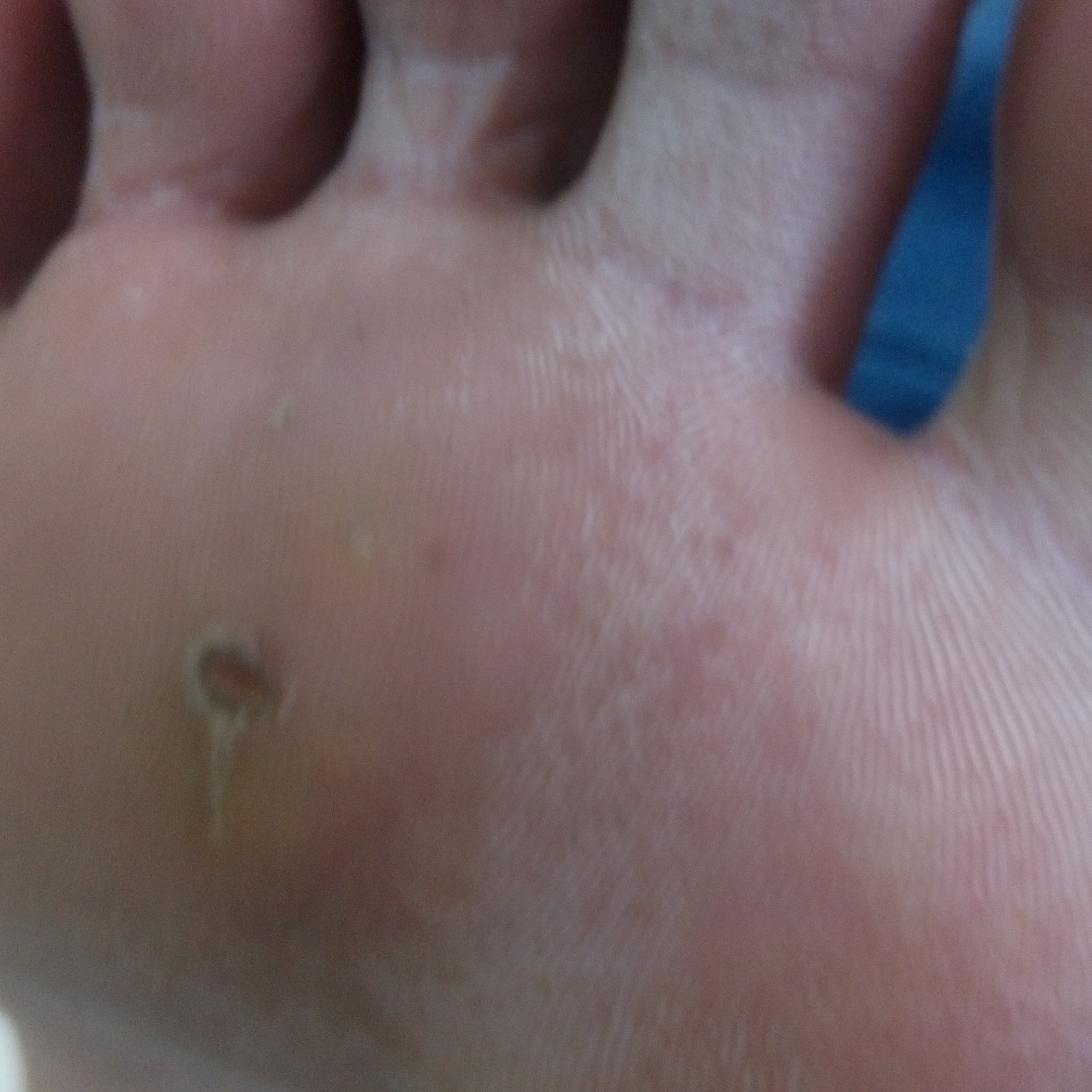
Filing can reduce the surface, but the pressure point still needs to be understood. Photo source
Gentle filing and moisturising can reduce roughness, but they do not remove the cause. NHS advice says corns and calluses can often be eased with comfortable shoes, cushioned socks, insoles, warm water, a foot file, and moisturiser, but it also says not to cut corns or calluses off yourself.
That distinction matters. Filing is surface management. Pressure relief is cause management. If the foot still slides in the shoe, the toe still rubs, the heel still bears extra pressure, or the person still stands for long periods, the skin is likely to build up again.
Practical UK patient guidance makes the same point: a callus often forms on the sole where weight is carried, while corns can form where shoes rub or where toe shape creates a pressure point. A painful corn or callus should be assessed by someone qualified to treat foot disorders, and people should not cut corns themselves, especially if they are elderly or have diabetes.
The pressure pattern matters
Where the hard skin appears gives useful clues. Hard skin under the ball of the foot can point towards pressure through the forefoot. A patch near the side of a toe can suggest shoe rubbing or toe shape. Heel hard skin may be linked to dry skin, open backed shoes, or the way weight lands when walking. General medical guidance notes that calluses often occur because of excess pressure from another problem, and that treating the underlying condition can help prevent calluses from returning.
This is why a home visit can be useful when the problem is recurring. The foot can be checked alongside the person’s usual shoes, slippers, socks, walking pattern, chair setup, and mobility limits. A clinic appointment can still be right for many people, but home context often explains why the same pressure point keeps coming back.
Hard skin can also become more common when feet change with age. Older adult foot health guidance notes that foot pain and disorders are common in older people and can make walking, stairs, meals, toileting, and balance harder. If a small pressure patch is changing how someone walks, it deserves attention.
When hard skin starts hurting
Hard skin is often easy to ignore until walking starts to hurt. Pain can mean the callus has become thick enough to press into sensitive tissue, or that there is a corn with a deeper central core. A corn can be painful if its deeper core presses on a nerve, and some long standing or neurovascular corns can be very painful or bleed if cut.
Do not treat pain as only cosmetic. Seek GP advice if a corn or callus bleeds, has pus or discharge, has not improved after three weeks of home treatment, or if the pain is severe or stopping normal activities.
A useful question is whether the person is changing their behaviour. Are they walking less, avoiding certain shoes, leaning away from one foot, stopping halfway through normal jobs, or refusing outings because the foot hurts? If yes, the hard skin is no longer just rough skin. It is affecting daily life.
When diabetes changes the answer
People with diabetes, reduced feeling, or broken skin should treat recurring hard skin more cautiously. Photo source
If diabetes, poor circulation, reduced feeling, heart disease, or immune problems are involved, do not manage recurring hard skin aggressively at home. People with diabetes, heart disease, or circulation problems should not try to treat corns and calluses themselves because foot problems can become more serious.
A diabetes foot check should include the skin, areas of hard skin, infection signs, foot shape, footwear, feeling, and blood flow. That is a broader check than simply smoothing a rough patch, and it explains why hard skin matters in a diabetes foot review.
Diabetes can reduce feeling and affect healing, so people may damage their feet without noticing. Warning signs include numbness, burning pain, swelling, cuts, wounds, sores that do not heal, and changes in skin condition. The safest approach is to get advice early when diabetes related foot changes appear.
For families, one useful simple rule is that people with diabetes should check feet every day, wear well fitting shoes, and not try to remove corns or calluses themselves.
What you can do safely at home
For lower risk feet, home care should be gentle. Use moisturiser on dry hard skin, but avoid putting cream between the toes where moisture can build up. Choose wide comfortable shoes that do not rub, cushioned socks without tight seams, and insoles or heel pads if they have been advised. Avoid blades, harsh cutting, and aggressive filing.
If the person is older, housebound, or struggling to reach their feet, the practical problem may be access rather than knowledge. Foot care can reduce pain and help older people stay active, and some services may be available at home if someone is housebound.
Carers and family members can help by checking shoes, socks, slippers, skin changes, and whether daily tasks are becoming difficult. A needs assessment can look at what support someone needs with daily living, and families can ask for help when care needs are affecting everyday life.
Why mobility can keep the cycle going
Recurring hard skin is not only about shoes. It can also be about how someone moves. A person with arthritis, Parkinson’s, balance problems, or reduced mobility may load one part of the foot more heavily without realising it. Gait changes, stiffness, and flat footed walking can affect foot pressure and lead to pressure problems over time.
That is why a recurring callus can be a useful clue. It may show where the foot is taking too much load. Removing the hard skin may make the foot more comfortable, but preventing quick return usually means looking at footwear, pressure, walking comfort, and how easy it is for the person to keep up routine care.
If pain, stiffness, or mobility changes are becoming a wider issue, routine foot care should sit alongside the right medical or therapy advice. Foot care can help comfort, but it should not be asked to solve a wider movement problem on its own.
How home visit foot care can help
A home visit can help when hard skin is recurrent, uncomfortable, difficult to manage safely, or linked to reduced mobility. The value is not just removing hard skin. It is checking where it is forming, what might be causing pressure, whether nails or corns are adding to the problem, and whether the person needs routine care, footwear advice, or medical input.
For RMFC patients in Surrey, this is often a practical route when travelling to a clinic is the reason care keeps being delayed. A visit can support callus reduction within scope, careful nail care where needed, advice on pressure and self care, and clear guidance on when a GP, NHS podiatry route, or urgent care is more appropriate.
If the hard skin keeps returning and is starting to affect walking, shoes, or confidence, booking a home visit with Rithik’s Mobile Foot Care can be a sensible next step. If there is diabetes with new skin damage, redness, swelling, discharge, heat, sudden pain, or reduced feeling, seek medical advice first.
Key Takeaways
- Hard skin usually comes back because pressure or rubbing is still happening in the same place.
- Filing and moisturising can help the surface, but footwear, foot shape, walking pattern, and mobility often drive recurrence.
- Do not cut corns or calluses yourself, especially if you are older, have diabetes, poor circulation, or reduced feeling.
- Pain that changes walking, shoes, sleep, or normal activities should be taken seriously.
- Home visit foot care can help when recurrent hard skin is difficult to manage safely or travel to a clinic is a barrier.
If hard skin on your feet keeps coming back, the useful question is not only what will remove it today. It is why that patch keeps forming. Once the pressure pattern, footwear, mobility, and risk level are clearer, you can choose safer home care, know when to stop DIY, and decide whether a home foot care visit would make routine relief easier to keep up.
Need Professional Foot Care?
Book a home visit and get expert treatment without leaving your house