
Hard Skin Cracking: When to Get Help
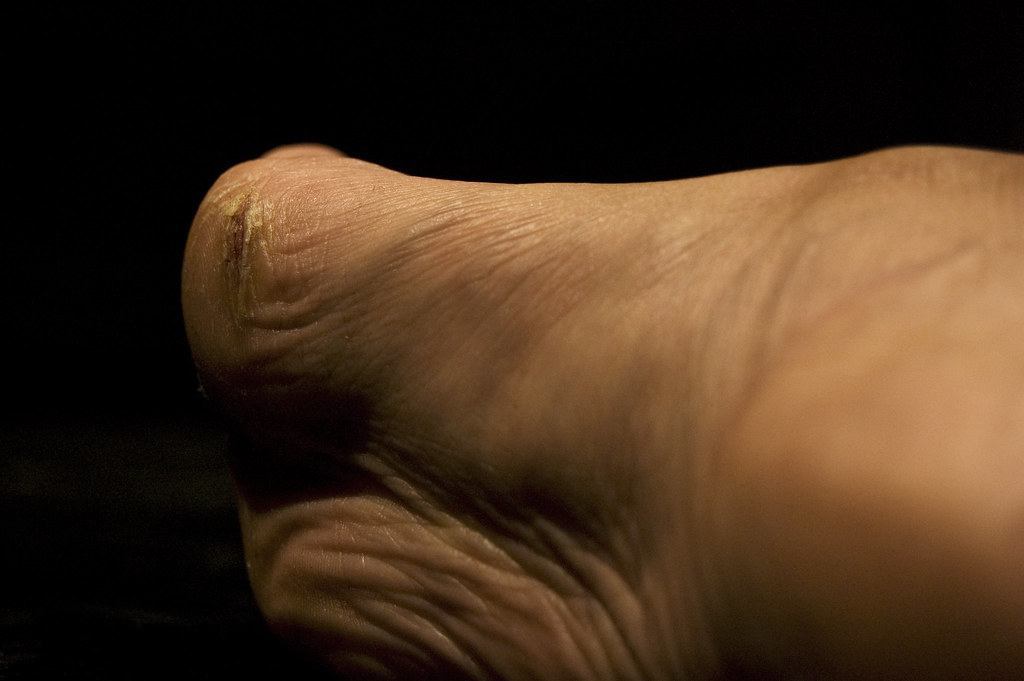
Dry heel skin can look mild at first, but the plan should change when it starts to split, bleed, or hurt. Photo source
The practical search query this article answers is hard skin cracking on heel. It is for someone whose heel skin has moved beyond ordinary dryness and is now splitting, catching on socks or bedding, hurting when walking, or worrying a carer. This article belongs to the pillar Corn, callus, cracked heel, and skin discomfort relief because the core problem is painful hard skin and cracked heel discomfort, not a general skincare routine.
Why hard skin starts to crack
Hard skin usually builds where the foot is under repeated pressure. Around the heel, that pressure can push dry thick skin outwards until it splits. DermNet describes cracked heel as a common problem where dry thickened skin around the rim of the heel can become painful when fissures get deep, especially when standing or walking puts pressure on the heel.
The first stage is often easy to miss. The heel feels rough, white, yellow, flaky, or ridged. Then it starts catching on socks, bedding, or slippers. After that, a narrow crack may open. If the person keeps walking on it, the split can become deeper and more painful.
This matters commercially for RMFC because the searcher is often past curiosity. They may have tried creams, files, heel balms, or shop bought removers, but the skin keeps returning or splitting. A mobile foot care visit can be attractive when pain, age, reduced mobility, or difficulty reaching the feet makes safe care at home hard to manage alone.
When ordinary dryness becomes a foot care problem
Dry skin alone is usually manageable with sensible moisturising and footwear changes. It becomes a foot care problem when the skin is thick, painful, repeatedly splitting, bleeding, or building up in a way the person cannot safely reduce. The question is not whether the heel looks tidy. The question is whether the skin is starting to affect walking, shoes, comfort, or safety.
The NHS explains that calluses are larger patches of rough thick skin, and warns older people and people with diabetes, circulation problems, or a weakened immune system not to try treating corns and calluses themselves because foot problems can become more serious. That caution applies strongly when hard heel skin is cracking or painful.
Mayo Clinic lists cracks that may bleed, painful or inflamed skin, open sores, and dry skin that persists despite self care among the reasons to seek professional advice, so persistent painful cracking should not be treated as normal dryness.
What not to do when the heel has split
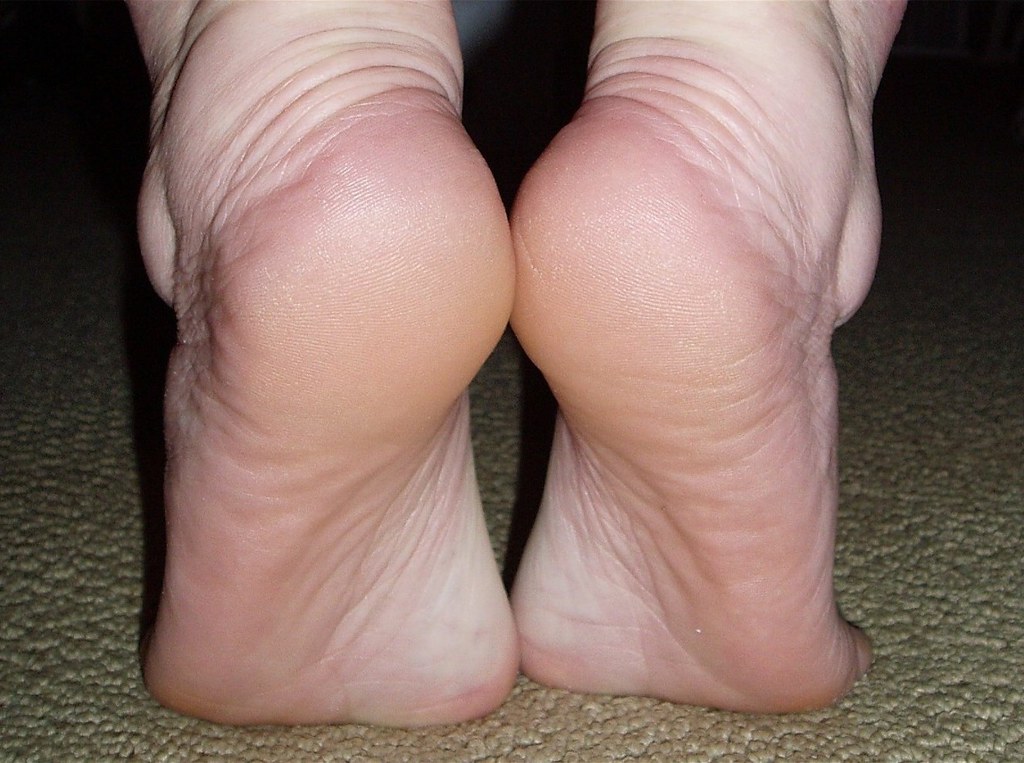
A split heel should be handled more cautiously than ordinary dry skin, especially if pain, bleeding, diabetes, or reduced feeling is involved. Photo source
Do not cut hard skin off with blades, scissors, craft knives, razors, or sharp callus tools. Do not dig into the edge of a split. Do not use strong acid products on broken skin. Do not keep filing until the heel feels sore. These approaches can turn a dry skin problem into a wound problem.
Shop bought products can be useful for mild hard skin, but they are not a safe answer for everyone. If the person is older, has diabetes, poor circulation, reduced feeling, fragile skin, or takes medication that increases bleeding risk, the safer route is usually a professional foot check before stronger treatment is attempted.
Footwear matters too. Open backed slippers or shoes can let the heel spread and rub, while tight shoes can increase local pressure. Versus Arthritis notes that comfortable footwear and foot care matter when pain or stiffness affects the feet, which supports the practical point that shoe comfort and pressure relief are part of managing sore feet.
Why diabetes changes the decision
Diabetes does not mean every patch of dry skin is an emergency, but it does mean cracks deserve more caution. Reduced feeling can make pain less reliable as a warning sign. Poorer circulation can make healing slower. A small split can also become harder to manage if it is missed, rubbed, or treated too aggressively.
Diabetes UK explains that nerve damage can mean a person damages their feet without noticing. The CDC gives a simple daily pattern: check the feet, look for sores, blisters, calluses, swelling, and nail changes, and ask for help if the person cannot see their feet, because small problems are easier to treat early.
NICE diabetic foot guidance also stresses organised pathways for preventing and managing diabetic foot problems, including foot protection services in the community, which is a useful reminder that diabetic foot risk should be matched to the right level of care. If a cracked heel is open, infected, worsening, or linked with numbness, medical advice should come before routine foot care.
What carers should look for first
If you are helping a parent, spouse, or relative, start with a calm look rather than a rushed treatment attempt. Check both heels, the sides of the feet, between the toes, and the soles if the person can lift the foot safely. Use good light. Look for redness, heat, swelling, bleeding, discharge, smell, a wound, sudden colour change, blackened skin, or a crack that is widening.
MedlinePlus explains that diabetes related nerve damage can reduce feeling, so a person may not notice a cut, blister, or ulcer. That makes regular inspection more important than waiting for pain, especially when the person cannot see the heel themselves.
Age UK describes foot care as support for older people who cannot manage their own feet, and notes that some local services may be available at home for people who are housebound. For families, that makes asking for practical foot care help a normal step when reaching, eyesight, grip, or mobility makes heel care difficult.
When to pause routine foot care
Routine hard skin or cracked heel care should wait if there is spreading redness, heat, swelling, pus, bleeding that keeps returning, a deep open split, a wound, sudden severe pain, fever, or a diabetic foot concern that feels new or worrying. The same is true if the foot has changed colour, feels unusually cold, or the person has new numbness.
In those situations, the right next step may be a GP, NHS 111, urgent care, a diabetic foot team, or podiatry route rather than a routine mobile foot care appointment. The Royal College of Podiatry route to find a podiatrist and the HCPC option to check a registered health professional can help where regulated podiatry is needed.
This is not meant to frighten anyone. It is simply a safety filter. A mobile foot care appointment is most useful when the problem is suitable for routine care, such as hard skin reduction, careful cracked heel support, comfort advice, or repeat maintenance, and when there are no warning signs that need medical review first.
What a home visit can help with
For suitable cases, home visit foot care can help by reducing thick hard skin carefully, checking whether the heel crack looks routine or more concerning, smoothing rough edges that catch, discussing moisturising habits, and spotting pressure points from slippers or shoes. It can also help when the person cannot bend, cannot see the heel clearly, or feels anxious using files and blades.
The practical benefit is access. The person does not need to travel to a clinic with a sore heel, and the carer does not have to improvise with sharp tools. The appointment can happen in a familiar room, with a stable chair, good light, enough space, and time to explain what has changed.
For Rithik's Mobile Foot Care, this is where the article connects to real service demand. Someone searching for cracked heel treatment at home, hard skin removal foot care at home, mobile foot care, chiropodist at home, podiatrist at home, or home visit foot care is usually looking for comfort, safer care, and a clear next step, not a lecture on skincare.
How to stop the same crack coming back
Once the heel is comfortable, the maintenance plan matters. Use moisturiser regularly, wear supportive shoes or slippers that do not rub, avoid walking barefoot on hard floors if that worsens dryness, and do not let hard skin build until it splits again. If the person cannot manage the heel themselves, planned repeat care is often better than waiting until it hurts.
If arthritis, poor eyesight, tremor, dementia, Parkinson's, diabetes, or reduced mobility is part of the reason the heel became hard to manage, treat that as part of the plan. The problem is not laziness. It is access, safety, and repeated pressure on skin that needs regular care.
A simple rule helps families decide: if the heel is just dry, gentle home care may be enough. If it is thick, painful, splitting, bleeding, repeatedly returning, or hard for the person to inspect, it is time to ask for help before the next crack gets deeper.
Key Takeaways
- Hard heel skin can split when dryness and pressure build around the heel edge.
- Do not cut hard skin or dig into a crack with sharp tools, especially if the person is older, diabetic, or has poor circulation.
- Pause routine foot care and seek medical advice if there is spreading redness, heat, swelling, discharge, bleeding, a wound, sudden colour change, or worrying diabetic foot change.
- Home visit foot care can help suitable hard skin and cracked heel problems when travel, bending, eyesight, or confidence makes self care difficult.
Hard skin that starts cracking is worth taking seriously before it becomes a deeper split. The aim is not perfect looking feet. It is comfortable walking, safer skin, and fewer rushed attempts with tools that can cause harm. If the heel is painful, catching, splitting, or difficult to manage safely at home, a calm foot care check can help decide what is sensible next.
Need Professional Foot Care?
Book a home visit and get expert treatment without leaving your house