
Gout Flare: When to Pause Foot Care
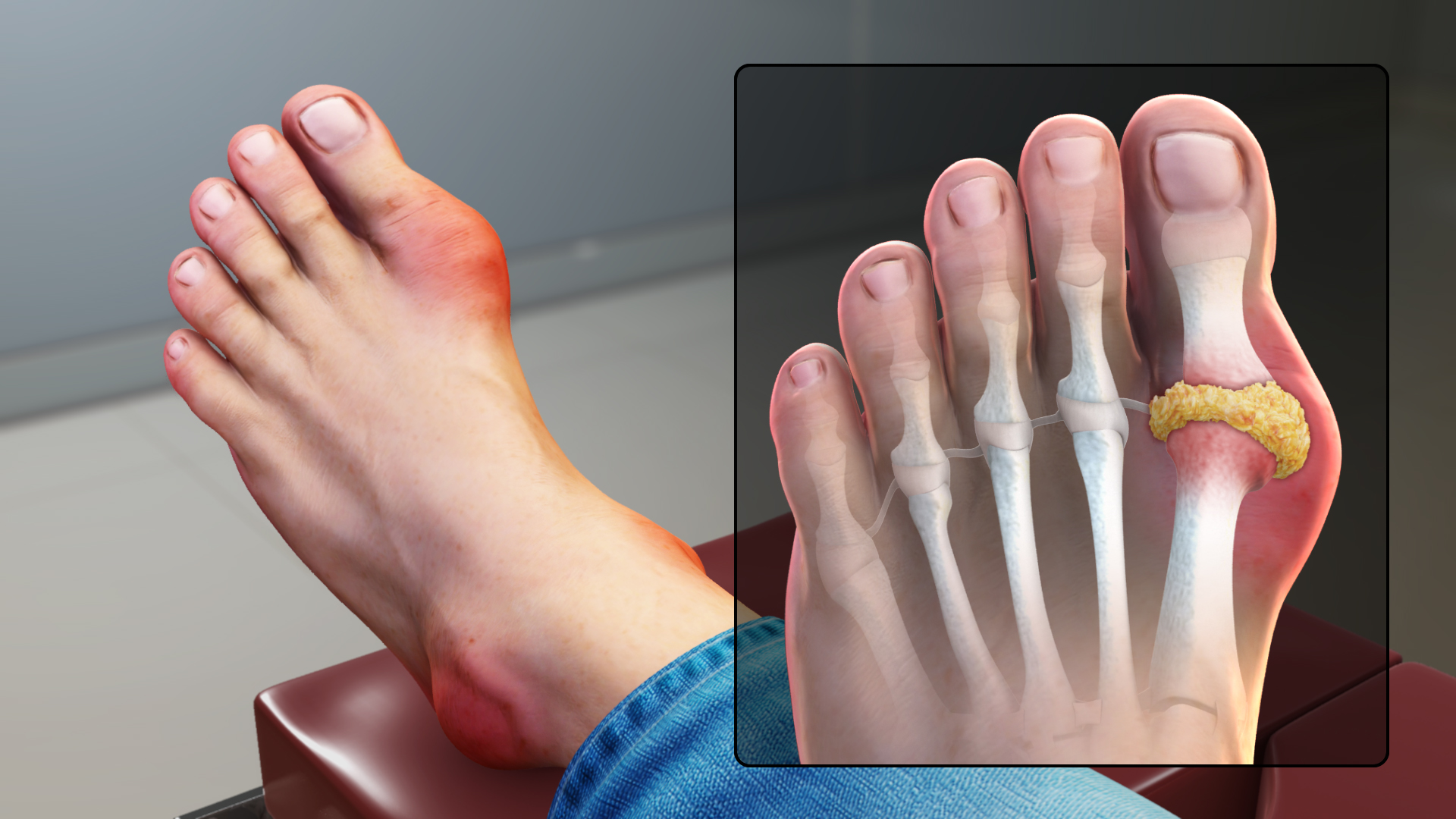
A gout flare can make the big toe hot, swollen, and extremely tender, which changes whether routine foot care should go ahead. Image source
The practical search query this article answers is foot care during gout flare. It is for an older adult, carer, or family member looking at a hot, swollen, very painful big toe and wondering whether to book home visit foot care, mobile foot care, a podiatrist at home, a chiropodist at home, or toenail cutting at home. This article belongs to the pillar Home visit foot care for older adults, diabetes, and reduced mobility because the safest answer depends on mobility, age, diabetes risk, and whether the problem is routine foot care or a medical flare.
What a gout flare can look like
Gout can appear suddenly and can be dramatic. The toe or foot may become intensely painful, hot, swollen, red, shiny, or too tender for a sock, shoe, bedsheet, or light touch. It often affects the big toe, but pain can also involve the foot, ankle, knee, wrist, elbow, or fingers.
The NHS describes gout as sudden severe joint pain, usually in the big toe, with hot swollen skin over the joint. It also says to see a GP if symptoms are happening for the first time or usual treatment is not helping, and to seek urgent help when sudden joint pain and swelling come with worsening pain, feverish symptoms, or feeling very unwell. That is why suspected gout should not be treated as ordinary hard skin or nail discomfort.
Mayo Clinic describes gout attacks as sudden episodes of intense pain, swelling, redness, and tenderness, often in the big toe. A useful practical detail is that the joint can feel so tender that even a bedsheet feels too heavy, which helps explain why routine foot handling may feel unbearable during a flare.
Should routine foot care go ahead
If the pain is new, severe, hot, swollen, worsening, linked with feverish symptoms, or not clearly explained, routine foot care should usually wait while the person seeks medical advice. That includes nail cutting, filing, corn work, callus reduction, massage, tight footwear checks that press on the toe, or anything that puts direct pressure on the painful joint.
Cleveland Clinic notes that gout attacks can develop overnight and may cause intense tenderness, swelling, warmth, and a feeling that the joint is on fire. That description matters because a mobile foot care visit is designed for routine skin and nail care, not for diagnosing or treating an acute inflammatory joint flare. If symptoms sound like a flare, medical assessment comes before routine foot care.
The Arthritis Foundation explains that gout is an inflammatory type of arthritis that can come and go and often causes sudden intense attacks of joint pain in the big toe. It can also be confused with other joint problems, so guessing from appearance alone is not a safe plan.
When carers should seek advice first
A carer should seek GP, pharmacist, urgent care, or NHS 111 advice before routine foot care if this is the first episode, the person is very distressed, the skin is hot or spreading in colour, the toe is too painful to touch, the person feels feverish, there is a wound, or the person has diabetes, poor circulation, reduced feeling, kidney disease, immune suppression, or a history of foot ulcers.
Diabetes is a separate safety flag. Diabetes UK warns that people with diabetes are more likely to develop serious foot problems such as ulcers or infections, and recommends regular checks. In practice, a painful swollen foot in diabetes deserves extra caution.
The CDC gives a plain explanation of why: nerve damage can make it harder to feel cuts, blisters, sores, and other foot problems. If feeling is reduced, a new painful or swollen area should be checked carefully, not hidden under socks or dismissed as routine nail trouble.
What to avoid during a flare
Avoid forcing shoes onto the painful foot, trimming nails while the toe is too tender to hold safely, using corn plasters or strong files on nearby hard skin, and pressing pads or dressings tightly around the joint. Do not try to cut out a corn or callus because the pain might not be from hard skin at all.
NICE gout guidance is aimed at diagnosis and management rather than home foot care, but it reinforces the point that gout needs proper assessment and treatment choices. A routine appointment should not become an attempt to manage a medical flare. Use medical guidance routes for gout decisions and keep routine foot care separate.
MedlinePlus also describes gout as painful swelling and inflammation caused by uric acid crystals. That helps families understand why a swollen toe joint is different from a long thick toenail or patch of hard skin.
What can help while waiting
While waiting for advice, keep the foot comfortable and protected. Use loose footwear or slippers only if they do not rub, keep bedding light over the toe, avoid long walks, and check the skin daily. If the person has been given gout medication by their clinician, follow that plan rather than replacing it with foot care.
Carers UK recognises that arranging care and support for someone can feel hard when needs change. A sudden painful foot problem is exactly the kind of moment where the family may need to pause, gather information, and choose the safest support.
Also think about fall risk. A person with a painful gout flare may limp, avoid shoes, or walk differently. RoSPA older people safety advice is a useful reminder that home safety matters, so clear trip hazards and avoid awkward foot care positions while the toe is painful.
Where RMFC can help
RMFC can help when the acute flare has settled, when the pain is not new or severe, or when the person needs routine nail and skin care because bending, eyesight, grip, diabetes checks, or travel make self care difficult. A home visit can make routine foot care calmer without asking an older adult to struggle to a clinic.
Home visit foot care may help with safe toenail cutting, thick nail reduction where appropriate, hard skin comfort, footwear observations, simple pressure advice, and deciding whether a concern needs GP or foot protection input. Versus Arthritis has patient information on gout for broader understanding, and using a trusted arthritis source alongside local foot care can help families make better decisions.
The key distinction is simple: RMFC can support routine foot comfort and mobility, but a new hot swollen painful joint needs medical advice first. Once that is clear, a home visit foot care plan can still help the person stay comfortable, avoid unsafe bending, and keep nails and skin manageable.
Key Takeaways
- A new hot swollen very painful big toe should be treated as a medical question before routine foot care.
- Routine nail cutting, filing, corn work, and pressure on the toe may need to wait during a suspected gout flare.
- Diabetes, poor circulation, reduced feeling, feverish symptoms, wounds, or worsening pain all lower the threshold for urgent advice.
- Home visit foot care can help after the acute flare settles or when the problem is routine nail and skin care rather than sudden joint inflammation.
If the foot looks like a sudden gout flare, pause routine foot care and get medical advice first. If the flare has settled and the main problem is safe toenail cutting, hard skin comfort, or difficulty travelling, RMFC home visit foot care can be a sensible next step for older adults, carers, and people with reduced mobility.
Need Professional Foot Care?
Book a home visit and get expert treatment without leaving your house