
Fungal Toenail Treatment at Home Guide
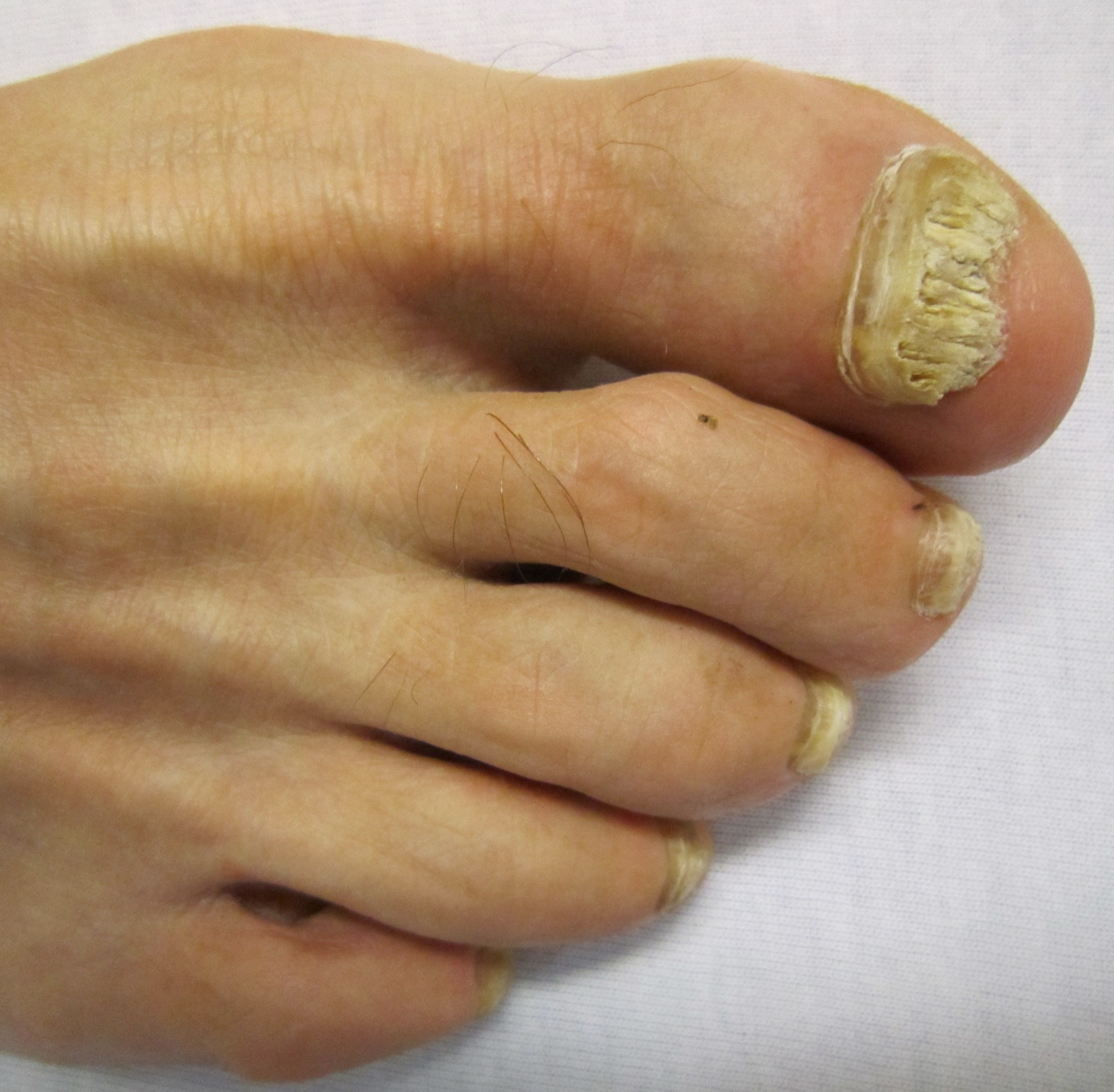
Fungal toenails can become thick, discoloured, crumbly, lifted, or difficult to cut safely. Photo source
Fungal toenail treatment at home is usually searched when a nail has become yellow, thick, crumbly, hard to cut, or embarrassing in sandals and the person is not sure what to do next. The practical search query this article answers is fungal toenail treatment at home. It is for the patient trying to avoid months of wasted treatment, and for the family member or carer wondering whether a home visit is safer than struggling with clippers.
What the search is really asking
Most people are not only asking which product to buy. They are asking whether the nail is actually fungal, whether it is safe to cut, how long treatment takes, and whether someone can help at home. That matters because fungal nail infection is slow. NHS guidance explains that the infection often starts at the edge of the nail, then can make the nail thicker, white or yellow, brittle, crumbly, lifted, swollen, or painful.
The same search can come from very different situations. One person has one yellow nail and no pain. Another has several thick nails that press into shoes. An older adult may not be able to see or reach the nail clearly. Someone with diabetes may be worried because even a small cut or sore area can matter more. A useful answer has to separate appearance, comfort, risk, and the practical problem of safe nail care.
For RMFC, the commercial fit is straightforward. Fungal looking nails often overlap with hard and thickened nails, toenails that are too difficult to cut, and home visit foot care for people who cannot comfortably travel to a clinic. The article should help readers choose the right route without promising a quick cure.
What a fungal toenail can look like
Fungal toenails can become thick, discoloured, crumbly, lifted, or difficult to cut safely. Photo source
A fungal toenail can look yellow, white, brown, thick, crumbly, rough, lifted, or distorted. It may be painless for a long time, then start rubbing inside shoes or catching on socks. NHS inform describes fungal nail infection as a slow developing problem where the nail can become white or yellow, easy to break, and thick.
It is common in later life, but it is not only an age problem. The British Association of Dermatologists notes that fungal nail infections are especially common in toenails and are seen more often in older people, people with diabetes, people with poor circulation, and people with weakened immune systems. Those risk factors change the threshold for getting advice.
There is also a practical clue people miss. Athlete's foot can spread towards toenails, so itchy, peeling, or split skin between the toes should not be ignored. DermNet describes fungal nail infection as more common in older adults and people with diabetes, and lists links with tinea pedis, psoriasis, peripheral vascular disease, and other nail or skin factors.
Why guessing can waste months

Testing may be needed before tablet treatment because several nail problems can look similar. Photo source
Not every thick or yellow toenail is fungal. Age related nail thickening, repeated shoe pressure, old injury, psoriasis, eczema, circulation problems, and other nail conditions can look similar. That is why a product can be used for months with little change if the starting assumption is wrong.
NICE guidance is clear that management depends on severity, symptoms, coexisting conditions, and confirmation of the infection. It also says onychomycosis can be difficult to eradicate and often recurs. That is a useful expectation reset, not a reason to ignore the problem.
Testing is sometimes part of the answer. The American Academy of Dermatology explains that nail fungus is usually diagnosed by looking at the nails and may be checked by sending nail clippings or scrapings to a laboratory. Testing is especially relevant before tablet treatment, because tablets are not suitable for everyone.
What treatment at home usually means
For a low risk person with an early or mild fungal nail, a pharmacist may suggest an antifungal nail medicine that is brushed onto the nail. NHS guidance says these medicines may need to be used for 6 to 12 months, and improvement is usually seen when healthy nail grows from the base.
Guy's and St Thomas' NHS guidance gives a similar practical timeline for amorolfine nail lacquer, advising that treatment for toenails may need to continue for 9 to 12 months. That long timeline is why stopping early is such a common reason people feel treatment has failed.
Home treatment does not mean aggressive home cutting. NICE self care advice includes keeping thick nails manageable and filed down, wearing well fitting non occlusive shoes, using absorbent socks, treating athlete's foot promptly, and avoiding sharing clippers. It also says tea tree oil is not recommended, which is important because many people try stronger home remedies when they feel impatient.
When a pharmacist, GP, or podiatrist fits
A pharmacist is often the first sensible step when the nail appearance is bothersome or mildly painful, and the person is otherwise low risk. A GP becomes more relevant if the infection is severe, has spread, treatment has not worked, the person has diabetes, or the immune system is weakened. NHS fungal nail guidance uses those same thresholds for when to see a GP.
Tablet treatment is a medical decision, not a shortcut. Patient.info explains that fungal nail infection is more common in people over 60 and in people with diabetes, poor circulation, or a weakened immune system, and that symptoms can eventually make walking uncomfortable. If tablets are considered, a GP may need nail testing and liver related checks.
A podiatrist or foot health professional may fit when the nail is thick, hard to manage, pressing in footwear, difficult to reach, or needs careful reduction and routine care. The Royal College of Podiatry explains that ageing feet can be affected by changes in skin, nails, circulation, padding, and arthritis, which is why practical foot care often matters as much as the fungal question.
Why older adults and diabetes need caution
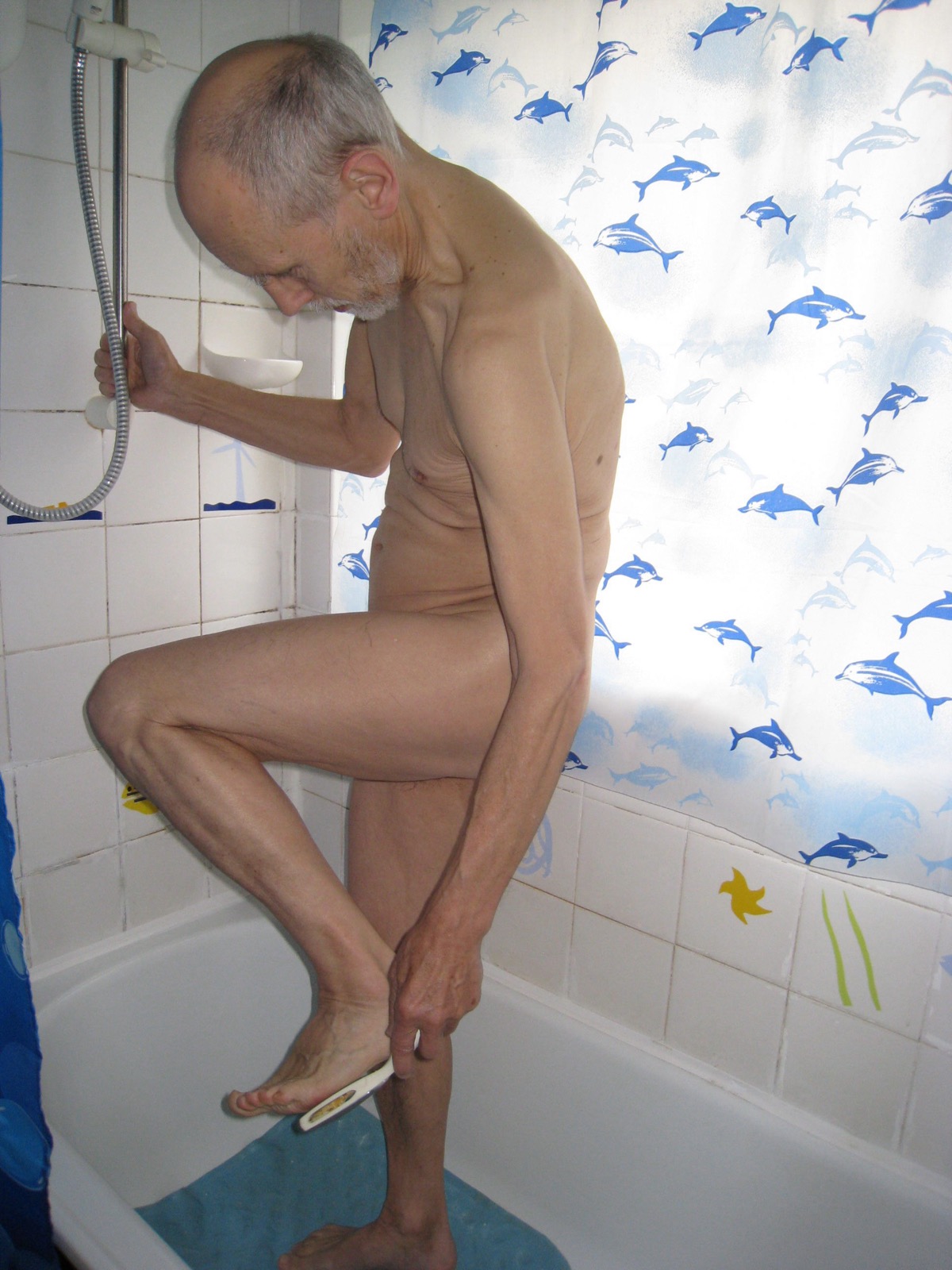
Safe foot care depends on clear vision, steady balance, and being able to reach the feet without strain. Photo source
Older adults often reach the problem later because the nail is hard to see, hard to reach, or embarrassing to mention. Age UK lists foot care and podiatry support as a service need for older people in some local areas, reflecting how routine foot care can become difficult when feet are no longer easy to manage alone.
Hand strength, arthritis, eyesight, balance, and bending all change nail care. Versus Arthritis advises using aids and avoiding strain where daily tasks are difficult, and that principle applies to awkward foot care too. If clippers need force, or the person is twisting to reach, the risk of cutting skin increases. Arthritis support information on daily living aids and managing practical tasks is a useful reminder that safer equipment and help can matter.
Diabetes changes the safety threshold. Diabetes UK explains that nerve damage can reduce feeling, and reduced blood supply can make cuts and sores heal less well. The CDC gives similar foot care advice for people with diabetes, including checking feet daily and asking a foot doctor to trim toenails if you cannot see, reach, or feel your feet well. If diabetes, numbness, poor circulation, broken skin, redness, swelling, heat, or discharge is involved, do not treat the nail as a simple cosmetic issue.
What a home visit can and cannot do
A home visit for fungal toenail care can help when the main practical problem is safe routine nail care. That may include assessing the nail, reducing thickened nail where appropriate, trimming safely, smoothing rough edges, checking for pressure points, giving prevention advice, and explaining when medical or podiatry referral is needed.
A home visit cannot honestly promise to cure fungal nail infection in one appointment. It can, however, make the nail more manageable, reduce catching and pressure, and help the person understand the next step. MedlinePlus notes that fungal nail infection is cured by the growth of new non infected nail and that even successful treatment can take up to a year for a new clear nail to grow. That is why comfort and ongoing care matter.
For someone with reduced mobility, a home visit also removes the travel barrier. If the patient cannot reach the nail, cannot cut it safely, or has a carer worried about doing damage, booking mobile foot care can be the practical bridge between doing nothing and attempting unsafe DIY.
Simple prevention that makes treatment more likely to work
Prevention is not glamorous, but it is the part that makes treatment more likely to hold. Keep feet clean and dry, change socks daily, rotate shoes where possible, avoid narrow toe boxes, avoid sharing clippers, treat athlete's foot promptly, and do not use the same file or clippers on healthy nails without cleaning them.
Sight can also affect safety. RNIB practical guidance for everyday tasks stresses adapting routines when vision changes, and foot care is one of the tasks where poor visibility can turn a small trim into a skin injury. If seeing the nail edge clearly is difficult, use a mirror, brighter light, or ask for help rather than cutting by feel. General sight loss support around safer daily living and practical adaptations is relevant when foot care has become guesswork.
The most useful rule is simple: treat the fungus environment as well as the nail. If feet stay warm and damp, if athlete's foot is untreated, or if thick nails keep pressing inside shoes, the problem is more likely to return. Fungal nail care at home is slow, but it works best when treatment, trimming, footwear, skin care, and risk checks all point in the same direction.
Key Takeaways
- Fungal looking toenails are often thick, yellow, crumbly, lifted, rough, or hard to cut, but not every thick nail is fungal.
- Pharmacy nail treatments can take many months, so expectations matter before starting.
- Diabetes, poor circulation, reduced feeling, broken skin, redness, swelling, heat, or discharge should lower the threshold for medical advice.
- Avoid digging, forceful clipping, harsh home remedies, and shared nail tools.
- A home visit can help with safe trimming, thick nail management, pressure checks, and knowing when GP or podiatry input is needed.
Fungal toenail treatment at home is not a quick fix, and it should not become a risky cutting job. Start by checking whether the nail looks fungal, whether there are risk factors, and whether the person can see and reach the nail safely. Pharmacy treatment, GP advice, podiatry support, and mobile foot care each have a place. If the nail is thick, awkward, painful in shoes, or difficult to manage safely, Rithik's Mobile Foot Care can help with calm home visit foot care and practical next steps.
Need Professional Foot Care?
Book a home visit and get expert treatment without leaving your house