
Foot Problems After Stroke: What to Check

After a stroke, routine foot care may need to fit around mobility, balance, hand use, and the support already in place at home. Photo source
The practical search query this article answers is foot problems after stroke. It is for someone who has had a stroke, or a family member or carer who has noticed new problems with walking, shoes, skin checks, toenails, or confidence getting out of the house. This article belongs to the pillar Home visit foot care for older adults, diabetes, and reduced mobility.
Why feet can become harder to manage after stroke
A stroke does not only affect the brain in an abstract way. It can change strength, balance, sensation, walking, tiredness, hand use, and confidence. That can make ordinary foot care harder, even when the person previously managed well. Reaching the feet may be difficult. Standing safely after a shower may be harder. Shoes may rub without the person noticing straight away. Toenails can become too long because clipping them now feels risky.
Stroke recovery is different for every person. The NHS explains that some people recover in days or weeks, while others need months or years and may need changes at home as part of recovery. A home recovery plan can include physiotherapy, exercises, equipment, and review, so new foot problems should be understood alongside the wider recovery plan, not treated as a separate nuisance.
The Stroke Association lists physical effects such as muscle weakness, foot drop, stiffness, sensation changes, fatigue, balance problems, and pain. In day to day terms, that means a foot may not lift as easily, a shoe may start catching, or the person may avoid looking after their feet because movement feels uncertain. The practical aim is to spot what has changed, then choose the safest route for that change.
Foot changes to check at home

Changes in walking, pressure, or sensation should be checked in the context of the person's wider recovery and support needs. Photo source
Start with what is visible and practical. Look for longer toenails, thickened nails, sharp corners, hard skin, corns, dry or cracked skin, swelling, redness, rubbing from shoes, pressure marks from socks, and any change in the way the person places the foot on the floor. If one side is affected by the stroke, compare both feet gently rather than assuming both sides are behaving the same.
Sensation changes matter because the person may not feel pressure in the usual way. The Stroke Association explains that numbness or reduced sensitivity can make it harder to notice pressure from tight clothes or shoes, which may rub and damage skin. That is why shoe marks, sock marks, and small sore patches deserve attention, especially on the affected side.
Foot drop is another important check. NHS guidance describes foot drop as difficulty lifting or moving the foot and toes, and notes that stroke can be one cause. It can increase the risk of tripping, so difficulty lifting the front of the foot should be discussed with a GP or stroke team, not simply managed by changing footwear.
For older adults, foot pain is not a small side issue. Health in Aging notes that foot pain can make it harder to get around and that one third of older adults have foot pain, stiffness, or aching feet. After a stroke, even mild foot discomfort can affect confidence, balance, and willingness to walk, so comfort and mobility should be considered together.
When to ask the stroke team or GP first
Routine foot care is not the right first step for every foot problem after stroke. Ask the stroke team, GP, NHS 111, or urgent care for advice first if there is sudden new weakness, a new change in walking, a fall, severe pain, spreading redness, heat, swelling, discharge, a wound, colour change, or a foot that looks very different from the other side.
NICE stroke rehabilitation guidance says people who need rehabilitation after stroke should receive support from specialist stroke services, and that stroke units should have access to services such as orthotics, podiatry, and wheelchair services where needed. That is a useful boundary: movement, brace, walking aid, or rehabilitation questions belong with the clinical team. Routine foot care can then fit around that plan.
Falls also change the priority. NHS advice says to get help if someone has fallen and may be injured or unwell, and to see a GP if you are worried about balance or mobility. If foot pain, footwear, foot drop, or nail discomfort is changing how someone walks, fall risk should be taken seriously before routine care continues.
Diabetes adds another safety layer. Diabetes UK advises daily foot checks, careful nail cutting, well fitting footwear, moisturising, avoiding blades and corn plasters, and getting expert advice. If feeling has been lost, help from a podiatrist or foot protection service may be needed. For a person who has had a stroke and also lives with diabetes, do not experiment with sharp tools or medicated corn products at home.
What safe routine foot care can include
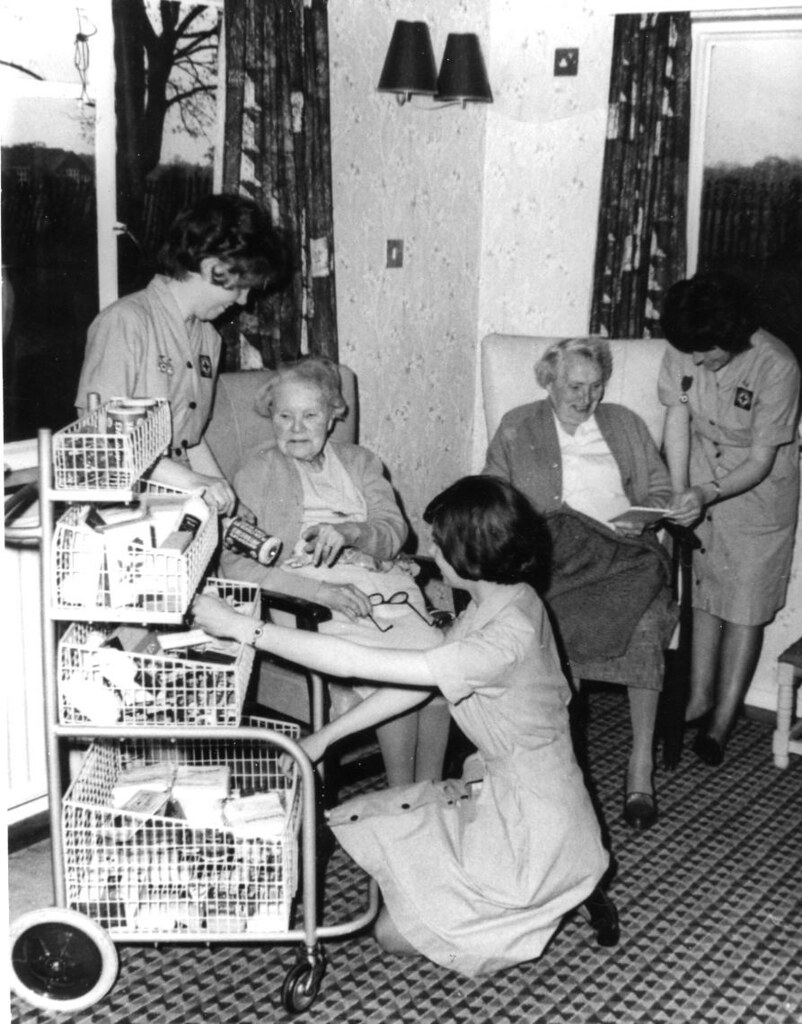
Practical support at home can make routine checks easier when recovery changes everyday movement. Photo source
Once urgent or rehabilitation concerns have been ruled out, routine foot care is about keeping the feet comfortable and reducing avoidable pressure. That may include trimming nails safely, reducing hard skin where appropriate, checking shoes and socks, moisturising dry skin, and noticing whether one foot is taking more pressure than before.
The Royal College of Podiatry's patient information covers common foot problems, diabetes, arthritis, and walking. The wider point for families is simple: feet affect comfort, walking, and independence, so routine care should not be left until nails are painful or skin is already breaking down.
Do not cut skin with blades, scissors, or razors. Do not dig into nail edges. Do not use strong corn plasters on fragile skin or feet with reduced sensation. If toenails are thick, curved, or hard to cut, forcing clippers can cause a cut, pain, or panic. A safer plan is to ask for help before the nail becomes urgent.
How carers can make foot checks easier
A carer or family member does not need to become a foot specialist. The most useful role is often noticing patterns: the same shoe causes rubbing, one sock leaves a deeper mark, the affected foot is harder to place flat, nails are catching on bedding, or the person has stopped wanting to go out because shoes hurt.
Carers UK explains that arranging care can feel hard when you do not know where to start, and points carers towards needs assessments, care at home options, and support planning. If foot care is part of a bigger change after stroke, it can be sensible to treat it as one part of the overall home support picture.
Home layout also matters. NHS home adaptation guidance explains that councils can assess the home and recommend equipment or changes such as rails, ramps, stair support, and other aids. If someone cannot safely reach the bathroom, sit to dry their feet, or move around the home, an occupational therapy or council assessment may make routine care safer.
Travel can be another barrier. GOV.UK explains that a Blue Badge application can be made for yourself, someone else, or an organisation. For some families, parking and access support may help with medical appointments. For routine foot care, a home visit may remove the travel problem altogether.
Where home visit foot care fits
Home visit foot care is not stroke rehabilitation, and it should not replace the GP, stroke team, physiotherapist, occupational therapist, podiatry service, or emergency advice when those are needed. Its role is narrower and practical: routine nail care, hard skin care, comfort checks, and helping the person maintain safer feet at home when travel or self care has become difficult.
For someone in Surrey who has had a stroke, that can be helpful when toenails are getting too long, shoes are uncomfortable, hard skin is building up, or a carer is worried about cutting nails safely. It can also help families keep a regular foot care routine in place, rather than waiting until discomfort affects walking or confidence.
Rithik's Mobile Foot Care can support routine home visit foot care where the foot is stable and the concern fits general foot care. If the foot problem suggests infection, a wound, sudden change, severe pain, diabetic risk, foot drop, or a rehabilitation issue, the safer route is medical or specialist advice first. That boundary protects the patient and makes the eventual foot care visit more useful.
Key Takeaways
- After a stroke, foot checks should include nails, skin, shoes, pressure marks, sensation, walking changes, and confidence moving around.
- New weakness, foot drop, wounds, infection signs, falls, severe pain, or sudden walking changes need medical or stroke team advice before routine foot care.
- Diabetes, reduced feeling, or poor circulation make DIY cutting, blades, and medicated corn products unsafe choices.
- Home visit foot care can help with routine comfort and maintenance when travel, balance, hand use, or reaching the feet is difficult.
- Family members and carers should connect foot care with the person's wider home support, equipment, mobility, and recovery plan.
The practical question behind foot problems after stroke is not just what the foot looks like. It is whether the person can walk safely, feel pressure, wear shoes comfortably, reach their feet, and keep up with routine care without harm. If anything looks urgent or linked to stroke recovery, ask the right clinical team first. If the concern is stable routine foot care at home, a mobile foot care visit can be a calm, practical next step.
Need Professional Foot Care?
Book a home visit and get expert treatment without leaving your house