
When Foot Pain Makes Leaving Home Hard
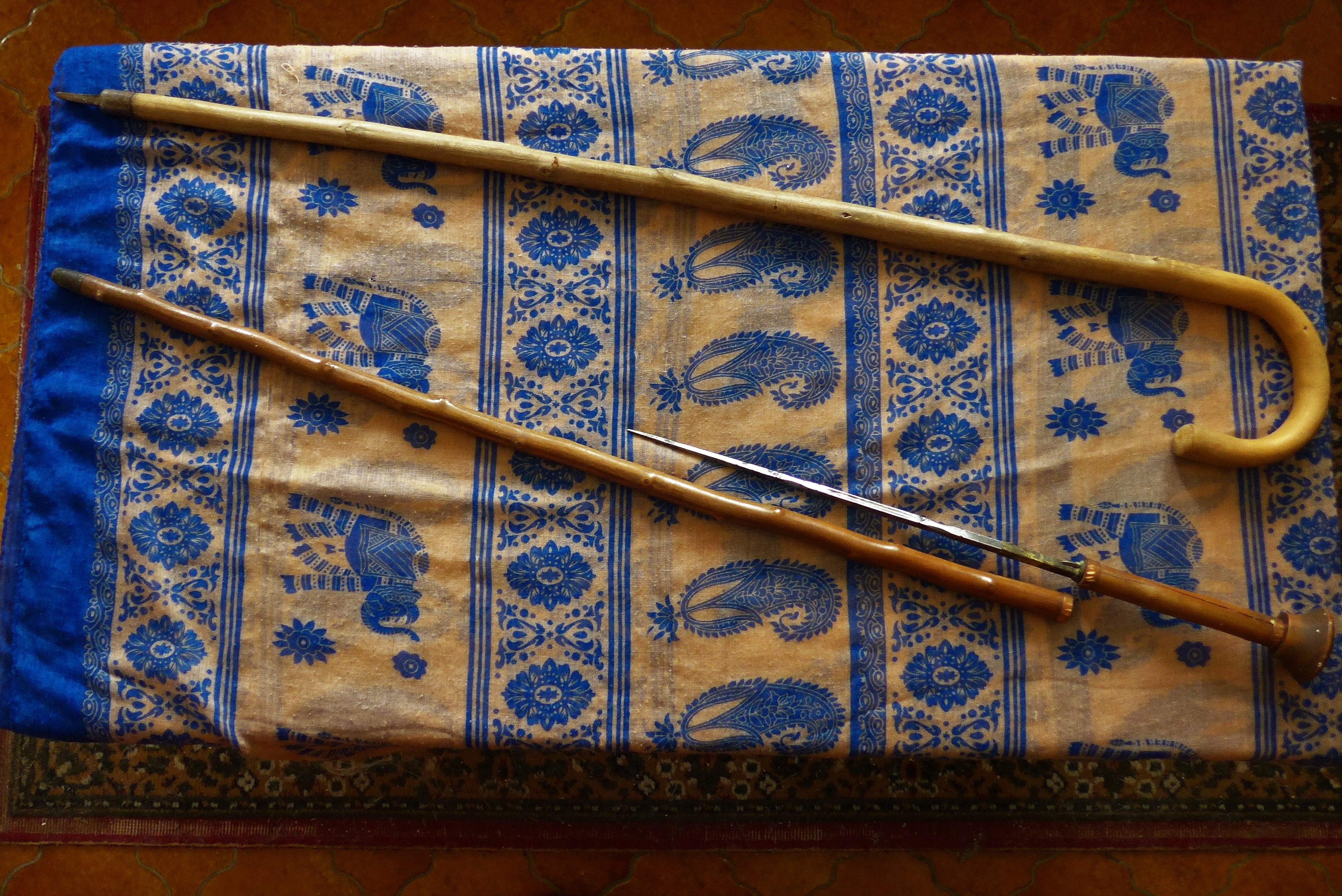
When foot pain affects walking, the journey out of the house can become part of the problem. Photo source
The practical search query this article answers is home visit foot care when foot pain makes leaving home hard. It is for an older adult, family member, carer, or person with reduced mobility who is trying to decide whether foot pain can be managed safely at home, whether it needs medical attention, and when a home visit foot care appointment is the sensible next step. This article belongs to the pillar Home visit foot care for older adults, diabetes, and reduced mobility.
Why foot pain changes the whole journey
Foot pain is not only about the sore part of the foot. It can change how someone stands up, walks to the bathroom, gets downstairs, puts shoes on, reaches the car, waits in a clinic, then gets home again. Health in Aging notes that foot pain in later life can make ordinary activities harder, including walking, stairs, getting out of a chair, preparing meals, and using the toilet. That is why a foot problem can quickly become a mobility problem.
The NHS foot pain guide starts with where the foot hurts, then helps people think about treatment and when to get medical help. For a family member, that is often the first decision. Is this a short term sore spot that can be watched carefully, or is pain now affecting safe movement and independence?
For RMFC, the commercial intent matters because the searcher is not browsing vaguely. Searches such as home visit foot care, mobile foot care, toenail cutting at home, chiropodist at home, and podiatrist at home often come from someone who has already hit a practical barrier. They want help that fits the person's home situation.
Problems that often make leaving home harder
The most common reason is not one dramatic diagnosis. It is usually a stack of smaller problems. Toenails may be long, thick, curved, or pressing into shoes. Corns and calluses may hurt when walking. Cracked heel skin may catch on socks. A bunion, swollen toe, or sore area under the ball of the foot may make shoes feel tighter than usual.
The NHS explains that corns can be tender or painful and calluses are thicker patches of rough skin. It also warns older people, people with diabetes, circulation problems, or weakened immunity not to treat corns and calluses themselves. That warning matters when someone is tempted to cut hard skin at home because getting out feels too much.
Arthritis UK describes the foot and ankle as complex, hard-working areas with many joints, soft tissues, nerves, and blood vessels. It also notes that worsening or long lasting pain may need more thought than simple self care. In practice, pain with walking should not be brushed aside as just old age.
When home care is reasonable and when it is not
Some home steps are sensible when the problem is mild and the skin is intact. Keep feet clean and dry, change socks, use footwear that does not press, avoid long periods of standing if that makes pain worse, and do not cut into corners or hard skin. Well fitting, supportive shoes and regular foot checks are sensible basics, especially where diabetes is involved.
Common foot problems often involve pressure, footwear, ageing, skin thickening, bunions, warts, and other everyday causes. That supports a practical rule for families. If the pain seems linked to pressure or footwear, reducing pressure may help, but it should not replace proper assessment when pain persists or walking is uncomfortable.
Mayo Clinic's foot pain guidance is clear that immediate medical help is needed for serious pain or swelling after injury, open wounds, signs of infection, inability to walk or put weight on the foot, or a diabetes related wound that is not healing or looks swollen, warm, red, purple, or brown. If any of those signs are present, routine foot care should wait.
Why diabetes or numbness raises caution
Diabetes changes the decision because small skin breaks can become more serious. Diabetes UK advises daily foot checks, careful nail cutting, well fitting footwear, moisturising, avoiding blades or corn plasters, and speaking to the healthcare team if feeling in the feet is reduced. That is directly relevant when foot pain is making travel difficult, because delay can become risky if there is a wound or infection sign.
NICE diabetic foot guidance sets out the importance of foot protection services and multidisciplinary care when diabetic foot problems need specialist management. The family version of that message is simple. If diabetes is involved and there is a wound, spreading redness, heat, swelling, discharge, sudden colour change, severe pain, numbness, or a new area that looks worrying, medical advice should come before routine trimming or hard skin care.
A home visit can still be appropriate for stable routine care, such as careful nail reduction, thick nail support, callus care, and comfort checks. The boundary is that home visit foot care should not delay GP, NHS 111, urgent care, podiatry, or diabetes foot protection advice when the foot looks medically unwell.
How to decide whether a home visit makes sense
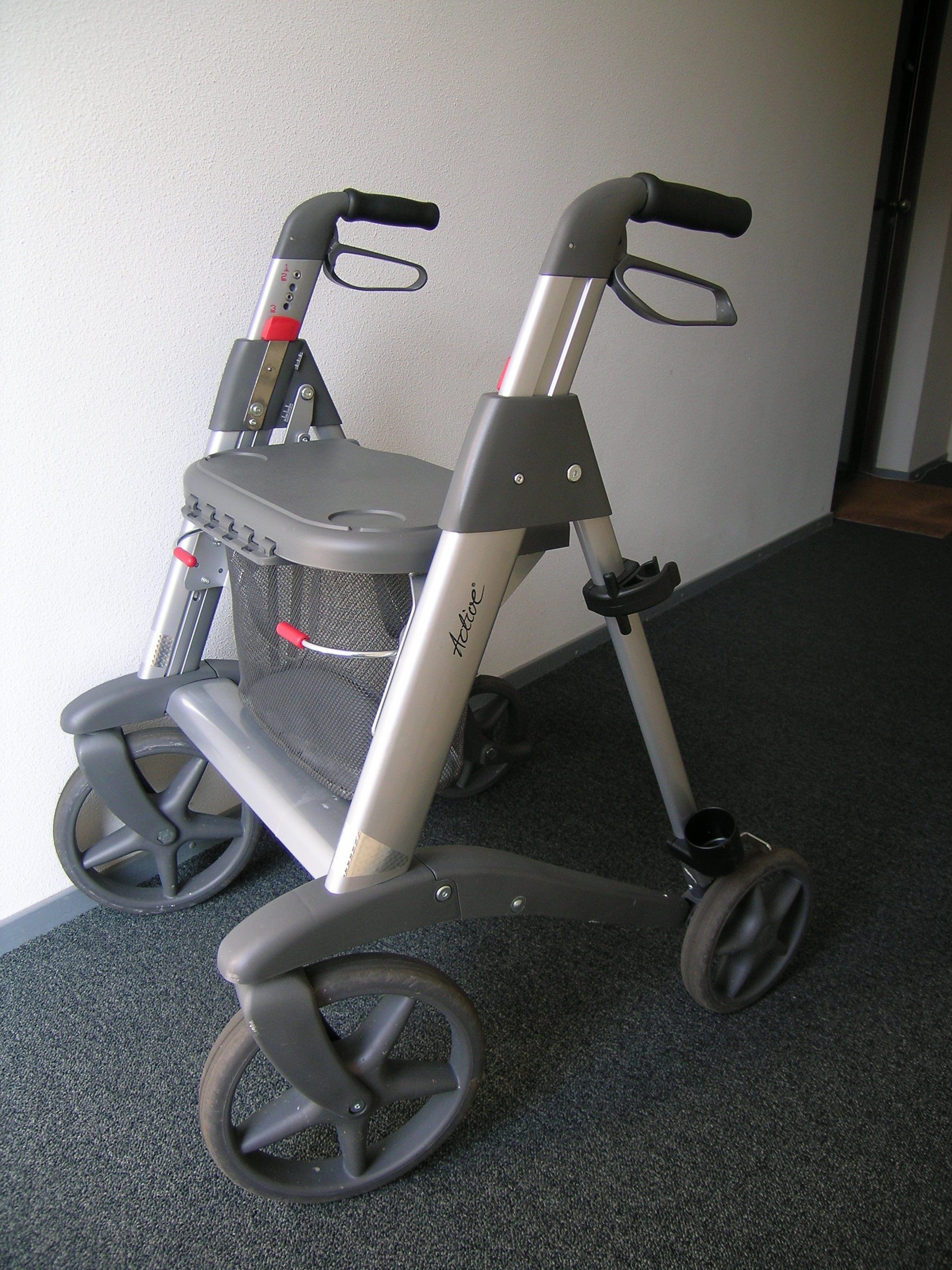
Mobility aids are a useful clue that foot care should be planned around safety, not forced around travel. Photo source
A home visit makes sense when the foot problem is real, but the barrier is access. That may mean pain when walking to the car, difficulty managing stairs, poor balance, fear of falling, reduced reach, poor eyesight, stiff hands, fatigue, dementia, recent illness, or a carer who is worried about cutting nails safely.
Age UK says foot care in later life can reduce pain, infection risk, and falls risk, and that foot care services may help older people who cannot manage their own feet. It also notes that some services may be accessed at home if someone is housebound. That is the same practical gap home visit foot care can fill when clinic travel is the barrier.
For carers and family members, the starting point is to write down what has changed: where the pain is, how long it has been there, whether walking has changed, whether shoes still fit, and whether there are care decisions that need to be made for a loved one.
What to check before booking
Before booking home visit foot care, look at both feet in good light if it is safe to do so. Check the nails, between the toes, heels, soles, and pressure areas around shoes. Do not force the person into a painful position to inspect the feet. If they cannot lift the foot safely, that is useful information in itself.
Falls risk also matters. NHS falls advice says to get help after a fall if there may be pain, injury, or feeling unwell, and to speak to a GP if balance or mobility is a worry. The National Institute on Aging also points out that many falls happen at home and that clear walkways, secure handrails, and better lighting can reduce risk. If foot pain is making someone shuffle, rush, or avoid walking, the foot care plan should fit around home safety.
Tell RMFC about diabetes, blood thinning medication, numbness, poor circulation, wounds, swelling, redness, discharge, recent falls, severe pain, and whether the person can sit comfortably with both feet supported. Also say whether the aim is toenail cutting at home, thick nail care, corn or callus relief, cracked heel support, or general mobile foot care.
What a calm home visit can help with
A home visit can be useful when the person needs careful routine care but cannot manage it safely alone. This may include toenails that have become too long, thick nails that ordinary clippers cannot control, painful pressure from hard skin, corns or callus that make walking uncomfortable, or heel skin that needs careful maintenance.
The visit should be practical rather than dramatic. The aim is to reduce avoidable discomfort, help shoes feel less pressured, smooth nail edges where appropriate, spot signs that need medical input, and give the family a clearer next step. For many older adults, the value is also emotional. They do not have to struggle, hide the problem, or feel embarrassed that a small task has become hard.
This is where home visit foot care is commercially important for RMFC. A person searching for mobile foot care in Surrey is often trying to remove the travel barrier first. If the pain is stable and within routine foot care scope, RMFC can bring care to the home. If the signs suggest something medical, the safest advice is to pause and use the right healthcare route first.
Key Takeaways
- Foot pain can affect walking, stairs, confidence, and independence, not just comfort.
- Do not cut hard skin, dig at nails, or force a painful reach when the person is older, diabetic, unsteady, or unable to see clearly.
- Seek medical advice first for wounds, spreading redness, heat, swelling, discharge, severe pain, sudden colour change, inability to walk, diabetes concerns, numbness, or poor circulation.
- A home visit makes sense when the problem is routine but travel, balance, reach, eyesight, grip, or confidence is the main barrier.
- Tell RMFC what has changed, what health risks are present, and what daily activities foot pain is affecting.
When foot pain makes leaving home hard, the safest next step is not always to push through the journey. First check for warning signs, then decide whether the problem needs medical advice or practical routine foot care. If the foot looks stable but walking, travel, bending, or confidence is the barrier, home visit foot care can be a calm and sensible way to get help without making the day harder than it needs to be.
Need Professional Foot Care?
Book a home visit and get expert treatment without leaving your house