
Foot Health Practitioner at Home: What to Check
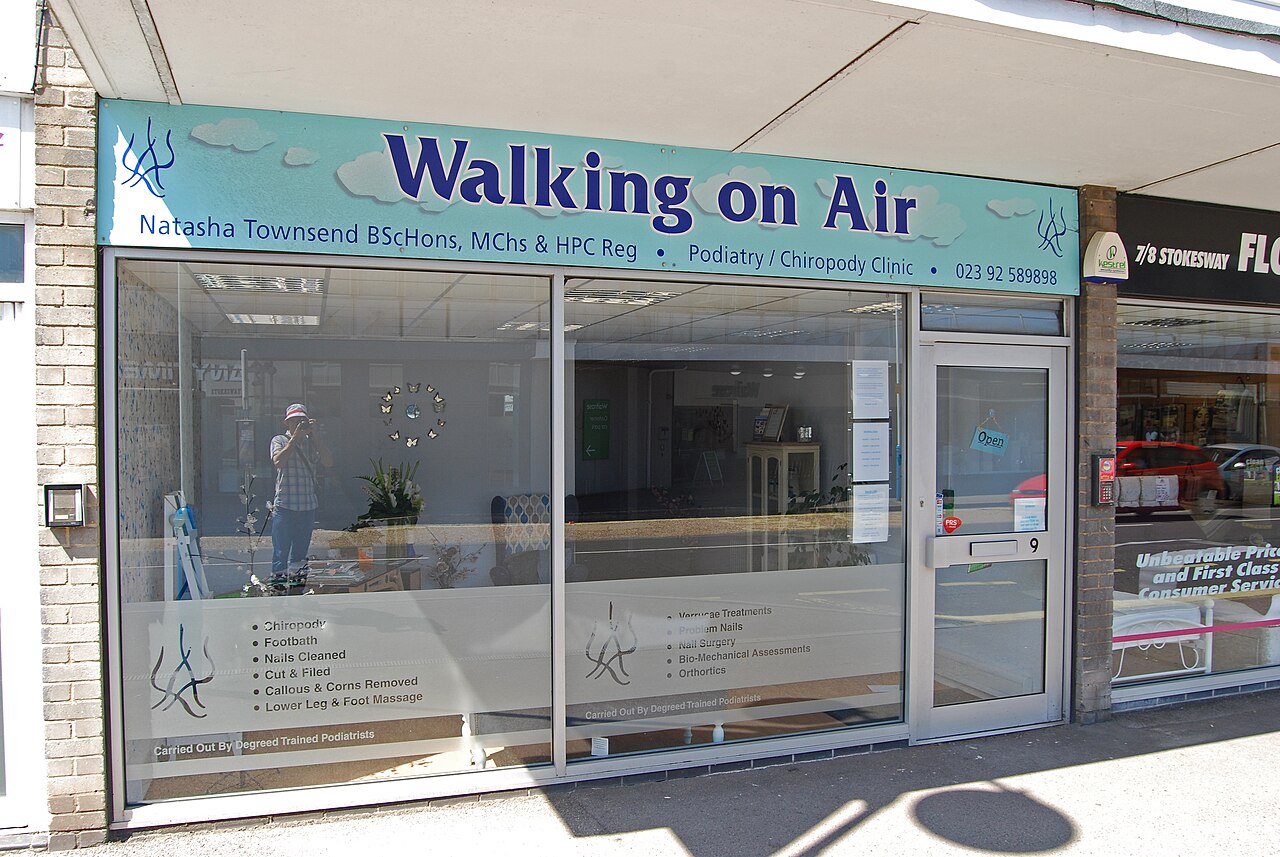
When travel is the barrier, families often compare clinic care with a foot health practitioner at home. Photo source
The practical search query this article answers is mobile foot health practitioner near me. It is for an older adult, carer, or family member who can see that feet need attention but is not sure whether to book a foot health practitioner at home, mobile foot care, a podiatrist, or ordinary nail cutting support. This article belongs to the pillar Home visit foot care for older adults, diabetes, and reduced mobility.
Why this search usually means someone is close to booking
People rarely search for a mobile foot health practitioner out of curiosity. The usual problem is practical and immediate: nails have become too hard to cut, shoes feel tight, hard skin is uncomfortable, travel to a clinic is difficult, or a parent is putting off care because getting out of the house feels too much.
That matters commercially for Rithik's Mobile Foot Care because the searcher is often comparing local options now. They may also be using nearby phrases such as home visit foot care, mobile foot care, podiatrist at home, chiropodist at home, or toenail cutting at home. The page needs to help them make a safe choice without turning a routine comfort issue into a confusing medical decision.
A useful starting point is to separate access from risk. If the person mainly cannot travel, home visit foot care may solve the access problem. If there are wounds, spreading redness, heat, swelling, discharge, sudden pain, or a diabetes related change, the first step may need to be medical advice rather than routine care.
What a foot health practitioner can usually help with
A foot health practitioner is commonly approached for routine foot comfort and maintenance, especially when someone cannot manage safely alone. That may include toenail cutting, thick or difficult nails within routine scope, hard skin, corns, callus, basic skin checks, footwear observations, and advice about everyday foot care.
NHS England's foot health workforce standards explain that foot health practitioners and support workers can form part of the wider foot care workforce, with clear roles and safe limits for the treatments they can perform. The helpful point for families is that a practitioner should know their role, work within training, and recognise when a problem needs podiatry, GP, or urgent medical input. That is why clear foot health workforce standards matter.
For the person booking, the question is not only what can be done. It is what should be done safely in this person's home, with this medical history, this level of mobility, and these current symptoms.
How this differs from podiatry
In the UK, podiatrist and chiropodist are protected professional titles. The HCPC keeps a register of health and care professionals who meet standards for training, professional skills, behaviour, and health. If someone says they are a podiatrist or chiropodist, you can use the HCPC register check to confirm that registration.
Foot health practitioner is different language. It can still describe useful routine care, but families should not assume it means the same thing as HCPC registered podiatry. This matters most when the person has diabetes, poor circulation, ulcers, infection signs, complex wounds, or severe pain.
A good practitioner will not be offended by sensible questions. Ask about training, insurance, infection control, what they do and do not treat, how they handle diabetes or circulation concerns, and when they would refer onward. Clear boundaries are a safety feature, not a weakness.
When home care is the safer route

Routine foot care still needs the right tools, clean practice, and clear limits when it happens at home. Photo source
Home care can be the safer route when the foot problem is routine but the journey is not. An older adult may struggle with stairs, transfers, transport, clinic waiting, fatigue, anxiety, or shoes that hurt before the appointment even begins.
Age UK notes that good foot care in later life can reduce pain, reduce infection risk, and lower falls risk, and that some services can be provided at home if someone is housebound. That is the practical reason home visit foot care exists: it brings routine support to the person instead of making the person fight the route to care.
Before booking, describe the real access problem. Say whether the person is upstairs, housebound, living with dementia, recovering from surgery, using a frame, anxious about pain, or unable to sit in a low chair. These details help the practitioner decide whether the visit is suitable and how to make it calmer.
Diabetes changes the decision
Diabetes does not automatically mean every routine foot care visit is impossible, but it does raise the safety threshold. Diabetes UK explains that diabetes can make foot problems serious because nerve damage can reduce feeling and blood supply problems can affect healing. Regular checks help prevent problems, and people who have lost feeling may need help from a podiatrist or foot protection service. That is why diabetes foot care advice should be taken seriously.
NICE says adults with diabetes should have a foot check when diabetes is diagnosed and at least once a year after that, and also if they think they have a foot problem. A proper check looks at skin changes, ulcers, sores, hard skin, inflammation or infection, foot shape, footwear, feeling, and pulses. Families should treat those regular diabetes foot checks as a baseline, not an optional extra.
If there is diabetes plus a wound, discharge, spreading redness, heat, swelling, colour change, sudden pain, or a new area of broken skin, do not book ordinary nail cutting as the first response. Seek appropriate medical advice through the GP, NHS services, or urgent care route.
Questions to ask before booking
Ask five simple questions before you book. What training do you have? Are you insured? What do you treat at home? What would make you stop and refer onward? What information do you need about diabetes, medication, circulation, allergies, or previous foot problems?
It is also reasonable to ask about hygiene and visit setup. The practitioner should use clean equipment, explain what will happen, check comfort, avoid rushing, and leave clear advice about what to watch for after the visit. Bluebird Care's home nail care page shows the market demand clearly: people want nail cutting and general foot care support brought to the home when mobility, age, or access make self care harder. That broader demand for nail care at home is exactly why families need a safety checklist.
The best booking message is specific: long thick toenails, painful shoes, hard skin, reduced mobility, diabetes status, blood thinners if relevant, any wounds or redness, and whether the person can sit safely with both feet accessible.
When ordinary carer nail care is not enough
Sometimes a family member or carer is already helping with socks, washing, creams, or nail trimming. That support can be valuable, but it has limits. The risk increases when nails are thick, curved, painful, hard to see, hard to reach, or close to fragile skin.
Home Instead describes a pre visit risk assessment for conditions such as diabetes, haemophilia, and poor circulation, and says their care professionals will not carry out nail care on diagnosed diabetic patients because they require specialist foot care from their GP. Families may not follow that exact policy, but the principle is useful: nail care risk checks at home should happen before anyone reaches for clippers.
If the person flinches, bleeds easily, cannot feel their toes properly, has very poor vision, or cannot keep still because of pain or confusion, stop and get safer advice. A rushed trim can create a problem that is much harder to heal.
What registration can and cannot tell you
Some foot health practitioners choose to join voluntary registers. FootReg describes itself as a register for foot health practitioners, and families may see badges or register claims when comparing local providers. A voluntary register can be one useful signal, but it is not the same thing as HCPC registration for podiatrists or chiropodists. Treat voluntary foot health practitioner registration as one check among several.
The stronger decision is based on the whole picture: training, insurance, hygiene, scope, referral judgement, reviews, communication, and whether the practitioner is honest about what is not suitable for routine care.
If the person needs a regulated podiatrist, check for HCPC registration. If they need routine comfort support at home and there are no red flags, a suitable foot health practitioner may be enough. If you are not sure, explain the symptoms before booking and ask what route is safest.
A safe way to decide today
Use a three step decision. First, check for red flags: wounds, infection signs, sudden pain, diabetes changes, swelling, colour change, or discharge. If any are present, seek medical advice. Second, check access: can the person travel safely, sit safely, and recover comfortably after the appointment? If not, home visit care may be more practical. Third, check provider fit: training, insurance, hygiene, scope, and referral process.
For families in Surrey, Rithik's Mobile Foot Care can help with calm routine home visit foot care when access, age, reduced mobility, thick nails, or foot discomfort make self care difficult. The safest enquiry is honest and detailed: what has changed, what hurts, whether diabetes is involved, and what the person can manage at home.
The goal is not just shorter nails. It is comfort, safer movement, less worry for family, and knowing when routine care is suitable and when the person needs a different route.
Key Takeaways
- A search for a mobile foot health practitioner usually means someone is close to booking help.
- Foot health practitioner and podiatrist are not the same title, so check training and registration claims carefully.
- Home visit care can help when travel, stairs, fatigue, or reduced mobility are the main barriers.
- Diabetes, wounds, redness, swelling, discharge, colour change, or sudden pain need medical advice before routine care.
- Ask about training, insurance, hygiene, scope, and referral process before booking.
- A good practitioner will be clear about what they can treat and when they should refer onward.
If you are searching for a mobile foot health practitioner near you, the real question is usually safety. Can the person get care without avoidable travel stress, and is the problem suitable for routine foot care at home? Check for red flags first, understand the difference between practitioner roles, ask sensible provider questions, then book the route that fits the person's risk and mobility.
Need Professional Foot Care?
Book a home visit and get expert treatment without leaving your house