
Foot Care When Family Live Far Away

When family cannot visit often, foot care needs clear checks, simple communication, and a safe route for regular support. Photo source
The practical search query this article answers is foot care for elderly parent when you live far away. It is for adult children, relatives, and carers who know an older person needs help with nails, hard skin, footwear, or foot checks, but cannot safely manage everything through occasional visits.
Why distance changes the foot care problem
When you live nearby, you may notice small changes quickly: nails catching on socks, slippers rubbing, dry skin splitting, or a parent avoiding walks because their feet hurt. When you live further away, those signs can be missed until the problem affects comfort, balance, or confidence.
This is why the question is not just who can cut the nails. It is how to create a reliable routine. Age UK links foot care in later life with helping relieve pain and reduce infection and fall risk, which makes regular checking important when family contact is less frequent.
The commercial fit for RMFC is clear: families searching for home visit foot care, mobile foot care, podiatrist at home, chiropodist at home, or toenail cutting at home often need a practical way to keep an older relative comfortable without asking them to travel to a clinic.
What to ask before booking help
Start with the real problem rather than the service label. Ask whether the person cannot reach their feet, cannot see well enough, has thick nails, has pain in shoes, has corns or hard skin, has diabetes, has poor circulation, or feels unsteady travelling to appointments.
Carers UK describes caring as support that can include practical tasks, arranging appointments, and helping someone stay safe. That broader view matters because foot care often sits inside a wider care and support routine, not as a one off grooming job.
If you are not sure what is happening, ask for three simple pieces of information before booking: what hurts, what has changed, and what the person can no longer manage safely. Those answers help decide whether routine home visit foot care is suitable or whether medical advice is needed first.
Check safety before routine nail cutting
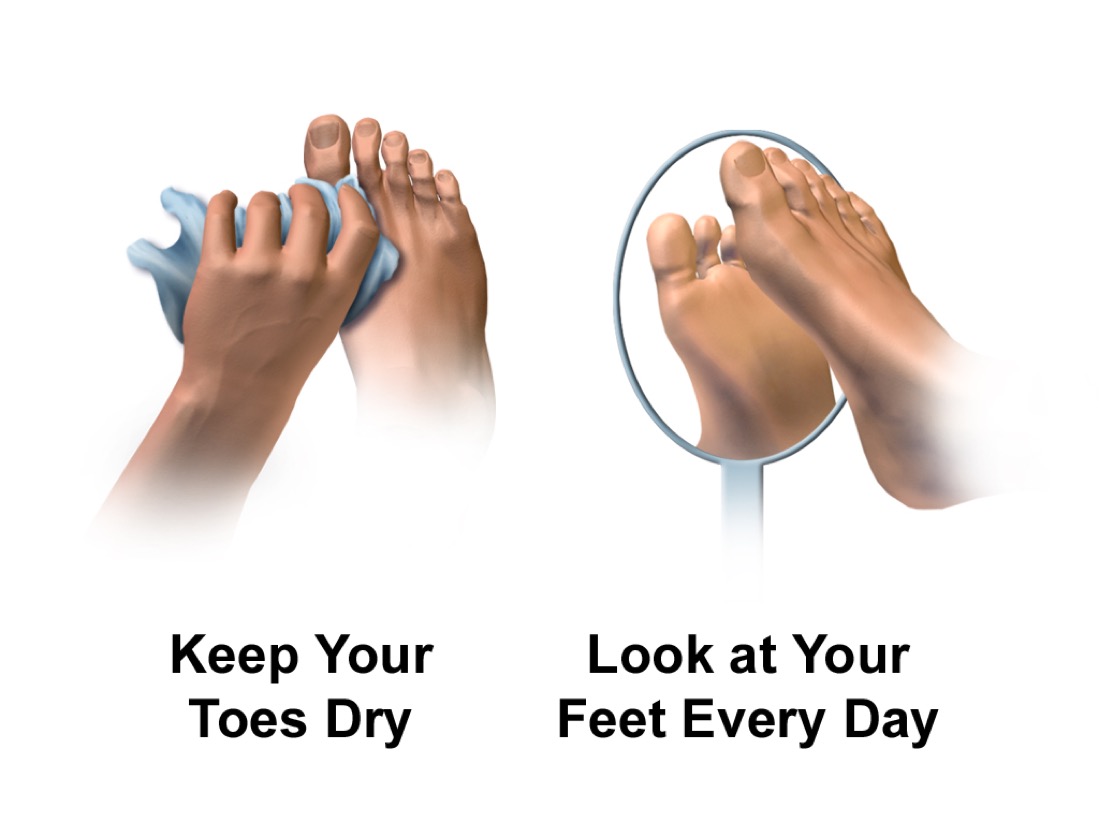
A good distance care plan starts with checking the feet before anyone cuts, files, or treats hard skin. Photo source
Before anyone cuts nails or files hard skin, check for broken skin, bleeding, discharge, spreading redness, heat, swelling, sudden colour change, new pain, or a sore that is not healing. These are not routine foot care problems.
The NHS advises people with diabetes, heart disease, or circulation problems not to treat corns and calluses themselves. That warning is useful for distant families because it gives a clear boundary: if risk is higher, avoid sharp DIY treatment and arrange proper assessment.
Diabetes raises the caution level further. Diabetes UK explains that changes in feeling and blood supply can make foot problems easier to miss, so regular foot checks and prompt help for changes are especially important.
Make the visit easy for the older person
A home visit works best when the practical details are clear. Make sure the older person knows who is coming, why they are coming, roughly what will happen, and how payment or follow up will be handled. Confusion can make a helpful appointment feel stressful.
Independent Age encourages older people and families to think ahead about support at home, including ways to stay safer and more confident at home. Foot care fits that same pattern when mobility, eyesight, or confidence has changed.
If memory or communication is affected, keep the plan simple. The Alzheimer's Society notes that familiar routines and clear communication can help with daily care, so personal care tasks may need patience and reassurance rather than rushed instructions.
Share the right information with the practitioner
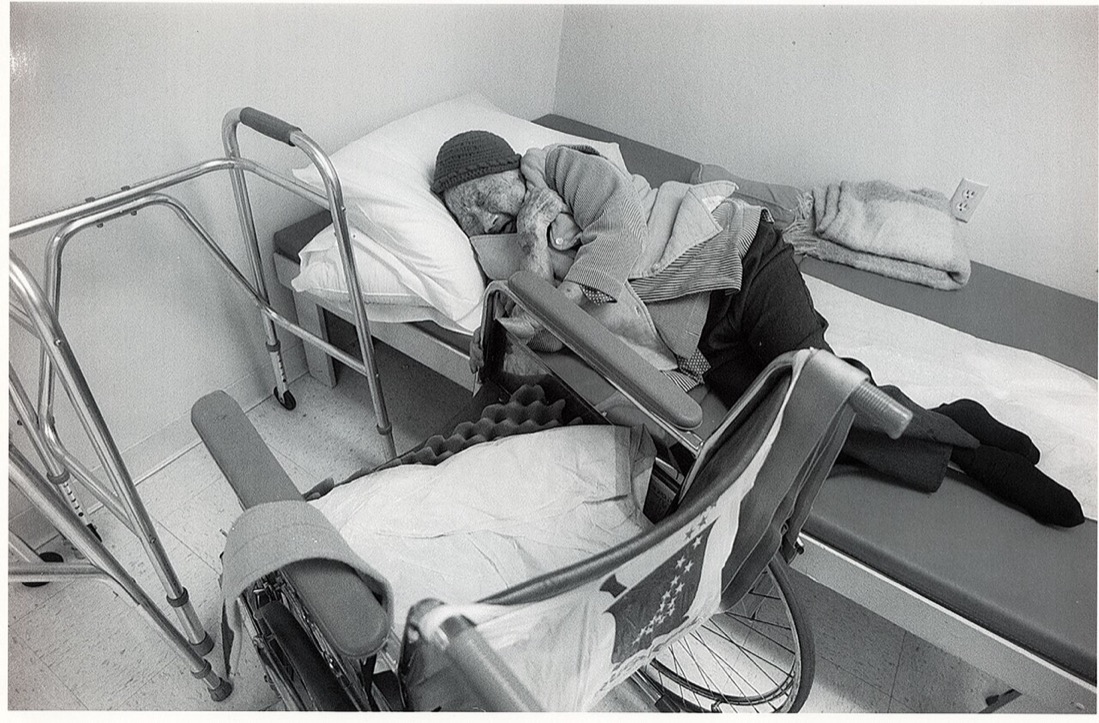
The best home visits are easier when family share the right practical details before the appointment. Photo source
Before the appointment, share relevant health details: diabetes, circulation problems, blood thinning medication, swelling, numbness, previous ulcers, recent falls, recent surgery, poor eyesight, Parkinson's, stroke, dementia, or any difficulty transferring to a chair.
NICE guidance on diabetic foot problems focuses on risk assessment, prevention, and early management. Families do not need to diagnose risk themselves, but they should pass on known diagnoses and recent changes so the appointment starts safely.
Movement conditions also affect foot care. Parkinson's UK explains that Parkinson's can affect walking, balance, stiffness, and foot comfort, while stroke support information explains that changes after stroke can affect movement and daily care. These details help a practitioner decide how to position the person and what to avoid.
Use photos carefully when you cannot visit
Photos can help, but they should not replace proper assessment when there are warning signs. Ask for clear pictures in good light, including both feet, the sore area, the nails, and the shoes or slippers that are worn most often.
Poor eyesight can make self care harder and can also make it harder for someone to describe what has changed. RNIB advice on living with sight loss highlights the importance of practical support and adapting everyday tasks, which is why clearer routines and practical help at home can matter for foot care too.
Do not ask an older person to twist awkwardly, stand on one leg, or balance badly just to send a photo. If taking pictures is difficult, it may be safer to book a visit or ask a trusted local helper to check in.
Plan repeat care instead of waiting for a crisis
The biggest mistake families make is treating foot care as an emergency task only. If nails are already long, thick, painful, or catching, the person may have been struggling for weeks. A planned routine is usually calmer than a last minute scramble.
The Royal College of Podiatry describes ageing feet as more likely to be affected by skin changes, pain, and reduced mobility, so small changes in older feet deserve attention before they affect walking.
The Health and Safety Executive's home care guidance also shows why planning matters in people's homes: tasks need to account for the real home environment and practical risks. For foot care, that means thinking about seating, lighting, pets, clutter, access, and whether the person can sit comfortably throughout treatment.
When home visit foot care is the sensible route
Home visit foot care is sensible when the older person needs routine nail cutting, thick nail support, hard skin care, corn or callus relief, cracked heel care, footwear advice, or a foot check, but travelling to a clinic is harder than the care itself.
Stroke Association information on life after stroke shows how mobility, fatigue, and everyday tasks can change, so reduced movement or confidence can affect daily self care. In that situation, bringing care into the home can remove a barrier without making the appointment feel like a hospital visit.
For families in Surrey, RMFC can be a practical option when the need is stable routine care rather than an urgent medical problem. If there is a wound, infection sign, sudden swelling, severe pain, or worrying colour change, ask for GP, NHS, or urgent medical advice first.
Key Takeaways
- Distance turns foot care into a planning problem, not just a nail cutting problem.
- Ask what hurts, what has changed, and what the person can no longer manage safely.
- Do not treat broken skin, infection signs, sudden swelling, or colour change as routine foot care.
- Share health, mobility, eyesight, memory, and medication details before a home visit.
- A planned home visit can help families keep routine foot care safer when clinic travel is difficult.
When family live far away, good foot care depends on a simple system: notice changes early, avoid risky DIY treatment, share the right details, and plan routine support before nails, hard skin, or footwear pressure become painful. For stable routine care in Surrey, a home visit can give older adults practical help without the strain of clinic travel. For wounds, infection signs, sudden swelling, or worrying colour change, medical advice should come first.
Need Professional Foot Care?
Book a home visit and get expert treatment without leaving your house